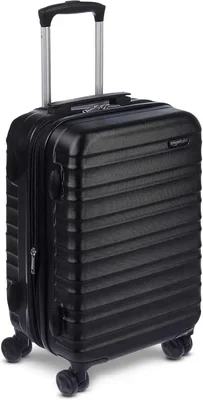
Choosing the right expandable cabin luggage can feel like navigating a maze of specifications, brand promises, and price tags. Whether you are a frequent business traveler, a weekend explorer, or someone who simply wants a reliable carry‑on that grows with your packing needs, this guide is designed to cut through the noise. We will walk you through the most important factors to evaluate, explain the technical jargon in plain language, compare the main types of expandable bags, highlight common pitfalls, and give you a clear budget framework so you can shop with confidence.
By the end of this article you will know exactly what to look for first, how to match a suitcase to your travel style, and where to find the best value without sacrificing durability. We have organized the information by priority — starting with the features that affect everyday usability and moving on to secondary considerations like warranty and brand reputation — so you can make decisions step by step.

What to Look for When Buying Expandable Cabin Luggage
1. Size Compliance and Airline Restrictions
Before you fall in love with a sleek design, verify that the bag meets the carry‑on dimensions of the airlines you fly most often. Most major carriers allow a maximum of 22 × 14 × 9 inches (56 × 36 × 23 cm) including wheels and handles, but low‑cost airlines can be stricter. An expandable bag typically adds 1.5 to 2 inches of depth when unzipped; make sure the expanded size still fits in the overhead bin or under the seat. Look for a label or product description that lists both the standard and expanded dimensions, and keep a tape measure handy when you shop in‑store.
2. Build Material and Shell Type
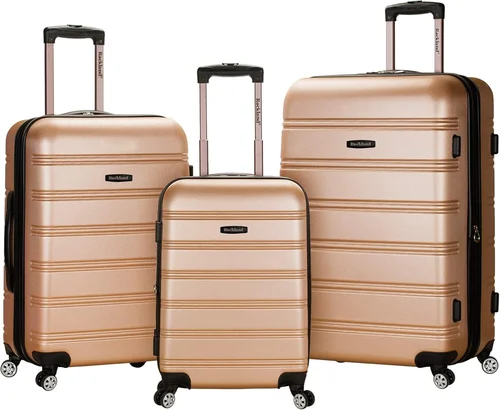
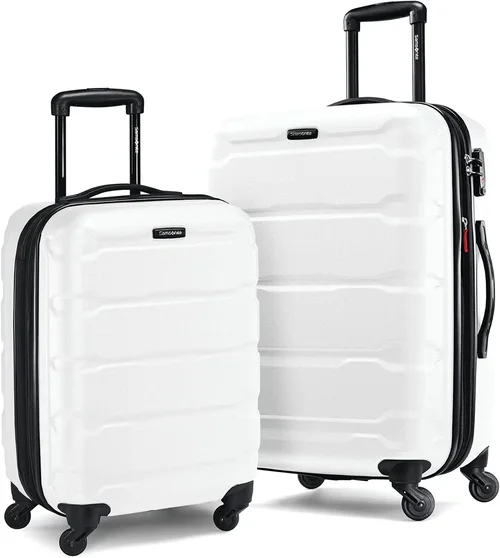
The shell determines weight, impact resistance, and how the bag ages. Hard‑shell cases made from polycarbonate, ABS, or a polycarbonate‑ABS blend are lightweight and resist cracking, while aluminum frames offer premium rigidity at a higher weight. Soft‑shell bags use ballistic nylon, Cordura, or high‑denier polyester; they flex to squeeze into tight bins and often feature external pockets. Hybrid models combine a hard front panel with a soft back for a balance of protection and flexibility. Choose a material that matches your typical travel hazards — rough baggage handling favors hard shells, while frequent gate‑checking benefits from a soft, compressible profile.
3. Expansion Mechanism and Capacity Gain
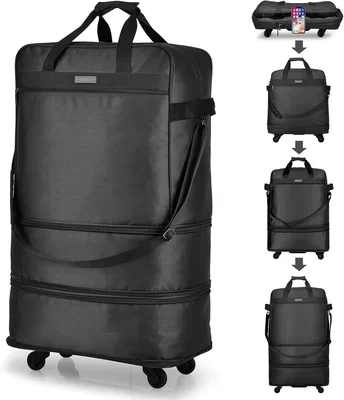
Not all expansion zippers are created equal. A quality expandable gusset should run the full perimeter of the main compartment, be reinforced with double stitching, and use a YKK or comparable zipper that slides smoothly even when the bag is packed tight. Typical capacity gains range from 15 % to 25 % (roughly 2–4 liters). Test the zipper in the store: open it fully, press down on the lid, and ensure the teeth stay aligned. A poorly designed gusset can snag, tear, or create an uneven bulge that prevents the bag from fitting in the overhead compartment.
4. Wheel System and Maneuverability
Four‑wheel spinner systems are now the gold standard for cabin luggage because they allow 360° rolling beside you, reducing wrist strain. Look for wheels that are recessed into the shell (protecting them from curb impacts) and made from polyurethane rather than plain plastic — polyurethane rolls quieter and lasts longer on rough terminal floors. Check the wheel housing for a sturdy metal axle; cheap plastic axles can bend under a fully loaded bag. If you frequently navigate cobblestone streets or carpeted hotel corridors, test the bag’s glide on both surfaces before buying.
5. Handle Ergonomics and Telescoping Range
The telescoping handle should lock at multiple heights (usually three) to accommodate different user heights. A comfortable grip — often wrapped in rubber or contour‑molded plastic — prevents hand fatigue during long walks through terminals. Ensure the handle extends and retracts smoothly without wobble; a loose handle can become a safety hazard if it collapses while you’re rushing to a gate. Some premium models add a top carry handle and a side handle, both reinforced with riveted stitching, which is useful for lifting the bag into overhead bins.
6. Interior Organization and Compression Straps
Inside, look for a divider panel with a zippered mesh pocket, a wet/dry compartment, and adjustable compression straps that keep clothes from shifting. A well‑designed interior lets you separate clean and dirty items, store shoes in a dedicated pocket, and compress the load so the expanded zipper closes without strain. Removable laundry bags or shoe bags are a nice bonus. If you travel with a laptop, verify that the bag includes a padded sleeve that meets TSA checkpoint requirements (typically 15.6‑inch compatible).
7. Weight and Packable Volume
Every ounce counts when you’re trying to stay under airline weight limits (often 7–10 kg for cabin bags). Modern polycarbonate shells can weigh as little as 2.2 kg (4.8 lb) for a 22‑inch spinner, while soft‑shell models may dip below 2 kg. However, ultra‑light bags sometimes sacrifice reinforcement at corners or use thinner zippers. Aim for a sweet spot: a bag that weighs no more than 2.5 kg empty but still feels solid when you press on the corners. Remember that the expanded volume adds weight only when you fill it, so a lighter base weight gives you more packing headroom.
8. Warranty, Repairability, and Brand Support
A strong warranty signals confidence in durability. Many reputable brands offer a limited lifetime warranty covering defects in materials and workmanship, and some provide a “repair‑or‑replace” program for damaged wheels, handles, or zippers. Check whether the brand has authorized service centers in your region or offers a mail‑in repair service. User reviews often reveal how responsive a company is when a wheel cracks after a year — this real‑world support can be more valuable than a glossy spec sheet.
Different Types of Expandable Cabin Luggage

Each category serves a distinct travel personality. Hard‑shell models excel when you check a bag at the gate and need confidence that contents stay intact. Soft‑shell bags shine on budget airlines where every centimeter counts and you appreciate quick‑access pockets for boarding passes. Hybrids give you a compromise, while smart luggage adds convenience at a premium price — just remember that many airlines require removable batteries for carry‑on compliance.
Common Buying Mistakes to Avoid
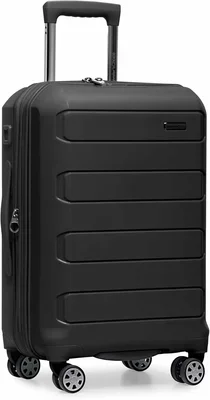
❌ Mistake: Ignoring Airline Size Limits
Why it’s bad: An expandable bag that exceeds the carrier’s maximum dimensions will be forced to check at the gate, incurring fees and risking damage.
What to do instead: Measure the bag yourself (including wheels and handles) and compare to the strictest airline you fly. Choose a model that stays within limits even when fully expanded.
❌ Mistake: Prioritizing Looks Over Wheel Quality
Why it’s bad: Stylish spinner wheels that are shallow or made of hard plastic can crack on the first cobblestone street, leaving you dragging a lopsided suitcase.
What to do instead: Test the wheels in‑store on a hard floor and a carpet sample. Look for recessed polyurethane wheels with metal axles.
❌ Mistake: Overlooking Weight of the Empty Bag
Why it’s bad: A heavy empty suitcase eats into your airline weight allowance before you pack a single shirt.
What to do instead: Target an empty weight under 2.5 kg for a 22‑inch spinner. Check the manufacturer’s spec sheet, not just the marketing copy.
❌ Mistake: Assuming All Expandable Zippers Are Equal
Why it’s bad: Cheap gusset zippers can jam, split, or create an uneven bulge that prevents the bag from fitting in the overhead bin.
What to do instead: Open the expansion fully, press down on the lid, and watch the zipper track. Prefer YKK or equivalent branded zippers with double stitching.
❌ Mistake: Skipping Warranty Registration
Why it’s bad: Many lifetime warranties only activate after online registration within a short window; missing it leaves you without coverage.
What to do instead: Register the product immediately after purchase and keep the receipt and registration confirmation in a travel folder.
❌ Mistake: Buying Without Testing Handle Height
Why it’s bad: A handle that locks only at one height forces taller travelers to hunch, causing back strain on long walks.
What to do instead: Extend the handle to its highest lock position and simulate walking. Ensure at least three lock positions and a comfortable grip.
Budget Guidelines: How Much Should You Spend?
Entry‑Level ($80 – $130)
At this price you’ll find mostly soft‑shell polyester or basic ABS hard‑shell bags. Expect single‑stage expansion (≈15 % gain), two‑wheel inline rollers, and a simple telescoping handle with two height stops. Wheels may be plastic, and zippers are often generic. These bags work fine for occasional leisure trips on major airlines, but they may show wear after a few rough handling cycles.
Mid‑Range ($130 – $250)
This is the sweet spot for most travelers. You’ll see polycarbonate or ballistic nylon construction, four‑wheel spinners with polyurethane tires, YKK expansion zippers, three‑stage handles, and thoughtful interior organization (mesh divider, compression straps, laptop sleeve). Warranties often extend to 5‑10 years or limited lifetime. Brands in this tier typically have service centers in major cities.
Premium ($250 – $450)
Premium models add refined details: magnesium or aluminum frame reinforcements, silent‑run wheels with sealed bearings, integrated TSA‑approved locks, water‑resistant coatings, and modular interior systems (removable packing cubes, garment folders). Expansion can reach 25 % with a reinforced gusset that stays flat when not used. Expect a true lifetime warranty with hassle‑free repair or replacement.
Luxury ($450+)
Luxury luggage leans on brand heritage, hand‑stitched leather accents, custom‑fit interior linings, and advanced tech (built‑in scale, GPS tracker, removable power bank). Materials may include aerospace‑grade polycarbonate or carbon‑fiber composites. While performance is top‑tier, the price premium largely reflects design exclusivity and after‑sales concierge service. Buy here only if you value the experience as much as the function.
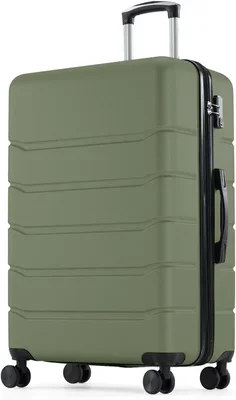
Expert Tips for Getting the Best Deal
- Shop off‑season: Late January and September often see clearance of previous‑year models as retailers make room for new collections.
- Compare online and in‑store: Use a price‑tracking tool (e.g., CamelCamelCamel) to see historic lows, then visit a physical store to test wheels and handles before committing.
- Leverage credit‑card travel perks: Some premium cards offer baggage‑delay insurance or extended warranty coverage that effectively adds value to your purchase.
- Check manufacturer refurbished programs: Brands like Travelpro and Samsonite sell factory‑refreshed units with full warranty at 20‑30 % off.
- Read the return policy carefully: A 30‑day no‑questions‑asked return lets you test the bag on a real trip; avoid final‑sale listings.
- Bundle with packing accessories: Retailers sometimes discount a set of packing cubes or a toiletry kit when bought with a suitcase.
- Consider a “buy‑once‑cry‑once” mindset: Spending an extra $50 on a mid‑range bag with a lifetime warranty can save you the cost of replacing a cheap bag every two years.

Frequently Asked Questions
Q: Can I use an expandable cabin bag on a budget airline that charges for overhead bin space?
A: Yes, but you must keep the bag in its non‑expanded state to meet the stricter size limits. Many budget carriers measure at the gate, so pack conservatively and only expand if you’re sure the flight allows it.
Q: Does expanding the bag void the warranty?
A: No. Manufacturers design the expansion gusset for regular use. Warranty claims are denied only if the zipper is forced beyond its travel or the bag shows signs of abuse (e.g., torn fabric from overstuffing).
Q: Are spinner wheels really better than two‑wheel inline rollers?
A: For most travelers, four‑wheel spinners reduce wrist strain and allow you to push the bag beside you in narrow aisles. Two‑wheel rollers can be more stable on very rough terrain, but they require tilting and pulling.
Q: How do I clean a hard‑shell polycarbonate suitcase?
A: Wipe the exterior with a damp microfiber cloth and mild soap. Avoid abrasive cleaners or solvents that can dull the finish. For scuffs, a small amount of automotive polishing compound can restore shine.
Q: What is the typical lifespan of a quality expandable cabin bag?
A: With proper care, a mid‑range polycarbonate or ballistic nylon bag lasts 7‑10 years. Wheels and handles are the first components to wear; many brands sell replacement parts.
Q: Can I replace a broken zipper myself?
A: It’s possible with a zipper repair kit, but the gusset zipper is under tension when expanded. Professional repair ensures the seam stays water‑resistant and aligned.
Q: Do smart luggage batteries need to be removed for carry‑on?
A: Most airlines require the lithium‑ion battery to be removable and carried in the cabin. Check the specific model; some have a quick‑release battery pack designed for compliance.
Q: Is a built‑in TSA lock worth the extra cost?
A: If you frequently travel to the United States, a TSA‑approved lock lets security agents open and relock your bag without cutting the lock. It’s a modest convenience that can save a lock replacement.
Q: How do I know if a bag’s expansion will stay flat when not used?
A: Look for a “lay‑flat” gusset design with internal compression straps that pull the expansion panel flush against the main compartment. Reviews often mention whether the bag looks bulky when closed.
Our Final Recommendations
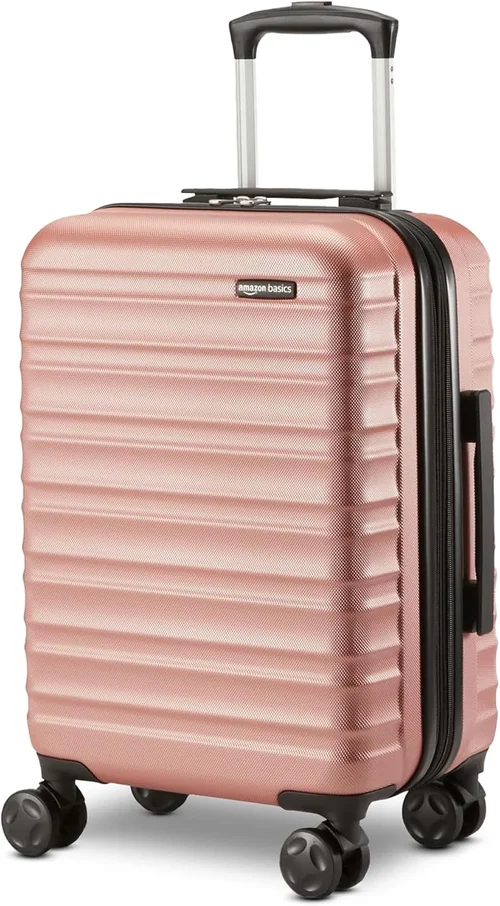
Best for Budget‑Conscious Buyers: The AmazonBasics 21‑Inch Hardside Spinner (polycarbonate/ABS blend) offers a 15 % expansion, four polyurethane wheels, and a three‑stage handle for under $100. It meets most major airline dimensions and carries a 3‑year limited warranty.
Best Overall Value: The Travelpro Platinum Elite 22‑Inch Expandable Spinner hits the mid‑range sweet spot with a durable ballistic nylon exterior, MagnaTrac spinner wheels, a precision‑glide handle, and a lifetime warranty. Its 2‑inch expansion adds 3 liters without compromising fit.
Best Premium Option: The Briggs & Riley Baseline Domestic Carry‑On Expandable features a CX expansion‑compression system that adds 25 % capacity then compresses flat, a lifetime “no‑questions‑asked” repair policy, and a sleek ballistic nylon shell. It’s priced around $350 but often lasts decades.
Best for Beginners: The Samsonite Freeform 21‑Inch Spinner combines a lightweight polycarbonate shell, double‑spinner wheels, and a simple push‑button handle. Its intuitive design makes packing and maneuvering stress‑free for first‑time flyers.
Best for Advanced Users: The Rimowa Essential Cabin Plus (polycarbonate with aluminum frame) offers a 2‑inch expansion, ultra‑silent wheels, an integrated TSA lock, and a modular interior with a removable garment folder. It’s a favorite among frequent business travelers who value precision engineering.
Conclusion: Making the Right Choice
Selecting expandable cabin luggage is ultimately about matching the bag’s strengths to your travel habits. Start with the non‑negotiables — airline size compliance, weight, and a reliable expansion zipper — then layer on the features that make your journeys smoother: smooth‑rolling spinner wheels, a comfortable multi‑height handle, and an interior that keeps you organized. Use the budget tiers as a roadmap, but remember that a modest increase in spend often buys a dramatically longer service life and better warranty support.
Take the time to handle a few candidates in person, test the wheels on different surfaces, and simulate packing with your own cubes. Register the warranty the moment you get home, and keep the receipt in a travel folder. With the right bag, the overhead bin becomes a non‑issue, and you can focus on the adventure ahead.
Happy travels, and may your next carry‑on glide effortlessly from curb to gate.