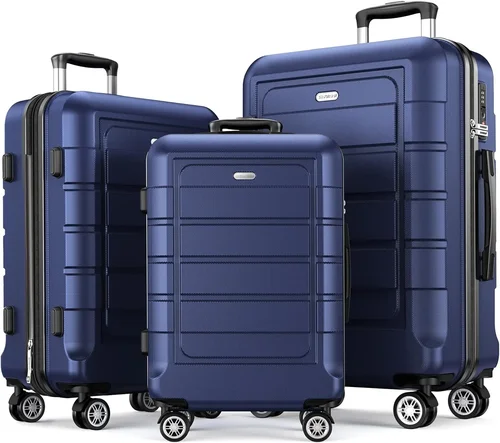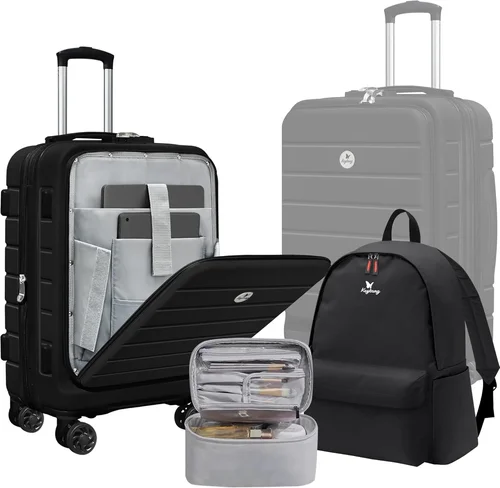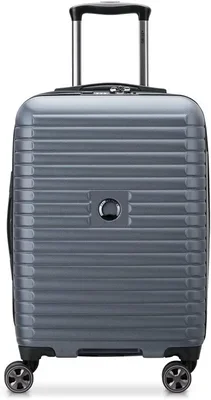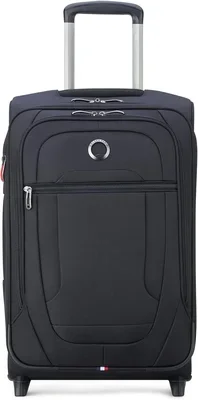
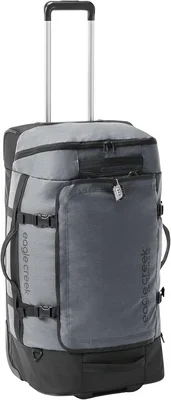
Choosing the right travel luggage can feel overwhelming when you’re staring at a wall of options, each promising durability, organization, and ease of use. The Eagle Creek Load Hauler Expandable Luggage in black has earned a loyal following among weekend warriors and international explorers alike, but understanding why it stands out requires looking past the marketing. This guide exists to cut through the noise. We’ll walk through exactly what makes this duffel-style wheeled luggage a top contender, how it compares to the broader market, and what you should genuinely prioritize before spending your money.
By the time you finish reading, you’ll know the critical difference between ballistic nylon and standard polyester, why wheel housing design matters more than wheel count, and how the “expandable” feature actually works in real-world packing scenarios. We’ll also cover the common pitfalls that lead to buyer’s remorse, like ignoring internal organization or underestimating weight restrictions. Whether you’re replacing a worn-out checked bag or buying your first serious piece of gear, this guide will give you the confidence to choose wisely.
The luggage market is flooded with lookalikes at every price point. Budget brands mimic the aesthetic of premium gear but cut corners on zippers, handles, and fabric coatings. Mid-range options often hit a sweet spot, while luxury brands charge for heritage and marginal gains. The Load Hauler sits firmly in that respected mid-to-premium tier, backed by Eagle Creek’s legendary No Matter What warranty. Let’s dive into the factors that actually determine if this bag—or any bag—is the right travel partner for you.

What to Look for When Buying Buying Guide
1. Fabric Durability and Denier Rating
The outer shell is your luggage’s first line of defense against baggage handlers, conveyor belts, and overhead bin compression. The Load Hauler uses a combination of 1000D and 600D Bi-Tech fabric with a TPU laminate. In plain English, the “D” stands for denier, a unit measuring fiber thickness. Higher numbers mean thicker, tougher threads. 1000D is exceptionally rugged—think military-grade toughness—while 600D offers a lighter weight with strong abrasion resistance. The TPU laminate adds water resistance and helps the fabric shrug off scuffs that would shred lesser materials.
When shopping, avoid bags that only list “polyester” or “nylon” without a denier count. That usually signals a thin, low-count weave (often 300D or 450D) that will puncture if you brush against a sharp corner. Look for reinforced base panels; the Load Hauler uses a heavier tarpaulin-style material on the bottom where wear is highest. If you check bags frequently, prioritize 800D+ fabrics. For carry-on only, 400D-600D can suffice, but the Load Hauler’s beefier build gives you peace of mind regardless of how you travel.
Similar Posts
Best Expandable Luggage Set Buying Guide 2026
Traveling is more than just getting from point A to point B—it’s about freedom, discovery, and the peace of mind that comes with knowing your belongings are secure, organized, and easy to manage. Whether you’re a frequent flyer, a weekend adventurer, or someone preparing for a long-term trip, having the right luggage can make all…
How to Choose Expandable Luggage 2026
Traveling with a laptop doesn’t have to mean sacrificing space, style, or peace of mind. Whether you’re a digital nomad, a business professional, or a student jetting off to campus, your carry-on luggage is more than just a bag—it’s your mobile command center. In today’s fast-paced world, where work follows you from airport lounges to…
Smart Luggage Rack Buying Guide 2026
Traveling can be stressful—especially when you arrive at your destination and realize there’s nowhere to unpack your suitcase without turning your hotel room or guest bedroom into a cluttered mess. That’s where a reliable luggage rack comes in. Among the many options on the market today, the Bed Bath & Beyond Expandable Wooden Luggage Rack…
Expert Expandable Luggage Buying Guide 2026
Traveling is more than just getting from point A to point B—it’s about freedom, discovery, and the peace of mind that comes with knowing your belongings are safe, organized, and easy to manage. Whether you’re a weekend road-tripper, a frequent business traveler, or someone planning a dream vacation abroad, choosing the right luggage can make…
Smart Delsey Titanium Luggage Buying Guide
Shopping for luggage feels overwhelming because every brand promises durability, lightweight design, and smooth rolling. Delsey Paris stands out with their Titanium collection because they actually deliver on those promises through materials science rather than marketing fluff. This guide walks you through everything you need to know before investing in a Delsey Titanium hardside expandable…
Ultimate Delsey Helium DLX Buying Guide
Shopping for luggage can feel overwhelming. You stand in the aisle or scroll through endless product pages, bombarded by specs like denier counts, spinner wheel configurations, and TSA lock types. It is easy to get lost in the jargon and forget what actually matters: showing up at your destination with your belongings safe, organized, and…