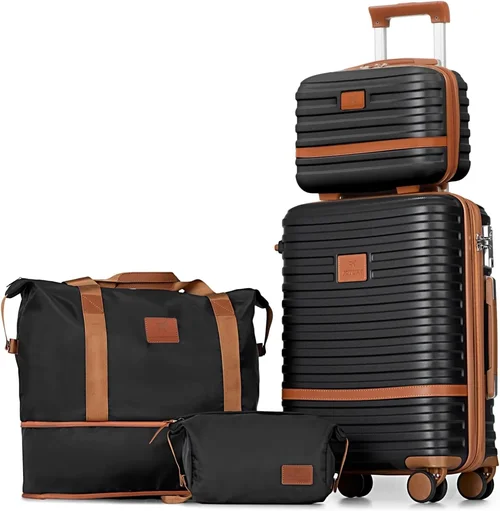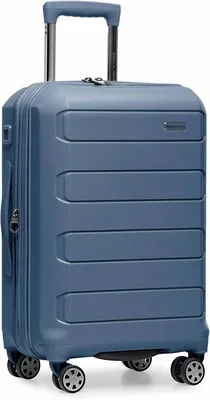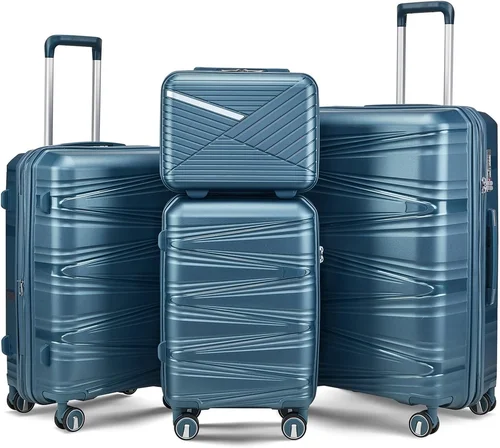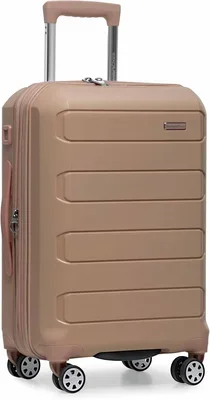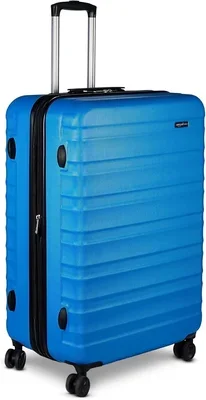
Choosing the right expandable luggage can feel like navigating a maze of zippers, wheels, and fabric types, especially when you’re browsing the aisles of a massive retailer like Walmart. This guide exists to turn that maze into a clear, well‑lit path so you can walk away with a suitcase that fits your travel style, budget, and the inevitable extra souvenirs you’ll pick up along the way. Over the next several sections you’ll learn which specifications truly matter, how to decode the marketing language, and where the sweet spot lies between price and performance.
We’ll start by breaking down the most important factors you should evaluate before you even click “add to cart.” From there we’ll compare the major categories of expandable luggage you’ll encounter at Walmart, highlight common pitfalls that trip up even seasoned travelers, and give you a realistic budget framework. You’ll also get insider tips on timing your purchase, spotting genuine deals, and making the most of warranties and return policies. By the end you’ll have a short list of top picks tailored to different traveler profiles, plus a handy FAQ to answer any lingering questions.

What to Look for When Buying Expandable Luggage
1. Size and Capacity
Size is the first filter you should apply because it dictates whether the bag will meet airline carry‑on limits or fit in your car trunk. Expandable luggage typically adds 1.5 to 2 inches of depth when the zipper is fully opened, translating to roughly 15‑25 percent more packing volume. For domestic flights, a 22‑inch carry‑on that expands to 24 inches often stays within the 22 × 14 × 9 inch envelope when compressed, but you must verify the exact dimensions of the model you’re eyeing. If you frequently check bags, a 27‑inch or 30‑inch spinner that expands to 32 inches gives you ample room for a week’s wardrobe plus gifts. Remember to measure the interior dimensions, not just the exterior, because handles and wheel housings eat into usable space.
2. Build Quality and Materials
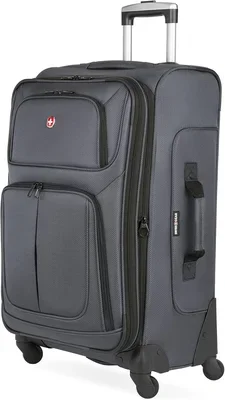
The fabric or shell determines how well the bag survives baggage‑handler tosses, rain, and the occasional coffee spill. At Walmart you’ll see three main families: polyester (often 600D or 1200D), ballistic nylon, and hard‑shell polycarbonate or ABS. Polyester is lightweight and affordable but can snag on sharp edges. Ballistic nylon, originally developed for military gear, offers superior tear resistance and a subtle sheen that ages gracefully. Hard‑shell cases excel at protecting fragile items and are naturally water‑resistant, yet they can crack under extreme impact if the polymer is thin. Look for reinforced corners, double‑stitched seams, and a sturdy frame that doesn’t flex when you press on the sides.
3. Wheel System and Maneuverability
Four‑wheel spinners have become the gold standard because they glide in any direction, reducing wrist strain on long terminal walks. However, not all spinners are created equal. Seek out wheels with sealed ball bearings, a wide stance (at least 2.5 inches apart), and a recessed design that protects the hub from curb impacts. Two‑wheel “roller” bags can be more stable on rough pavement and often have larger diameter wheels, which roll over cracks more easily. Test the bag in‑store if possible: push it straight, then execute a tight 360° turn. A quality spinner should track straight without wobbling and rotate smoothly without a grinding sound.
4. Handle Ergonomics and Telescoping Mechanism
A telescoping handle that locks at multiple heights accommodates travelers of different statures and prevents you from hunching over. Aluminum or aircraft‑grade alloy tubes resist bending, while a padded grip reduces hand fatigue. The release button should be intuitive — push‑button or trigger‑style — and the handle should retract fully without sticking. Some premium models add a secondary top carry handle with a comfortable grip for lifting into overhead bins. Check that the handle’s locking points are secure; a loose handle can become a safety hazard on escalators.
5. Expansion Mechanism and Zipper Quality
The expansion zipper is the heart of the “expandable” promise. YKK or equivalent branded zippers with large, interlocking teeth are far less likely to separate under stress. A double‑track zipper (two parallel rows) distributes tension evenly and provides a backup if one track fails. The expansion gusset should be reinforced with a fabric strip or a hidden panel that prevents the zipper from pulling directly on the main shell. When you open the expansion, the bag should retain its shape rather than sagging like a deflated balloon.
6. Interior Organization Features
Thoughtful interior layouts save you from the “where did I put my charger?” scramble. Look for a full‑length zippered divider, mesh pockets for toiletries, compression straps that cinch down clothing, and a dedicated laptop or tablet sleeve if you travel with electronics. Some Walmart‑exclusive lines include removable packing cubes or a wet/dry pocket for swimwear. The more modular the interior, the easier it is to adapt the bag for business trips, family vacations, or weekend getaways.
7. Weight and Airline Compliance
Every ounce counts when airlines enforce strict weight limits — typically 50 lb (23 kg) for checked bags and 15‑22 lb (7‑10 kg) for carry‑ons. Lightweight polycarbonate shells can weigh as little as 6 lb for a 27‑inch spinner, while heavy ballistic nylon models may tip the scales at 10 lb before you pack anything. Weigh the empty bag on a bathroom scale and subtract that from your allowance to know exactly how much gear you can bring. Also verify that the expanded dimensions still satisfy the carrier’s size restrictions; some airlines measure the bag at its widest point, expansion included.
8. Warranty, Customer Support, and Brand Reputation
A solid warranty signals confidence in durability. Many reputable brands offer limited lifetime coverage for defects in materials and workmanship, while budget lines may only provide a one‑year warranty. Read the fine print: does it cover wheel replacement, zipper failure, or handle breakage? Walmart’s own store brands often have a 90‑day return window but limited long‑term support. Established names like Samsonite, Travelpro, and American Tourister maintain dedicated service centers and online claim portals, making repairs or replacements far less painful.
Different Types of Expandable Luggage

Common Buying Mistakes to Avoid
❌ Mistake: Ignoring Airline Size Limits When Expanded
Why it’s bad: Many travelers purchase a bag that fits the carry‑on template only in its compressed state. Once the expansion zipper is opened, the bag exceeds the maximum linear inches allowed, forcing a gate check and possible fees.
What to do instead: Verify the expanded dimensions against the specific airline’s policy before you buy. Keep a tape measure handy and measure the bag yourself in the store.
❌ Mistake: Choosing the Lightest Bag Without Checking Durability
Why it’s bad: Ultra‑light models often sacrifice reinforced corners, wheel bearings, or zipper quality to shave ounces. They may survive a few trips but can fail catastrophically under heavy loads.
What to do instead: Aim for a weight that feels substantial but not burdensome — typically 7‑9 lb for a 27‑inch spinner. Read user reviews focusing on long‑term wear.
❌ Mistake: Overlooking Wheel Quality
Why it’s bad: Cheap plastic wheels with no bearings develop flat spots, wobble, and eventually seize, turning a smooth glide into a drag‑fest.
What to do instead: Spin the wheels in‑store; they should rotate freely for several seconds. Look for “spinner wheels with sealed ball bearings” in the product description.
❌ Mistake: Assuming All Expandable Zippers Are Equal
Why it’s bad: Low‑grade zippers can separate under the pressure of a fully packed bag, leaving you with a gaping opening at the worst possible moment.
What to do instead: Seek out YKK or equivalent branded zippers, double‑track designs, and a reinforced gusset. Test the zipper by pulling it open and closed several times.
❌ Mistake: Skipping the Warranty Registration
Why it’s bad: Many brands require online registration within 30 days to activate the lifetime warranty. Missing this step leaves you with only the retailer’s short return window.
What to do instead: Register the product immediately after purchase. Save the receipt and a photo of the serial tag.
❌ Mistake: Buying Based Solely on Brand Name
Why it’s bad: Even reputable brands produce entry‑level lines that cut corners on materials. A “Samsonite” label doesn’t guarantee premium construction.
What to do instead: Compare the specific model’s specs — fabric denier, wheel type, handle material — rather than relying on brand reputation alone.
Budget Guidelines: How Much Should You Spend?
Entry‑Level ($50 – $100): At this tier you’ll find basic polyester or ABS hard‑shell spinners with single‑track expansion zippers, two‑wheel rollers, and minimal interior organization. They’re suitable for occasional leisure travelers who pack light and don’t mind replacing a bag every couple of years. Expect a weight of 9‑11 lb for a 27‑inch model and a one‑year limited warranty.
Mid‑Range ($100 – $200): This is the sweet spot for most frequent flyers. You’ll encounter ballistic nylon or higher‑denier polyester, double‑track YKK expansion zippers, four‑wheel spinners with sealed bearings, and thoughtful interior layouts including compression straps and a padded laptop sleeve. Weight drops to 7‑9 lb, and many brands extend a limited lifetime warranty covering wheels and handles.
Premium ($200 – $350): Premium models feature polycarbonate or hybrid shells, precision‑engineered spinner wheels, telescoping handles with multiple lock positions, and advanced organizational systems such as removable packing cubes and RFID‑blocking pockets. They often weigh 6‑8 lb despite larger capacities and come with comprehensive lifetime warranties that include accidental damage coverage for the first year.
Luxury ($350+): At the top end you’ll see brands like Tumi, Briggs & Riley, and high‑end Samsonite collections. Materials include ballistic nylon with proprietary coatings, magnesium‑alloy frames, and self‑healing zippers. Features may include integrated USB ports, built‑in weight scales, and modular accessory ecosystems. These bags are engineered for decades of heavy use and typically offer unconditional lifetime repair services.
Expert Tips for Getting the Best Deal
- Shop Seasonal Sales: The best discounts appear during Black Friday, Cyber Monday, and the post‑holiday clearance in January. Walmart often rolls out “Rollback” pricing on luggage a week before major holidays.
- Compare Online vs. In‑Store: Walmart.com frequently lists lower prices than the physical shelf, and you can use the “Pickup” option to avoid shipping fees. Check both before committing.
- Use Price‑Tracking Tools: Browser extensions like Honey or CamelCamelCamel (for third‑party sellers) alert you when a specific model drops below your target price.
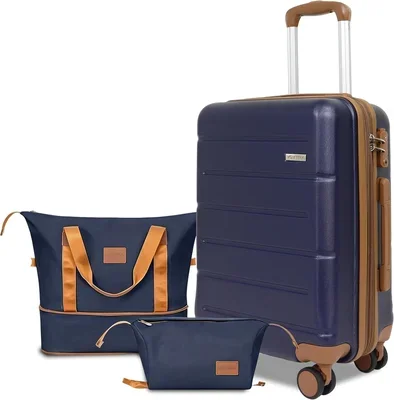
- Leverage Bundle Offers: Some listings include a matching toiletry bag, packing cubes, or a luggage tag at no extra cost. These bundles add value without inflating the base price.
- Read the Return Policy Fine Print: Walmart’s standard 90‑day return window applies to most luggage, but “final sale” clearance items may be non‑returnable. Keep the original packaging until you’re sure the bag meets your needs.
- Test Before You Travel: Pack the bag as you would for a real trip, roll it around the house, and lift it into a simulated overhead bin. This reveals handle comfort, wheel noise, and balance issues early.
- Register the Warranty Immediately: As mentioned earlier, many manufacturers require registration within 30 days. Do it the day you receive the bag to lock in coverage.
- Consider Refurbished or Open‑Box Units: Walmart’s “Refurbished” section sometimes carries high‑end luggage at 30‑40 % off with a 90‑day warranty. Inspect photos carefully for cosmetic damage.

Frequently Asked Questions
Q: How much extra space does an expandable zipper really add?
A: Most expandable luggage adds 1.5 to 2 inches of depth, which translates to roughly 15‑25 percent more packing volume. The exact gain depends on the bag’s base dimensions and the gusset design.
Q: Can I use an expanded carry‑on on a domestic flight?
A: Only if the expanded dimensions still fall within the airline’s carry‑on limits. Many carriers measure the bag at its widest point, so an expanded bag may be rejected at the gate. Check the specific airline’s policy before you fly.
Q: Are hard‑shell expandable bags heavier than soft‑side ones?
A: Not necessarily. Modern polycarbonate shells can be lighter than thick ballistic nylon, especially in larger sizes. Always compare the listed empty weight rather than assuming material dictates weight.
Q: What does “double‑track zipper” mean?
A: A double‑track zipper has two parallel rows of interlocking teeth. If one track fails, the other still holds the bag closed, providing a safety margin that single‑track zippers lack.
Q: How do I clean a polyester or nylon expandable suitcase?
A: Spot‑clean with a mild detergent and a damp cloth. For deeper cleaning, remove any detachable liners and hand‑wash them in cold water. Avoid machine washing the entire bag, as it can damage the frame and wheel bearings.
Q: Is it worth paying extra for a lifetime warranty?
A: If you travel more than a few times a year, a lifetime warranty can save you hundreds in replacement costs. Ensure the warranty covers wheels, handles, and zippers — not just the shell.
Q: Can I replace the wheels myself?
A: Many mid‑range and premium models use standardized wheel housings that accept aftermarket spinner wheels. Check the manufacturer’s website for part numbers; some brands sell replacement kits directly.
Q: What’s the difference between 600D and 1200D polyester?
A: The “D” stands for denier, a measure of fiber thickness. 1200D polyester uses thicker fibers, making the fabric more abrasion‑resistant and durable than 600D, though it adds a bit of weight.
Q: Do expandable bags lose shape over time?
A: Quality bags with reinforced gussets and internal frames retain shape well. Cheaper models with thin fabric and single‑track zippers may sag after repeated expansion cycles.
Q: Should I buy a matching luggage set or individual pieces?
A: Sets often provide a discount per piece and guarantee aesthetic consistency. However, if you only need a carry‑on and a medium checked bag, buying individually lets you tailor each piece to its specific role.
Our Final Recommendations
Best for Budget‑Conscious Buyers: The American Tourister Moonlight Hardside Expandable Spinner (typically $70‑$90) delivers a polycarbonate shell, four‑wheel spinners, and a modest expansion zipper at a price that leaves room in your travel fund for souvenirs.
Best Overall Value: The Travelpro Maxlite 5 Expandable Spinner (around $130‑$150) combines lightweight ballistic nylon, a precision‑engineered wheel system, and a thoughtful interior with a lifetime warranty that covers wheel and handle repairs.
Best Premium Option: The Samsonite Freeform Hardside Expandable Spinner (approximately $220‑$260) offers a sleek polycarbonate shell, double‑track YKK expansion, recessed spinner wheels, and a 10‑year limited warranty — ideal for frequent flyers who want durability without the luxury price tag.
Best for Beginners: The Walmart‑Exclusive Ozark Trail 22‑Inch Expandable Carry‑On (often under $60) provides a simple two‑wheel design, basic expansion, and a 90‑day return window, letting new travelers test the waters without a big commitment.
Best for Advanced Users: The Briggs & Riley Baseline Domestic Carry‑On Expandable (around $380) features a ballistic nylon exterior, CX expansion‑compression system that adds 25 % capacity while keeping the bag within carry‑on limits, and an unconditional lifetime warranty that even covers airline damage.
Conclusion: Making the Right Choice
You now have a roadmap that starts with the fundamentals — size, material, wheels, handles, zippers, organization, weight, and warranty — and walks you through the major luggage categories, common traps, budget tiers, and savvy shopping tactics. The key takeaway is to match the bag’s capabilities to your actual travel patterns: a weekend warrior needs a different tool than a globetrotting consultant. Prioritize the features that solve your biggest packing pain points, verify airline compliance in both compressed and expanded states, and don’t shy away from investing a little more for a warranty that protects your investment for years.
Take a moment to measure your typical packing list, jot down the must‑have features, and then head to Walmart’s website or store with confidence. Whether you walk away with a budget‑friendly spinner or a premium polycarbonate workhorse, you’ll be equipped to handle every extra pair of shoes, souvenir, or last‑minute business document that comes your way. Safe travels and happy packing!