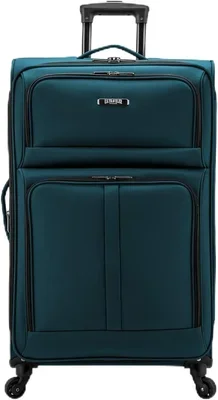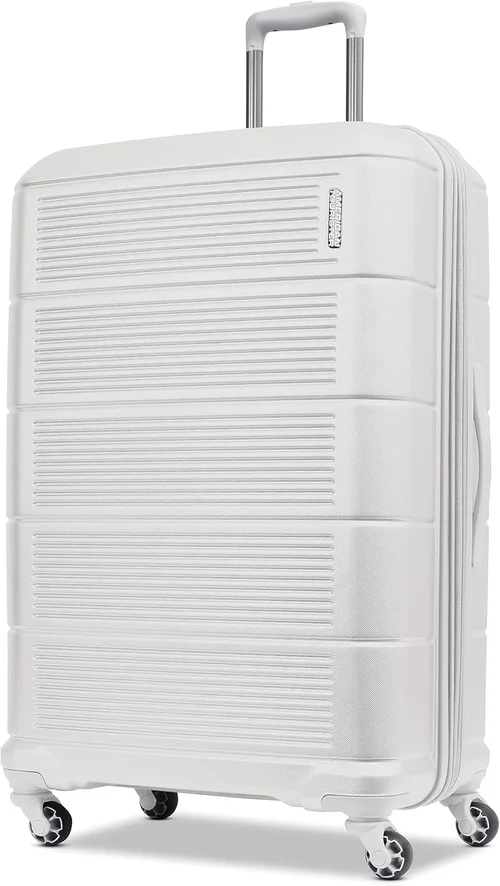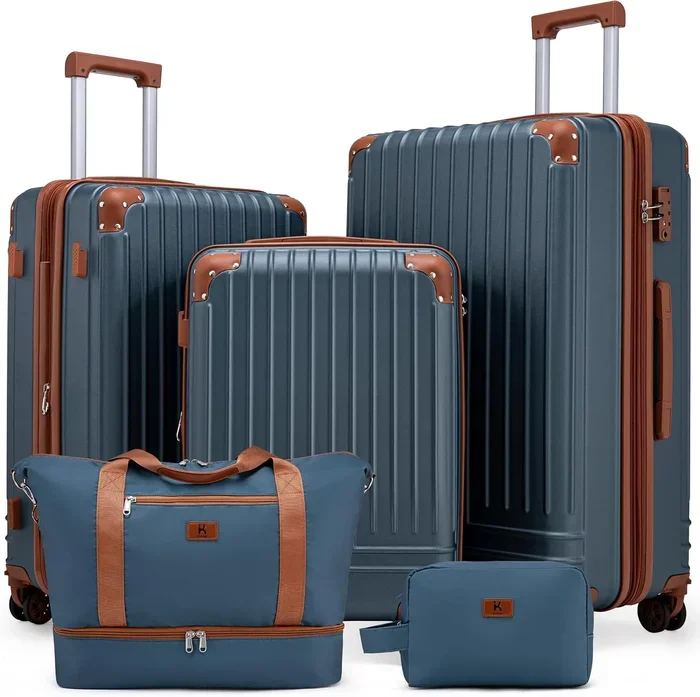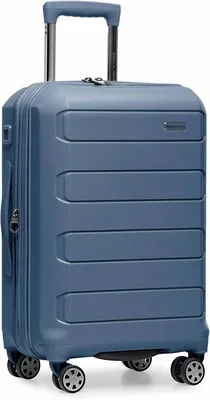
Choosing the right expandable luggage bag with wheels can feel like navigating a maze of specifications, brand promises, and price tags. Whether you are a frequent flyer, a weekend road‑tripper, or someone who simply wants a reliable suitcase that grows with your packing needs, the decision you make today will affect every journey you take for years to come. This guide is designed to cut through the noise, giving you a clear, step‑by‑step framework so you can walk into a store or click “buy” online with total confidence.
In the next sections you will learn the six most critical factors that separate a suitcase that survives a single trip from one that becomes a trusted travel companion for a decade. We will break down the different types of expandable luggage on the market, show you how to avoid the most common buying mistakes, and give you a realistic budget breakdown so you know exactly what you get at every price point. Along the way you will find expert tips, a detailed FAQ, and our final recommendations tailored to every kind of traveler.

What to Look for When Buying Expandable Luggage
1. Size and Capacity
Size is the first filter you should apply because it determines whether the bag fits airline overhead bins, car trunks, or your storage closet at home. Most expandable suitcases come in three core dimensions: carry‑on (typically 21‑22 inches), medium (24‑26 inches), and large (28‑30 inches). The “expandable” feature usually adds 1.5 to 2.5 inches of depth, translating to roughly 15‑25 percent extra packing volume. When evaluating size, check the interior dimensions—not just the external ones—because handles, wheels, and frame thickness can eat into usable space. If you frequently fly budget carriers with strict carry‑on limits, a 21‑inch model that expands to 23 inches may still be rejected at the gate, so verify the airline’s maximum dimensions before you buy.
2. Build Quality and Materials
The shell material dictates durability, weight, and how the bag handles impacts. Hard‑shell options are usually made from polycarbonate, ABS, or a polycarbonate‑ABS blend. Polycarbonate is the gold standard: it flexes under pressure instead of cracking, resists scratches, and stays lightweight. ABS is cheaper but more brittle; it can crack on a hard drop. Soft‑shell bags rely on high‑denier nylon (often 1680D or 840D) or ballistic polyester. Look for a high denier count, reinforced corners, and a water‑repellent coating. A quality frame—whether aluminum, fiberglass, or a reinforced polymer—keeps the bag’s shape when expanded and prevents the “bulging” that stresses zippers.
3. Wheel System and Maneuverability
Wheels are the single biggest factor in day‑to‑day comfort. Spinner wheels (four multidirectional casters) let you glide the bag beside you, push it ahead, or pull it through tight aisles without tilting. Inline (two‑wheel) designs are more stable on rough pavement but require you to tilt the bag. Examine wheel housing: sealed ball bearings, polyurethane tread, and a wide wheel base reduce wobble and noise. Test the bag on carpet, tile, and a cracked sidewalk if possible. A good rule of thumb: the wheels should spin freely for at least three seconds after a gentle push. If they feel gritty or lock up, the bearings are low quality and will degrade quickly.
4. Handle System Ergonomics
The telescopic handle is your primary interface with the bag. Look for a multi‑stage aluminum or steel tube that locks securely at each height setting—typically three to four positions to accommodate different user heights. The grip should be contoured, padded, and wide enough to distribute pressure across the palm. A secondary top carry handle and a side handle are essential for lifting the bag into overhead bins or car trunks. Check that the handle retracts smoothly without sticking; a jammed handle is a common failure point on budget models.
5. Expansion Mechanism and Zipper Quality
The expansion zipper is the heart of the “expandable” promise. YKK or comparable brand zippers with large, interlocking teeth are far more reliable than generic coil zippers. The expansion gusset should be reinforced with a fabric strip or a second zipper track to prevent the teeth from separating under load. Some premium bags use a “dual‑stage” expansion: a modest 1‑inch zip for everyday use and a full 2‑inch zip for those rare over‑packing moments. Test the zipper by opening and closing it fully several times; it should glide without catching.
6. Interior Organization and Features
A well‑designed interior saves you time at security checkpoints and keeps clothes wrinkle‑free. Look for a full‑length divider panel with a zippered mesh pocket, compression straps that lock down contents, and a dedicated laptop or tablet sleeve if you travel with electronics. Some models add a removable toiletry kit, a wet/dry pocket, or a built‑in garment folder. The lining fabric should be tear‑resistant and easy to clean—polyester or nylon with a water‑repellent finish works best.
7. Weight and Airline Compliance
Every ounce counts when airlines charge for overweight checked bags. A 28‑inch hard‑shell spinner can weigh anywhere from 7.5 to 11 pounds empty. Lightweight polycarbonate models hover around 7‑8 pounds, while heavy‑duty ballistic nylon can be 9‑10 pounds. If you regularly fly carriers with a 50‑pound checked‑bag limit, a lighter suitcase gives you more payload for your belongings. Also verify that the expanded dimensions still meet the airline’s maximum linear inches (length + width + height) for checked luggage.
8. Warranty, Brand Reputation, and Customer Support
A solid warranty signals manufacturer confidence. Look for at least a 5‑year limited warranty covering wheels, handles, zippers, and shell cracks. Brands like Travelpro, Samsonite, Briggs & Riley, and Away have established service networks and readily available replacement parts. Read recent customer reviews focusing on post‑purchase support: how quickly does the company ship a replacement wheel? Do they honor the warranty without excessive paperwork? A brand that stands behind its product can save you hundreds of dollars in repairs over the bag’s lifespan.
Different Types of Expandable Luggage

Common Buying Mistakes to Avoid
❌ Mistake: Choosing Only by Price
Why it’s bad: The cheapest suitcase often uses thin ABS shells, low‑grade zippers, and plastic wheel housings that fail after a few trips. You end up replacing it sooner, spending more in the long run.
What to do instead: Set a realistic budget based on the “Budget Guidelines” section below, then compare features within that band. A $200 polycarbonate spinner will outlast a $120 ABS model by years.
❌ Mistake: Ignoring Airline Size Restrictions
Why it’s bad: An expandable carry‑on that exceeds the airline’s maximum dimensions when expanded forces you to check it at the gate, incurring fees and risking damage.
What to do instead: Measure the bag’s expanded dimensions yourself (length + width + height) and cross‑reference with the carriers you fly most. Choose a model that stays compliant even when fully expanded.
❌ Mistake: Overlooking Wheel Quality
Why it’s bad: Cheap wheels develop flat spots, wobble, or seize up on rough surfaces, turning a smooth airport stroll into a wrestling match.
What to do instead: Prioritize sealed ball‑bearing polyurethane spinners. If possible, test the bag on a textured floor before buying.
❌ Mistake: Skipping the Warranty Registration
Why it’s bad: Many brands require registration within 30 days to activate the full warranty. Missing this window leaves you without coverage for wheel or handle failures.
What to do instead: Register the product online the day you receive it. Keep the receipt and a photo of the serial number tag.
❌ Mistake: Buying Without Testing the Handle
Why it’s bad: A handle that sticks at a certain height forces you to hunch or stretch, causing back strain on long walks.
What to do instead: Extend and retract the handle through all positions. It should click firmly into each notch and slide smoothly.
❌ Mistake: Assuming All Expandable Zippers Are Equal
Why it’s bad: Low‑quality expansion zippers split under pressure, leaving you with a gaping hole and no way to close the bag.
What to do instead: Look for YKK or equivalent brand zippers with a double‑track design. Open and close the expansion zipper fully three times in the store.
❌ Mistake: Neglecting Interior Organization
Why it’s bad: A cavernous interior with no dividers leads to a jumbled mess, making it hard to find items and increasing wrinkles.
What to do instead: Choose a model with a full‑length divider, compression straps, and at least one zippered mesh pocket.
Budget Guidelines: How Much Should You Spend?
Entry‑Level ($80 – $150)
At this tier you’ll find mostly ABS hard‑shells or 600‑840D polyester soft‑shells. Expect basic two‑wheel inline designs, single‑stage expansion (usually 1 inch), and a 1‑year limited warranty. Wheels are often plastic with simple sleeve bearings. These bags work for occasional vacationers who fly once or twice a year and don’t overload them. They rarely survive frequent checked‑bag handling.
Mid‑Range ($150 – $300)
This is the sweet spot for most travelers. You get polycarbonate or polycarbonate‑ABS blend shells, four‑wheel spinners with sealed bearings, YKK expansion zippers, multi‑stage telescopic handles, and 3‑5 year warranties. Brands like Travelpro Platinum Elite, Samsonite Freeform, and Away The Bigger Carry‑On sit here. Weight drops to 7‑8 pounds for a 25‑inch spinner, and interior organization becomes thoughtful.
Premium ($300 – $500)
Premium models add features such as self‑healing zippers, integrated TSA‑approved locks with combination codes, removable laundry bags, and sometimes a built‑in USB power bank port (battery sold separately). Frame reinforcement is often aluminum or carbon‑fiber hybrid. Warranty extends to 10 years or lifetime on certain components. Examples: Briggs & Riley Baseline, Rimowa Essential (polycarbonate), and Tumi V4.
Luxury ($500 +)
Luxury luggage focuses on craftsmanship, materials like genuine leather accents, magnesium frames, and bespoke customization (monograms, color combos). Brands include Rimowa Original (aluminum), Globe‑Trotter, and high‑end Tumi collections. While they are stunning and durable, the performance gains over premium models are marginal for most travelers. Buy these for status, aesthetics, or collector value rather than pure utility.
Expert Tips for Getting the Best Deal
- Shop Off‑Season: Major retailers discount luggage heavily in January (post‑holiday) and September (back‑to‑school). You can often snag a $300 bag for $200.
- Use Price‑Tracking Tools: Browser extensions like Honey, CamelCamelCamel, or Keepa alert you when a specific model hits your target price.
- Check Manufacturer Refurbished Programs: Brands such as Briggs & Riley and Travelpro sell factory‑refurbished units with full warranties at 20‑30 % off.
- Bundle with Accessories: Some retailers throw in packing cubes, a toiletry kit, or a luggage tag when you buy a suitcase—value that effectively lowers the per‑item cost.
- Read Return Policies Before Buying: A 30‑day no‑questions‑asked return lets you test the bag on a real trip. Avoid final‑sale clearance items unless you’re certain.
- Inspect In‑Store Before Ordering Online: Even if you plan to buy online for a better price, visit a store to feel the handle, spin the wheels, and test the expansion zipper.
- Consider a Two‑Piece Set: A carry‑on plus a checked spinner often costs less than buying each separately, and the matching aesthetics make identification easier on the carousel.
- Leverage Credit‑Card Purchase Protection: Many premium cards extend the manufacturer’s warranty by an extra year and cover theft or damage for the first 90‑120 days.

Frequently Asked Questions
Q: How much extra space does an expandable zipper really add?
A: Most expandable suitcases add 1.5 to 2.5 inches of depth, which translates to roughly 15‑25 % more volume. On a 25‑inch medium bag, that’s about 5‑7 liters—enough for a couple of extra outfits or a pair of shoes.
Q: Can I use an expanded carry‑on on a budget airline?
A: Only if the expanded dimensions still fall within the airline’s published carry‑on limits. Many budget carriers (e.g., Spirit, Frontier, Ryanair) enforce strict sizing at the gate, so measure your bag fully expanded and compare before you fly.
Q: Are spinner wheels better than inline wheels for cobblestone streets?
A: Inline wheels with larger diameters (3‑4 inches) handle uneven surfaces more smoothly because they roll over gaps rather than getting caught. However, high‑quality spinners with 3‑inch polyurethane wheels and sealed bearings perform admirably on most urban terrain.
Q: What is the difference between polycarbonate and ABS?
A: Polycarbonate is a high‑impact thermoplastic that flexes under stress and returns to shape, making it far more crack‑resistant. ABS is cheaper, more rigid, and prone to cracking on hard impacts. A polycarbonate‑ABS blend offers a middle ground.
Q: Do I need a TSA‑approved lock on my expandable luggage?
A: If you check the bag, a TSA‑approved lock lets security agents open and relock it without cutting the lock. Many mid‑range and premium bags include an integrated combination lock; otherwise, purchase a separate TSA‑approved padlock.
Q: How do I clean a soft‑shell expandable bag?
A: Spot‑clean with a mild detergent and a damp cloth. For deeper cleaning, remove any detachable organizer panels, then hand‑wash the interior lining in lukewarm water. Air‑dry completely before storing.
Q: What should I do if a wheel falls off mid‑trip?
A: Carry a small travel‑size multi‑tool (often allowed in checked baggage) and a spare wheel if your brand sells them. Many premium brands ship replacement wheels free under warranty; contact them as soon as you return.
Q: Is smart luggage worth the extra cost?
A: Only if you regularly need on‑the‑go device charging and value GPS tracking. Remember that airlines require removable batteries; non‑removable battery bags are banned from checked luggage.
Q: How long should a good expandable suitcase last?
A: With proper care, a mid‑range polycarbonate spinner lasts 8‑10 years; premium models can exceed 15 years. Soft‑shell ballistic nylon bags often last 6‑8 years before fabric wear shows.
Q: Can I repair a broken zipper myself?
A: Minor zipper tooth misalignment can be fixed with a pair of pliers, but a separated expansion zipper usually requires professional replacement. Check if the manufacturer offers a zipper repair service under warranty.
Our Final Recommendations
- Best for Budget‑Conscious Buyers: AmazonBasics 21‑Inch Hardside Spinner – Polycarbonate‑ABS shell, four double‑spinner wheels, 1‑inch expansion, 3‑year limited warranty. Priced around $110, it covers the basics for occasional flyers.
- Best Overall Value: Travelpro Platinum Elite 25‑Inch Expandable Spinner – Full polycarbonate shell, MagnaTrac self‑aligning wheels, PrecisionGlide handle, 2‑inch expansion, lifetime warranty on frame and wheels. Typically $260‑$290.
- Best Premium Option: Briggs & Riley Baseline Domestic Carry‑On Expandable – Ballistic nylon with CX expansion technology (adds 25 % capacity), aircraft‑grade aluminum frame, lifetime “no‑questions‑asked” warranty. Around $450.
- Best for Beginners: Samsonite Freeform 21‑Inch Spinner – Lightweight polycarbonate, recessed TSA lock, smooth double wheels, simple interior layout. Easy to use right out of the box, ~ $180.
- Best for Advanced Users: Rimowa Essential Cabin Plus – Premium polycarbonate, multi‑stage telescopic handle, near‑silent Japanese Hinomoto wheels, integrated TSA lock, 5‑year warranty. $550‑$600, but the build quality is unmatched for frequent international travelers.
Conclusion: Making the Right Choice
You now have a complete roadmap for selecting an expandable luggage bag with wheels that matches your travel style, budget, and durability expectations. Start by defining the size you need, then filter by shell material and wheel system—those two decisions alone eliminate 70 % of unsuitable models. Use the budget tiers to set realistic price expectations, and always verify airline dimensions with the bag fully expanded. Don’t forget to register the warranty the moment the box arrives; it’s a five‑minute step that can save you hundreds later.
Remember, the perfect suitcase isn’t the one with the most features—it’s the one that disappears into the background of your journey, letting you focus on the destination. Armed with this guide, you can walk into any store or browse any site knowing exactly what to look for, what to avoid, and how to get the best deal. Happy travels, and may your next bag roll smoothly from curb to carousel for years to come.