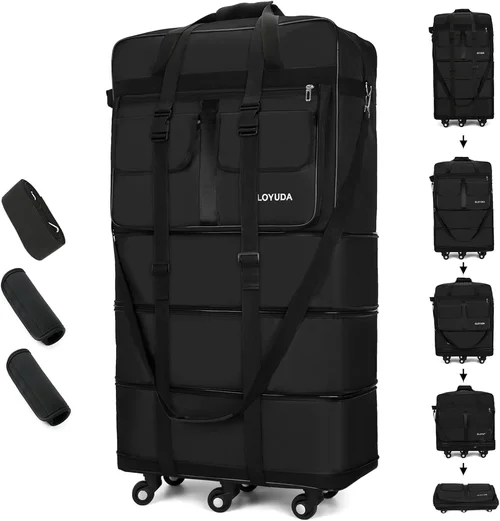
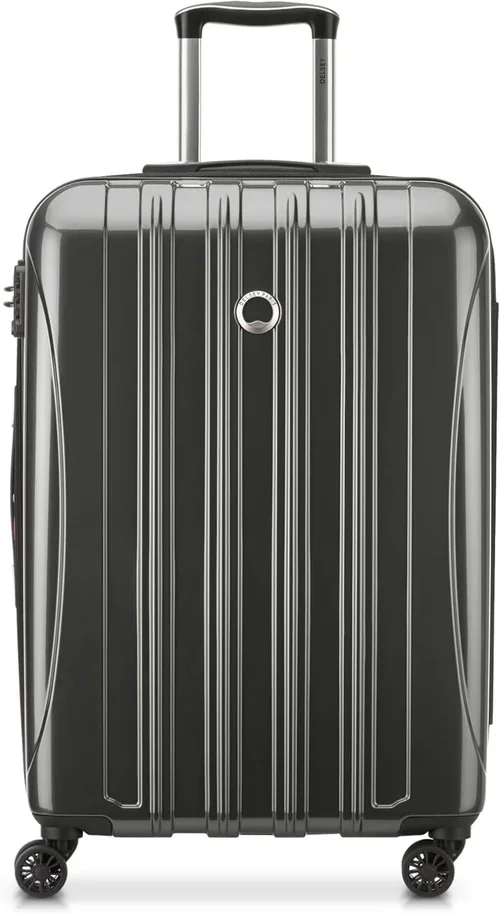
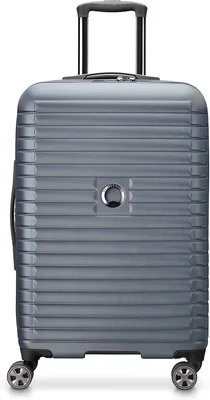
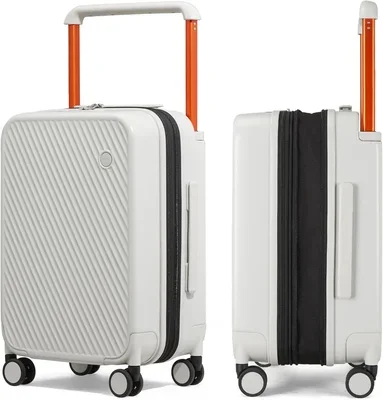
Choosing the right suitcase feels a lot like packing for a trip itself—you want everything to fit perfectly, nothing to break along the way, and the whole process to be as stress-free as possible. If you have been browsing the aisles or scrolling through online listings, you have almost certainly come across two heavy hitters in the hardside category: Disney and Arrow. Both brands dominate shelf space at major retailers, both promise durability and style, but they speak to very different travelers. One brings a sprinkle of magic and character-driven design; the other brings a utilitarian focus on expansion and value. This guide exists because the devil is in the details, and those details—wheel quality, shell material, warranty fine print, interior layout—determine whether your luggage becomes a trusted travel companion for a decade or a headache you replace after two trips.
Over the next several sections, we are going to peel back the marketing layers. We will look at the specific materials used in the shells, the engineering behind the spinner wheels, the reality of expandable zippers, and the often-overlooked importance of warranty service. You will learn how to decode specifications like “100% polycarbonate” versus “ABS blend,” why a double-spinner wheel matters more than you think on a cobblestone street, and how to spot the difference between a genuine value and a cheap imitation. Whether you are buying for a toddler’s first flight, a business traveler who lives in overhead bins, or a family of four checking bags for a week at a theme park, this breakdown will give you the confidence to pick the winner for your specific situation.
The market for hardside luggage has exploded in the last decade. Gone are the days when a hard shell meant heavy, brittle plastic that cracked if baggage handlers looked at it wrong. Modern injection-molded polymers have changed the game, allowing for shells that flex under pressure rather than shatter. Both Disney and Arrow have adapted to this technology, but they apply it differently. Disney leverages licensing power, partnering with manufacturers like American Tourister and Samsonite to wrap premium tech in Mickey, Marvel, or Princess artwork. Arrow, often found at warehouse clubs like Costco, focuses on the “smart buyer” segment—maximizing cubic inches, wheel count, and feature sets for a price that often undercuts big-name brands by 20 to 30 percent. Understanding this fundamental difference in brand philosophy is your first step toward a smarter purchase.

What to Look for When Buying Buying Guide
1. Shell Material and Construction
The shell is the skeleton of your luggage. It takes the impacts, stacks under other bags in the cargo hold, and protects your belongings from the elements. In the hardside world, you will primarily encounter three materials: Polycarbonate (PC), Acrylonitrile Butadiene Styrene (ABS), and blends of the two. Polycarbonate is the gold standard for a reason. It is incredibly impact-resistant, flexible enough to absorb a heavy hit by flexing rather than cracking, and it handles temperature extremes—from a freezing cargo hold to a baking tarmac—without becoming brittle. Disney’s higher-end lines, particularly those manufactured by Samsonite, often use 100% polycarbonate or a high-percentage PC blend. This is why they feel surprisingly light yet rigid.
ABS is cheaper to produce. It is rigid and hard, which sounds good, but it lacks the “memory” of polycarbonate. A sharp impact on an ABS corner often results in a permanent crack or dent. Arrow luggage frequently utilizes an ABS/Polycarbonate composite. This is a smart middle ground. The polycarbonate adds flexibility and crack resistance, while the ABS keeps the cost down and the structure stiff. For a checked bag that sees rough handling, a PC/ABS blend is often perfectly adequate. For a carry-on you stuff under the seat and yank out of overhead bins daily, 100% polycarbonate is worth the extra investment. Look for terms like “textured finish” or “diamond finish.” These are not just aesthetic; they hide the inevitable scratches and scuffs far better than a high-gloss smooth shell.
2. Wheel System: Spinners vs. Inlines and Bearing Quality
If the shell is the skeleton, the wheels are the legs. This is the single most common failure point on modern luggage. You will see “spinner wheels” advertised on almost everything now, but not all spinners are created equal. The critical differentiator is single-spinner versus double-spinner (often called “dual-wheel” or “twin-wheel”). Single-spinner wheels have one wheel per corner housing. They roll fine on smooth airport tile but tend to wobble, catch on cracks, and snap off entirely if you hit a curb wrong. Double-spinner wheels feature two wheels side-by-side on a single axle per corner. This distributes the load, tracks straighter over uneven pavement, and is significantly more durable.
Disney luggage, especially the American Tourister and Samsonite collaborations, almost exclusively uses double-spinner wheels on their current hardside lines. They are often recessed slightly into the body of the case, protecting the wheel housing from direct impact. Arrow luggage is a mixed bag. Their premium “Arrow 8-Wheel” or “Arrow Max” lines feature double spinners, but their entry-level models often use single spinners to hit a lower price point. Beyond the wheel count, check the bearing. A sealed ball bearing rolls silently and smoothly for years. A cheap plastic bushing or metal-on-metal axle will grind, squeak, and seize up after a few trips through sand or salt air. Spin the wheel in the store. It should rotate freely for several seconds with a faint hum, not a gritty grind.
3. Handle System: Telescoping Mechanism and Grip Ergonomics
The telescoping handle is your steering wheel. A poorly designed handle turns a 30-minute walk to the gate into a wrist workout. You want a handle that locks securely at multiple heights (usually three stops) so travelers of different heights can pull comfortably without stooping or raising their shoulder. The tube material matters: aircraft-grade aluminum is the standard for durability. It resists bending if you yank the bag up a flight of stairs. The grip material matters too. Look for a contoured, rubberized, or gel-infused grip. Hard plastic handles dig into your palm when the bag is heavy.
Disney handles tend to be a strong suit because they leverage the engineering of their manufacturing partners. You will often find the same handle mechanism on a Disney American Tourister case as you do on a non-branded Samsonite. They are smooth, the buttons are recessed (so they don’t get snapped off), and the tubes are sturdy. Arrow handles are functional but sometimes feel “tinny” on lower models. The locking buttons can be stiff or protrude too far. A specific pain point with some budget expandable luggage is handle wobble—side-to-side play in the tubes when fully extended. This doesn’t break the bag, but it makes steering annoying. Grab the handle at full extension and wiggle it. Minimal play is a sign of tight tolerances and better manufacturing.
4. Expandability: The Zipper Gusset Reality
“Expandable” is a magic word for packers. It promises an extra 1.5 to 2.5 inches of packing depth via a zippered gusset. Arrow builds its brand identity around this feature; almost their entire lineup is expandable. Disney offers expandability on many checked sizes but rarely on carry-ons, as expanding a carry-on risks making it non-compliant with airline size restrictions. Here is the reality: the zipper is the weak link. A cheap coil zipper on an expansion gusset will burst under the pressure of an overstuffed bag. You need a heavy-duty, reverse-coil (often called “self-healing”) zipper with large, easy-to-grip pulls.
When the bag is expanded, the structural integrity of the shell changes. The frame relies on the zipper to hold the shape. If you check an expanded bag, baggage handlers tossing it onto belts put massive shear force on that zipper. Arrow’s expansion zippers are generally robust on their mid-to-high tiers, often featuring a fabric bridge behind the zipper teeth for reinforcement. Disney’s expansion systems (where present) are similarly high quality. However, a pro traveler tip: use expansion for the return trip (souvenirs, dirty laundry) rather than the outbound journey. Pack the bag flat, zip it closed, and let the shell do its job protecting the contents. Only unzip the gusset when you physically cannot close the bag otherwise.
5. Interior Organization: Dividers, Straps, and Pockets
You stare at the outside of the bag for five minutes in the store. You live with the inside for the entire trip. A well-designed interior saves you from the “exploded suitcase” effect every time you open it. Look for a full-zip divider panel (not just a mesh pocket) on one half. This keeps your folded clothes separate from shoes, toiletries, or dirty laundry. Compression straps (ideally X-shaped or double straps with buckles, not just elastic loops) are essential for cinching down contents so they don’t shift during transit. Shifting weight breaks wheels and handles.
Disney interiors are often delightfully themed—Mickey print lining, character-shaped zipper pulls—but functionally excellent. They typically feature a full divider with a large zippered mesh pocket, sturdy compression straps with metal buckles, and often a dedicated wet pocket or shoe tunnel. Arrow interiors are utilitarian. You get the divider, the mesh pocket, and the straps, but the mesh is sometimes thinner, the straps are often simple elastic with plastic clips, and the lining fabric feels thinner. For a family trip where you need to separate kids’ clothes from adults’, or business travel where a suit must stay crisp, the Disney interior layout usually wins on thoughtful details like a suiter sleeve or a padded laptop pocket in the carry-on front panel (on hybrid models).
6. Weight and Airline Compliance
Every ounce of luggage weight is an ounce less you can pack before hitting the 50-lb checked limit or the strict carry-on weight limits of international carriers (often 7kg/15lbs or even 5kg/11lbs). Hardside luggage is inherently heavier than softside because the shell has structure. A standard 28-inch checked hardside typically weighs 9 to 12 lbs. A 21-inch carry-on hardside weighs 6 to 8 lbs. Disney’s polycarbonate carry-ons are impressively light, often around 6.5 lbs for a 21-inch spinner. Arrow’s expandable checked bags, being larger and using thicker ABS blends, can push 11 or 12 lbs empty.
This matters immensely if you pack heavy items (books, shoes, electronics). If your empty bag weighs 11 lbs, you only have 39 lbs for your stuff. If it weighs 7 lbs, you have 43 lbs. That is a meaningful difference. Also, measure the external dimensions yourself if possible. Manufacturers measure differently. Some include wheels and handles in the “21-inch” spec; others measure just the body. Airlines measure the total envelope. A bag sold as a “carry-on” that is actually 22.5 inches with wheels will get gate-checked on a full flight, costing you time and money. Disney carry-ons are generally very conservative on sizing to ensure compliance. Arrow bags sometimes maximize external dimensions to squeeze in extra volume, so verify the spec sheet against your most flown airline’s policy.
7. Warranty, Customer Service, and Repairability
This is the safety net you hope never to use but will be grateful for if you do. Luggage takes a beating. A cracked shell, a snapped wheel, a jammed handle—these are not “if” scenarios for frequent travelers, they are “when.” Disney luggage sold under the American Tourister or Samsonite umbrella carries the manufacturer’s warranty. Samsonite offers a 10-year limited warranty (sometimes lifetime on specific lines) backed by a global network of authorized repair centers. You can walk into a Samsonite store in London, Tokyo, or New York and get a wheel replaced. American Tourister typically offers a 10-year warranty as well. This is a massive value add.
Arrow luggage warranties vary by retailer. If purchased at Costco, you have Costco’s legendary return policy (effectively lifetime satisfaction guarantee) plus the manufacturer’s limited warranty (often 3 to 5 years). However, Arrow does not have the same global repair infrastructure. If a wheel breaks in Year 3, you might be mailing the bag to a central warehouse for repair, or worse, discovering the specific wheel housing is no longer manufactured. For a checked bag you replace every 5 years anyway, this is fine. For a carry-on you want to last a decade, the Disney/Samsonite/AT ecosystem offers superior long-term support. Register your product online immediately after purchase; it speeds up claims enormously.
8. Aesthetics, Personalization, and Theft Deterrence
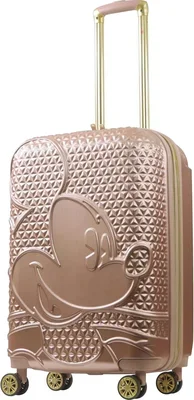
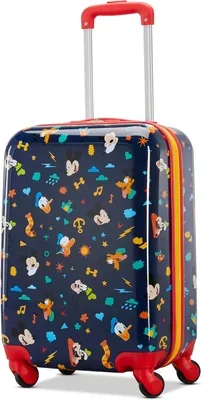
We cannot ignore the “Disney” factor. For many buyers, the design is the feature. A bright Mickey Mouse silhouette, a subtle Marvel logo, or a Princess castle print makes your bag instantly identifiable on a crowded carousel. This is a genuine security and convenience feature. You don’t need a neon luggage tag; the bag is the tag. It also deters theft—someone grabbing the wrong black bag is an honest mistake; someone walking off with a giant Hulk smash graphic is intentional and obvious. Disney offers this in spades.
Arrow luggage is almost exclusively solid colors: black, navy, silver, champagne, maybe a deep red or teal. They look professional, business-like, and understated. If you prefer anonymity or a “pro” look, Arrow wins. If you travel with kids, the Disney factor is a superpower. A child who can spot their own “Frozen” carry-on at the gate is a child who isn’t melting down. Also, consider personalization. A smooth, dark Arrow shell takes a monogram or sticker beautifully. A heavily textured, printed Disney shell does not. You can add a colorful luggage belt or tag to an Arrow bag to solve the identification problem cheaply.
Different Types of Buying Guide

Common Buying Mistakes to Avoid
❌ Mistake: Buying Based Solely on the Character Print
Why it’s bad: It is incredibly easy to fall in love with the Mandalorian or Minnie Mouse artwork and click “buy” without checking the specs. Many budget Disney luggage lines (often sold at discount retailers or Disney Store outlets) are manufactured by third-party licensees using thinner ABS shells, single-spinner wheels, and minimal warranties. They look identical in photos to the premium American Tourister versions but cost $50 less for a reason. You end up with a cracked corner on the first checked flight.
What to do instead: Always check the manufacturer label, not just the brand. Look for “American Tourister,” “Samsonite,” or “Disney Parks x Samsonite” on the tag or product description. These carry the engineering and warranty of the major luggage houses. If it just says “Disney” with a generic manufacturer name, treat it as a novelty item, not a travel tool.
❌ Mistake: Assuming “Expandable” Means “Free Extra Space”
Why it’s bad: Buyers see a 28-inch Arrow expandable suitcase and think, “Great, I get 20% more space for the same price!” They pack it expanded, zip it tight, and check it. The expanded gusset becomes the structural weak point. A heavy bag landing on a conveyor belt corner-first transfers all that force directly into the zipper teeth. The zipper bursts, the bag pops open, and clothes spill onto the tarmac. Also, an expanded bag often exceeds the 62 linear inches (L+W+H) limit for standard checked bags, triggering oversize fees of $100-$200.
What to do instead: Treat expansion as an emergency buffer for the return trip only. Pack the bag in its standard profile. Verify the expanded dimensions against your airline’s oversize policy before you rely on it. If you routinely need that much space, buy a physically larger standard bag (e.g., a 30-inch non-expandable) rather than relying on a zipper gusset.
❌ Mistake: Ignoring Carry-On Sizing Nuances
Why it’s bad: You buy a “carry-on approved” 21-inch spinner. You get to the gate on a basic economy fare. The sizer bin shows your bag doesn’t fit because the wheels add 1.5 inches, or the handle housing adds height. You are forced to gate-check ($35-$60) and your bag goes in the hold you tried to avoid. This happens constantly with bags that maximize external dimensions. Arrow carry-ons are notorious for pushing the absolute limit of the 22x14x9 standard. Disney carry-ons (Samsonite/AT made) are usually slightly smaller to guarantee fit.
What to do instead: Measure the bag yourself: wheels, handles, side bumpers, everything. Compare to your most restrictive airline (often international carriers or basic economy domestic). If you fly Spirit, Frontier, or European budget airlines, you need a bag that is physically smaller than the US standard, often 21x13x9 or less. Do not trust the marketing label “Carry-On” blindly.
❌ Mistake: Overlooking the “Set” Trap
Why it’s bad: Arrow 3-piece sets (20″, 24″, 28″) look like an incredible deal at $180. You get three bags for the price of one Disney carry-on. But the 20″ in that set often has single wheels, a thin shell, and a handle that wobbles. The 28″ is heavy empty. You end up using only the 24″ because the others are frustrating. You paid for three bags but only have one good one.
What to do instead: Buy pieces individually based on need. If you need a carry-on and a large checked bag, buy the best carry-on you can afford (Disney/AT) and the best value large checked bag (Arrow premium line). Mix and match. A matched set looks pretty in the closet but travels poorly if the components aren’t equally good.
❌ Mistake: Neglecting the “Personal Item” Strategy
Why it’s bad: Travelers obsess over the carry-on spinner but shove a flimsy tote bag under the seat as their “personal item.” That tote offers zero protection for a laptop, crushes easily, and has no organization. A quality underseater hardside or structured backpack transforms the travel experience. Arrow makes excellent, affordable underseater hardsides (often 16-17 inches) that pair perfectly with a larger checked bag. Disney rarely makes a dedicated underseater hardside.
What to do instead: Budget for a two-bag system: a checked spinner (Arrow value or Disney durability) + a structured underseater/hardside personal item (Arrow excels here). This protects electronics, gives you quick access to meds/docs/snacks, and balances the load so you aren’t dragging a 40lb carry-on down the jet bridge.
❌ Mistake: Skipping the “Shake Test” In-Store
Why it’s bad: Online shopping is convenient, but luggage is tactile. You cannot feel the wheel bearing smoothness, the handle tube wobble, the zipper glide, or the shell flex through a screen. A bag that looks great in photos might feel “tinny” and cheap in hand. This is especially true for Arrow, where model variations year-to-year can change component quality significantly.
What to do instead: If possible, visit a Costco, Target, or luggage store. Handle the actual floor model. Extend the handle fully. Shake the bag side-to-side. Spin each wheel. Open and close the main zipper and the expansion zipper. Sit it upright and push down on the handle—does the frame flex alarmingly? Your hands will tell you more in 60 seconds than 100 reviews.
❌ Mistake: Forgetting About TSA Locks and Security
Why it’s bad: Many buyers assume all hardside luggage comes with a built-in TSA-approved combination lock. It does not. Some entry-level Arrow models have only zipper pulls with a hole for a padlock (which you must buy separately). Some Disney models have a slide-lock latch that looks like a combination lock but is just a latch. Without a TSA lock, security agents will cut your lock or zipper pulls if they need to inspect the bag. You lose the lock and potentially damage the zipper.
What to do instead: Verify the specific locking mechanism in the specs. Look for “Integrated TSA Combination Lock” or “TSA007 Lock.” If the bag doesn’t have one built-in, buy a high-quality TSA cable lock (like Master Lock or Forge) at the same time and thread it through the zipper pulls immediately. Do not travel with unsecured zippers.
Budget Guidelines: How Much Should You Spend?
Luggage pricing follows a clear tier structure. Understanding what you get at each level prevents overspending on features you don’t need or underspending on durability you do.
Entry-Level ($50 – $100 per piece / $150 – $250 for sets)
What to expect: This is the domain of Arrow basics and third-party Disney licensees. Shells: ABS or thin PC/ABS blend. Wheels: Single spinners (often plastic bushings). Handles: Two-stage, thin aluminum tubes, plastic grips. Zippers: Standard coil, non-reverse. Warranty: 1-3 years limited, often no repair network. Interiors: Basic divider, thin mesh, elastic straps.
Who should buy: Infrequent travelers (1-2 trips/year), kids’ luggage (they outgrow it), backup bags, or situations where loss/theft risk is high (e.g., school trips). Do not expect these to survive weekly business travel or heavy checked abuse. The Arrow 20″ underseater or basic 24″ checked often live here. They are fine for what they are—disposable tools.
Mid-Range ($100 – $200 per piece / $250 – $400 for quality sets)
What to expect: This is the sweet spot for 80% of travelers. Shells: Quality PC/ABS blend or 100% Polycarbonate (Disney AT lines start here). Wheels: Double spinners with sealed bearings (Arrow “Max” / “8-Wheel” lines, Disney AT). Handles: Three-stage, aircraft aluminum, ergonomic grips. Zippers: YKK or equivalent reverse-coil, self-healing. Warranty: 10-year limited (Disney/AT) or 5-10 year (Arrow premium). Interiors: Full divider, compression straps, wet pockets, suiter clips.
Who should buy: Regular leisure travelers (3-6 trips/year), families checking 2-3 bags, business travelers on a budget. A Disney American Tourister 21″ carry-on ($130-$160) or an Arrow 28″ Expandable Double-Spinner ($110-$130) lives here. You get genuine durability, repairable components, and features that make packing a pleasure.
Premium ($200 – $350+ per piece)
What to expect: Top-tier materials and engineering. Shells: 100% Polycarbonate (often Makrolon or Covestro resin), advanced textures (diamond, brushed), ultra-lightweight (sub-6lb carry-ons, sub-9lb large checked). Wheels: Premium Hinomoto or equivalent Japanese silent-run double spinners, often removable/replaceable. Handles: Carbon fiber or reinforced aluminum, multi-stage, magnetic catch. Zippers: Water-resistant, anti-theft coil (puncture-proof). Warranty: Lifetime (Samsonite Disney collabs) or 10-year global with easy claims. Interiors: Modular compression systems, removable packing cubes, suiter systems, RFID pockets.
Who should buy: Frequent flyers (10+ trips/year), “buy it for life” buyers, travelers with expensive gear (camera, tech), those who value silence and smoothness. The Disney x Samsonite “Neopulse” or “S’Cure” licensed editions live here. Arrow does not really play in this tier; their brand maxes out at upper-mid-range.
Luxury ($400+ per piece)
What to expect: Bespoke materials (carbon fiber, titanium frames, leather accents), hand-stitched details, concierge warranty service (they come to you), extreme lightweight (4lb carry-ons). Brands: Rimowa, Tumi, Briggs & Riley, Horizn Studios. Disney and Arrow do not compete here. This is for the traveler for whom luggage is a status accessory and a tax-deductible business tool.
Expert Tips for Getting the Best Deal
Timing and venue matter as much as model selection. Luggage has distinct sales cycles and channel-specific pricing quirks.
- Buy in January/February (Post-Holiday Clearance): Retailers clear shelf space for new spring collections. This is the absolute best time for Disney luggage. American Tourister and Samsonite push out previous year’s character prints (which don’t “expire”) at 30-50% off. You get premium tech with last year’s graphic.
- Watch Costco “Roadshows” for Arrow: Arrow is a Costco staple, but they rotate specific models in “Roadshow” events (usually spring and fall). These events often feature exclusive 3- or 4-piece sets with upgraded wheels/handles not found on the regular shelf. The per-bag price drops to $50-$70 for double-spinner checked bags. Executive members get an extra 2% reward.
- Check “Scratch & Dent” / Open Box at Warehouse Clubs: Costco and Sam’s Club often have a luggage section with returned items. Since luggage is durable, a returned bag usually just has a scuffed box or a minor cosmetic mark. You can save 40-60% off the already low Arrow price. Inspect the wheels and handle carefully before buying.
- Use Price Tracking Tools (CamelCamelCamel, Honey, Keepa): Disney luggage on Amazon fluctuates wildly based on character popularity. A Frozen bag spikes in November; a Star Wars bag spikes in May (May the 4th). Set alerts for your target model. You can often snag a $180 carry-on for $110 if you wait 4-6 weeks.
- Leverage Credit Card Purchase Protection: Many premium cards (Chase Sapphire, Amex Platinum, Citi Prestige) offer “Purchase Protection” covering damage/theft for 90-120 days, and “Extended Warranty” adding 1-2 years to the manufacturer warranty. Pay with the right card; it’s free insurance on your Arrow or Disney bag.
- Register the Warranty Immediately: Do not throw away the hang tag. Take a photo of the serial number (usually inside the zipper pocket or on the frame) and register on the manufacturer site (Samsonite.com, AmericanTourister.com, ArrowLuggage.com) the day you receive it. This activates the warranty, speeds claims, and often unlocks “luggage tracker” services or discount codes for future purchases.
- Test the Fit Before You Pack: When the box arrives, open it. Put the bag on a scale. Weigh it empty. Measure the exterior dimensions (L+W+H including wheels/handles) with a tape measure. Compare to your airline’s limits. If it’s over, return it immediately. Do not discover this at the airport.
- Buy a Luggage Scale: A $10 digital luggage scale saves you $50-$100 in overweight fees per trip. Keep it in the bag’s exterior pocket. Weigh before you leave for the airport. This is the single highest ROI travel accessory.

Frequently Asked Questions
Q: Is Disney luggage actually made by Disney?
A: No. Disney is a licensor. They contract major luggage manufacturers—primarily Samsonite (which owns American Tourister) and occasionally smaller firms—to produce the bags. The engineering, materials, warranty, and quality control come from the manufacturer. A “Disney” bag made by Samsonite is a Samsonite bag with a Disney license. A “Disney” bag made by an unknown factory is a generic bag with a Disney sticker. Always check the manufacturer tag.
Q: Are Arrow suitcases good quality for the price?
A: Yes, specifically their mid-range and premium lines (look for “Double Spinner,” “8 Wheel,” “Max,” “Titanium” in the name). They use decent PC/ABS shells, functional double wheels, and TSA locks. They punch above their weight class. Their entry-level single-spinner models are disposable budget items. Avoid those if you travel more than once a year.
Q: Can I check a Disney carry-on if the overhead bins are full?
A: Yes, but remove valuables (electronics, meds, keys, wallet) first. Disney/AT carry-ons are durable enough for the hold, but they are not designed for the same crushing forces as a large checked bag. The shell is thinner. Gate-checking occasionally is fine; doing it every trip will shorten the bag’s life significantly.
Q: Do Arrow luggage wheels come off for replacement?
A: On most current Arrow double-spinner models, the wheel assembly (the whole housing) is riveted or screwed to the shell. The individual wheels inside the housing are often not user-replaceable without tools. However, the whole housing can be replaced by a repair shop or handy user with a rivet gun. Single-spinner wheels on cheap models are usually pressed in and not replaceable. Disney/AT/Samsonite wheels are often designed as modular cassettes that snap out with a screwdriver or button release—much easier.
Q: Which brand is lighter: Disney or Arrow?
A: Generally, Disney (Samsonite/AT) carry-ons are lighter due to 100% polycarbonate construction. A 21″ Disney spinner is often 6.2 – 6.8 lbs. A comparable Arrow 20″ or 21″ is often 7.0 – 7.5 lbs due to thicker ABS blend. For large checked bags (28″), the weights converge around 10-11 lbs because both need structural thickness. If carry-on weight is critical (international travel), Disney wins.
Q: Are the character prints on Disney luggage durable? Do they peel?
A: On Samsonite/AT manufactured bags, the graphics are typically applied via In-Mold Decoration (IMD) or high-quality sublimation under a clear coat, or printed on the polycarbonate before the texture is applied. They do not peel, fade, or scratch off easily. On cheaper licensee bags, they may be a surface decal or low-quality print that scratches white. Stick with the major manufacturer partners.
Q: What is the best way to clean hardside luggage?
A: Do not use harsh chemicals (bleach, acetone, ammonia) or abrasive pads (Magic Erasers on textured finishes). They strip the clear coat or texture. Use warm water, mild dish soap (Dawn), and a soft microfiber cloth. For scuff marks from conveyor belts, a small amount of rubbing alcohol on a cloth works, then wipe with water. Dry thoroughly. Clean the wheel bearings annually with compressed air and a drop of silicone lubricant (not WD-40).
Q: Can I stack a carry-on on top of a checked spinner (piggyback)?
A: Yes, if both have flat, stable top handles and the checked bag has a sturdy “add-a-bag” strap or you use a luggage strap. Disney carry-ons have a flat top handle designed for this. Arrow checked bags usually have a strap on the back panel. It works well for navigating airports solo. Just ensure the combined center of gravity stays low so it doesn’t tip when you turn.
Q: Does Arrow luggage have a lifetime warranty like Briggs & Riley?
A: No. Arrow offers a “Limited Lifetime Warranty” on some premium models, but read the fine print. It typically covers manufacturing defects in materials/workmanship for the “life of the product” (defined by them, often 5-10 years), not “your life.” It excludes airline damage, wear and tear, zippers, and wheels on some tiers. Costco’s return policy is your real lifetime warranty if you buy there. Disney/AT/Samsonite warranties are more transparent and backed by a global repair network.
Q: Which is better for a family of four going to Disney World?
A: This is the classic use case. Strategy A (The Magic Match): Buy 4 Disney American Tourister carry-ons (one per person, different characters). Kids manage their own bag. Easy identification. Fits in minivan/rental car trunk. No checked bag fees. Cost: ~$500-$600. Strategy B (The Value Haul): Buy 1 Arrow 3-piece checked set ($180) + 1 Arrow underseater ($70) + 1 Disney carry-on for the parent ($150). Check the big bags. Carry the essentials. Cost: ~$400. Strategy A is less hassle (no baggage claim). Strategy B holds more stuff (strollers, souvenirs, bulkier clothes). Choose based on your packing style.
Our Final Recommendations
Best for Budget-Conscious Buyers: Arrow 3-Piece Expandable Hardside Set (Costco Exclusive)
If your primary metric is “maximum functional luggage for minimum dollars,” this is the undisputed king. You typically get a 20″, 24″, and 28″ spinner for $180-$220. The 24″ and 28″ usually feature double-spinner wheels, TSA locks, and expandability. The 20″ is a decent personal item/underseater or kid’s carry-on. The shells are PC/ABS, the zippers are YKK-equivalent. You sacrifice premium wheel silence, ultra-light weight, and global repair network, but for a family taking one big vacation a year, this set will last 5-7 years easily. It is the pragmatic choice.
Best Overall Value: Disney / American Tourister 21″ Hardside Spinner (Carry-On)
This single bag hits the perfect intersection of quality, weight, warranty, and joy. At ~$140-$170 (often on sale), you get 100% polycarbonate, silent Hinomoto-style double spinners, a buttery-smooth handle, a 10-year global warranty, and a design that makes you smile. It fits every major airline sizer. It weighs ~6.5 lbs. The interior organization is thoughtful. It is a “buy once, cry once” purchase that serves a solo traveler or a couple sharing a checked bag perfectly. Pair it with a cheap Arrow 28″ checked bag for the hold.
Best Premium Option: Disney x Samsonite Neopulse / Lite-Shock Licensed Editions
If budget is not the constraint and you want the absolute best hardside technology wrapped in Disney IP, look for the Samsonite collaborations. These use Samsonite’s Curv® technology (woven polypropylene) or high-end Makrolon polycarbonate. They are insanely light (4.5 – 5.5 lbs for a carry-on), virtually indestructible, have the best wheels on the market, and carry a 10-year to Lifetime global warranty. They cost $300-$500. You are paying for Samsonite engineering with a Disney soul. Worth it for the road warrior who wants a piece of magic.
Best for Beginners / Infrequent Travelers: Arrow 24″ or 28″ Expandable Double Spinner (Single Purchase)
Don’t buy a set if you don’t need three bags. Walk into Costco or go to Arrow’s site and buy one large checked bag (24″ for 3-5 day trips, 28″ for 7+ days). Spend $80-$110. Get the double-spinner version. Use your existing backpack or duffel as a carry-on. This gets you into a quality hardside checked bag with expandability, a TSA lock, and decent wheels for the lowest possible commitment. It teaches you what you value (weight? silence? organization?) before you invest in a carry-on.
Best for Advanced Users / Frequent Flyers: Mix-and-Match System
The pro move: Carry-On: Disney/AT 21″ Polycarbonate (or Samsonite Freeform/Proxis if you want non-Disney). Checked: Arrow 28″ Double-Spinner Expandable (for volume/value) OR a second Disney/AT checked if you want matching warranty/repairability. Personal Item: Arrow Underseater Hardside 17″ (protects laptop, fits under seat, ~$70) OR a high-end backpack (Peak Design, Tom Bihn, Osprey). This system optimizes every slot: premium carry-on for the cabin (where you touch it most), value checked for the hold (where volume matters), structured personal item for access. Total cost: ~$400-$550. Total capability: Professional grade.
Conclusion: Making the Right Choice
We have walked through the materials, the wheels, the zippers, the warranties, and the wallet impact. The choice between Disney and Arrow ultimately comes down to a single question: What does “value” mean to you? If value means the lowest upfront cost to get a family of four onto a plane with matching, functional, expandable hardside luggage that will survive a handful of trips—Arrow is your answer. Their warehouse-club efficiency delivers cubic inches and wheel counts that big brands struggle to match at the price. You are buying smart, utilitarian gear.
If value means cost-per-trip over a decade, the confidence of a global repair network, the lightest possible weight to maximize your packing allowance, wheels that glide silently over European cobblestones, and a design that sparks joy (or at least makes your bag instantly findable)—Disney, specifically the American Tourister and Samsonite manufactured lines, is your answer. You are buying engineered travel equipment that happens to feature Mickey.
There is no loser here. There is only the right tool for your specific journey. My final encouragement: do not overthink the “perfect” bag. Buy the best carry-on you can afford (prioritize wheels, weight, warranty)—that is the bag you touch every single trip. Buy the checked bag that fits your volume needs and budget—Arrow is fantastic here. Add a structured personal item. Register the warranties. Pack light. Travel happy. The world is waiting, and now you have the right gear to meet it.