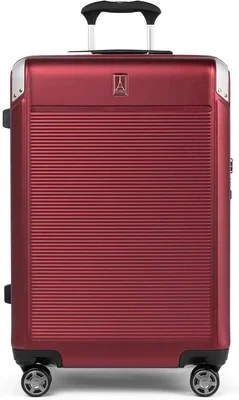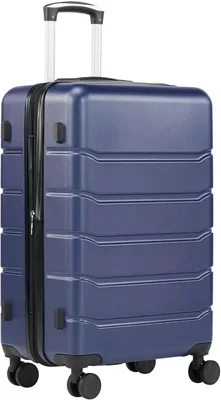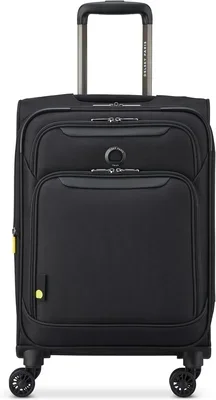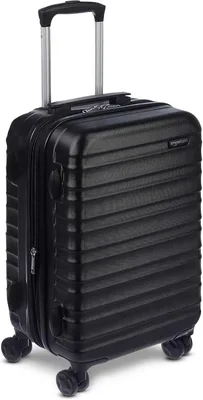
Choosing the right expandable lightweight luggage can feel like navigating a maze of specifications, brand promises, and price tags. Whether you are a frequent flyer who values every ounce of weight savings or a weekend traveler who needs a little extra room for souvenirs, the right suitcase makes the journey smoother and less stressful. This guide exists to cut through the noise, giving you a clear, step‑by‑step framework so you can confidently pick a bag that matches your travel style, budget, and durability expectations.
In the following sections you will learn the most important factors to evaluate, the different categories of expandable lightweight luggage on the market, common pitfalls that trap unwary shoppers, and a realistic budget breakdown. We also share expert timing tips, answer the questions travelers ask most often, and finish with concrete recommendations for every type of buyer. By the end, you will have a personalized checklist that turns a potentially overwhelming purchase into a straightforward decision.
The market for expandable lightweight luggage has exploded in recent years, driven by airline weight restrictions, the rise of carry‑only travel, and advances in materials like high‑tenacity nylon, polycarbonate blends, and reinforced aluminum frames. Brands range from heritage names with decades of luggage heritage to direct‑to‑consumer startups that prioritize value. Understanding where each player sits on the spectrum of price, performance, and warranty will help you avoid overpaying for features you don’t need or, conversely, buying a bargain that fails after a single trip.

What to Look for When Buying Buying Guide
1. Weight and Carry‑On Compliance
Weight is the single most critical metric for expandable lightweight luggage. Airlines typically enforce a 7‑10 kg (15‑22 lb) limit for carry‑on bags, and every gram counts when you are trying to maximize packing capacity. Look for a suitcase that weighs under 2.5 kg (5.5 lb) for a 21‑inch carry‑on and under 3 kg (6.6 lb) for a 25‑inch checked model. Verify the external dimensions (including wheels and handles) against the specific airline’s sizing chart; a bag that expands beyond the allowed envelope can force you to check it at the gate, incurring fees and delays.
2. Expandability Mechanism and Volume Gain
Expandable luggage typically uses a zippered gusset that adds 15‑25 % more packing volume. The quality of that zipper matters: YKK or equivalent branded zippers with double‑coil teeth resist snagging and maintain water resistance. Check how many expansion stages the bag offers—some have a single “full‑open” zip, while others provide a half‑expansion setting for modest extra space without compromising structure. Also note whether the expansion adds height, width, or depth; depth expansion is usually the most airline‑friendly because it keeps the bag’s footprint within overhead‑bin limits.
3. Material Durability and Weather Resistance
Lightweight does not have to mean fragile. High‑denier ballistic nylon (1680D or higher) offers excellent abrasion resistance while staying light. Polycarbonate shells, especially those with a honeycomb or ribbed interior, provide impact protection with minimal weight. For soft‑side bags, look for a water‑repellent coating (DWR) and sealed seams. Hard‑side models should feature a scratch‑resistant finish and reinforced corners. A good rule of thumb: if the material feels paper‑thin, it likely won’t survive baggage‑handler tosses.
4. Wheel System and Maneuverability
Four‑wheel spinner systems are the gold standard for effortless navigation through terminals. Seek wheels with sealed ball bearings, a wide stance, and a low‑profile design that reduces wobble. Test the roll on both carpet and hard floor; a quality spinner should glide straight without veering. Two‑wheel “roller” bags can be lighter but demand more effort on uneven surfaces. If you frequently traverse cobblestones or gravel, consider larger diameter wheels (70 mm+) with a softer polyurethane tread.
5. Handle Ergonomics and Telescoping Mechanism
The telescopic handle should lock securely at multiple heights (typically three) and retract smoothly without binding. An ergonomic grip—contoured, padded, or wrapped in a non‑slip material—reduces hand fatigue on long walks. Check that the handle tube is made from aircraft‑grade aluminum or reinforced fiberglass; plastic tubes can bend under load. A top‑carry handle and a side‑carry handle are essential for lifting the bag into overhead bins or car trunks.
6. Interior Organization and Compression Features
Smart interior layouts save time and keep clothes wrinkle‑free. Look for a full‑length divider with a zippered mesh pocket, compression straps that cinch down contents, and a dedicated laptop or tablet sleeve if you travel with electronics. Some premium models include removable packing cubes, a wet/dry compartment, or a built‑in garment folder. The more modular the interior, the easier it is to adapt the bag to business trips, family vacations, or adventure travel.
7. Security Features: Locks, Zippers, and Frame Integrity
TSA‑approved combination locks are standard on most mid‑range and premium bags. Ensure the lock is integrated into the zipper pulls rather than a separate padlock that can be lost. Double‑coil zippers with lockable sliders add a layer of tamper resistance. For hard‑side luggage, a reinforced frame (often aluminum or high‑strength polymer) prevents the shell from flexing open under pressure. If you travel to regions with higher theft risk, consider a bag with a built‑in cable lock that can secure the bag to a fixed object.
8. Warranty, Repair Network, and Brand Reputation
A solid warranty signals confidence in build quality. Look for a minimum of 5 years on the frame and wheels, and a lifetime warranty on the shell for premium brands. Equally important is the ease of filing a claim: does the company have authorized repair centers in major cities, or do you have to ship the bag overseas? Read recent customer reviews focusing on post‑purchase support—brands that honor warranties quickly earn repeat buyers.
Different Types of Buying Guide

Common Buying Mistakes to Avoid
❌ Mistake: Ignoring Airline Size Restrictions
Why it’s bad: A bag that expands beyond the carrier’s maximum dimensions forces you to check it at the gate, often with a hefty fee. Even if the bag fits when collapsed, the expanded profile may exceed the limit.
What to do instead: Measure the fully expanded dimensions before purchase and compare them to the most restrictive airline you fly. Choose a model whose expanded depth stays within the allowed envelope.
❌ Mistake: Prioritizing Price Over Wheel Quality
Why it’s bad: Cheap wheels crack, wobble, or seize after a few trips, turning a smooth glide into a frustrating drag. Replacement wheels are often proprietary and expensive.
What to do instead: Test the spinner in‑store on multiple surfaces. Look for sealed ball bearings, a wide wheelbase, and a warranty that covers wheel replacement.
❌ Mistake: Overlooking the Weight of the Empty Bag
Why it’s bad: A “lightweight” label can be misleading if the bag weighs 3 kg empty; you lose precious payload allowance for clothes and gear.
What to do instead: Verify the manufacturer’s stated weight with independent reviews. Aim for the lightest bag that still meets your durability needs.
❌ Mistake: Skipping the Warranty Fine Print
Why it’s bad: Some warranties cover only manufacturing defects, not damage from airline handling. Others require you to ship the bag to a distant service center at your own cost.
What to do instead: Read the warranty terms before buying. Prefer brands with a global repair network and a “no‑questions‑asked” policy for the first few years.
❌ Mistake: Buying a Single Size for All Trips
Why it’s bad: A 28‑inch checked bag is overkill for a weekend getaway, while a 20‑inch carry‑on cannot hold a week’s wardrobe.
What to do instead: Build a two‑piece system: a compliant carry‑on and a medium checked expandable. This covers 90 % of travel scenarios without excess bulk.
❌ Mistake: Assuming All Expandable Zippers Are Equal
Why it’s bad: Low‑quality zippers snag, separate, or fail to seal out moisture, negating the benefit of expansion.
What to do instead: Choose bags with branded YKK or SBS zippers, double‑coil construction, and a protective zipper garage.
❌ Mistake: Neglecting Interior Organization
Why it’s bad: A cavernous interior without dividers leads to wrinkled clothes, lost chargers, and wasted time repacking.
What to do instead: Look for a full‑length divider, compression straps, and at least one zippered mesh pocket. Removable packing cubes are a bonus.
Budget Guidelines: How Much Should You Spend?
Entry‑Level ($80 – $150)
At this tier you’ll find basic soft‑side carry‑ons with a single expansion zipper, two‑wheel rollers, and a 1‑year limited warranty. Materials are typically 600D polyester, which is adequate for occasional leisure travel but may show wear after a few checked‑bag cycles. Expect minimal interior organization—usually just a single divider and a mesh pocket. These bags are fine for a few trips per year if you handle them gently.
Mid‑Range ($150 – $300)
This is the sweet spot for most travelers. You get four‑wheel spinners, YKK expansion zippers, ballistic nylon or polycarbonate shells, and a 5‑year warranty covering wheels and handles. Interior layouts include compression straps, a padded laptop sleeve, and often a removable toiletry kit. Brands in this range usually have service centers in major airports, making repairs convenient.
Premium ($300 – $500)
Premium models add features like a reinforced aluminum frame, self‑healing zippers, integrated TSA locks with a fingerprint option, and a lifetime warranty on the shell. Weight savings are maximized through advanced composites (e.g., Tegris, Curv). You’ll also find modular interiors with custom packing cubes, a dedicated garment folder, and sometimes a built‑in USB power bank (removable for airline compliance).
Luxury ($500+)
Luxury luggage leans on heritage craftsmanship, hand‑stitched leather accents, and bespoke customization (monograms, color combos). The materials—full‑grain leather, titanium frames, carbon‑fiber shells—are chosen for prestige as much as performance. Warranty is typically “lifetime, no questions asked,” with white‑glove repair service that picks up and returns the bag. These are investment pieces for travelers who view luggage as a statement.
Expert Tips for Getting the Best Deal
- Buy off‑season: Major retailers discount luggage heavily in January (post‑holiday) and September (back‑to‑school). You can often snag a premium bag at mid‑range pricing.
- Sign up for brand newsletters: Many direct‑to‑consumer brands offer a 10‑15 % first‑order coupon and early access to flash sales.
- Check authorized outlet stores: Outlet locations carry last‑season colors with full warranties. Inspect for cosmetic blemishes only.
- Use price‑tracking tools: Browser extensions like Honey or CamelCamelCamel alert you when a specific model drops below your target price.
- Leverage credit‑card travel perks: Some premium cards provide statement credits for luggage purchases or complimentary baggage‑insurance that extends the manufacturer’s warranty.
- Test in‑store before ordering online: Even if you plan to buy online for a better price, visit a physical store to feel the handle, roll the wheels, and test the expansion zipper.
- Read the return policy: A 30‑day no‑questions‑asked return window lets you live with the bag on a real trip before committing.
- Consider refurbished or “open‑box” units: Manufacturer‑refurbished bags often carry the same warranty as new and can be 20‑30 % cheaper.

Frequently Asked Questions
Q: How much extra volume does an expandable suitcase really add?
A: Most expandable bags add 15‑25 % more packing space, which translates to roughly 2‑4 liters for a carry‑on and 5‑8 liters for a medium checked bag. The exact gain depends on the gusset depth and whether the expansion is full‑circumference or limited to one side.
Q: Can I use an expandable carry‑on on a budget airline with strict size limits?
A: Yes, but you must keep the bag in its non‑expanded state. Measure the collapsed dimensions (including wheels and handles) against the airline’s published limits. Some budget carriers enforce a total linear dimension (length + width + height) that includes the expansion zipper bulge, so verify before you fly.
Q: Are hard‑side expandable bags heavier than soft‑side ones?
A: Not necessarily. Modern polycarbonate blends can be lighter than high‑denier nylon with a frame. However, hard‑side shells add rigidity, which can increase weight by 0.2‑0.5 kg compared to a comparable soft‑side model. Always compare the manufacturer’s listed weight.
Q: What is the best way to clean expandable luggage?
A: For soft‑side bags, spot‑clean with a mild detergent and a damp cloth; avoid submerging. For hard‑side shells, wipe with a microfiber cloth and a 70 % isopropyl alcohol solution to disinfect. Lubricate zipper teeth annually with a silicone‑based zipper lubricant to keep expansion smooth.
Q: Do expandable bags weaken the frame over time?
A: Repeated expansion and compression can stress the gusset stitching and the frame’s corner brackets. High‑quality bags reinforce these points with bar‑tacked seams and metal corner guards. If you expand the bag on every trip, inspect the seams every six months for fraying.
Q: Is a built‑in USB charger worth the extra cost?
A: Only if you frequently need to top up a phone or tablet while waiting at the gate. Remember that the power bank must be removable to comply with airline regulations on lithium batteries in checked luggage. Many travelers find a separate portable charger more versatile.
Q: How do I know if a warranty covers airline damage?
A: Read the warranty exclusions. Most standard warranties cover manufacturing defects, not “consequential damage” from handling. Some premium brands offer an optional “travel protection plan” that adds coverage for airline mishandling for a small fee.
Q: Can I replace the wheels myself?
A: On many mid‑range and premium models, wheels are secured with a single screw or a quick‑release axle, making DIY replacement feasible. Check the manufacturer’s website for part numbers and instructional videos. Budget bags often have riveted wheels that cannot be swapped without tools.
Q: What’s the difference between a spinner and a roller for expandable luggage?
A: Spinners have four 360‑degree wheels, allowing you to push the bag upright beside you. Rollers have two fixed wheels and require tilting. Spinners are easier on flat terminals; rollers can be more stable on rough pavement and are sometimes lighter.
Q: Should I buy a matching luggage set or individual pieces?
A: Sets ensure aesthetic consistency and often cost less per piece, but you may end up with sizes you rarely use. Buying individually lets you tailor each bag to a specific trip type (e.g., a 21‑inch carry‑on plus a 27‑inch checked). Mix‑and‑match from the same brand still gives you compatible handles and wheel profiles.
Our Final Recommendations
- Best for Budget‑Conscious Buyers: Travelpro Maxlite 5 Expandable Carry‑On – weighs 2.3 kg, 15 % expansion, 5‑year warranty, under $130.
- Best Overall Value: Samsonite Freeform Hardside Expandable Spinner – polycarbonate shell, double‑coil YKK zippers, 10‑year limited warranty, around $220.
- Best Premium Option: Briggs & Riley Baseline Domestic Expandable – ballistic nylon, lifetime “no‑questions‑asked” warranty, CX expansion system, $450‑$500.
- Best for Beginners: Amazon Basics 21‑Inch Expandable Spinner – simple design, 4‑wheel spinner, 1‑year warranty, under $100; great for first‑time travelers.
- Best for Advanced Users: Rimowa Essential Cabin Plus – aluminum‑magnesium alloy, integrated TSA lock, modular interior, 5‑year warranty, $600+; built for heavy, frequent use.
Conclusion: Making the Right Choice
Selecting expandable lightweight luggage is ultimately about matching the bag’s capabilities to your travel rhythm. Start by defining the non‑negotiables: maximum weight you’re willing to carry, the typical length of your trips, and the airline restrictions you face most often. From there, prioritize a durable wheel system, a reliable expansion zipper, and a warranty that gives you peace of mind. Use the budget tiers as a reality check—spending a little more upfront often saves you from replacement costs and travel headaches down the road.
Remember that the perfect suitcase is the one you hardly notice while you’re on the move. It rolls silently, expands effortlessly when you need that extra outfit, and survives the inevitable bumps of baggage handling without a scratch. Armed with the checklist, comparison table, and expert tips in this guide, you can walk into any store or click “buy” online with confidence.
Now it’s your turn: measure your most‑used airline’s carry‑on limits, list the features you can’t live without, and pick the tier that fits your budget. Your next journey deserves luggage that works as hard as you do. Happy travels!