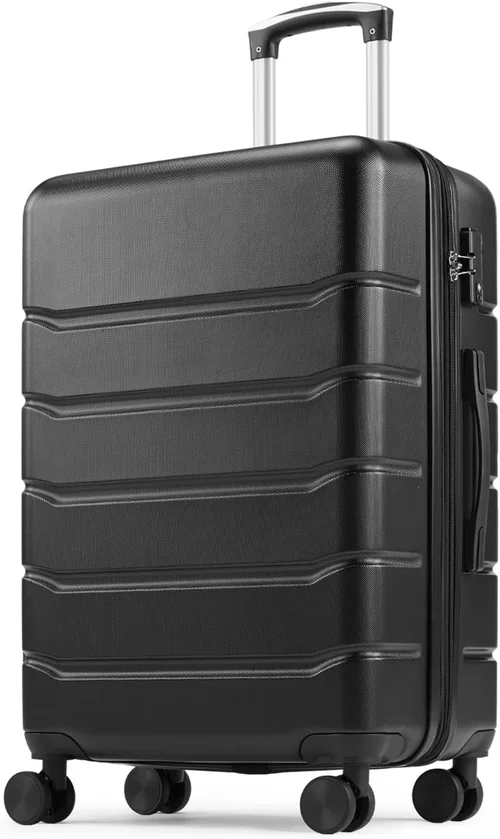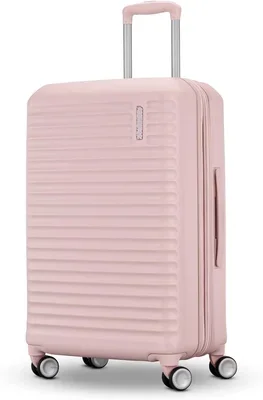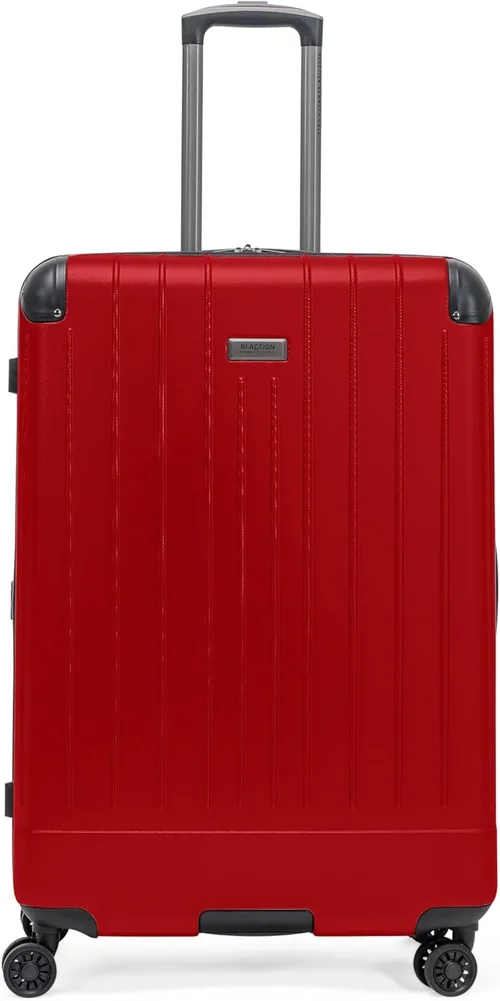
Choosing the right expandable lightweight spinner luggage can feel like navigating a maze of specifications, brands, and price points. Whether you are a frequent flyer, a weekend road‑tripper, or someone who simply wants a reliable bag for occasional travel, the right suitcase makes every journey smoother. This guide breaks down the essential factors, compares the main categories, highlights common pitfalls, and gives you a clear budget roadmap so you can buy with confidence.
In the next sections you will learn how to evaluate size, weight, durability, wheel quality, handle ergonomics, expansion mechanisms, security features, and warranty coverage. We’ll also translate technical jargon — such as “polycarbonate shell,” “dual‑wheel spinner,” and “TSA‑approved lock” — into plain language. By the end, you’ll know exactly what to prioritize for your travel style and budget.

What to Look for When Buying Buying Guide
1. Size and Capacity
Size determines whether the bag fits in an overhead bin or must be checked. Carry‑on models typically measure 21‑22 inches tall and meet most airline limits, while checked sizes range from 24 to 30 inches. Look for the interior volume listed in liters; a 21‑inch spinner usually offers 35‑40 L, enough for a 3‑day trip. If you often pack bulkier items, choose a model with a generous expansion zipper that adds 15‑25 % extra space.
2. Weight
Weight directly impacts how much you can pack before hitting airline limits. Lightweight spinners often weigh 5‑7 lb (2.3‑3.2 kg) for a carry‑on and 7‑9 lb for a checked bag. Materials like high‑grade polycarbonate or ballistic nylon keep weight down without sacrificing strength. Remember, every pound saved is a pound you can fill with clothes or souvenirs.
3. Shell Material and Durability
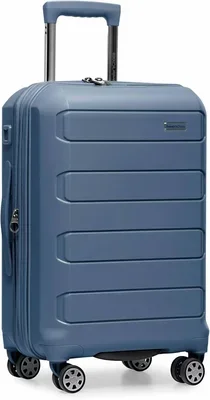
Hard‑shell cases use polycarbonate, ABS, or a blend. Polycarbonate is the gold standard — it flexes on impact and resists cracking. Soft‑shell bags rely on ballistic nylon or high‑denier polyester, which resist abrasion and tears. Check the denier rating (e.g., 1680D) for soft shells; higher numbers mean tighter weave and better durability. Reinforced corners and double‑stitched seams add extra life.
4. Wheel System
Spinner wheels rotate 360°, letting you glide the bag beside you. Dual‑wheel (twin) spinners distribute load better and are more stable on uneven surfaces than single wheels. Look for wheels made from polyurethane or high‑grade rubber; they roll quietly and withstand rough pavement. Sealed ball bearings reduce maintenance and keep the spin smooth for years.
5. Handle Ergonomics
A telescoping handle should lock at multiple heights (usually three) and feel solid when extended. Aluminum or reinforced steel tubes resist bending. The grip should be contoured, with a soft‑touch coating to reduce hand fatigue during long walks through terminals. Test the handle’s “wiggle” — minimal play indicates a well‑engineered mechanism.
6. Expansion Mechanism
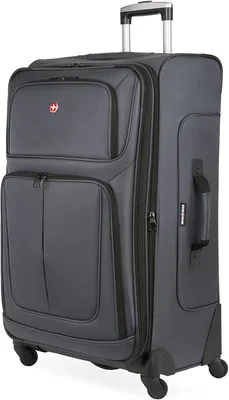
Expandable luggage uses a secondary zipper that opens a gusseted panel, adding depth. Quality expansions have a reinforced zipper track and a fabric guard to prevent snagging. When fully expanded, the bag should still close securely and maintain its shape. Some models include a compression strap inside to keep contents from shifting when the bag is compressed back down.
7. Security Features
TSA‑approved combination locks let security agents open the bag without cutting the lock. Integrated lock housings are more secure than aftermarket padlocks. Some premium lines add a hidden zipper pocket for valuables and a lockable laptop compartment. If you travel internationally, a lock that meets both TSA and European standards is a smart investment.
8. Warranty and Customer Support
A strong warranty signals manufacturer confidence. Look for at least a 5‑year limited warranty covering wheels, handles, and zippers. Brands with global service centers (e.g., Samsonite, Travelpro, Briggs & Riley) make repairs or replacements easier when you’re abroad. Read the fine print — some warranties exclude airline damage, so a separate travel insurance policy may still be wise.
Different Types of Buying Guide

Common Buying Mistakes to Avoid
❌ Mistake: Ignoring Airline Size Restrictions
Why it’s bad: A bag that looks perfect in the store may exceed the carrier’s linear‑inch limit, forcing you to check it and pay fees.
What to do instead: Measure the bag’s height, width, and depth (including wheels and handles) and compare to the most restrictive airline you fly. Keep a printed copy of the dimensions in your travel folder.
❌ Mistake: Choosing the Lightest Model Without Checking Wheel Quality
Why it’s bad: Ultra‑light frames sometimes use cheap single wheels that wobble, crack, or seize after a few trips.
What to do instead: Prioritize dual‑wheel spinners with sealed bearings. A slightly heavier bag with robust wheels will outlast a featherweight model with fragile rollers.
❌ Mistake: Overlooking Expansion Zipper Durability
Why it’s bad: A flimsy expansion zipper can snag, break, or fail to close, leaving you with a gaping suitcase.
What to do instead: Test the expansion zipper in person — open and close it several times. Look for a reinforced zipper tape and a fabric guard that prevents the teeth from catching on the liner.
❌ Mistake: Skipping Warranty Details
Why it’s bad: Some brands advertise “lifetime warranty” but only cover manufacturing defects, not airline damage or wear.
What to do instead: Read the warranty PDF before buying. Note the claim process, required receipts, and whether you must ship the bag to a service center at your own cost.
❌ Mistake: Buying Based Solely on Brand Name
Why it’s bad: Established brands sometimes coast on reputation while newer companies innovate with better materials at lower prices.
What to do instead: Compare specs side‑by‑side. A lesser‑known brand with polycarbonate shell, dual wheels, and a 10‑year warranty may outperform a famous label with ABS plastic and a 2‑year warranty.
❌ Mistake: Forgetting Interior Organization
Why it’s bad: A spacious bag without dividers, compression straps, or a dedicated laptop sleeve leads to wrinkled clothes and tangled cords.
What to do instead: Look for a mesh divider, tie‑down straps, and at least one zippered pocket. If you carry tech, a padded laptop compartment that fits a 15‑inch device is a must.
Budget Guidelines: How Much Should You Spend?
Entry‑Level ($50 – $100) – Expect basic ABS or low‑denier polyester shells, single‑wheel spinners, and a 1‑year limited warranty. Good for occasional leisure travelers who pack light and don’t mind replacing the bag every few years.
Mid‑Range ($100 – $250) – This sweet spot delivers polycarbonate or high‑denier nylon, dual‑wheel spinners, TSA locks, and 5‑year warranties. Most frequent flyers find the best balance of weight, durability, and features here.
Premium ($250 – $450) – Premium lines use advanced polycarbonate blends, magnesium‑alloy frames, precision‑engineered wheel bearings, and lifetime warranties with global service. Ideal for road warriors who log 50+ flights per year.
Luxury ($450+) – Hand‑crafted details, leather accents, bespoke interior layouts, and concierge‑level support. These are status pieces as much as functional luggage; buy only if the brand experience matters to you.
Expert Tips for Getting the Best Deal
- Shop Off‑Season: Late January and September see deep discounts as retailers clear holiday and back‑to‑school inventory.
- Sign Up for Brand Newsletters: Many manufacturers send 10‑15 % off codes to new subscribers.
- Use Price‑Tracking Tools: Browser extensions like Honey or CamelCamelCamel alert you when a specific model drops below your target price.
- Check Return Policies: A 30‑day no‑questions return lets you test the bag on a short trip and send it back if the wheels feel off.
- Inspect In‑Store Before Buying Online: Feel the handle, spin the wheels, open the expansion zipper. Then purchase the exact SKU online for the best price.
- Consider Refurbished or Open‑Box: Authorized outlets often sell returned luggage with full warranty at 20‑30 % off.
- Bundle with Travel Accessories: Some retailers throw in packing cubes, a toiletry kit, or a luggage tag when you buy a spinner set.
- Register Your Warranty Immediately: Many brands require online registration within 30 days to activate the full coverage period.

Frequently Asked Questions
Q: What does “expandable” mean on a spinner suitcase?
A: An expandable suitcase has a secondary zipper that opens a gusseted panel, increasing the bag’s depth by roughly 1.5‑2 inches. This adds 15‑25 % more packing volume while still allowing the bag to close securely when not needed.
Q: Are spinner wheels better than inline wheels?
A: Spinner wheels rotate 360°, letting you push the bag beside you with minimal effort. Inline (two‑wheel) bags require tilting and pulling, which can strain wrists on long walks. For most travelers, spinners are the more ergonomic choice.
Q: How do I clean a polycarbonate hard‑shell?
A: Wipe the exterior with a damp microfiber cloth and mild soap. Avoid abrasive cleaners or solvents that can dull the finish. For scuffs, a small amount of automotive polishing compound restores shine.
Q: Can I check an expandable lightweight spinner luggage on a flight?
A: Yes, but ensure the expanded dimensions still meet the airline’s checked‑bag size limits. Most carriers allow up to 62 linear inches (height + width + depth) for checked luggage.
Q: What is a TSA‑approved lock and do I need one?
A: TSA‑approved locks have a special keyway that Transportation Security Administration agents can open with a master key. They prevent agents from cutting your lock during inspection. If you travel to or within the U.S., a TSA lock is highly recommended.
Q: How much does a typical carry‑on spinner weigh?
A: Most lightweight carry‑on spinners weigh between 5.5 lb and 7 lb (2.5‑3.2 kg). Ultra‑light models can dip below 5 lb, but often sacrifice wheel robustness or shell thickness.
Q: Do I need a separate laptop bag if my spinner has a laptop compartment?
A: A dedicated padded laptop sleeve inside the spinner protects the device from impact. However, if you need quick access at security checkpoints, a slim external laptop bag can be more convenient.
Q: What’s the difference between polycarbonate and ABS shells?
A: Polycarbonate is more flexible and impact‑resistant, making it less likely to crack on hard drops. ABS is cheaper and lighter but more brittle; it can shatter under severe stress.
Q: How long should a quality spinner last?
A: With proper care, a mid‑range polycarbonate spinner lasts 5‑10 years. Premium models with lifetime warranties can exceed a decade, especially if wheels and handles are serviced periodically.
Our Final Recommendations
- Best for Budget‑Conscious Buyers: AmazonBasics 21‑Inch Hardside Spinner – Polycarbonate/ABS blend, dual wheels, 3‑year limited warranty, often under $80.
- Best Overall Value: Travelpro Maxlite 5 22‑Inch Expandable Spinner – Lightweight nylon, 360° spinner wheels, TSA lock, 5‑year warranty, typically $130‑$150.
- Best Premium Option: Samsonite Freeform 25‑Inch Expandable Spinner – High‑grade polycarbonate, double‑spinner wheels, integrated TSA lock, 10‑year global warranty, around $260.
- Best for Beginners: Kenneth Cole Reaction Out of Bounds 21‑Inch Spinner – Simple design, reliable wheels, easy‑to‑use expansion, 5‑year warranty, under $120.
- Best for Advanced Users: Briggs & Riley Baseline Domestic Carry‑On Expandable Spinner – Ballistic nylon, CX expansion system, lifetime “no‑questions” warranty, premium price near $450.
Conclusion: Making the Right Choice
Selecting expandable lightweight spinner luggage comes down to matching the bag’s strengths to your travel habits. Start with the size that fits your typical trip length, then weigh the importance of weight versus durability. A mid‑range polycarbonate spinner with dual wheels, a solid TSA lock, and a 5‑year warranty covers the needs of most travelers without breaking the bank. If you fly weekly, investing in a premium model with a lifetime warranty pays off in fewer replacements and smoother airport navigation.
Remember to test the handle, spin the wheels, and open the expansion zipper before you commit. Use the budget tiers and expert tips in this guide to time your purchase for the best price, and always register the warranty right away. With the right spinner by your side, every journey — from a quick business hop to a month‑long adventure — becomes a little lighter and a lot more enjoyable.