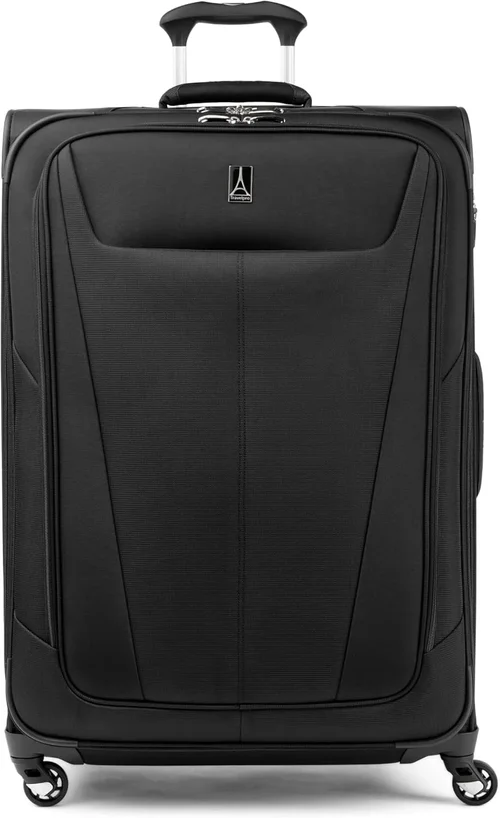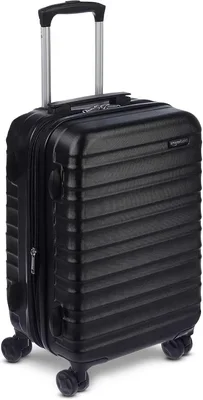
Choosing the right expandable lightweight cabin luggage can feel like navigating a maze of specifications, brand promises, and price tags. As someone who has spent years testing suitcases on everything from weekend getaways to month‑long business trips, I know how a well‑chosen carry‑on can turn a stressful airport sprint into a smooth, confident glide. This guide is built to give you the knowledge you need to make a purchase you’ll feel good about every time you zip it shut.
In the next sections you’ll learn the most important factors to weigh, the different styles on the market, common pitfalls that trap even seasoned travelers, and a clear budget breakdown so you can match your wallet to your wanderlust. I’ll also share insider tips on timing your purchase, spotting genuine deals, and getting the most out of warranties. By the end you’ll have a personalized checklist that lets you walk into any store or click “add to cart” with total confidence.
The market for expandable lightweight cabin luggage has exploded in the last five years, with major brands and nimble startups alike racing to shave grams while adding clever expansion zippers, smart compartments, and durable shells. That competition is great for you — it means more choices at every price point — but it also means more noise to cut through. Let’s cut that noise together.

What to Look for When Buying Buying Guide
1. Weight and Expandability Balance
Weight is the single most talked‑about spec, but it only tells half the story. A 2.2 kg (4.8 lb) suitcase that expands 30 % may end up heavier than a 2.5 kg (5.5 lb) model that expands only 15 % because the extra fabric and zipper hardware add bulk. Look for a base weight (the weight before expansion) that stays under 2.5 kg for a 55 cm (22 in) frame, and check the expansion depth — usually 3–5 cm — to see how much extra packing room you truly gain. A good rule of thumb: if you regularly need that extra space, prioritize a slightly heavier base model with a robust expansion system; if you travel light 90 % of the time, a ultra‑light non‑expanding shell may serve you better.
2. Shell Material and Durability
You’ll encounter three main families: polycarbonate, ABS, and hybrid blends. Polycarbonate is the gold standard for impact resistance — it flexes under pressure and snaps back, making it ideal for overhead‑bin shuffles. ABS is cheaper and lighter but more prone to cracking on hard hits. Hybrid shells (polycarbonate front, ABS back) try to split the difference. For frequent flyers, a full polycarbonate shell with a scratch‑resistant coating pays off in longevity. Check the denier rating on any fabric panels (e.g., 840D ballistic nylon) — higher numbers mean tighter weave and better tear resistance.
3. Wheel System and Maneuverability
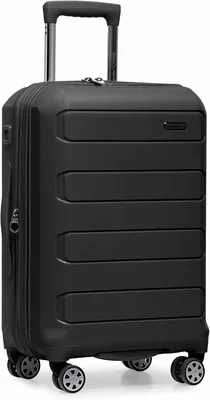
Four double‑spinner wheels (360° rotation) have become the default, but not all spinners are created equal. Look for precision‑ball‑bearing hubs and urethane‑coated tires — they roll silently on tile, carpet, and cobblestones alike. Test the wheel housing: it should be recessed into the shell to protect against curb impacts. If you often navigate narrow European train aisles, a dual‑wheel “inline” setup (two larger wheels) can be more stable than four small spinners. Finally, verify the wheel warranty; some brands cover wheel replacement for the life of the bag.
4. Handle Ergonomics and Telescoping Mechanism
A telescoping handle that sticks, wobbles, or feels flimsy turns a pleasant stroll into a wrist‑straining ordeal. Seek a multi‑stage aluminum or reinforced fiberglass pole with at least three lock positions (short, medium, tall). The grip should be contoured rubber or silicone to prevent slippage when your hands are sweaty. Pull the handle up and down a few times in the store — smooth, quiet action indicates quality bushings. Also check the top carry handle and side grab handle; they should be padded and securely stitched, because you’ll use them more than you think.
5. Interior Organization and Compression
Expandable luggage shines when the interior lets you keep things tidy. Look for a full‑length zippered divider that creates two separate compartments, plus mesh pockets for toiletries and electronics. Compression straps (elastic or buckle) are essential — they lock down clothing so the expansion zipper doesn’t bulge awkwardly. Some premium models add a removable packing cube system or a wet/dry pocket for gym gear. If you carry a laptop, verify the dedicated padded sleeve fits a 15‑inch device and meets TSA “checkpoint‑friendly” guidelines.
6. Security Features
TSA‑approved combination locks are standard, but the implementation matters. A recessed, three‑dial lock integrated into the frame is harder for thieves to tamper with than a surface‑mounted padlock. Some brands now offer Bluetooth‑enabled smart locks that alert your phone if the bag moves — handy for peace of mind, though they add a few grams and require battery charging. Also consider anti‑theft zippers (double‑coil, lockable) and RFID‑blocking pockets for passports and credit cards.
7. Warranty, Repair Network, and Brand Support
A lifetime warranty sounds impressive, but read the fine print. Does it cover wheel replacement, handle repair, and zipper failure? Is there a global service center network or must you ship the bag to a single factory? Brands like Travelpro, Briggs & Riley, and Samsonite have authorized repair shops in major airports, turning a broken wheel into a 30‑minute fix instead of a weeks‑long wait. Keep the original receipt and register the product online — many warranties are void without registration.
8. Airline Size Compliance and Real‑World Dimensions
Most airlines publish a maximum of 55 × 35 × 22 cm (22 × 14 × 9 in) including wheels and handles. However, “cabin‑size” labels on luggage can be optimistic. Measure the external dimensions with wheels deployed and the expanded depth before you buy. A bag that fits the sizer at the gate but expands beyond the limit when packed will be forced to check. If you fly multiple carriers, choose a model that meets the most restrictive dimensions (often Asian low‑cost airlines at 50 × 35 × 20 cm).
Different Types of Buying Guide
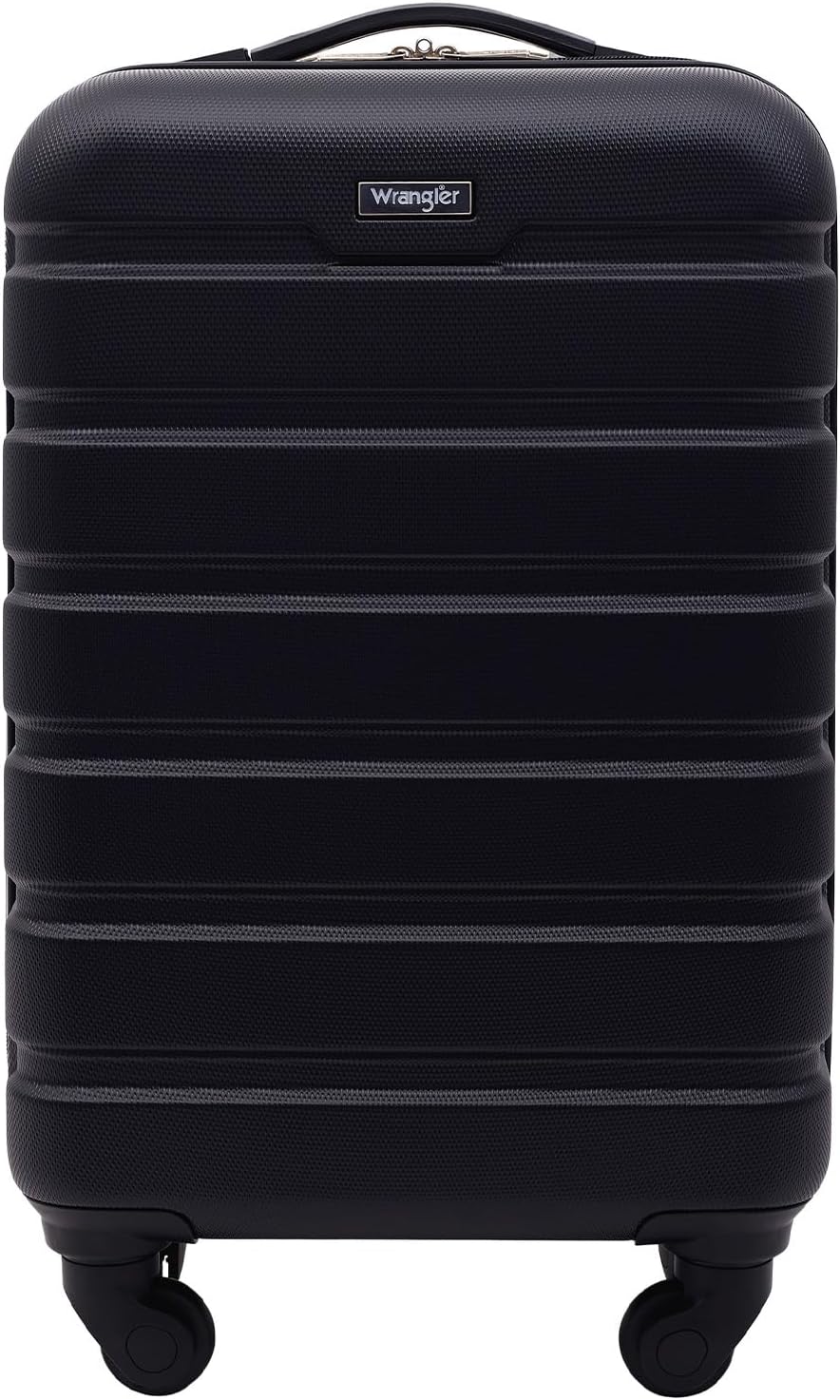
Common Buying Mistakes to Avoid
❌ Mistake: Choosing Solely on Stated Weight
Why it’s bad: Manufacturers often quote the weight of the shell only, omitting wheels, handles, and expansion zippers. The real travel weight can be 300–500 g higher, pushing you over strict airline limits.
What to do instead: Weigh the fully assembled bag yourself or read independent reviewer measurements. Factor in the weight of your typical packing load to see the total.
❌ Mistake: Ignoring Expansion Zipper Quality
Why it’s bad: Cheap zippers snag, misalign, or burst under pressure, leaving you with a gaping hole at the worst moment.
What to do instead: Look for YKK or SBS branded zippers with double‑coil teeth and a lockable pull tab. Test the zipper in store — it should glide smoothly without catching.
❌ Mistake: Overlooking Wheel Housing Protection
Why it’s bad: Exposed wheels crack on curbs and conveyor belts, turning a smooth roll into a drag.
What to do instead: Choose models with recessed wheel wells or reinforced corner guards. If you love a bag with exposed wheels, buy a set of replacement wheels upfront.
❌ Mistake: Assuming All “Cabin‑Size” Labels Are Accurate
Why it’s bad: Some brands label a 56 cm bag as “cabin‑size” even though many airlines enforce a 55 cm limit.
What to do instead: Verify the exact external dimensions (including wheels) against the strictest airline you fly. Keep a tape measure handy when shopping.
❌ Mistake: Skipping Warranty Registration
Why it’s bad: Many lifetime warranties require online registration within 30 days; missing that window voids coverage.
What to do instead: Register the product the day you receive it. Save the confirmation email and a photo of the serial number tag.
❌ Mistake: Buying Without Testing the Handle
Why it’s bad: A handle that sticks at the tallest setting forces you to hunch, causing back strain on long walks.
What to do instead: Extend and retract the handle at least five times in the store. Feel for smooth locking at each height.
Budget Guidelines: How Much Should You Spend?
Entry‑Level ($60‑$110): Expect ABS or thin polycarbonate shells, basic spinner wheels, and a simple TSA lock. Expansion is usually a single zipper adding 3 cm. Good for a few trips a year; durability may last 2‑3 years with careful handling. Look for brands like Amazon Basics, American Tourister, or It Luggage.
Mid‑Range ($120‑$250): This is the sweet spot for most travelers. You get full polycarbonate or high‑denier ballistic nylon, precision bearings, multi‑stage handles, and a reliable expansion system (often 4‑5 cm). Warranties extend to 5‑10 years with repair networks. Strong contenders: Travelpro Platinum Elite, Samsonite Freeform, Delsey Chatelet.
Premium ($260‑$450): Materials upgrade to Makrolon polycarbonate or Tegris composite, wheels become silent urethane, handles use carbon‑fiber shafts, and interiors feature modular packing cubes. Many include smart features (USB‑C port, Bluetooth lock). Brands: Briggs & Riley Baseline, Rimowa Essential Cabin, Tumi 19 Degree.
Luxury ($450+): Hand‑crafted aluminum or magnesium frames, leather accents, bespoke color options, and concierge‑level service (door‑to‑door repair pickup). These are investment pieces that can last decades. Think Rimowa Original, Globe‑Trotter, or custom‑built pieces from boutique ateliers.
Expert Tips for Getting the Best Deal
- Shop End‑of‑Season Sales: January and July clear out previous‑year colors, often 30‑40 % off.
- Use Price‑Tracking Tools: Browser extensions like Honey or CamelCamelCamel alert you when a specific model drops below your target.
- Check Airline Employee Stores: Many carriers run discount portals for staff; friends or family with airline IDs can pass on savings.
- Buy Refurbished from Manufacturer Outlets: Factory‑certified refurbished bags carry the same warranty at 20‑30 % less.
- Bundle with Packing Cubes: Retailers often discount a set of cubes when purchased with luggage — saves you a separate purchase.
- Read Return Policies Before Checkout: A 30‑day no‑questions‑asked return lets you test the bag on a real trip risk‑free.
- Leverage Credit‑Card Purchase Protection: Many premium cards extend manufacturer warranties by an extra year and cover theft/damage for 90 days.
- Test In‑Store With Your Gear: Bring your laptop, shoes, and a folded jacket to see how the interior truly fits your packing style.

Frequently Asked Questions
Q: How much does an expandable carry‑on typically weigh empty?
A: Most quality expandable cabin bags weigh between 2.0 kg and 2.8 kg (4.4‑6.2 lb) before expansion. Ultra‑light models can dip to 1.7 kg, while premium aluminum frames sit around 3.5 kg.
Q: Can I use the expansion zipper on every flight?
A: Only if the expanded dimensions still fall within your airline’s carry‑on limits. Many airlines measure at the gate; if the bag bulges beyond the sizer, you’ll be forced to check it.
Q: Are spinner wheels better than inline wheels for cobblestone streets?
A: Inline wheels (two larger wheels) roll more smoothly over uneven surfaces because they have a larger diameter and fewer contact points. Spinners excel on smooth airport floors but can wobble on gaps.
Q: What does “TSA‑approved lock” actually mean?
A: It means the lock can be opened by TSA agents using a universal master key without destroying the lock. Look for the red diamond logo on the lock body.
Q: How do I clean a polycarbonate shell without scratching it?
A: Use a microfiber cloth dampened with warm water and a drop of mild dish soap. Avoid abrasive sponges, alcohol‑based cleaners, or paper towels.
Q: Is a built‑in power bank worth the extra weight?
A: If you regularly drain devices during layovers, a 10,000 mAh integrated bank (≈200 g) can be a lifesaver. Remember airlines require power banks to be removable for checked baggage.
Q: What should I do if a wheel breaks mid‑trip?
A: Many major airports have luggage repair kiosks. Carry a small multi‑tool and a spare wheel (some brands sell wheel kits). If under warranty, contact the brand’s hotline for a rapid replacement.
Q: Can I wash the interior lining?
A: Most linings are removable and machine‑washable on a gentle cycle. Check the care label; if not removable, spot‑clean with a damp cloth and mild detergent.
Q: How do I know if a bag fits under the seat as well as overhead?
A: Look for a “under‑seat” dimension spec (usually ≤ 40 × 30 × 15 cm). Soft‑side models with a flat bottom often fit better than rigid hard‑shells.
Our Final Recommendations
- Best for Budget‑Conscious Buyers: Amazon Basics 21‑Inch Hardside Spinner — ~ $85, 2.3 kg, 3 cm expansion, 2‑year limited warranty. Great for 2‑3 trips a year.
- Best Overall Value: Travelpro Platinum Elite 22‑Inch Expandable Spinner — ~ $190, 2.5 kg, 5 cm expansion, precision bearings, lifetime warranty with global repair. Handles business and leisure equally well.
- Best Premium Option: Briggs & Riley Baseline Domestic Carry‑On Expandable — ~ $380, 2.7 kg, 4 cm expansion, CX™ expansion system, unconditional lifetime guarantee (even airline damage).
- Best for Beginners: Samsonite Freeform 21‑Inch Spinner — ~ $160, 2.4 kg, simple one‑touch expansion, color‑coded interior, 10‑year warranty. Easy to live with, hard to outgrow.
- Best for Advanced Users: Rimowa Essential Cabin Plus — ~ $550, 3.2 kg, polycarbonate‑aluminum hybrid, electronic tag, multi‑wheel system, 5‑year warranty. Designed for the traveler who treats luggage as gear.
Conclusion: Making the Right Choice
You now have a complete framework — weight vs. expansion, shell material, wheel quality, handle feel, interior layout, security, warranty, and real‑world dimensions — to evaluate any expandable lightweight cabin luggage on the market. Remember that the “perfect” bag is the one that matches your travel rhythm: how often you fly, what you pack, and which airlines you trust. Don’t be swayed by flashy marketing; let your personal checklist be the final judge.
Take a moment to write down your top three non‑negotiables (e.g., “under 2.5 kg”, “5 cm expansion”, “global repair network”) and carry that list when you shop. Whether you click “buy now” on a mid‑range Travelpro or splurge on a Rimowa, you’ll do it with the confidence that comes from informed decision‑making. Safe travels, and may your next carry‑on glide effortlessly from curb to overhead bin.