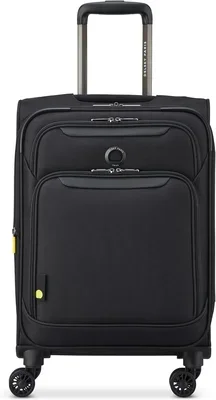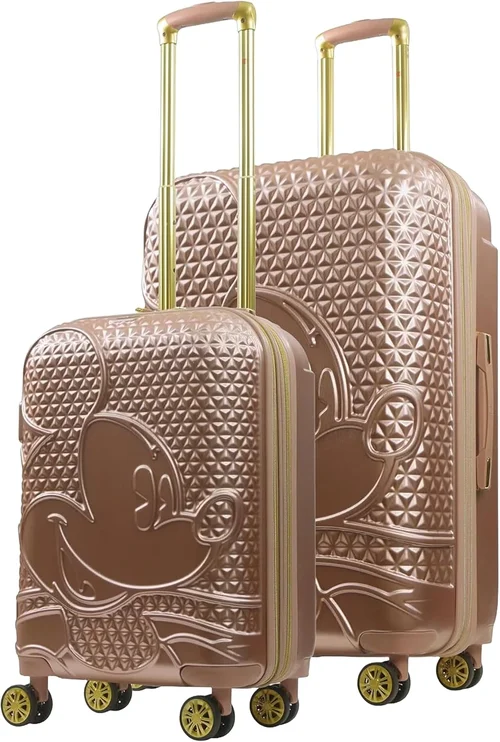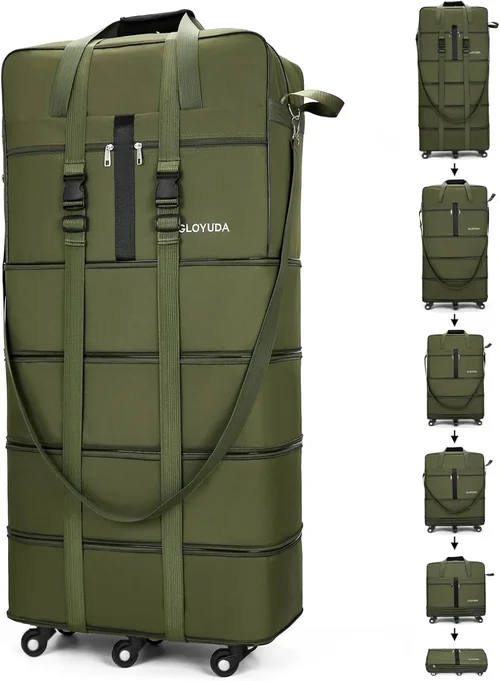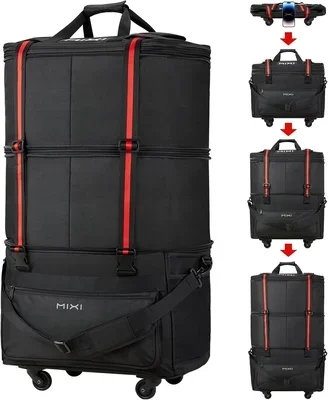
Choosing the right expandable luggage can feel like navigating a maze of zippers, wheels, and marketing buzzwords. Whether you are a frequent flyer who needs a reliable companion for business trips or a family planning a once‑in‑a‑lifetime vacation, the ability to add extra packing space on demand is a game‑changer. This guide breaks down every critical element you should evaluate before you click “buy,” so you can travel with confidence and avoid costly mistakes.
In the following sections you will learn how to match luggage size to airline restrictions, why material choice matters for durability, what to expect at each price tier, and how to spot genuine value versus flashy gimmicks. We also compare the main categories of expandable bags, highlight common pitfalls, and share insider tips for scoring the best deal. By the end, you will have a clear roadmap to select the perfect expandable suitcase for your unique travel style.

What to Look for When Buying Buying Guide
1. Size and Airline Compatibility
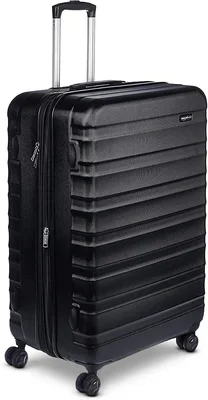
Size is the first filter every traveler should apply. Most airlines allow a carry‑on up to 22 × 14 × 9 inches (including wheels and handles) and a checked bag up to 62 linear inches (length + width + height). Expandable luggage typically adds 1.5 to 2.5 inches of depth when the expansion zipper is opened. Before purchasing, measure the bag in both its standard and expanded states and compare those numbers to the carriers you fly most often. A bag that fits in the overhead bin when collapsed but exceeds limits when expanded can lead to gate‑check fees or forced repacking at the security line.
2. Material and Build Quality
The shell material determines weight, impact resistance, and how the bag ages. Hard‑shell options usually employ polycarbonate, ABS, or a polycarbonate‑ABS blend. Polycarbonate is the gold standard for flexibility and crack resistance, while ABS is cheaper but more brittle. Soft‑shell bags rely on ballistic nylon, Cordura, or high‑denier polyester; look for a denier rating of 800 D or higher for abrasion resistance. Reinforced corners, double‑stitched seams, and molded corner guards are tell‑tale signs of a bag built to survive baggage‑handler tosses.
3. Expansion Mechanism and Zipper Durability
Not all expansion zippers are created equal. A high‑quality YKK or SBS zipper with a self‑locking slider prevents accidental opening during transit. The expansion gusset should be reinforced with a fabric strip or a secondary zipper track to distribute stress evenly. Test the zipper by opening and closing it several times; it should glide smoothly without catching. A poorly designed expansion can warp the frame, making the bag difficult to close when fully packed.
4. Wheel System and Maneuverability
Four‑wheel spinner systems are now the industry norm for expandable luggage because they allow 360‑degree movement, reducing wrist strain. Look for wheels that are recessed into the shell (protecting them from impact) and made of polyurethane rather than hard plastic — polyurethane absorbs vibration and rolls quietly on tile, carpet, and cobblestones. Two‑wheel “roller” bags are still viable for heavy checked luggage, but they require tilting and can be cumbersome in tight airplane aisles.
5. Handle System Ergonomics
A telescoping handle should lock at multiple heights (typically three) to accommodate travelers of different statures. The grip material matters: rubberized or contoured foam reduces hand fatigue on long walks through terminals. Check that the handle retracts fully into a dedicated channel; a handle that protrudes can snag on conveyor belts or overhead compartments.
6. Interior Organization and Compression
Inside, you want a layout that maximizes the extra volume expansion provides. Look for a full‑length divider panel with a zippered mesh pocket, tie‑down straps (preferably elasticized), and a separate wet/dry compartment for toiletries or shoes. Some premium models include removable packing cubes or a built‑in compression panel that lets you cinch down clothing before you even engage the expansion zipper.
7. Weight and Weight‑to‑Capacity Ratio
Every ounce counts when airlines enforce strict weight limits (often 50 lb for checked bags). A lightweight polycarbonate carry‑on may weigh 6–7 lb, while a heavy‑duty ballistic nylon checked bag can exceed 10 lb empty. Calculate the weight‑to‑capacity ratio: divide the bag’s empty weight by its maximum liter capacity. A lower ratio means more packing room per pound of luggage weight.
8. Warranty, Repair Network, and Brand Reputation
A solid warranty (often 5–10 years or “lifetime”) signals confidence in construction. Brands with authorized repair centers or a “no‑questions‑asked” replacement policy for zipper or wheel failures save you money long‑term. Read independent reviews on sites like Consumer Reports, Wirecutter, and Reddit’s r/onebag community to gauge real‑world durability beyond marketing claims.
Different Types of Buying Guide

Common Buying Mistakes to Avoid
❌ Mistake: Ignoring Airline Size Limits
Why it’s bad: A bag that expands beyond the carrier’s maximum dimensions forces you to check it at the gate, often incurring a $30‑$75 fee and adding time at baggage claim.
What to do instead: Verify both collapsed and expanded dimensions against the strictest airline you fly. Choose a model that stays within limits even when fully expanded, or plan to only use the expansion on the return leg when you have more flexibility.
❌ Mistake: Prioritizing Aesthetics Over Wheel Quality
Why it’s bad: Beautifully designed bags with cheap plastic wheels will jam, crack, or develop flat spots after a few trips, turning a smooth roll into a drag.
What to do instead: Test the wheels in‑store (spin them, push the bag over a threshold) or watch video reviews that show wheel performance on uneven surfaces. Prioritize polyurethane spinners with sealed bearings.
❌ Mistake: Overlooking Empty Weight
Why it’s bad: A heavy empty suitcase eats into your weight allowance, limiting how much you can actually pack.
What to do instead: Target a carry‑on under 7 lb and a checked bag under 10 lb. Compare weight‑to‑capacity ratios across models before deciding.
❌ Mistake: Buying a Single Piece Without Considering a Set
Why it’s bad: If you travel with a partner or family, mismatched bags can cause confusion at baggage claim and may not nest efficiently for storage.
What to do instead: Evaluate whether a coordinated 2‑ or 3‑piece set (carry‑on + checked) offers better value and nesting capability than buying pieces separately.
❌ Mistake: Skipping Warranty Registration
Why it’s bad: Many brands require online registration within 30 days to activate the full warranty. Missing this window leaves you without coverage for zipper or wheel failures.
What to do instead: Register the product immediately after purchase; keep the receipt and a photo of the serial number in your cloud storage.
❌ Mistake: Assuming All Expansion Zippers Are Water‑Resistant
Why it’s bad: Standard coil zippers let moisture seep in, risking damage to electronics or clothing during rain or spilled liquids in the hold.
What to do instead: Look for water‑resistant zipper tape or a protective flap covering the expansion zipper. If unavailable, pack a lightweight dry‑bag inside for critical items.
❌ Mistake: Not Testing the Handle Lock Positions
Why it’s bad: A handle that only locks at one height forces taller travelers to hunch, causing back strain on long walks.
What to do instead: Extend the handle fully, then retract stepwise, feeling each click. Ensure at least three secure positions that suit your height.
Budget Guidelines: How Much Should You Spend?
Entry‑Level ($80 – $130)
At this tier you’ll find mostly ABS hard‑shell spinners or polyester soft‑shells with basic two‑wheel systems. Expect a single expansion zipper, minimal interior organization, and a 1‑year limited warranty. These bags are fine for occasional leisure trips (once or twice a year) but may show wheel wear or zipper fatigue after 10‑15 flights. If you travel lightly and rarely check bags, an entry‑level carry‑on can serve you well.
Mid‑Range ($130 – $250)
This is the sweet spot for most frequent flyers. You’ll get polycarbonate or polycarbonate‑ABS blends, four‑wheel spinners with polyurethane tires, YKK expansion zippers, and thoughtful interior layouts (divider panels, compression straps, wet/dry pockets). Warranties typically extend to 5‑10 years, and many brands offer a repair network. A mid‑range checked bag often weighs 8‑9 lb empty yet expands 2 inches, giving you 10‑15 % more packing volume.
Premium ($250 – $450)
Premium models feature 100 % polycarbonate shells, magnesium or aluminum frame reinforcements, precision‑engineered Hinomoto or double‑ball‑bearing wheels, and ergonomic multi‑stage handles with leather‑wrapped grips. Interiors include removable packing cubes, TSA‑approved lock integration, and sometimes a built‑in USB port with a removable power bank (airline‑compliant). Warranties are often “lifetime” with hassle‑free replacement. These bags survive 50+ flights with minimal cosmetic wear.
Luxury ($450 +)
Luxury expandable luggage leans on brand heritage, hand‑stitched leather accents, custom‑fit interior linings, and proprietary technologies such as self‑healing zippers or carbon‑fiber frames. Weight savings are marginal compared to premium, but the ownership experience includes concierge repair services, monogramming, and resale value retention. Purchase only if you value status, craftsmanship, and are willing to pay a premium for the brand story.
Expert Tips for Getting the Best Deal
- Shop Off‑Season: Major sales occur in January (post‑holiday clearance), May (pre‑summer), and September (back‑to‑school). Retailers discount last‑year’s colors heavily.
- Use Price‑Tracking Tools: Browser extensions like Honey, CamelCamelCamel, or Keepa alert you when a specific model drops below your target price.
- Check Manufacturer Refurbished Programs: Brands such as Travelpro, Samsonite, and Briggs & Riley sell factory‑refurbished units with full warranties at 20‑30 % off MSRP.
- Leverage Credit‑Card Purchase Protection: Many premium cards extend warranty by an extra year and cover theft or damage within 90 days of purchase.
- Buy In‑Store for Fit Testing: Even if you ultimately order online, visit a luggage store to roll the bag, extend the handle, and test the expansion zipper. Physical feel cannot be fully captured in photos.
- Read the Return Policy Fine Print: Some online retailers charge restocking fees for opened luggage. Choose sellers with free return shipping and a 30‑day window.
- Bundle with Packing Cubes: Many brands offer a discount when you add a set of packing cubes at checkout; cubes maximize the usable space created by expansion.
- Consider a “Buy‑It‑For‑Life” Mindset: Spending $50 more on a bag with a lifetime warranty often costs less over a decade than replacing a $120 bag every two years.
Frequently Asked Questions
Q: How much extra space does an expansion zipper really add?
A: Most expandable suitcases add 1.5 to 2.5 inches of depth, translating to roughly 15‑25 % more volume. A 22‑inch carry‑on that holds 38 L in standard mode may reach 45‑48 L when expanded.
Q: Can I use the expansion on a carry‑on and still fit in the overhead bin?
A: Only if the expanded dimensions stay within the airline’s maximum carry‑on size. Many airlines measure at the gate; if the bag bulges beyond the sizer, you’ll be forced to check it. Play it safe by expanding only on the return flight or when you know the flight has generous bin space.
Q: Are spinner wheels more fragile than two‑wheel rollers?
A: Modern spinners with recessed polyurethane wheels and sealed bearings are highly durable. However, they can be more vulnerable to impact if the bag is dropped on a corner. Two‑wheel rollers have fewer moving parts but require tilting, which can strain your wrist on heavy loads.
Q: What is the difference between polycarbonate and ABS?
A: Polycarbonate is a high‑performance thermoplastic that flexes under impact and returns to shape, making it crack‑resistant. ABS is cheaper, more rigid, and prone to cracking on hard hits. Many mid‑range bags blend the two to balance cost and durability.
Q: Do I need a TSA‑approved lock on expandable luggage?
A: A built‑in TSA lock secures the main compartment and the expansion zipper simultaneously. If your bag lacks one, you can add a small TSA‑approved padlock to the zipper pulls. It’s a low‑cost way to deter opportunistic theft.
Q: How do I clean a soft‑shell expandable bag?
A: Spot‑clean with a mild detergent and a soft brush. For deeper cleaning, remove any detachable liners and hand‑wash in lukewarm water; air‑dry away from direct heat. Avoid machine washing unless the manufacturer explicitly states it’s safe.
Q: Can I replace a broken wheel myself?
A: Many brands sell wheel kits (wheel, axle, bearing) for $15‑$30. Replacement usually requires a Phillips screwdriver and a few minutes. Check the brand’s website for model‑specific kits before buying a third‑party wheel.
Q: Is smart luggage with a built‑in power bank allowed on all airlines?
A: Most airlines require the battery to be removable and under 100 Wh. If the power bank is non‑removable, the bag may be prohibited in checked luggage and sometimes even in carry‑on. Always verify the specific airline’s policy before flying.
Q: What’s the best way to store expandable luggage when not in use?
A: Store it collapsed, upright, in a cool, dry place. Stuff the interior with acid‑free tissue or a clean cotton sheet to help the shell retain shape. Avoid stacking heavy items on top, which can deform the frame over time.
Our Final Recommendations
- Best for Budget‑Conscious Buyers: Amazon Basics 21‑Inch Hardside Spinner – Priced around $95, it offers a polycarbonate‑ABS shell, four spinner wheels, and a modest 1.5‑inch expansion. Warranty is 1 year, but the low cost makes replacement painless.
- Best Overall Value: Travelpro Platinum Elite 22‑Inch Carry‑On – At ~$230 you get a full polycarbonate shell, MagnaTrac self‑aligning wheels, a PrecisionGlide handle with four height stops, and a 10‑year warranty. Expansion adds 2 inches while staying within most carry‑on sizers.
- Best Premium Option: Briggs & Riley Baseline Domestic Carry‑On Expandable – Around $380, this bag features a ballistic nylon exterior with a CX expansion system that adds 25 % volume without distorting the frame. Lifetime “Simple as That” warranty covers even airline damage.
- Best for Beginners: Samsonite Freeform 21‑Inch Spinner – Priced near $150, it balances lightweight polycarbonate construction, a smooth double‑wheel system, and a simple expansion zipper. The interior includes a divider and cross straps, making packing intuitive for first‑time buyers.
- Best for Advanced Users: Rimowa Essential Cabin Plus – At $600+, the aluminum‑magnesium alloy shell, multi‑wheel system, and integrated TSA lock cater to travelers who demand heirloom‑grade durability and a distinctive aesthetic. Expansion is via a discreet zipper that adds 1.8 inches while preserving the iconic grooved profile.
Conclusion: Making the Right Choice
Selecting expandable luggage is ultimately about aligning the bag’s capabilities with your travel habits. Start by confirming the size limits of your most‑used airlines, then weigh material durability against empty weight. Prioritize a smooth, recessed spinner system and a multi‑stage handle that fits your height. Don’t overlook the expansion zipper’s build quality — a sturdy, self‑locking YKK zipper will save you from mid‑trip failures. Finally, match your budget to the tier that offers the warranty and repair support you value; a modest increase in upfront cost often translates to years of reliable service.
Armed with the factors, comparisons, and expert tips in this guide, you can walk into any store or browse any website with a clear checklist. Remember, the best luggage is the one that disappears into the background of your journey, letting you focus on the destination, not the gear. Happy travels, and may your next packing session be effortless.