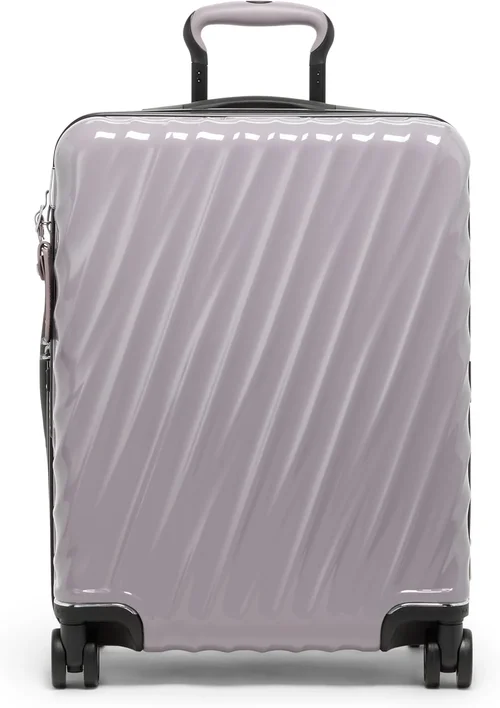
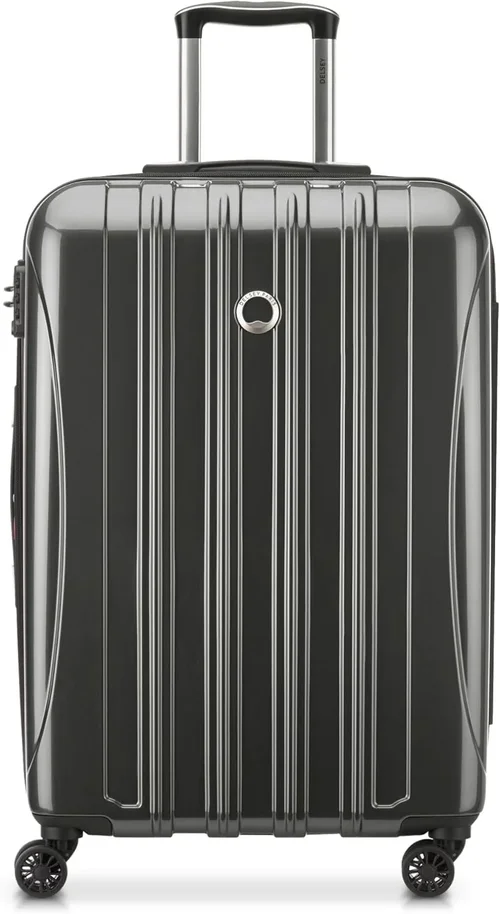
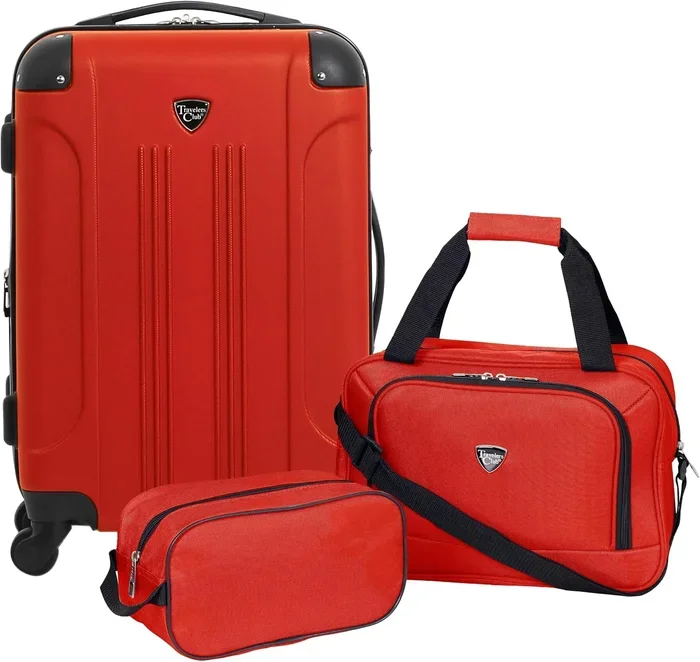
Traveling light doesn’t mean sacrificing space—especially when you’re armed with the right carry-on. In today’s fast-paced travel landscape, where every minute at the airport counts and overhead bin space is fiercely contested, having a reliable, expandable hardside carry-on spinner isn’t just a convenience—it’s a necessity. Whether you’re a weekend warrior heading to a nearby city or a frequent flyer logging international miles, your luggage is more than just a bag; it’s your mobile command center, your wardrobe, and sometimes, your only lifeline between destinations.
But with so many options flooding the market—from budget-friendly no-name brands to luxury labels touting aerospace-grade polycarbonate—it’s easy to feel overwhelmed. How do you know which features actually matter? What separates a durable, long-lasting suitcase from one that cracks after two trips? And why should you consider an expandable hardside model over a softside or non-expandable alternative? This guide exists to cut through the noise. We’ll walk you through everything you need to know to make a smart, informed decision—no marketing fluff, no exaggerated claims, just honest, expert-backed advice tailored to real-world travel needs.
By the end of this comprehensive buying guide, you’ll understand exactly what to look for in an expandable hardside carry-on spinner, how to avoid common pitfalls, and how to match your luggage choice to your travel style, budget, and priorities. We’ll break down key factors like build quality, expansion mechanisms, wheel performance, and warranty coverage, compare different types of hardside luggage, and even share insider tips on scoring the best deals. Whether you’re replacing a worn-out suitcase or investing in your first premium carry-on, this guide will help you choose wisely—so your next trip starts smoothly, not with a broken zipper or a cracked shell at 30,000 feet.
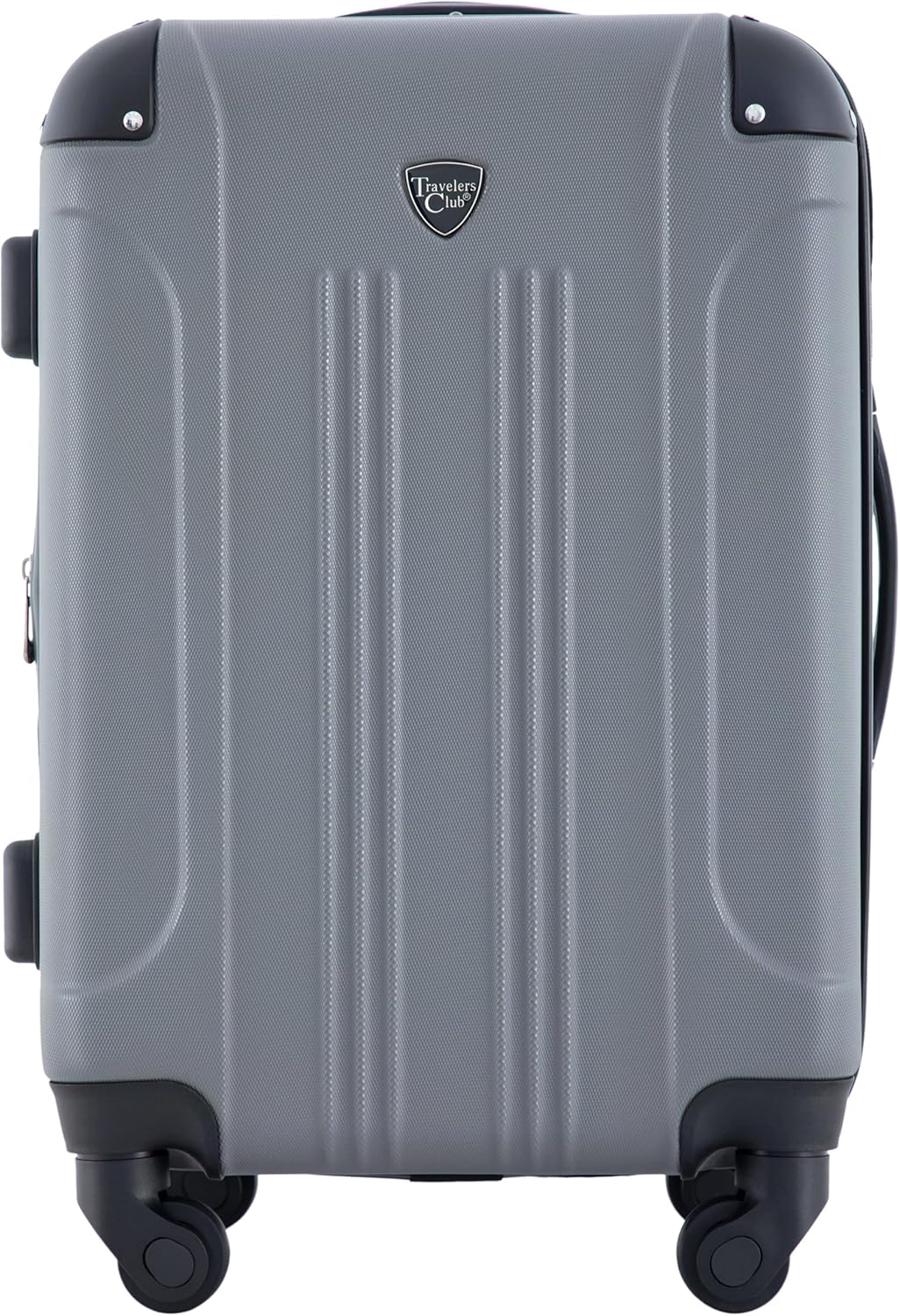
What to Look for When Buying Buying Guide
1. Build Quality & Durability
When it comes to hardside luggage, durability isn’t just about surviving a rough baggage handler—it’s about maintaining structural integrity over dozens of trips, across varying climates, and under different loading conditions. The material used in the shell is the foundation of this durability. Most high-quality expandable hardside carry-ons are made from either polycarbonate or ABS (acrylonitrile butadiene styrene), with polycarbonate being the gold standard. Polycarbonate is lightweight, impact-resistant, and has a natural flexibility that allows it to absorb shocks without cracking—ideal for the rigors of air travel.
Look for shells that are at least 1.5mm thick; anything thinner may dent or crack under pressure. Some premium brands use layered or reinforced polycarbonate, which adds strength without significantly increasing weight. Avoid cheap ABS-only shells, which are heavier and more prone to shattering. Also, check the corners and edges—reinforced corners with metal or rubber bumpers can prevent damage during drops or impacts. A good test is to press gently on the shell; it should flex slightly but return to its original shape without creaking or warping.
Another critical aspect is the seam construction. High-end models use heat-welded or sonic-welded seams, which create a seamless, water-resistant barrier. Cheaper alternatives often rely on glued or stitched seams, which can peel or separate over time. If you’re traveling to humid or rainy destinations, a well-sealed shell can protect your belongings from moisture intrusion.
2. Expansion Mechanism & Capacity
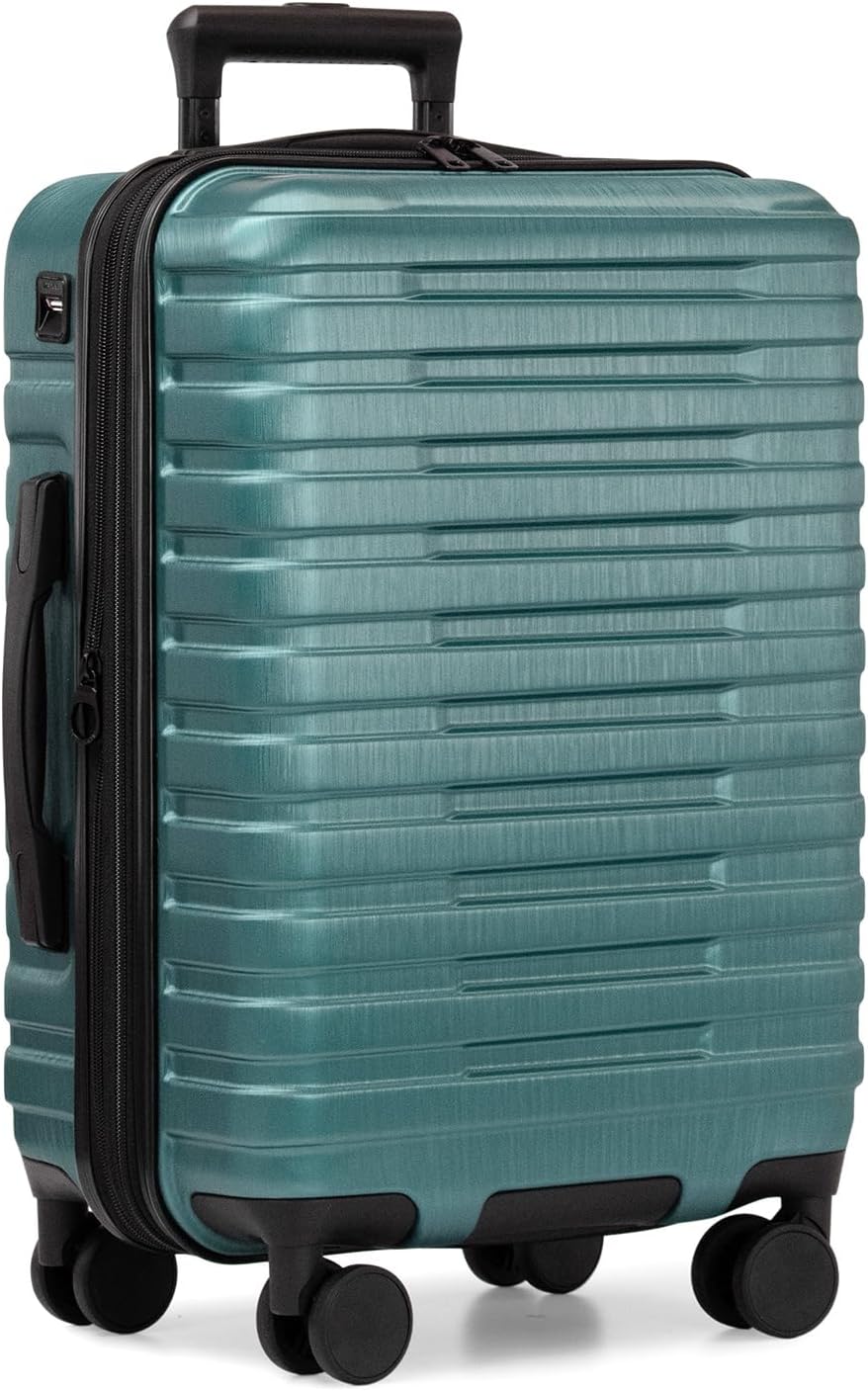
The “expandable” feature is what sets these carry-ons apart from standard models. Most expandable hardside spinners use a zipper expansion system that adds 1.5 to 2.5 inches of extra depth when unzipped. This can increase capacity by 20–30%, turning a 22-inch carry-on into a near-checkable size—perfect for longer trips or souvenir-heavy returns.
However, not all expansion systems are created equal. Look for a double-zipper expansion with reinforced gussets. A single zipper is more likely to jam or break under stress, especially when overpacked. The expansion should be easy to engage and disengage, with smooth-gliding zippers that don’t catch or snag. Some premium models feature a telescoping expansion panel made of flexible yet durable fabric, which allows for even greater flexibility without compromising the shell’s integrity.
It’s also important to consider how the expansion affects the overall dimensions. While most airlines allow carry-ons up to 22″ x 14″ x 9″ (including wheels and handles), expanding your bag may push it over the limit—especially on budget carriers with strict size policies. Always measure your expanded bag before flying, and consider using a carry-on size checker if you’re unsure.
Another factor is internal organization. Expandable bags often come with adjustable compression straps and zippered compartments that help secure contents when expanded. Look for models with a full-length interior divider or a zippered mesh pocket to keep items separated and prevent shifting during transit.
3. Wheel Performance & Maneuverability
The wheels are arguably the most important moving part of your suitcase—after all, you’ll be rolling this thing through airports, hotels, and city streets. High-quality expandable hardside spinners typically feature 360-degree dual spinner wheels, which allow for effortless multidirectional movement. These wheels should be made of durable polyurethane or rubber, with sealed bearings to prevent dirt and debris from affecting performance.
Look for wheels that are at least 2 inches in diameter; larger wheels roll more smoothly over uneven surfaces like cobblestones or carpet. The wheel housing should be securely mounted to the shell, with reinforced axles to prevent wobbling or detachment. A common issue with cheaper models is wheel misalignment, which causes the suitcase to pull to one side—annoying at best, exhausting at worst.
Test the wheels by rolling the suitcase on a flat surface. It should glide smoothly without resistance or noise. If it squeaks, jerks, or feels stiff, it’s a red flag. Also, check the wheelbase—wider wheelbases offer better stability, especially when the bag is expanded and top-heavy.
Some premium models include suspension systems or shock-absorbing wheels, which reduce vibration and improve comfort on rough terrain. While not essential, these features can make a noticeable difference on long travel days.
4. Handle Design & Ergonomics
A poorly designed handle can turn a smooth journey into a back-straining ordeal. The telescoping handle on an expandable hardside carry-on should be sturdy, lightweight, and ergonomically shaped. Look for handles made from aluminum or reinforced composite materials, with a soft-grip coating for comfort.
The handle should have at least two or three locking positions, allowing you to adjust the height to your preference. A single-stage handle may not extend far enough for taller users, while a four-stage handle offers more flexibility but can be less stable. Test the handle by extending and retracting it several times—it should lock securely in place without wobbling or slipping.
Another consideration is the handle’s placement. Some models feature a recessed or flush-mounted handle, which reduces the risk of snagging on conveyor belts or luggage carts. Others have an external handle with a padded grip, which can be more comfortable but may protrude and take up extra space.
5. Zipper Quality & Security
Zippers are the unsung heroes of luggage—yet they’re often the first point of failure on cheaper bags. A high-quality expandable hardside carry-on should feature heavy-duty, self-repairing zippers made from durable materials like YKK or Riri. These zippers are designed to withstand repeated use and resist jamming, even when the bag is overstuffed.
Look for zippers with reinforced stitching and metal pulls, which are less likely to break than plastic ones. Some premium models include TSA-approved combination locks integrated into the zipper pulls, allowing security personnel to inspect your bag without damaging the lock.
The main compartment zipper should be a double zipper, allowing you to open the bag from either side and providing an extra layer of security. Expansion zippers should also be robust and easy to operate. Avoid bags with flimsy, thin zippers or those that feel rough or sticky when opened.
Another security feature to consider is the presence of a zippered mesh pocket or a removable laundry bag, which can help organize small items and prevent them from spilling out if the main zipper fails.
6. Interior Organization & Packing Features
A well-organized interior can make packing and unpacking a breeze, especially on multi-stop trips. Look for expandable hardside carry-ons with thoughtful interior features like adjustable compression straps, zippered dividers, and mesh pockets. These help keep clothes neat, reduce wrinkles, and prevent items from shifting during transit.
Some models include a removable or foldable laundry bag, which is perfect for separating dirty clothes from clean ones. Others feature a built-in shoe compartment or a toiletry pouch, adding convenience without sacrificing space.
The interior lining should be made from durable, easy-to-clean fabric—preferably water-resistant or stain-resistant. Avoid bags with thin, flimsy linings that tear easily or trap odors.
7. Weight & Portability
Even though hardside luggage is generally heavier than softside, a well-designed expandable carry-on should still be lightweight enough to maximize your packing capacity. Most high-quality 22-inch hardside spinners weigh between 6.5 and 8.5 pounds when empty. Anything over 9 pounds may eat into your airline weight allowance, especially on international flights with strict carry-on limits.
Look for models that use lightweight materials without sacrificing durability. Polycarbonate shells are typically lighter than ABS, and some brands use advanced engineering to reduce weight while maintaining strength.
Portability also includes ease of lifting and storing. A suitcase with a comfortable top handle and side handle makes it easier to lift into overhead bins or carry up stairs. Some models include a built-in luggage tag or a removable ID card holder, which can help prevent loss.
8. Brand Reputation & Warranty
Not all luggage brands are created equal. Established brands like Samsonite, Travelpro, and Rimowa have decades of experience and a proven track record of quality and customer service. While they may cost more, they often come with better warranties and more reliable support.
Look for a warranty that covers at least 5 years, with protection against manufacturing defects, broken zippers, and wheel damage. Some premium brands offer lifetime warranties or global repair networks, which can be a lifesaver if your bag is damaged abroad.
Read customer reviews and check third-party ratings on sites like Trustpilot or the Better Business Bureau. Pay attention to recurring complaints about specific issues—like broken handles or cracked shells—as these can indicate design flaws.
Different Types of Buying Guide
Common Buying Mistakes to Avoid

❌ Mistake: Prioritizing Price Over Quality
Why it’s bad: Buying the cheapest suitcase available often leads to frustration. Low-cost models frequently use thin shells, weak zippers, and poorly aligned wheels that fail within a year. You may end up spending more in the long run replacing broken bags.
What to do instead: Invest in a mid-range or premium model from a reputable brand. Look for sales or refurbished options to get quality at a lower price. A $200 suitcase that lasts five years is a better value than a $70 one that breaks after two trips.
❌ Mistake: Ignoring Airline Size Restrictions
Why it’s bad: Even if a bag is labeled “carry-on,” it may not fit in overhead bins on all airlines—especially budget carriers. Expanding your bag can push it over the limit, forcing you to check it at the gate.
What to do instead: Always check the exact dimensions (including wheels and handles) and compare them to your airline’s carry-on policy. Use a soft tape measure or a carry-on size checker at the store.
❌ Mistake: Overlooking Warranty & Support
Why it’s bad: A broken zipper or cracked wheel can ruin your trip. Without a solid warranty, you’re stuck paying for repairs or a replacement.
What to do instead: Choose a brand with a strong warranty (5+ years) and global repair support. Read the fine print to understand what’s covered and how to file a claim.
❌ Mistake: Choosing Style Over Function
Why it’s bad: A sleek, shiny shell may look great in the store, but it can scratch easily and show wear quickly. Some designs prioritize aesthetics over practicality.
What to do instead: Opt for matte or textured finishes that hide scratches. Prioritize functional features like expansion, wheel quality, and interior organization over color or branding.
❌ Mistake: Not Testing Before Buying
Why it’s bad: You can’t judge a suitcase’s performance from a photo. A bag that looks perfect online may have stiff zippers, wobbly wheels, or a flimsy handle.
What to do instead: If possible, visit a store to test the suitcase in person. Roll it, open and close the zippers, and check the handle. If buying online, read detailed reviews and watch unboxing videos.
❌ Mistake: Overpacking the Expanded Compartment
Why it’s bad: Expanding your bag adds capacity, but overpacking can stress the zippers, strain the shell, and make the bag difficult to maneuver.
What to do instead: Use the expansion wisely—reserve it for souvenirs or extra layers. Keep the main compartment packed to 80% capacity to maintain balance and ease of movement.
❌ Mistake: Ignoring User Reviews
Why it’s bad: Marketing materials highlight only the positives. Real user reviews reveal common issues like zipper jams, wheel failures, or poor customer service.
What to do instead: Read reviews from verified purchasers on multiple platforms. Look for patterns in complaints or praise to get a balanced view.
Budget Guidelines: How Much Should You Spend?
– Entry-Level ($80 – $150): What to expect…
At this price point, you’ll find basic hardside spinners with decent shells but often compromised on zippers, wheels, and interior features. Materials may be thinner ABS, and warranties are typically limited to 1–2 years. These are fine for occasional travelers who don’t mind replacing their bag every few years.
– Mid-Range ($150 – $300): Sweet spot for most buyers…
This is where you’ll find the best value. Brands like Samsonite, American Tourister, and Travelpro offer durable polycarbonate shells, reliable spinner wheels, and functional expansion systems. Most include 5–10 year warranties and thoughtful interior organization. Ideal for frequent travelers who want quality without luxury pricing.
– Premium ($300 – $600): For enthusiasts and professionals…
These models feature advanced materials, superior craftsmanship, and innovative designs. Expect reinforced corners, self-repairing zippers, suspension wheels, and premium interiors. Brands like Rimowa, Away, and Tumi dominate this space. Great for business travelers or those who prioritize longevity and performance.
– Luxury ($600+): Top-tier features…
Luxury luggage offers more than just durability—it’s about prestige, design, and exclusivity. Handcrafted shells, custom hardware, and personalized services are common. While not necessary for most travelers, these bags are status symbols and often come with lifetime warranties and concierge support.

Expert Tips for Getting the Best Deal
– Buy during off-season sales: Luggage prices drop significantly after peak travel seasons (late summer and winter holidays). Look for deals in January, February, and September.
– Check outlet stores and online retailers: Brands like Samsonite and Travelpro have outlet stores with discounted overstock or discontinued models. Online retailers like Amazon, REI, and eBags often run promotions.
– Sign up for newsletters: Many brands offer 10–15% off your first purchase when you subscribe to their email list.
– Consider refurbished or open-box items: These are often like-new and come with full warranties at a fraction of the price.
– Read return policies carefully: Make sure you can return the bag if it doesn’t meet your expectations. Some retailers charge restocking fees or have short return windows.
– Test before you commit: If buying in-store, inspect the bag thoroughly. If online, watch video reviews and check return options.
– Bundle with other travel gear: Some retailers offer discounts when you buy a suitcase with a backpack, toiletry kit, or packing cubes.
– Use cashback and credit card rewards: Maximize savings by using cashback apps or credit cards that offer travel rewards.

Frequently Asked Questions
Q: Can I bring an expandable carry-on on all airlines?
A: Most major airlines allow expandable carry-ons as long as they fit within standard size limits (22″ x 14″ x 9″) when not expanded. However, budget carriers like Spirit or Ryanair may have stricter policies. Always check your airline’s website before flying.
Q: How much extra space does expansion really add?
A: Typically, expansion adds 1.5 to 2.5 inches of depth, increasing capacity by 20–30%. This is enough for a few extra outfits, shoes, or souvenirs—but avoid overpacking to prevent damage.
Q: Are hardside suitcases better than softside?
A: Hardside offers better protection for fragile items and a sleek, modern look. Softside is more flexible and often lighter, with external pockets for quick access. Choose based on your priorities: protection vs. flexibility.
Q: How do I clean my hardside suitcase?
A: Wipe the exterior with a damp cloth and mild soap. Avoid abrasive cleaners that can scratch the surface. For the interior, vacuum or shake out debris, and spot-clean stains with a fabric cleaner.
Q: What should I do if my zipper breaks?
A: First, check your warranty—many brands will repair or replace it for free. If not, take it to a luggage repair shop. Avoid DIY fixes unless you’re experienced.
Q: Can I lock an expandable carry-on?
A: Yes, most models have TSA-approved lock slots. Use a combination lock to secure the main zipper. Avoid hard locks that can’t be opened by security.
Q: How long should a good carry-on last?
A: A quality hardside spinner should last 5–10 years with regular use. Factors like handling, storage, and maintenance play a big role in longevity.
Q: Are spinner wheels better than inline wheels?
A: Spinner wheels offer 360-degree movement and are easier to maneuver in tight spaces. Inline wheels are more durable on rough terrain but require more effort to turn. Most travelers prefer spinners for airport use.
Q: What’s the best way to store my suitcase when not in use?
A: Store it in a cool, dry place away from direct sunlight. Keep it upright or lay it flat, and avoid stacking heavy items on top. Use a dust cover if available.
Q: Can I check an expandable carry-on if needed?
A: Yes, but it’s not recommended unless necessary. Hardside shells can crack under heavy baggage handling. If you must check it, pack fragile items in your personal bag and use a protective cover.
Our Final Recommendations
– Best for Budget-Conscious Buyers: American Tourister Moonlight Expandable Hardside Spinner
At under $150, this bag offers solid polycarbonate construction, smooth spinner wheels, and a reliable expansion system. Great for occasional travelers who want quality without the premium price.
– Best Overall Value: Samsonite Winfield 3 DLX Expandable Hardside Spinner
Priced around $250, this model combines durability, style, and functionality. It features a lightweight shell, TSA locks, and a 10-year warranty—making it a top choice for frequent flyers.
– Best Premium Option: Away The Carry-On (Expandable)
With a sleek design, built-in USB charger, and lifetime warranty, this $275 bag is perfect for tech-savvy travelers who value innovation and customer service.
– Best for Beginners: Travelpro Platinum Elite 21″ Expandable Spinner
Designed with input from flight attendants, this bag is easy to use, durable, and airline-compliant. Ideal for first-time buyers or those upgrading from softside.
– Best for Advanced Users: Rimowa Essential Lite Cabin
For those who demand the best, this German-engineered suitcase offers aerospace-grade aluminum, precision wheels, and a minimalist design. At $800+, it’s an investment in travel excellence.
Conclusion: Making the Right Choice
Choosing the right expandable hardside carry-on spinner isn’t just about picking a pretty shell—it’s about finding a travel companion that matches your lifestyle, budget, and needs. From build quality and expansion capacity to wheel performance and warranty coverage, every detail matters when you’re navigating busy airports and unpredictable travel conditions.
We’ve covered the key factors to consider, compared different types of luggage, highlighted common mistakes, and shared expert tips to help you make a confident decision. Remember: the best suitcase isn’t necessarily the most expensive or the most stylish—it’s the one that fits your travel habits, protects your belongings, and lasts for years to come.
So take your time, do your research, and prioritize what matters most to you. Whether you’re a weekend explorer or a globetrotting professional, the right expandable hardside carry-on can make every journey smoother, smarter, and more enjoyable. Safe travels—and happy packing!