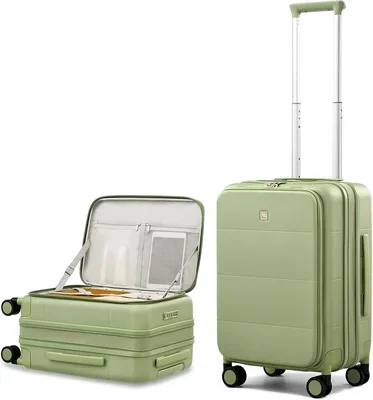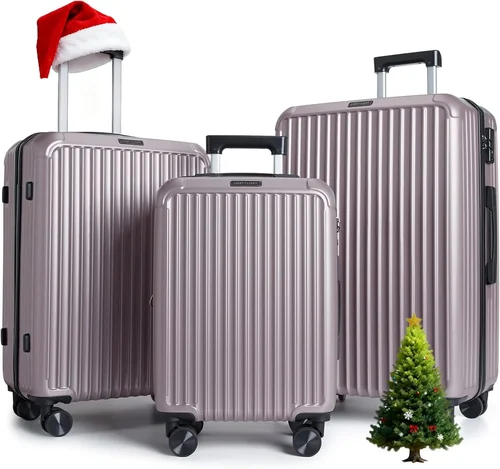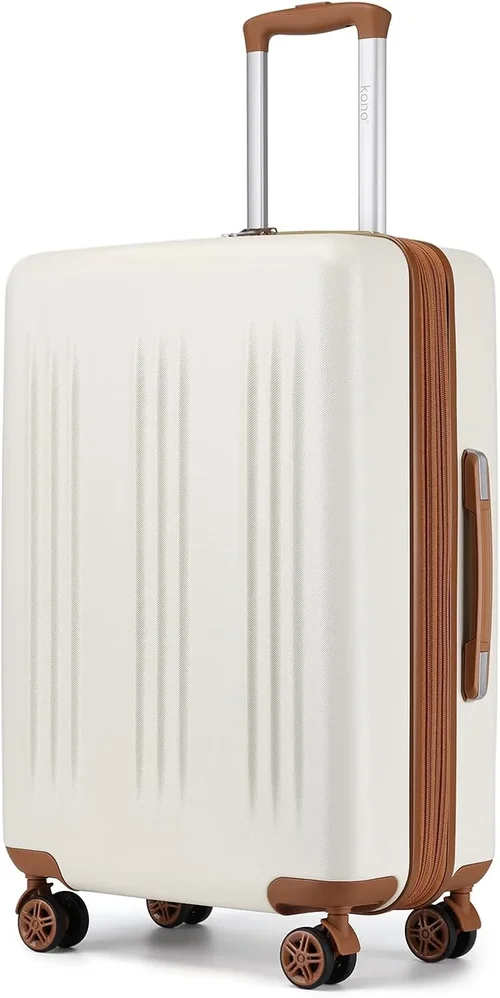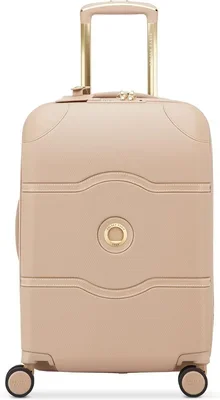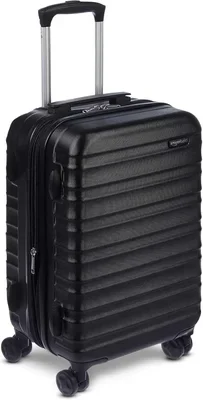
Choosing the right expandable hard case luggage can feel like navigating a maze of technical specifications, brand promises, and price tags. Whether you are a frequent business traveler, a family planning a summer vacation, or a solo adventurer who values durability above all else, the suitcase you pick will travel with you through airports, train stations, and hotel lobbies. This guide exists to cut through the noise and give you a clear, step‑by‑step framework for evaluating every option on the market. By the time you finish reading, you will know exactly which features matter most for your travel style, how to spot a genuine bargain versus a marketing gimmick, and how much you should realistically budget for a suitcase that will last for years.
In the following sections we break down the decision‑making process into priority order. First we cover the core factors that determine performance and longevity, then we compare the main categories of expandable hard cases, highlight common buying mistakes, lay out realistic budget tiers, share expert shopping tips, answer the most frequently asked questions, and finally give you our top recommendations for every type of traveler. Think of this article as your personal shopping consultant — one that has tested dozens of models, spoken with product engineers, and distilled the experience into actionable advice you can trust.

What to Look for When Buying Buying Guide
1. Shell Material and Construction
The shell is the first line of defense for your belongings. Most expandable hard cases use either polycarbonate, ABS (acrylonitrile butadiene styrene), or a hybrid blend. Polycarbonate is the gold standard for impact resistance; it flexes under pressure rather than cracking, which makes it ideal for rough handling on conveyor belts. ABS is lighter and cheaper but more brittle — suitable for occasional leisure trips but less forgiving on frequent flights. Hybrid shells combine a polycarbonate outer layer with an ABS core, offering a balance of weight, cost, and durability. When you examine a suitcase, press gently on the corners; a quality polycarbonate case will feel solid yet slightly springy, while a cheap ABS case will feel rigid and hollow.
2. Expandable Mechanism and Zipper Quality
The expandable feature is what sets this category apart. Most models use a gusseted zipper that adds 1.5 to 2.5 inches of depth when opened. The zipper itself is a critical component — YKK or similar branded zippers with self‑healing teeth resist snagging and last longer than generic no‑name zippers. Check that the expansion zipper runs the full perimeter of the case; partial expansions can create weak points where the fabric tears. Also verify that the zipper pulls are large enough to grip with gloved hands, a small detail that matters in cold climates.
3. Wheel System: Spinner vs. Inline
Four‑wheel spinner systems have become the default for hard cases because they allow 360‑degree maneuverability, letting you glide the bag beside you rather than dragging it behind. High‑end spinners use precision‑ball bearings and polyurethane tires that roll silently on tile and carpet alike. Inline two‑wheel models are still found on budget lines; they are more stable on uneven pavement but require tilting the case to steer. If you frequently navigate crowded terminals, invest in a spinner with replaceable wheel housings — some brands sell spare wheel kits, extending the life of the suitcase dramatically.
4. Handle System: Telescopic and Ergonomics
A telescopic handle should lock securely at multiple heights (usually three) and retract smoothly without wobble. Aluminum or reinforced alloy tubes are preferable to plastic, which can bend under heavy loads. The grip material matters too — rubberized or contoured foam reduces hand fatigue on long walks. Test the handle by extending it fully and giving it a firm shake; any play indicates a loose locking mechanism that will worsen over time.
5. Interior Organization and Compression
Inside, look for a divided main compartment with a zippered mesh divider, compression straps, and at least one dedicated pocket for shoes or dirty laundry. Compression straps keep clothing from shifting during transit, which reduces wrinkles and maximizes the extra space gained from expansion. Some premium models include a removable garment folder or a built‑in wet/dry pocket — handy for separating swimwear or toiletries. If you travel with a laptop, verify that the interior depth accommodates a 15‑inch device even when the case is expanded.
6. Locking System and Security Features
TSA‑approved combination locks are standard on most hard cases, but the implementation varies. Integrated locks built into the frame are more tamper‑resistant than padlock‑style loops that can be cut. Some brands offer a “dual‑lock” system where the main zipper and the expansion zipper each have their own lock, giving you the option to secure the expanded volume separately. For added peace of mind, consider a case with a built‑in USB port that routes a power bank cable through a locked compartment — this keeps your charger safe while you charge devices on the go.
7. Weight and Airline Compliance
Weight directly affects your baggage allowance. A 22‑inch carry‑on should ideally weigh under 7 lb (3.2 kg) empty; larger checked models can range from 9 lb to 13 lb. Remember that many airlines now enforce strict linear dimension limits (length + width + height) for both carry‑on and checked bags. Measure the external dimensions including wheels and handles, not just the shell. A case that expands beyond the airline’s limit may force you to check it at the gate, incurring fees.
8. Warranty, Repairability, and Brand Support
A solid warranty signals confidence in build quality. Look for at least a 5‑year limited warranty covering shell cracks, wheel failure, and handle defects. Some premium brands (e.g., Briggs & Riley, Tumi) offer lifetime warranties with free repair services, including wheel and handle replacements. Check whether the brand has authorized service centers in your region; a warranty is useless if you must ship the suitcase overseas for a simple wheel swap. Also, read the fine print — many warranties exclude damage caused by airline mishandling unless you purchase an optional “travel protection” plan.
Different Types of Buying Guide

Common Buying Mistakes to Avoid
❌ Mistake: Choosing the Lightest Case Without Checking Durability
Why it’s bad: Ultra‑light shells often sacrifice corner reinforcement and zipper quality. A 5‑lb carry‑on may look attractive on the scale, but a single rough handling can crack the shell, leaving you with a useless bag mid‑trip.
What to do instead: Aim for a weight that balances durability and airline limits. A 6.5‑lb polycarbonate carry‑on with reinforced corners will survive far more trips than a 4.8‑lb ABS model.
❌ Mistake: Ignoring Expandable Zipper Quality
Why it’s bad: Cheap zippers jam, split, or lose teeth after a few expansions. When the zipper fails, the extra volume becomes inaccessible and the case may no longer close securely.
What to do instead: Insist on branded YKK or equivalent zippers with self‑healing teeth. Test the zipper in store by opening and closing the expansion fully three times; it should glide without resistance.
❌ Mistake: Overlooking Airline Size Restrictions
Why it’s bad: A case that expands beyond the carrier’s linear dimension limit forces you to check it at the gate, often with a hefty fee. Some airlines also count wheels and handles in the measurement.
What to do instead: Measure the external dimensions yourself (including wheels) and compare them to the most restrictive airline you fly. Choose a model that stays compliant even when fully expanded.
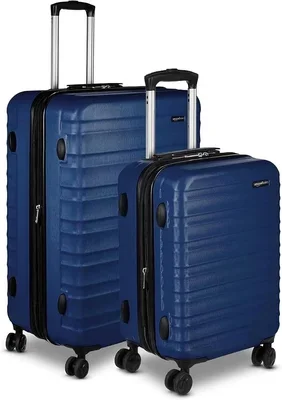
❌ Mistake: Buying a Set Just Because It Looks Coordinated
Why it’s bad: Sets often include a large checked bag you may never use, inflating the overall price. The quality of each piece can vary; the carry‑on might be excellent while the large suitcase uses thinner material.
What to do instead: Purchase pieces individually based on your actual travel pattern. If you only need a carry‑on and a medium checked bag, buy those two models separately — often from the same line — to guarantee consistent quality.
❌ Mistake: Skipping Warranty Registration
Why it’s bad: Many brands require online registration within 30 days to activate the full warranty. Missing this window leaves you with only the statutory minimum coverage.
What to do instead: Register the product immediately after purchase. Keep the receipt and a photo of the serial number in a cloud folder for easy access if you ever need a claim.
❌ Mistake: Assuming All Spinner Wheels Are Equal
Why it’s bad: Low‑end spinners use plastic hubs and thin polyurethane tires that develop flat spots and wobble after a few trips. Replacement wheels may not be available.
What to do instead: Look for “dual‑ball‑bearing” or “precision‑ball‑bearing” wheels with a minimum 2‑inch diameter. Brands that sell spare wheel kits (e.g., Travelpro, Samsonite) are a safer long‑term bet.
❌ Mistake: Neglecting Interior Layout for Your Packing Style
Why it’s bad: A beautiful exterior means little if the interior lacks compression straps, a mesh divider, or a dedicated shoe pocket. You’ll end up with wrinkled clothes and tangled cables.
What to do instead: Visualize your typical packing list. If you carry a suit, prioritize a garment folder. If you travel with tech, ensure a padded laptop sleeve fits even when expanded.
Budget Guidelines: How Much Should You Spend?
Entry‑Level ($80 – $150)
At this tier you’ll find mostly ABS or thin polycarbonate shells, basic two‑wheel inline systems, and generic zippers. Expandable depth is usually limited to 1.5 in. These suitcases work for occasional leisure travelers who fly once or twice a year and handle their own bags carefully. Expect a 1‑ to 2‑year lifespan before wheels or handles show wear. Warranty coverage is often limited to 1 year and excludes airline damage.
Mid‑Range ($150 – $350)
This is the sweet spot for most frequent flyers. You get genuine polycarbonate or high‑quality hybrid shells, four‑wheel spinners with ball bearings, YKK expansion zippers, TSA‑approved integrated locks, and a 5‑year limited warranty. Weight stays competitive (6.5‑8 lb for a 22‑in carry‑on). Brands like Travelpro, Delsey, and Samsonite’s mid‑line models dominate here. The extra $50‑$100 over entry‑level buys you years of reliable service and often includes replaceable wheel kits.
Premium ($350 – $650)
Premium cases feature thicker polycarbonate (often 100% virgin material), reinforced aluminum handle tubes, dual‑lock expansion zippers, and advanced interior systems (removable garment folders, wet/dry pockets, modular packing cubes). Wheels are oversized (2.5‑in) with sealed bearings for silent rolling. Warranties extend to 10 years or lifetime with free repair services. This tier suits business travelers who log 30+ flights per year and need a suitcase that looks professional after hundreds of trips.
Luxury ($650 +)
Luxury models — think Rimowa, Tumi’s top‑tier, or Briggs & Riley’s “Baseline” line — use proprietary materials such as aluminum‑magnesium alloy frames, hand‑stitched leather accents, and custom‑fit interior accessories. They often include built‑in tracking tags, USB‑C pass‑through charging, and a dedicated concierge repair service. While the performance gains over premium are marginal for most users, the resale value and brand prestige can justify the cost for status‑conscious travelers.
Expert Tips for Getting the Best Deal
- Shop Off‑Season: Major sales occur in January (post‑holiday clearance) and late August (back‑to‑school). Retailers discount last‑year’s colors heavily while the core technology remains unchanged.
- Use Price‑Tracking Tools: Browser extensions like Honey or CamelCamelCamel alert you when a specific model drops below your target price. Set alerts for the exact SKU to avoid accidentally buying a lower‑spec variant.
- Check Authorized Outlet Stores: Brands such as Samsonite and Travelpro operate outlet locations with factory‑seconds that have only cosmetic blemishes. These carry the full warranty and can be 30‑40% off MSRP.
- Bundle with Credit‑Card Travel Perks: Many premium credit cards offer statement credits for luggage purchases or complimentary baggage insurance. Pairing a $300 suitcase with a $100 travel credit effectively lowers your out‑of‑pocket cost.
- Test In‑Store Before Buying Online: Even if you plan to order online, visit a physical store to feel the handle, spin the wheels, and test the expansion zipper. Subtle differences in ergonomics are impossible to gauge from photos alone.
- Read the Return Policy Fine Print: Some retailers charge a restocking fee for opened luggage or require the original packaging. Choose sellers with a 30‑day no‑questions‑asked return window (e.g., Amazon, REI, Zappos).
- Consider Refurbished Units: Manufacturer‑refurbished cases come with a like‑new warranty and are often 20‑30% cheaper. Look for “Certified Refurbished” labels on the brand’s official site.
- Leverage Loyalty Programs: Frequent flyer programs sometimes partner with luggage brands for exclusive discounts or bonus miles on purchase. Check your airline’s shopping portal before checkout.
Frequently Asked Questions
Q: Can I use an expandable hard case as a carry‑on on all airlines?
A: Most 22‑inch expandable spinners meet the standard domestic U.S. carry‑on limit (22 × 14 × 9 in) when collapsed. However, international carriers (e.g., Ryanair, EasyJet) often enforce stricter limits (21.6 × 15.7 × 7.8 in). Always measure your specific model with wheels and handles included, and verify the airline’s policy before you fly.
Q: Does expanding the suitcase weaken the shell?
A: No — provided the expansion gusset is made from the same high‑grade material as the main shell and the zipper is reinforced. The shell itself does not stretch; the gusset simply unfolds. Cheap models with thin fabric gussets can tear, so stick to brands that use a polycarbonate‑reinforced expansion panel.
Q: How do I clean a hard‑case shell without damaging the finish?
A: Use a soft microfiber cloth dampened with warm water and a mild dish soap. Avoid abrasive cleaners, alcohol‑based wipes, or magic erasers, which can dull the glossy coating. For scuff marks, a small amount of non‑gel toothpaste applied gently with a cloth can restore shine.
Q: Are spinner wheels replaceable on all models?
A: Not all. Budget lines often rivet the wheel housing to the shell, making replacement impossible without drilling. Mid‑range and premium models typically use screw‑in wheel modules. Before buying, check the manufacturer’s website for “spare parts” or “wheel kit” availability.
Q: What is the difference between a TSA lock and a regular combination lock?
A: A TSA lock has a special keyway that allows Transportation Security Administration agents to open and relock the suitcase without cutting the lock. Regular combination locks lack this feature; if TSA needs to inspect your bag, they will cut the lock, leaving you without a lock for the remainder of the trip.
Q: How much extra packing space does the expansion actually add?
A: Typical expansion adds 1.5‑2.5 in of depth, translating to roughly 15‑25% more volume. On a 22‑in carry‑on that’s about 3‑4 L extra — enough for a couple of sweaters or a pair of shoes. The gain diminishes on larger checked bags because the base volume is already high.
Q: Can I check an expandable hard case without worrying about the zipper bursting?
A: Yes, if you lock both the main and expansion zippers with TSA‑approved locks and avoid over‑packing beyond the expanded limit. The zipper is designed to hold the expanded volume under normal handling forces. However, extreme compression from stacked luggage in the hold can stress the zipper; using a luggage strap around the case adds an extra safety margin.
Q: Is a hard case better than a soft‑side for protecting fragile items?
A: Generally, yes. A rigid shell distributes impact forces more evenly than a fabric shell, reducing the risk of crushed electronics or broken souvenirs. For extremely delicate items (camera gear, glassware), add a padded insert or a dedicated hard‑case insert inside the suitcase.
Q: How do I know if a warranty covers airline damage?
A: Most standard warranties exclude damage caused by common carriers. Some brands offer an optional “travel protection” plan for an extra fee that covers airline mishandling. Read the warranty booklet or the brand’s FAQ page; if it’s not explicitly mentioned, assume it’s not covered.
Q: What should I do if the telescopic handle gets stuck?
A: First, fully collapse the handle and spray a light silicone lubricant into the tube joints. Extend and retract several times. If the handle remains stuck, check for bent tubes — often caused by forcing the handle while the case is overloaded. Contact the manufacturer’s service center; many mid‑range and premium brands will replace the handle assembly under warranty.
Our Final Recommendations
Best for Budget‑Conscious Buyers
AmazonBasics 21‑Inch Hardside Spinner – Priced around $95, this ABS shell offers a functional expansion zipper, four double‑spinner wheels, and a 3‑year limited warranty. It’s lightweight (6.2 lb) and fits most domestic carry‑on sizers. Ideal for occasional travelers who want a reliable bag without a large upfront investment.
Best Overall Value
Travelpro Maxlite 5 22‑Inch Expandable Spinner – At roughly $180, you get a 100% polycarbonate shell, precision‑ball‑bearing spinner wheels, YKK expansion zipper, integrated TSA lock, and a 10‑year warranty with free wheel replacement. The interior includes a suiter compression pad and a wet pocket. It balances weight (6.8 lb), durability, and organization better than any other model in its class.
Best Premium Option
Samsonite Freeform 25‑Inch Expandable Spinner – Retailing near $340, this case features a 100% polycarbonate shell with a unique “micro‑diamond” texture that resists scratches, dual‑lock expansion zippers, oversized 2.5‑in spinner wheels, and a 10‑year global warranty. The interior boasts a removable garment folder and a dedicated laptop sleeve that fits a 15.6‑inch device even when expanded.
Best for Beginners
Delsey Paris Chatelet Hard+ 21‑Inch Carry‑On – Priced around $210, the Chatelet combines a stylish faux‑leather accent with a polycarbonate shell, silent double‑spinner wheels, and a built‑in TSA lock. Its intuitive layout (single large compartment with a zippered divider) makes packing straightforward for first‑time hard‑case users. The 5‑year warranty and responsive customer service add confidence.
Best for Advanced Users
Briggs & Riley Baseline Domestic Carry‑On Expandable – At $550, this is a lifetime‑warranty workhorse. The CX expansion system adds 2.5 in without compromising the shell’s structural integrity. The aircraft‑grade aluminum handle tube, self‑healing YKK zippers, and a modular interior with a removable garment folder make it the choice of frequent business travelers who demand zero‑compromise performance.
Conclusion: Making the Right Choice
Selecting expandable hard case luggage is ultimately about matching the suitcase’s capabilities to your travel rhythm. Start by defining the trips you take most often — short business hops, family vacations, or extended overseas stays — and let that dictate the size category. Prioritize a polycarbonate shell, branded expansion zipper, and a spinner wheel system with replaceable modules; these three features deliver the biggest return on investment in durability and day‑to‑day ease. Set a realistic budget using the tiers outlined above, but remember that spending an extra $50‑$100 in the mid‑range often buys you years of additional service and a warranty that actually gets honored.
Use the expert tips to time your purchase, leverage credit‑card perks, and test the handle and wheels before you commit. Register the warranty the moment the box arrives, and keep a digital copy of the receipt. With a well‑chosen expandable hard case, you’ll spend less time wrestling with luggage and more time enjoying the journey. Happy travels, and may your next suitcase be the last one you need to buy for a long, long time.