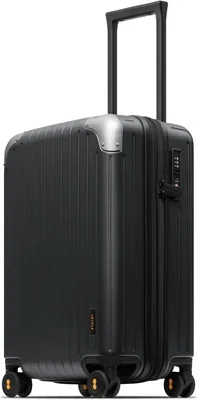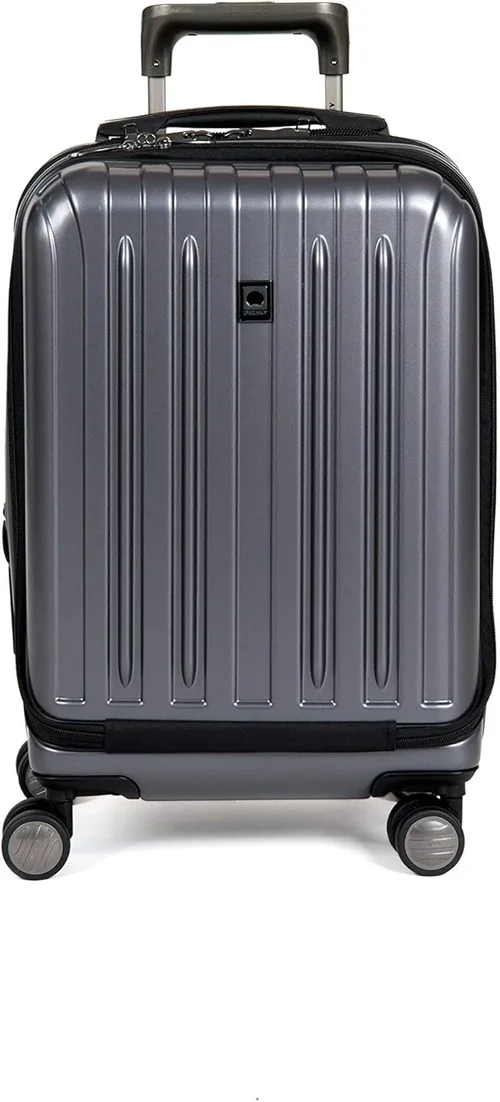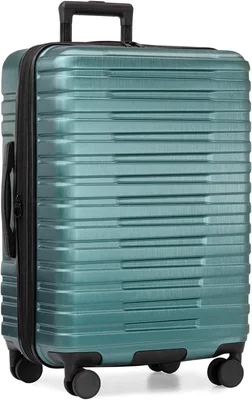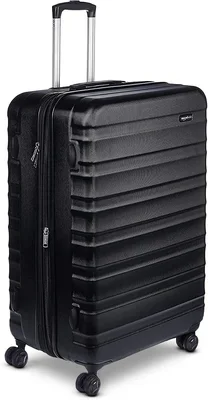
Choosing the right expandable spinner luggage can feel like navigating a maze of specifications, brand promises, and price tags. Whether you’re a frequent flyer who values a smooth roll through crowded terminals or an occasional traveler who wants a little extra packing room for souvenirs, the right suitcase makes every journey smoother. This guide breaks down every critical factor, explains the jargon in plain language, and gives you a clear roadmap so you can shop with confidence and avoid costly mistakes.
In the next sections you’ll learn what to prioritize first — size, durability, wheel quality, and expandability — before diving into the different categories of spinner luggage on the market. We’ll compare budget, mid‑range, premium, and luxury tiers, highlight common buying pitfalls, and share insider tips on timing your purchase, spotting genuine deals, and making the most of warranties. By the end you’ll have a personalized checklist that matches your travel style to the perfect expandable spinner.

What to Look for When Buying Buying Guide
1. Size and Capacity
Size is the first filter because airlines enforce strict linear‑inch limits for carry‑on and checked bags. A 22‑inch carry‑on typically fits in overhead bins on most domestic flights, while a 26‑ to 28‑inch checked spinner gives you maximum packing volume without exceeding the 62‑linear‑inch rule. Expandable models add 1.5 to 2.5 inches of depth when unzipped, turning a 22‑inch bag into roughly a 24‑inch capacity — ideal for a weekend trip that suddenly needs an extra outfit. Measure your typical packing list (shoes, toiletries, electronics) and match it to the internal dimensions, not just the external label.
2. Build Quality and Materials
Hard‑shell spinners usually use polycarbonate, ABS, or a blend. Polycarbonate is the gold standard: it flexes under impact, resists cracking, and keeps weight low. ABS is cheaper but more brittle; a blend offers a middle ground. Soft‑shell spinners rely on high‑denier ballistic nylon (1680D or higher) or polyester with a water‑repellent coating. Look for reinforced corners, double‑stitched seams, and a protective frame around the handle tube — these details survive baggage‑handler tosses far better than a thin plastic shell alone.
3. Wheel System: Spinner vs. Inline
Four‑wheel spinners rotate 360°, letting you glide the bag beside you rather than dragging it behind. Quality spinners use precision‑ball bearings, polyurethane tread, and a wide wheelbase for stability. Cheap models often have plastic hubs that wobble after a few trips. Inline two‑wheel bags roll straight but require tilting; they’re lighter but less maneuverable in tight aisles. If you value effortless navigation through airports, train stations, and hotel lobbies, invest in a true spinner with sealed bearings.
4. Expandability Mechanism
Expandable luggage adds a zippered gusset that unfolds extra depth. The best designs use a YKK or SBS zipper with a lockable pull tab, reinforced stitching, and a fabric guard that prevents the zipper from snagging on the frame. Some premium models add a compression strap inside the expansion panel to keep contents from shifting when the bag is fully expanded. Test the zipper in the store — it should glide smoothly without catching, and the panel should lie flat when closed.
5. Handle System and Ergonomics
A telescoping handle should lock at multiple heights (usually three) and retract fully without sticking. Aluminum or aircraft‑grade alloy tubes resist bending; plastic tubes can snap under heavy loads. The grip material matters too — rubberized or contoured handles reduce hand fatigue on long walks. Check that the handle housing is reinforced where it meets the shell; a cracked housing is a common failure point on budget bags.
6. Interior Organization
Look for a full‑length divider panel, mesh zip pockets, compression straps, and a dedicated laptop or tablet sleeve if you carry tech. Removable laundry bags and shoe compartments keep dirty items separate. Some brands offer modular packing cubes that snap into the liner — a nice bonus but not a deal‑breaker if you already own cubes.
7. Security Features
TSA‑approved combination locks are standard on most spinners. Integrated locks (built into the zipper pull) are sleeker than padlocks and can’t be lost. Some premium lines add a double‑coil zipper that resists forced entry, and a few even embed a Bluetooth tracker slot. If you travel internationally, a lock that accepts a universal TSA key is essential.
8. Warranty and Brand Support
A lifetime limited warranty signals confidence. Read the fine print: does it cover wheel replacement, handle repair, or only manufacturing defects? Brands with dedicated service centers (e.g., Samsonite, Travelpro, Briggs & Riley) let you ship the bag for free repairs, while others require you to pay shipping both ways. Good customer service can turn a broken wheel into a quick fix instead of a new purchase.
Different Types of Buying Guide

Common Buying Mistakes to Avoid
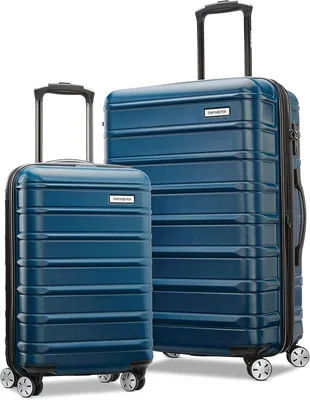
❌ Mistake: Ignoring Airline Size Restrictions
Why it’s bad: A bag that looks perfect in the store may be rejected at the gate, forcing you to check it and pay fees. What to do instead: Verify the exact linear‑inch limits for your most‑used carriers and measure the suitcase yourself, including wheels and handles.
❌ Mistake: Choosing the Lightest Bag Without Checking Durability
Why it’s bad: Ultra‑light models often sacrifice frame reinforcement, wheel bearings, or zipper quality. What to do instead: Aim for a sweet spot — 6‑8 lb for a 22‑inch carry‑on — and read reviews that mention long‑term wear.
❌ Mistake: Overlooking Expandability Limits
Why it’s bad: Some bags expand only on paper; the zipper jams or the shell warps when fully opened. What to do instead: Test the expansion in person or watch video reviews that show the bag fully expanded and packed.
❌ Mistake: Skipping Wheel Quality Checks
Why it’s bad: Cheap plastic wheels develop flat spots, making the bag drag and wobble. What to do instead: Spin each wheel; it should rotate freely for several seconds. Look for sealed ball bearings and polyurethane tread.
❌ Mistake: Buying Based Solely on Brand Name
Why it’s bad: Even reputable brands have entry‑level lines that cut corners. What to do instead: Compare specific model specs, not just the logo. A mid‑range Travelpro may outperform a premium‑priced Samsonite basics line.
❌ Mistake: Neglecting Warranty Details
Why it’s bad: A “lifetime warranty” that only covers manufacturing defects leaves you paying for wheel or handle replacements. What to do instead: Read the warranty PDF before purchase; note claim process, shipping costs, and coverage for wear items.
❌ Mistake: Forgetting Interior Layout Needs
Why it’s bad: A beautiful exterior hides a chaotic interior that forces you to repack at security. What to do instead: Visualize your packing routine — do you need a laptop sleeve, a wet‑dry pocket, or compression straps? Choose a layout that matches.
Budget Guidelines: How Much Should You Spend?
Entry‑Level ($80 – $150): Expect ABS or low‑grade polycarbonate shells, basic two‑wheel or entry‑level spinner wheels, minimal interior organization, and a one‑year limited warranty. Good for occasional leisure travelers who pack light and don’t mind replacing the bag every few years.
Mid‑Range ($150 – $300): This is the sweet spot for most frequent flyers. You’ll find true polycarbonate or high‑denier ballistic nylon, four‑wheel spinners with sealed bearings, expandable gussets with quality zippers, TSA locks, and a 5‑ to 10‑year warranty. Brands like Travelpro, Delsey, and American Tourister shine here.
Premium ($300 – $500): Premium spinners add reinforced corners, magnesium‑alloy handle tubes, self‑healing zippers, integrated USB ports or tracker slots, and often a lifetime warranty with free repair shipping. Briggs & Riley, Samsonite Black Label, and Tumi occupy this tier.
Luxury ($500+): Hand‑crafted details, exotic materials (e.g., carbon‑fiber frames, leather accents), bespoke interior configurations, and concierge‑level service. Brands such as Rimowa, Globe‑Trotter, and high‑end Tumi collections. Buy only if the prestige and service experience matter as much as function.
Expert Tips for Getting the Best Deal
- Shop Off‑Season: Major sales hit in January (post‑holiday), May (pre‑summer), and September (back‑to‑school). Retailers clear inventory for new models.
- Use Price‑Tracking Tools: Extensions like Honey, CamelCamelCamel, or Keepa alert you when a specific model drops below your target.
- Check Manufacturer Refurbished: Brands such as Briggs & Riley and Samsonite sell factory‑refurbished units with full warranty at 20‑30 % off.
- Bundle with Packing Cubes: Some retailers throw in a set of packing cubes or a toiletry kit when you buy a spinner — value you’d otherwise pay $30‑$50 for.
- Read Return Policies: A 30‑day no‑questions return lets you test the bag on a real trip. Avoid final‑sale clearance items unless you’re certain.
- Test In‑Store If Possible: Roll the bag on carpet and tile, extend the handle, open the expansion zipper, and lift it by the top carry handle. Feel the weight distribution.
- Register Your Warranty Immediately: Many brands require online registration within 30 days to activate the full coverage period.
- Consider a Credit‑Card Purchase Protection: Some premium cards extend warranty an extra year and cover accidental damage for the first 90 days.

Frequently Asked Questions
Q: What does “expandable” actually add in usable space?
A: Most expandable spinners add 1.5‑2.5 inches of depth, translating to roughly 15‑25 % more volume. The exact gain depends on the bag’s base dimensions; a 22‑inch carry‑on may go from 38 L to about 45 L when expanded.
Q: Are four‑wheel spinners harder to control on uneven pavement?
A: Quality spinners with wide‑set wheels and low‑center‑of‑gravity frames handle cobblestones and curbs well. Cheap narrow‑base models can wobble. If you frequently traverse rough terrain, look for larger‑diameter wheels (3‑inch+) and a sturdy chassis.
Q: Can I replace a broken wheel myself?
A: Many mid‑range and premium brands sell replacement wheel kits and provide video tutorials. Entry‑level bags often have riveted wheels that aren’t user‑serviceable. Check the manufacturer’s parts page before buying.
Q: Do I need a TSA lock if I never check my bag?
A: Even carry‑ons can be gate‑checked on full flights. A built‑in TSA lock secures your belongings without the hassle of a separate padlock, and it adds virtually no weight.
Q: How do I clean a hard‑shell spinner?
A: Wipe the exterior with a damp microfiber cloth and mild soap. Avoid abrasive cleaners that can dull the finish. For scuffs, a small amount of automotive polishing compound restores shine.
Q: Is a soft‑shell spinner more durable than a hard‑shell?
A: Soft‑shells absorb impacts better and resist cracking, but they can tear if snagged on sharp edges. Hard‑shells protect fragile contents from crushing but may crack under severe impact. Choose based on what you pack most.
Q: What’s the difference between polycarbonate and ABS?
A: Polycarbonate is a high‑performance thermoplastic that flexes and returns to shape; ABS is cheaper, more rigid, and prone to cracking on hard hits. Many mid‑range bags blend the two for a balance of cost and resilience.
Q: How important is a built‑in USB port?
A: It’s a convenience, not a necessity. The port simply routes a power bank cable to the outside. If you already carry a power bank with a short cable, you can skip this feature and save $30‑$50.
Q: Can I fit a 15‑inch laptop in a 22‑inch carry‑on spinner?
A: Most 22‑inch spinners have a padded laptop sleeve that fits up to 15.6 inches. Verify the interior dimensions (usually listed as “laptop compartment: 15.5 × 10.5 × 1.2 in”) before purchasing.
Q: What should I do if my spinner’s handle gets stuck?
A: First, fully collapse the handle, then extend it slowly while gently wiggling side‑to‑side. Lubricate the sliding tubes with a silicone‑based spray (not oil). If it still binds, contact the manufacturer — many cover handle mechanisms under warranty.
Our Final Recommendations
- Best for Budget‑Conscious Buyers: Amazon Basics 21‑Inch Hardside Spinner — polycarbonate/ABS blend, four double‑spinner wheels, basic TSA lock, 1‑year warranty. Under $100 and reliable for a few trips a year.
- Best Overall Value: Travelpro Platinum Elite 22‑Inch Expandable Spinner — high‑density nylon, MagnaTrac self‑aligning wheels, precision glide handle, lifetime warranty with free repairs. Typically $220‑$260.
- Best Premium Option: Briggs & Riley Baseline Domestic Carry‑On Expandable Spinner — ballistic nylon, CX expansion system, lifetime “no‑questions” warranty including wheels and handles. Around $380.
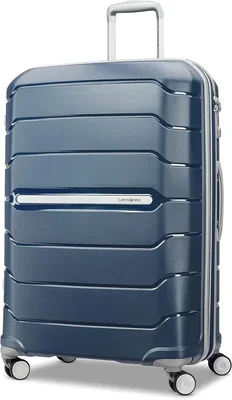
- Best for Beginners: Samsonite Freeform 21‑Inch Spinner — lightweight polycarbonate, smooth double wheels, simple interior, 10‑year limited warranty. Easy to use, widely available, ~$180.
- Best for Advanced Users: Rimowa Essential Cabin Plus — polycarbonate shell, electronic tag integration, multi‑stage telescoping handle, premium aesthetics. $600+ but built for decades of heavy travel.
Conclusion: Making the Right Choice
You now have a complete framework: start with the size that matches your airline’s limits, then prioritize a durable shell material, a smooth four‑wheel spinner system, and a reliable expandable zipper. Layer on interior organization, a comfortable handle, and a warranty that actually covers the parts most likely to fail. Match those needs to a price tier that respects your budget, and use the expert timing and tracking tips to snag the best deal.
Remember, the perfect suitcase isn’t the one with the most features — it’s the one that disappears into the background of your journey, letting you focus on the destination. Take your checklist to the store or the product page, test the wheels, feel the handle, and trust the data you’ve gathered. Your next trip will thank you.
Happy travels, and may your spinner glide effortlessly from curb to gate every time.