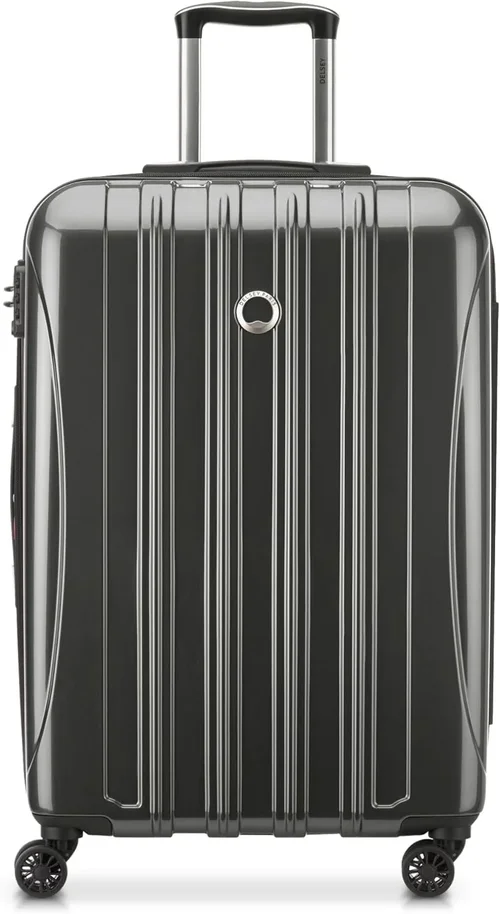
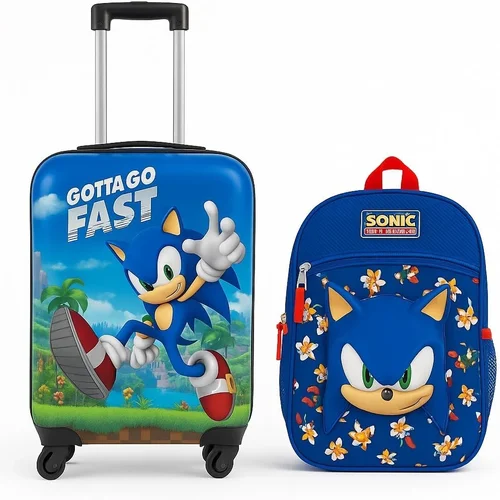
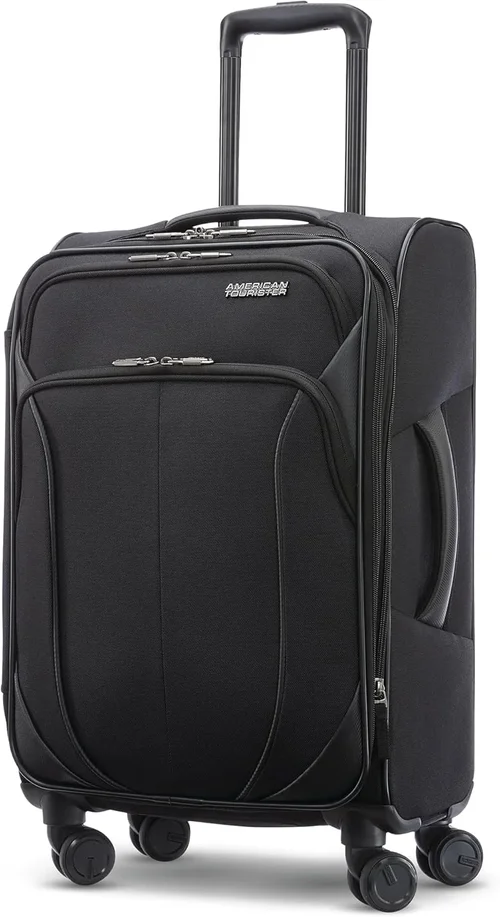
Traveling light has never been more important—especially when you’re trying to avoid checked baggage fees, long waits at the carousel, or the risk of lost luggage. For frequent flyers, weekend adventurers, and digital nomads alike, cabin luggage is a non-negotiable part of the journey. But not all cabin bags are created equal. Enter expandable cabin luggage: the smart traveler’s secret weapon for maximizing space without sacrificing portability.
In this comprehensive buying guide, we’ll dive deep into everything you need to know about expandable cabin luggage—from how it works and why it matters, to what separates a good bag from a great one. Whether you’re a seasoned globetrotter or preparing for your first solo trip, this guide will equip you with the knowledge to make a confident, informed purchase. You’ll learn how to evaluate key features like build quality, expansion mechanisms, wheel systems, and airline compliance. We’ll also break down common pitfalls, budget considerations, and expert tips to help you get the best value for your money.
The market for expandable cabin luggage has exploded in recent years, with brands ranging from budget-friendly options like AmazonBasics and American Tourister to premium players like Away, Rimowa, and Samsonite. With so many choices, it’s easy to feel overwhelmed. Some bags expand by just an inch, while others can nearly double their capacity. Some use zippers, others rely on snap buttons or telescopic frames. And while most claim to be “carry-on approved,” airline size restrictions vary widely—making compliance a critical factor. This guide cuts through the noise, offering a clear, expert-backed roadmap to help you find the perfect expandable cabin bag for your travel style, budget, and needs.

What to Look for When Buying Expandable Cabin Luggage
1. Airline Size Compliance
Before you even consider features like expandability or wheels, the most important factor is whether your bag will actually fit in the overhead bin. Airlines enforce strict size limits for cabin luggage, and these can vary significantly between carriers. For example, most U.S. airlines (like Delta, United, and American) allow carry-ons up to 22 x 14 x 9 inches (56 x 36 x 23 cm), including wheels and handles. European carriers like Ryanair and easyJet are often stricter, with limits around 21.6 x 16.9 x 9.8 inches (55 x 48 x 25 cm). Low-cost airlines may charge extra if your bag exceeds their dimensions—even by a fraction of an inch.
Expandable bags add complexity because their size changes. A bag that fits perfectly when closed might bulge beyond limits when expanded. Always check the expanded dimensions listed by the manufacturer. Look for models that stay within standard limits even when fully expanded, or those that offer a “compliant mode” (e.g., a partial expansion that keeps the bag within airline rules). Some brands, like Away and Travelpro, design their expandable bags with airline regulations in mind, offering detailed size guides for major airlines.
2. Expansion Mechanism & Capacity
The core appeal of expandable cabin luggage is its ability to increase storage space when needed. But not all expansion systems are created equal. The most common method is a zippered gusset—a fabric panel that unfolds when unzipped, adding 1.5 to 3 inches of depth. This can increase capacity by 20–40%, turning a 35-liter bag into a 50-liter one. Higher-end models may use reinforced zippers or double zippers for smoother operation and added durability.
Some bags feature a telescopic expansion system, where the entire shell extends upward like a telescope. These are less common but offer a clean, seamless look and often better structural support. Others use snap-button panels or elasticized sides, which are quicker to deploy but may not provide as much extra space. When evaluating expansion, consider how much extra room you realistically need. Weekend trips might only require a small boost, while longer journeys or shopping-heavy vacations could benefit from maximum expansion.
Also, pay attention to how the expansion affects the bag’s shape. A well-designed expandable bag should maintain a balanced silhouette when expanded, avoiding a lopsided or bulky appearance. Poorly engineered models may become unwieldy or tip over when overfilled. Look for reinforced corners and structured frames in premium models to maintain shape under load.
3. Build Quality & Durability
Your cabin bag is subjected to rough handling—dragging through terminals, being shoved into overhead bins, and enduring temperature changes. That’s why build quality is non-negotiable. The material, stitching, zippers, and hardware all contribute to long-term durability.
Polycarbonate shells (like those used by Away and Rimowa) are lightweight, impact-resistant, and offer excellent protection for fragile items. They’re ideal for frequent travelers but come at a higher price. ABS plastic is more affordable and still durable, though slightly heavier and less flexible. Softshell bags made from ballistic nylon (e.g., Samsonite’s Lite-Lock) or polyester offer flexibility and often better expansion capabilities, but may not protect electronics as well.
Zippers are a common failure point. Look for YKK or RiRi zippers—industry standards known for reliability. Double zippers allow you to lock the bag and prevent tampering. Reinforced stitching at stress points (like handle mounts and wheel housings) is essential. Check for welded seams in high-end models, which reduce the risk of tearing.
Hardware like handles, latches, and wheels should feel solid and operate smoothly. Telescopic handles should extend and retract without wobbling. Test the handle’s locking mechanism—some cheaper models slip or jam under pressure. Wheels should roll quietly and pivot easily. Avoid bags with flimsy plastic wheels; opt for polyurethane or rubberized ones for better traction and shock absorption.
4. Wheel System & Maneuverability
Wheels can make or break your travel experience. A bag that’s hard to maneuver turns a simple walk through the airport into a frustrating ordeal. Most expandable cabin bags use either two or four wheels.
Two-wheeled (spinner) bags are pulled like traditional suitcases. They’re stable and easy to control in straight lines but struggle on uneven surfaces or when turning sharply. Four-wheeled (spinner) bags offer 360-degree rotation, making them ideal for navigating crowded terminals, tight corners, and escalators. They’re more versatile but can be prone to wheel damage if not well-built.
Look for wheels that are recessed into the bag’s frame to reduce snagging. Larger wheels (around 2–3 inches in diameter) roll more smoothly over cracks and carpet. Some premium models feature shock-absorbing wheels or dual-wheel systems for added stability. Test the wheels by rolling the bag on different surfaces—listen for grinding or wobbling, which indicates poor quality.
Maneuverability also depends on the handle. A telescopic handle should have at least two or three height settings to accommodate different users. Ergonomic grips with soft-touch materials reduce hand fatigue. Avoid handles that extend too high or too low—comfort is key during long walks.
5. Weight & Portability
Every ounce counts when you’re carrying your bag through the airport. A heavier bag means less room for your belongings—and more strain on your arms and back. Most expandable cabin bags weigh between 5 and 9 pounds (2.3–4 kg) when empty. Premium polycarbonate models tend to be lighter, while softshell bags with extra features may be heavier.
Check the weight before you buy. A 7-pound bag might not seem like much, but when fully packed, it can easily exceed 20 pounds—the typical carry-on weight limit for many airlines. Lightweight designs often sacrifice durability, so balance is key. Look for bags that use advanced materials like Curv (a lightweight composite used by Samsonite) or Aerolite (a high-strength nylon).
Portability also includes ease of lifting. Top and side handles should be padded and securely attached. Some bags include a removable shoulder strap for hands-free carrying—useful when navigating stairs or public transport. Consider how you’ll move the bag: will you roll it, carry it, or both?
6. Interior Organization & Features
A well-organized bag saves time and reduces stress. Look for expandable cabin luggage with thoughtful interior design. Compression straps help secure clothing and prevent shifting during transit. Zippered compartments allow you to separate clean and dirty items, shoes, or electronics.
Many modern bags include a dedicated laptop sleeve (usually 13–17 inches), often padded and TSA-friendly. Some feature a removable laundry bag, shoe compartment, or toiletry pouch. Expandable models may include an extra zippered panel that unfolds to create a separate compartment when expanded—ideal for souvenirs or last-minute purchases.
Mesh pockets are great for small items like chargers, passports, or snacks. Look for full-length zippered dividers that keep clothes flat and wrinkle-free. Some premium bags use compression zippers that reduce bulk by squeezing excess air out of clothing.
Additional features to consider: built-in USB ports (with internal battery pockets), TSA-approved locks, RFID-blocking pockets, and reflective strips for visibility. While not essential, these can enhance convenience and security.
7. Brand Reputation & Customer Support
Not all luggage brands are equal. Established names like Samsonite, Travelpro, and Rimowa have decades of experience and rigorous testing standards. They often offer better warranties, customer service, and replacement parts. Lesser-known brands may offer attractive prices but lack long-term reliability.
Research brand reputation by reading customer reviews on trusted sites like Trustpilot, Consumer Reports, or Reddit. Look for patterns: are complaints about broken zippers, cracked shells, or poor customer service? Brands with strong support typically respond quickly to issues and offer hassle-free returns or repairs.
Also consider the availability of spare parts. Can you easily replace a wheel or handle? Some brands sell replacement parts online, while others require you to send the entire bag for repair. This is especially important for frequent travelers who rely on their luggage daily.
8. Warranty & Return Policy
A good warranty is a sign of confidence in a product’s quality. Most reputable brands offer at least a 2–5 year warranty covering manufacturing defects. Premium brands like Away and Rimowa often provide lifetime or limited lifetime warranties, though these may exclude normal wear and tear.
Read the fine print. Some warranties only cover the shell, not the wheels or zippers. Others require you to register the product within 30 days of purchase. Check if the warranty is global—important if you travel internationally.
Return policies are equally important. Look for retailers that offer at least a 30-day return window, preferably with free return shipping. This gives you time to test the bag at home and ensure it meets your needs. Some brands, like Away, offer a 100-day trial period—giving you ample time to evaluate performance.
Different Types of Expandable Cabin Luggage

Common Buying Mistakes to Avoid

❌ Mistake: Ignoring Airline Size Restrictions
Why it’s bad: Buying a bag that looks “small enough” without checking exact dimensions can lead to forced checked baggage fees, delays, and frustration. Expandable bags are especially risky because their size changes.
What to do instead: Always verify the expanded dimensions against your airline’s carry-on policy. Use manufacturer specs and consider measuring the bag yourself before travel.
❌ Mistake: Prioritizing Price Over Quality
Why it’s bad: Cheap bags often use flimsy zippers, weak wheels, and thin materials that fail within months. You may end up replacing it sooner, costing more in the long run.
What to do instead: Invest in a mid-range or premium bag with proven durability. Look for brands with strong warranties and positive long-term reviews.
❌ Mistake: Overlooking Wheel Quality
Why it’s bad: Poor wheels can jam, wobble, or break, making the bag difficult to maneuver. This is especially problematic in large airports or on uneven terrain.
What to do instead: Test the wheels in-store or read detailed reviews. Opt for polyurethane or rubberized wheels with smooth 360-degree rotation.
❌ Mistake: Neglecting Interior Organization
Why it’s bad: A disorganized bag leads to wrinkled clothes, lost items, and wasted time unpacking. Expandable bags can become cluttered quickly if not well-designed.
What to do instead: Choose a bag with compression straps, zippered compartments, and a dedicated laptop sleeve. Look for expandable models with smart interior layouts.
❌ Mistake: Assuming All Expandable Bags Are Equal
Why it’s bad: Expansion mechanisms vary widely. Some add minimal space, while others nearly double capacity. Some are easy to use, others are stiff or unreliable.
What to do instead: Research how the expansion works—zippered gusset, telescopic frame, or snap panels. Read user reviews to see real-world performance.
❌ Mistake: Skipping the Warranty Check
Why it’s bad: If your bag breaks, a weak warranty means you’re stuck with repair costs or a replacement. Some brands offer no coverage at all.
What to do instead: Always check the warranty terms before buying. Prefer brands with at least a 3-year warranty and global coverage.
❌ Mistake: Buying Without Testing
Why it’s bad: Online photos don’t show how a bag feels to carry, roll, or pack. You might end up with a bag that’s uncomfortable or poorly designed.
What to do instead: If possible, visit a store to test the bag. If buying online, choose retailers with generous return policies.
Budget Guidelines: How Much Should You Spend?
Expandable cabin luggage spans a wide price range, from under $50 to over $500. Your budget should reflect how often you travel, your priorities, and how long you want the bag to last.
Entry-Level ($50–$100): These bags are ideal for occasional travelers or those on a tight budget. Expect basic materials like polyester or thin ABS, simple zippers, and minimal features. Brands like AmazonBasics, American Tourister, and Rockland offer decent options in this range. While they may lack durability, they’re fine for short trips or backup use. Just don’t expect them to survive years of heavy use.
Mid-Range ($100–$200): This is the sweet spot for most travelers. Bags in this range offer a good balance of quality, features, and price. Look for reinforced stitching, better zippers, and improved wheel systems. Brands like Samsonite, Travelpro, and Delsey excel here. Many include TSA locks, compression straps, and lightweight designs. These bags typically last 3–5 years with regular use.
Premium ($200–$400): For frequent flyers and business travelers, premium bags offer top-tier materials, advanced features, and superior craftsmanship. Polycarbonate shells, YKK zippers, and ergonomic handles are standard. Brands like Away, Rimowa, and Briggs & Riley dominate this space. Expect smart features like built-in USB ports, GPS tracking, and lifetime warranties. These bags are built to last a decade or more.
Luxury ($400+): At this level, you’re paying for design, brand prestige, and cutting-edge innovation. Rimowa’s aluminum cases, for example, are iconic but come with a $1,000+ price tag. These bags often use proprietary materials, custom hardware, and limited-edition designs. They’re best for collectors, executives, or those who value aesthetics as much as function.

Expert Tips for Getting the Best Deal
- Shop during off-peak seasons: Luggage sales often occur in January (post-holiday), July (summer travel prep), and Black Friday. Avoid buying right before major holidays when prices are highest.
- Compare prices across retailers: Check Amazon, REI, Target, and brand websites. Some offer exclusive colors or bundles. Use price tracking tools like Honey or CamelCamelCamel to monitor discounts.
- Look for bundle deals: Some brands sell expandable cabin bags with matching backpacks or toiletry kits at a discount. These can offer better value than buying separately.
- Consider refurbished or open-box items: Retailers like Best Buy and Amazon often sell certified refurbished luggage at 20–40% off. These come with warranties and are typically in like-new condition.
- Read the return policy carefully: Ensure you can return the bag if it doesn’t meet your expectations. Some retailers charge restocking fees or only offer store credit.
- Test the bag at home: Pack it with your typical items and roll it around your house. Check for comfort, balance, and ease of use. This helps avoid buyer’s remorse.
- Check for student or military discounts: Brands like Away and Samsonite offer discounts for students, teachers, and military personnel. Always ask!
- Join loyalty programs: Sign up for newsletters or loyalty clubs to receive early access to sales, exclusive discounts, and free shipping.

Frequently Asked Questions
Q: Can I take an expandable cabin bag on all airlines?
A: Most expandable cabin bags are designed to meet standard carry-on size limits, but you must check the expanded dimensions. Some low-cost airlines have stricter rules, so always verify with your carrier before flying.
Q: How much extra space does an expandable bag really add?
A: Typically, 1.5 to 3 inches of depth, increasing capacity by 20–40%. This can mean the difference between fitting everything and needing a checked bag.
Q: Are expandable bags harder to pack?
A: Not necessarily. Many include compression straps and zippered compartments to keep items secure. The key is to pack smart—use the expansion for bulky items like shoes or souvenirs.
Q: Do expandable bags weigh more?
A: Slightly, due to the extra zipper and fabric. However, modern designs minimize weight gain. Look for lightweight materials to offset the difference.
Q: Can I lock an expandable bag?
A: Yes, most have TSA-approved locks or dual zippers that can be secured with a small padlock. This is especially useful when expanded.
Q: Are four wheels better than two?
A: Four-wheel spinners offer greater maneuverability in tight spaces, while two-wheel models are more stable on rough terrain. Choose based on your travel style.
Q: How do I clean my expandable cabin bag?
A: For hard shells, use a damp cloth and mild soap. Softshell bags can often be spot-cleaned or machine-washed on a gentle cycle (check the care label first).
Q: What if my bag breaks during travel?
A: Contact the manufacturer immediately. Most reputable brands offer repair services or replacements under warranty. Keep your receipt and photos of the damage.
Q: Can I use an expandable bag for international travel?
A: Absolutely. Just ensure it meets the size requirements of your destination’s airlines. Some countries have stricter rules, so research in advance.
Q: Are there eco-friendly expandable cabin bags?
A: Yes. Brands like Patagonia and EcoSmart use recycled materials and sustainable practices. Look for certifications like Bluesign or GOTS.
Our Final Recommendations
Best for Budget-Conscious Buyers: Samsonite Winfield 2 Softside Expandable – At around $100, this bag offers excellent value with durable nylon, smooth wheels, and a reliable expansion zipper. It’s lightweight and airline-compliant.
Best Overall Value: Away The Carry-On (Expandable) – Priced at $225, this polycarbonate bag features a built-in battery, TSA lock, and sleek design. Its expansion adds 2.5 inches and maintains a clean profile.
Best Premium Option: Rimowa Essential Cabin Expandable – At $600+, this is a luxury investment. Made from lightweight polycarbonate, it offers unmatched durability, German engineering, and a lifetime warranty.
Best for Beginners: Travelpro Platinum Elite 21” Expandable – Designed by flight attendants, this bag is user-friendly, durable, and packed with smart features like a suiter compartment and PowerScope handle.
Best for Advanced Users: Briggs & Riley Baseline Domestic Carry-On Expandable – With a lifetime guarantee, CX compression technology, and ultra-smooth wheels, this bag is built for serious travelers who demand perfection.
Conclusion: Making the Right Choice
Choosing the right expandable cabin luggage is about more than just extra space—it’s about enhancing your entire travel experience. A well-designed bag saves time, reduces stress, and protects your belongings. By focusing on airline compliance, build quality, wheel performance, and smart features, you can find a bag that grows with your needs.
Remember, the best bag is the one that fits your lifestyle. If you travel once a year, a mid-range softshell may suffice. If you’re on the road weekly, invest in a premium hard shell with a lifetime warranty. Don’t let price alone dictate your decision—consider longevity, usability, and support.
Take the time to research, compare, and test. Read reviews, check warranties, and prioritize your must-have features. With the insights from this guide, you’re now equipped to make a confident, informed choice. Your next adventure deserves the perfect companion—choose wisely, pack smart, and travel light.