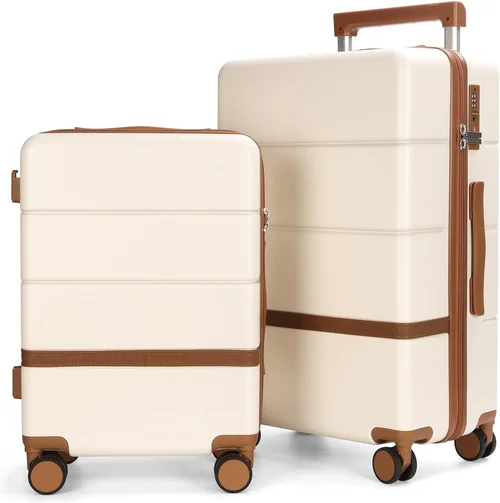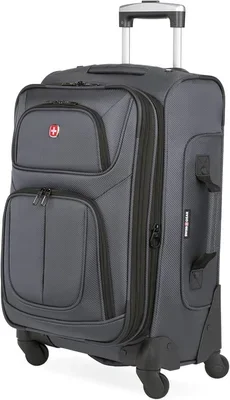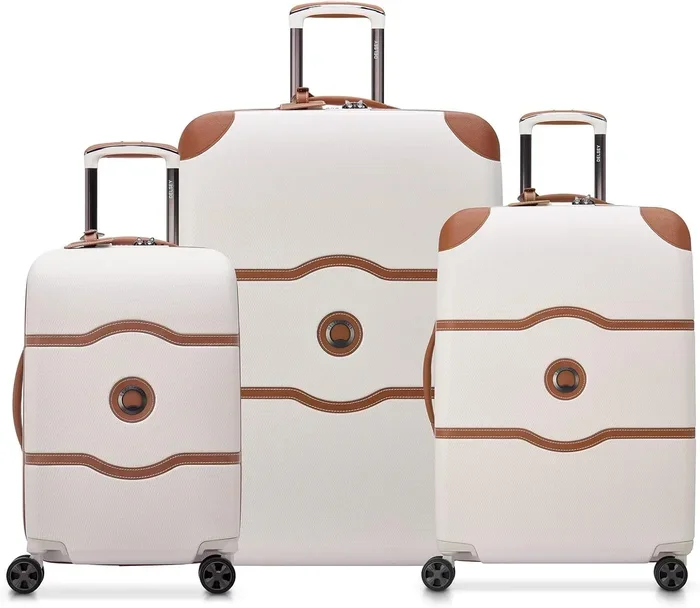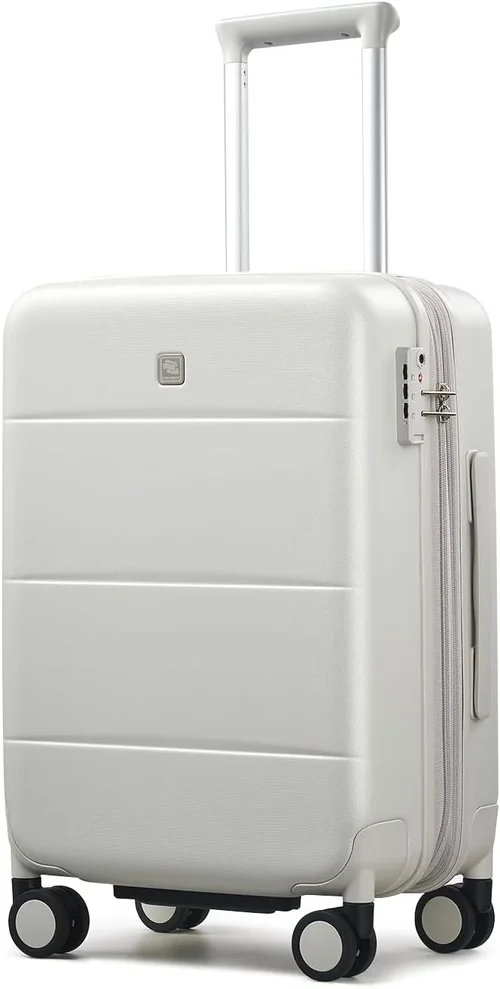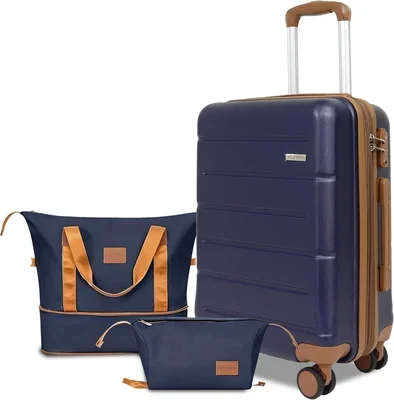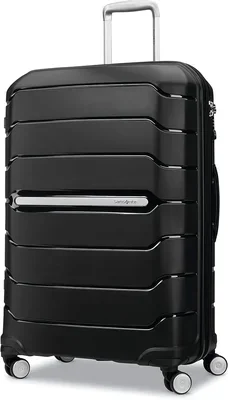
Choosing the right expandable spinner carry‑on can feel like navigating a maze of specifications, brand promises, and price tags. In 2017 the market exploded with new materials, wheel technologies, and smart‑feature integrations, making it harder than ever to know which bag will actually survive the rigors of overhead bins, tight connections, and the occasional cobblestone street. This guide exists to cut through the noise and give you a clear, step‑by‑step framework for evaluating every option on the shelf.
By the time you finish reading, you will understand the critical factors that separate a durable travel companion from a disposable accessory, you will be able to compare the major categories side‑by‑side, and you will walk away with a personalized budget plan and a shortlist of models that match your travel style. Whether you are a weekend warrior, a business‑class frequent flyer, or a family vacation planner, the insights below will give you the confidence to invest in a carry‑on that truly works for you.
What to Look for When Buying Buying Guide
1. Size & Airline Compliance
The first filter for any carry‑on is the dimensional envelope imposed by the airlines you fly most often. In 2017 most U.S. carriers limited overhead‑bin space to 22 × 14 × 9 inches (including wheels and handles), while many European low‑cost airlines enforced a stricter 21.5 × 15.5 × 9 inch limit. An expandable spinner typically adds 1.5–2 inches of depth when the zipper is opened, so you must verify that the compressed dimensions meet the strictest rule you encounter. Look for a model that publishes both “packed” and “expanded” measurements, and keep a tape measure handy when you shop in‑store.
2. Build Quality & Materials
Durability hinges on three material families: the shell fabric, the frame, and the wheel assembly. In 2017 the most common shell fabrics were ballistic nylon (1680 D), high‑tenacity polyester (1200 D), and polycarbonate hard‑shells. Ballistic nylon offers excellent abrasion resistance and a bit of give, which helps absorb impacts. Polycarbonate shells are lighter and protect contents from crushing but can crack under severe stress. The frame should be reinforced with aluminum or high‑grade polymer ribs; a flimsy frame leads to warping after a few heavy loads. Wheels are the next weak point – look for double‑spinner wheels with sealed ball bearings and a polyurethane tread. Cheap single‑spinner wheels tend to wobble and seize after a few hundred miles.
3. Expandability Mechanism
Not all expansion zippers are created equal. A quality expandable carry‑on uses a dual‑track zipper with a reinforced gusset that distributes stress evenly across the panel. Cheaper models rely on a single‑track zipper that can snag, separate, or tear the fabric when the bag is overstuffed. Test the zipper in the store: it should glide smoothly from fully closed to fully open without catching. Also check whether the expansion adds a structured panel (often a hidden fabric wall) that maintains the bag’s shape, preventing the “balloon” effect that makes the bag difficult to fit in overhead bins.
4. Wheel System & Maneuverability
Spinner wheels are the hallmark of modern carry‑ons, but the number of wheels, bearing quality, and wheel diameter dictate real‑world performance. Four double‑spinner wheels (eight contact points) give 360° rotation and superior stability on uneven surfaces. Wheel diameter of 2.5–3 inches rolls over carpet, tile, and cobblestones more easily than 1.5‑inch wheels. Sealed ball bearings keep dust and moisture out, extending life. A quick test: push the bag forward, then pull it backward; it should track straight without veering. If the bag drifts, the wheel alignment or bearing quality is suspect.
5. Handle System Ergonomics
The telescopic handle is your primary interface with the bag. In 2017 the best handles featured a multi‑stage aluminum tube with a comfortable, contoured grip (often rubberized or foam). Look for a handle that locks securely at each height increment and does not wobble when fully extended. The release button should be easy to press with one hand, even when wearing gloves. Some premium models add a top‑carry handle and a side‑carry handle with reinforced stitching – useful for lifting the bag into overhead bins or onto a conveyor belt.
6. Interior Organization & Capacity
Smart interior layout can make a 22‑liter bag feel like 30 liters. Key features include a full‑length zippered divider, compression straps, a padded laptop sleeve (usually 15‑inch), and multiple mesh pockets for toiletries, cables, and documents. In 2017 many brands introduced removable packing cubes or a wet/dry compartment for shoes and damp clothes. Evaluate the layout against your packing style: business travelers need a dedicated laptop pocket and quick‑access front panel; leisure travelers may prefer a large open cavity with compression straps to keep clothes wrinkle‑free.
7. Weight & Carry‑On Allowance
Every ounce counts when airlines enforce a 7‑kg (15‑lb) weight limit for carry‑ons. A typical expandable spinner in 2017 weighed between 5.5 lb (2.5 kg) for a polycarbonate shell and 7.5 lb (3.4 kg) for a heavy‑duty ballistic nylon model. Subtract the bag’s weight from your airline’s allowance to know how much payload you truly have. Lightweight models often sacrifice reinforcement, so balance weight savings against the durability factors above.
8. Warranty, Support & Brand Reputation
A strong warranty signals confidence in build quality. In 2017 leading brands offered limited lifetime warranties covering defects in materials and workmanship, while budget brands often limited coverage to 1–2 years. Read the fine print: does the warranty cover wheel replacement, zipper failure, or handle breakage? Also consider the brand’s customer‑service responsiveness – a quick email or phone call can save you weeks of hassle if a wheel fails mid‑trip. User reviews on retailer sites and travel forums (e.g., FlyerTalk, Reddit r/onebag) provide real‑world insight into long‑term reliability.
Different Types of Buying Guide

Common Buying Mistakes to Avoid
❌ Mistake: Ignoring Airline Size Limits
Why it’s bad: A bag that exceeds the allowed dimensions will be gate‑checked, incurring fees and risking damage. Many shoppers buy the “largest expandable” model only to discover it won’t fit in the overhead bin of their primary carrier.
What to do instead: Measure the bag in its compressed state and compare against the strictest airline you fly. Keep a printed copy of the airline’s carry‑on policy in your travel folder.
❌ Mistake: Prioritizing Price Over Wheel Quality
Why it’s bad: Cheap single‑spinner wheels seize after a few trips, turning a smooth glide into a frustrating drag. Replacing wheels on a budget bag often costs more than the bag itself.
What to do instead: Invest in a model with double‑spinner wheels and sealed bearings. Test the roll in‑store; a smooth, quiet roll is a strong indicator of longevity.
❌ Mistake: Overlooking the Expansion Zipper Design
Why it’s bad: A single‑track zipper can burst under pressure, leaving you with a gaping hole and a ruined trip. The expansion feature becomes a liability rather than a benefit.
What to do instead: Choose a dual‑track zipper with a reinforced gusset. Verify the zipper operates smoothly from closed to fully expanded.
❌ Mistake: Neglecting Weight When Choosing a Hard‑Shell
Why it’s bad: Some polycarbonate shells look light but weigh 7 lb empty, eating into a 15‑lb allowance. You end up packing less or paying overweight fees.
What to do instead: Check the manufacturer’s listed weight. Aim for ≤ 6 lb for a 22‑inch carry‑on if you fly weight‑restricted carriers.
❌ Mistake: Skipping Warranty Registration
Why it’s bad: Many lifetime warranties require online registration within 30 days. Missing this window voids coverage for defects that appear later.
What to do instead: Register the product immediately after purchase. Keep the receipt and a photo of the serial tag in a cloud folder for easy access.
❌ Mistake: Buying Without Testing the Handle
Why it’s bad: A handle that wobbles or fails to lock at your height forces you to hunch or stretch, causing fatigue on long walks through terminals.
What to do instead: Extend the handle fully, lock it, and walk a few steps. Ensure it feels stable and the grip is comfortable for your hand size.
❌ Mistake: Assuming All “Smart” Features Are Useful
Why it’s bad: Built‑in batteries may be prohibited on certain airlines (e.g., FAA limits on lithium‑ion > 100 Wh). GPS trackers add weight and cost but may duplicate phone functionality.
What to do instead: Verify airline regulations on removable batteries. If you rarely need on‑the‑go charging, a standard power bank is cheaper and more versatile.
Budget Guidelines: How Much Should You Spend?
Entry‑Level ($80 – $130)
At this tier you’ll find mostly polyester or lower‑denier nylon soft‑shells with single‑spinner wheels and basic telescopic handles. Expandability is usually a simple gusset zipper without a structured panel. Expect a weight of 6.5‑7.5 lb and a 1‑year limited warranty. These bags work for occasional leisure trips (2‑3 flights per year) but may show wheel wear or zipper fatigue after 30‑40 flights.
Mid‑Range ($130 – $250) – Sweet Spot for Most Buyers
This range delivers ballistic nylon or hybrid construction, double‑spinner wheels with sealed bearings, multi‑stage aluminum handles, and a well‑designed expansion system with a reinforced gusset. Weight drops to 5.5‑6.5 lb. Warranties extend to 5‑10 years or limited lifetime. Interior organization includes a padded laptop sleeve, compression straps, and multiple mesh pockets. Brands like Travelpro, Briggs & Riley, and Samsonite dominate here, offering a balance of durability, weight, and price that satisfies business travelers and frequent vacationers alike.
Premium ($250 – $400)
Premium models feature polycarbonate or hybrid shells with advanced impact‑absorbing corners, precision‑machined wheel housings, and ergonomic handles with memory‑foam grips. Expansion panels are often structured with a hidden frame that maintains shape. Weight can be as low as 4.8 lb for a 22‑inch polycarbonate. Warranties are typically lifetime with “no‑questions‑asked” repair or replacement. Additional perks include TSA‑approved locks, integrated USB ports (with removable battery), and dedicated garment folders. Ideal for road warriors logging 50+ flights per year.
Luxury ($400 +)
Luxury carry‑ons push materials to the extreme: aerospace‑grade polycarbonate, carbon‑fiber frames, hand‑stitched leather accents, and bespoke interior layouts. Wheels are often magnetically levitated or use ceramic bearings for near‑silent operation. Brands such as Rimowa, Tumi, and Horizn Studios offer concierge‑level service, including complimentary repairs at global service centers. While the performance gains over premium are marginal for most travelers, the status, aesthetics, and service experience justify the price for a niche audience.
Expert Tips for Getting the Best Deal
- Shop Off‑Season: Major retailers discount luggage heavily in January (post‑holiday) and September (back‑to‑school). You can often snag a $250 mid‑range bag for under $180.
- Use Price‑Tracking Tools: Browser extensions like Honey, CamelCamelCamel, or Keepa alert you when a specific model drops below your target price.
- Check Manufacturer Refurbished Programs: Brands such as Travelpro and Briggs & Riley sell factory‑refurbished units with full warranty at 20‑30 % off MSRP.
- Bundle with Packing Cubes: Some retailers offer a free set of packing cubes (worth $30‑$40) when you purchase a carry‑on, effectively lowering the net cost.
- Leverage Credit‑Card Purchase Protection: Many premium credit cards extend the manufacturer warranty by an extra year and cover accidental damage for the first 90 days.
- Test In‑Store Before Buying Online: Even if you plan to buy online for a better price, visit a physical store to feel the handle, roll the wheels, and test the expansion zipper. This eliminates the risk of a “looks good on screen, feels cheap in hand” surprise.
- Read the Return Policy Fine Print: Some online sellers charge a restocking fee for luggage returns. Choose retailers with free return shipping and a 30‑day no‑questions‑asked policy.
- Consider a “Buy‑It‑For‑Life” Mindset: Spending $50‑$100 more upfront for a bag with a lifetime warranty often saves money over a decade compared to replacing a $100 bag every 2‑3 years.

Frequently Asked Questions
Q: What does “expandable” actually mean in terms of extra capacity?
A: An expandable carry‑on typically adds 1.5‑2 inches of depth, translating to roughly 15‑25 % more volume (about 3‑5 liters). The extra space is accessed via a secondary zipper that opens a gusseted panel. Remember that the expanded dimensions may exceed airline limits, so use the expansion only when you know the bag will be checked or when you have generous overhead‑bin space.
Q: Are hard‑shell spinners more durable than soft‑shells?
A: Hard‑shells excel at protecting fragile contents from crushing impacts, but they can crack under extreme force. High‑quality ballistic nylon soft‑shells resist abrasion and tears better and can flex to fit tight bins. For most travelers, a hybrid (polycarbonate frame with nylon panels) offers the best of both worlds.
Q: How do I clean and maintain spinner wheels?
A: Remove debris (hair, gravel) from the wheel housing with a soft brush. Wipe the polyurethane tread with a damp cloth. If the wheel feels gritty, apply a drop of silicone‑based lubricant to the bearing (avoid oil‑based products). Periodically check the wheel bolts for tightness.
Q: Can I replace a broken handle or wheel myself?
A: Many mid‑range and premium brands sell replacement parts (handles, wheel assemblies, zipper pulls) directly on their websites. Installation usually requires a Phillips screwdriver and a few minutes. Budget brands often use riveted components that are not user‑serviceable.
Q: Is a built‑in USB port worth the extra cost?
A: Only if you frequently need to charge devices while waiting at gates and you prefer not to carry a separate power bank. Ensure the battery is removable (most airlines require it) and that the port supports at least 2.4 A output for fast charging.
Q: What’s the difference between a “spinner” and a “roller”?
A: A spinner has four (or eight) multidirectional wheels that rotate 360°, allowing you to push the bag beside you. A roller (or inline) has two fixed wheels and must be tilted and pulled. Spinners reduce wrist strain and navigate crowded aisles more easily.
Q: How do I know if a carry‑on will fit in the overhead bin of a regional jet?
A: Regional jets (e.g., CRJ‑200, ERJ‑145) have smaller bins, often 20 × 13 × 9 inches. Choose a bag that meets those dimensions in its compressed state, or be prepared to gate‑check. Some manufacturers label models as “regional‑jet compatible.”
Q: Does a lifetime warranty cover airline damage?
A: Typically, no. Lifetime warranties cover manufacturing defects (broken zippers, cracked shells, faulty wheels). Damage caused by airline handling (crushed corners, torn fabric) is considered “accidental damage” and is not covered unless you purchase a separate travel‑insurance or protection plan.
Q: What is the best way to pack an expandable spinner to avoid wrinkles?
A: Use the compression straps to secure clothing flat, place heavier items (shoes, toiletry kit) at the wheel end for balance, and pack a lightweight garment folder or packing cube for dress shirts. The expansion panel should be used only for soft items (sweaters, dirty laundry) that can tolerate a bit of compression.
Q: Are there any carry‑ons that are truly “waterproof”?
A: No carry‑on is fully waterproof because zippers and seams are potential entry points. However, many 2017 models feature water‑resistant coatings (DWR) on the fabric and water‑repellent zipper tapes (e.g., YKK AquaGuard). For heavy rain, consider a separate rain cover or a dry‑bag liner for electronics.
Our Final Recommendations
Best for Budget‑Conscious Buyers: AmazonBasics 22‑Inch Hardside Spinner – Priced around $95, it meets most U.S. carrier dimensions, weighs 6.2 lb, and offers a basic expansion zipper. Wheels are single‑spinner but adequate for occasional travel. One‑year limited warranty.
Best Overall Value (Mid‑Range Sweet Spot): Travelpro Platinum Elite 22‑Inch Expandable Spinner – At $210‑$230 you get ballistic nylon, MagnaTrac double‑spinner wheels, a precision‑glide handle, and a structured expansion panel with a lifetime warranty. Weight is 5.8 lb. Interior includes a dedicated 15‑inch laptop sleeve and a removable suiter.
Best Premium Option: Briggs & Riley Baseline Domestic Carry‑On Expandable Spinner – Priced $330‑$360, this hybrid uses a polycarbonate frame with ballistic nylon panels, CX expansion technology (adds 25 % volume while keeping shape), and a lifetime “no‑questions‑asked” warranty that even covers airline damage. Weight 5.5 lb.
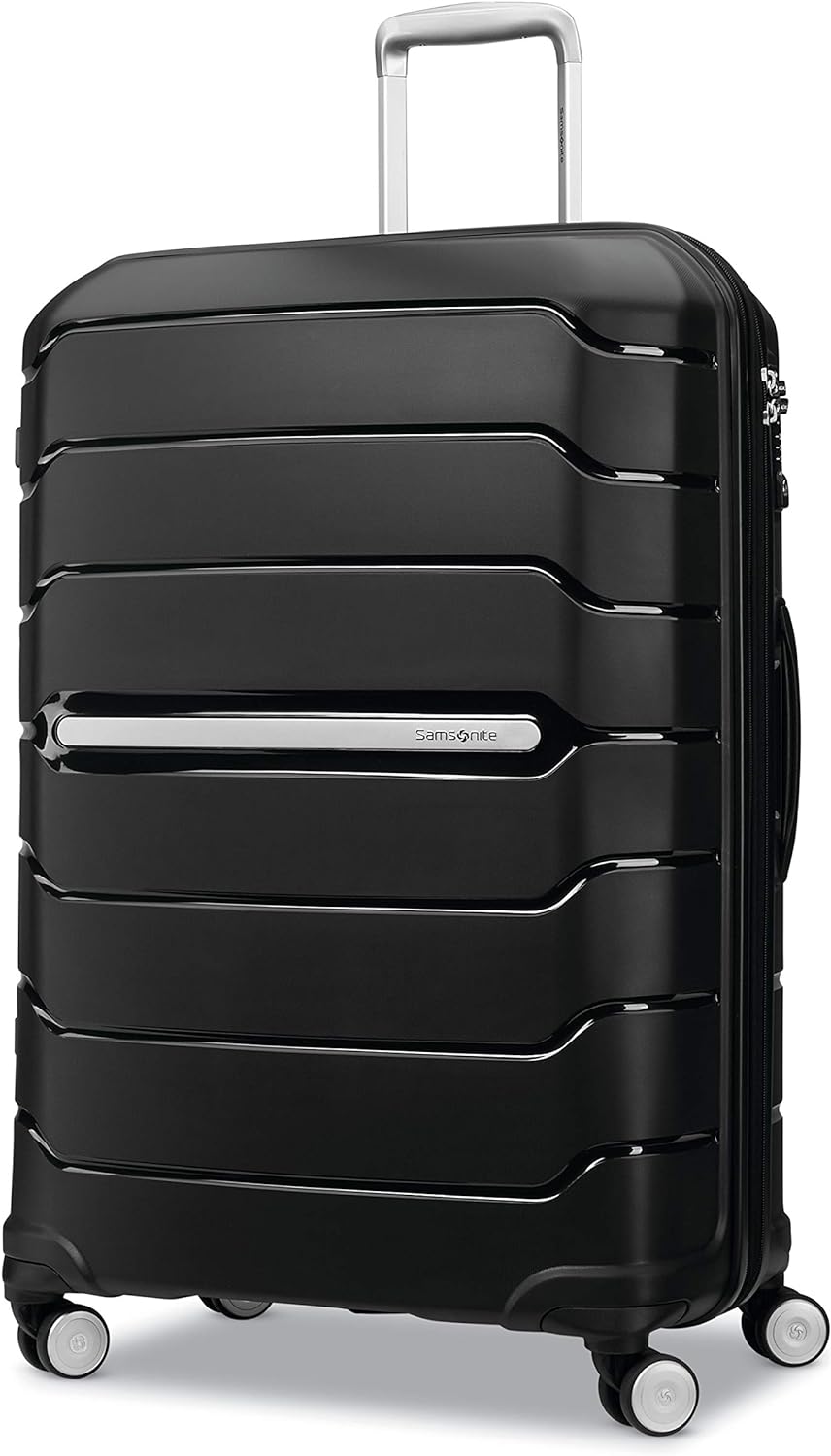
Best for Beginners / First‑Time Carry‑On Buyers: Samsonite Freeform 21‑Inch Spinner – Around $150, lightweight polycarbonate (4.9 lb), four double‑spinner wheels, and a simple expansion zipper. The interior is straightforward with cross‑straps and a mesh divider. Good entry point to learn packing habits.
Best for Advanced Users / Frequent Flyers: Rimowa Essential Cabin Plus – At $550+, you get a grooved polycarbonate shell, multi‑wheel system with ball bearings, TSA‑approved lock, and a sleek, minimalist design. The bag is serviceable at Rimowa boutiques worldwide. Ideal for travelers who value aesthetics, brand service network, and ultra‑smooth maneuverability.
Conclusion: Making the Right Choice
Selecting an expandable spinner carry‑on in 2017 is ultimately about matching the bag’s strengths to your travel patterns. Start by confirming the strictest airline size limit you face, then weigh the importance of weight versus protection, and decide how much expansion you truly need. Invest in a wheel system that rolls silently and a handle that feels like an extension of your arm. Don’t forget to register the warranty the moment you unbox the bag – it’s the safety net that turns a good purchase into a great long‑term investment.
Armed with the factor checklist, the type comparison table, the budget framework, and the expert tips above, you can walk into any store or browse any website with a clear decision matrix. Trust your hands‑on test, read the fine print, and choose the carry‑on that will accompany you on countless smooth journeys. Happy travels, and may your overhead bin always have room for the perfect bag.