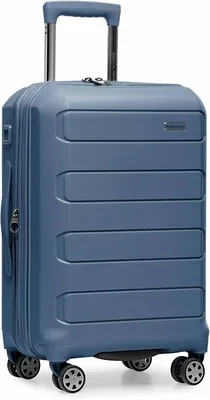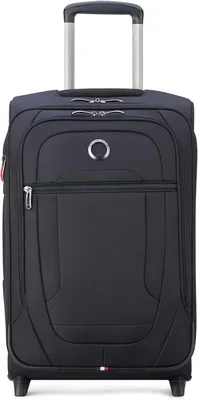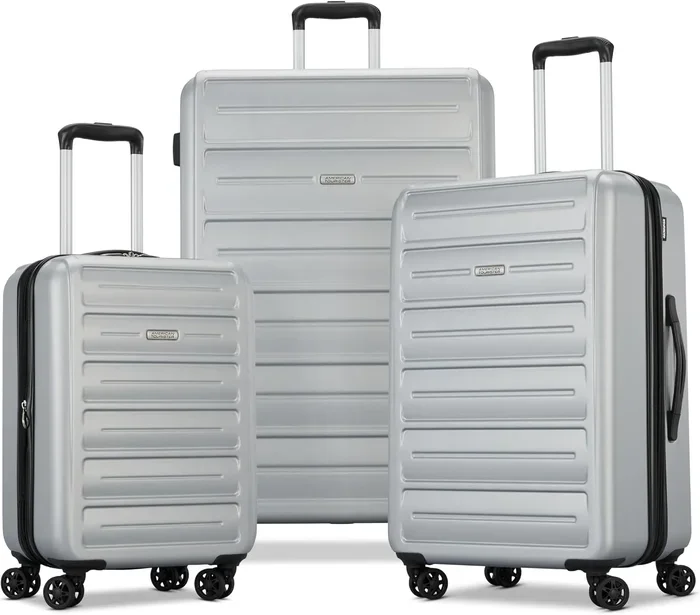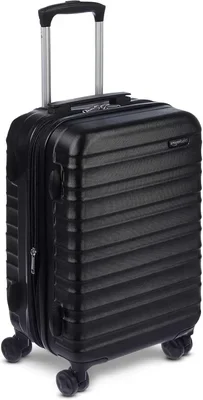
Choosing the right expandable spinner carry‑on can feel like navigating a maze of specs, brands, and price tags. I’ve spent years testing luggage on everything from weekend getaways to month‑long business trips, and I know how a well‑chosen bag can turn a stressful airport sprint into a smooth glide. This guide distills that experience into clear, actionable advice so you can buy with confidence and avoid the common pitfalls that leave travelers regretting their purchase.
In the next sections you’ll learn the six most important factors to evaluate, the main categories of expandable spinners on the market, the mistakes that cost travelers money, and a realistic budget breakdown. I’ll also share pro‑level tips for snagging the best deal, answer the questions I hear most often, and finish with my top picks for every type of traveler. By the end you’ll have a personalized checklist that matches your travel style, budget, and durability expectations.
The market today is crowded with options ranging from ultra‑light polycarbonate shells to rugged ballistic nylon hybrids. Prices swing from under $80 for entry‑level models to well over $600 for premium designer lines. Understanding where the sweet spot lies for your needs will save you both time and money, and it will ensure that the bag you roll onto the overhead bin actually fits, survives, and expands when you need that extra packing space.

What to Look for When Buying Buying Guide
1. Size Compliance and Airline Restrictions
Before you fall in love with a design, verify that the bag’s external dimensions (including wheels and handles) meet the carry‑on limits of the airlines you fly most often. Most U.S. carriers allow 22 × 14 × 9 inches, while many European and Asian airlines enforce stricter 21.5 × 13.5 × 7.5 inch caps. An expandable spinner that exceeds these limits by even half an inch can be forced to check at the gate, incurring fees and the risk of damage. Look for models that list both “overall” and “interior” dimensions, and keep a tape measure handy when you shop in‑store.
2. Expandability Mechanism and Real‑World Capacity Gain
Expandable spinners typically add 1.5 to 2.5 inches of depth via a zippered gusset. That translates to roughly 15‑25 % more packing volume. However, not all expansions are created equal. Some bags use a single zipper that can snag; others employ a double‑track zipper with a protective flap that resists water and debris. Test the expansion in person if possible—open it fully, pack a few items, then compress it back. You’ll feel whether the fabric stretches evenly or creates weak points that could tear under load.
3. Wheel Quality: Spinner vs. Inline, Bearing Type, and Durability
Four 360‑degree spinner wheels are the hallmark of modern carry‑ons. Look for wheels mounted on sealed ball bearings rather than simple bushings; bearings roll smoother, handle heavier loads, and last longer on rough terminal floors. Wheel diameter matters too—larger wheels (3 inches or more) glide over carpet, cobblestones, and curb cuts with less effort. Check that the wheels are recessed into the shell; protruding wheels are the first thing to crack when the bag is dropped or stacked.
4. Shell Material and Impact Resistance
Hard‑shell spinners usually come in polycarbonate, ABS, or a polycarbonate‑ABS blend. Polycarbonate is the gold standard: it flexes on impact instead of cracking, and it rebounds to its original shape. ABS is cheaper but more brittle. Soft‑shell models use ballistic nylon, Cordura, or high‑denier polyester. These fabrics resist abrasion and can absorb a knock, but they offer less protection for fragile electronics. If you frequently pack a laptop or camera, a hard shell with a dedicated padded compartment is worth the extra weight.
5. Handle System: Telescoping Mechanism, Grip Ergonomics, and Lock Integration
A smooth, multi‑stage telescoping handle should lock securely at each height without wobble. Aluminum or reinforced fiberglass tubes resist bending better than thin steel. The grip should be contoured, rubberized, and wide enough for a comfortable hold during long walks. Many premium bags integrate a TSA‑approved combination lock into the handle housing, eliminating the need for a separate padlock and reducing the chance of a lost key.
6. Interior Organization: Dividers, Compression Straps, and Pocket Layout
An expandable spinner shines when its interior lets you separate clean clothes from shoes, toiletries, and electronics. Look for a full‑width mesh divider with a zippered pocket, compression straps that cinch down bulk, and a dedicated laptop sleeve (ideally 15‑inch compatible). Some models add a removable wet/dry pouch or a zippered “privacy” pocket for valuables. The more thoughtful the layout, the less you’ll rummage at security checkpoints.
7. Weight and Carry‑On Weight Limits
Even a lightweight bag can push you over an airline’s 7‑10 kg (15‑22 lb) carry‑on weight limit once packed. Aim for a bare‑bag weight under 7 lb (3.2 kg) for hard shells and under 5.5 lb (2.5 kg) for soft shells. Remember that every ounce saved on the bag is an ounce you can allocate to gear, souvenirs, or a heavier laptop.
8. Warranty, Repair Network, and Brand Reputation
A solid warranty (typically 10 years to lifetime) signals confidence in build quality. Brands with authorized repair centers or a “no‑questions‑asked” replacement policy—like Briggs & Riley, Travelpro, and Samsonite—can save you hundreds if a wheel fails or a zipper splits. Read recent customer reviews for patterns: recurring handle jams, wheel delamination, or zipper failures are red flags even on well‑known names.
Different Types of Buying Guide

Common Buying Mistakes to Avoid
❌ Mistake: Ignoring Airline‑Specific Size Limits
Why it’s bad: A bag that fits one carrier may be rejected by another, forcing a gate check and potential damage.
What to do instead: Compile a list of the airlines you use most and choose a bag that meets the strictest dimensions among them.
❌ Mistake: Prioritizing Aesthetics Over Wheel Quality
Why it’s bad: Beautiful shells with cheap plastic wheels will wobble, jam, or snap within a few trips.
What to do instead: Spin the wheels in‑store; they should rotate freely, silently, and return to center without resistance.
❌ Mistake: Overlooking the Expansion Zipper Design
Why it’s bad: Single‑track zippers snag on fabric, break under tension, and let moisture in.
What to do instead: Choose double‑track, water‑resistant zippers with a protective flap.
❌ Mistake: Buying the Lightest Bag Without Checking Structural Integrity
Why it’s bad: Ultra‑light frames often sacrifice corner reinforcement, leading to cracks at stress points.
What to do instead: Look for reinforced corners, a molded frame, or a hybrid construction that keeps weight low but strength high.
❌ Mistake: Skipping Warranty Registration
Why it’s bad: Many lifetime warranties require online registration within 30 days; missing that window voids coverage.
What to do instead: Register the product immediately after purchase and keep the receipt digitally.
❌ Mistake: Assuming All TSA Locks Are Equal
Why it’s bad: Cheap integrated locks can be picked or jam, leaving you locked out of your own bag.
What to do instead: Test the lock mechanism before travel; consider a separate high‑quality TSA lock as backup.
❌ Mistake: Not Testing the Handle Height for Your Stature
Why it’s bad: A handle that’s too short forces you to hunch, causing back strain on long walks.
What to do instead: Extend the handle fully in‑store and walk a few steps; the grip should sit at wrist level when your arm hangs naturally.
Budget Guidelines: How Much Should You Spend?
Understanding price tiers helps you set realistic expectations and avoid over‑paying for features you’ll never use.
Entry‑Level ($80 – $150)
At this level you’ll find mostly ABS hard shells or basic polyester soft shells. Expect single‑track expansion zippers, plastic bushings on wheels, and a 2‑year limited warranty. These bags work fine for occasional leisure trips (2‑3 flights per year) but may show wear on wheels and handles after heavy use. Weight typically ranges 6.5‑8 lb.
Mid‑Range ($150 – $300)
This is the sweet spot for most frequent flyers. Polycarbonate or polycarbonate‑ABS blends dominate, with sealed ball‑bearing spinner wheels, double‑track expansion, and a 5‑10 year warranty. Interior organization improves—look for removable compression panels and a padded laptop sleeve. Weight drops to 5.5‑7 lb. Brands like Travelpro, Samsonite, and Delsey have strong models here.
Premium ($300 – $500)
Premium bags add magnesium or aluminum handle tubes, self‑healing zippers, integrated TSA locks, and often a lifetime “no‑questions‑asked” warranty with global repair centers. Shells may use 100 % polycarbonate with a textured finish that hides scratches. Weight can be as low as 4.5 lb for a 22‑inch spinner. Briggs & Riley and Tumi lead this tier.
Luxury ($500+)
Luxury lines focus on craftsmanship, brand prestige, and exclusive materials (e.g., ballistic nylon with leather accents, carbon‑fiber frames). Features include modular interior systems, built‑in power banks, and bespoke color options. While durability is excellent, the price premium is largely for design and status. Consider only if the brand experience matters as much as function.
Expert Tips for Getting the Best Deal
- Shop Off‑Season: Major sales hit in January (post‑holiday), May (pre‑summer), and September (back‑to‑school). Retailers clear inventory for new collections, often discounting 20‑40 %.
- Use Price‑Tracking Tools: Browser extensions like Honey or CamelCamelCamel alert you when a specific model drops below your target price.
- Check Manufacturer Refurbished Programs: Brands such as Briggs & Riley and Samsonite sell factory‑refurbished units with full warranty at 30‑50 % off.
- Leverage Credit‑Card Travel Perks: Many premium cards offer baggage‑delay insurance, purchase protection, and extended warranty coverage that effectively adds value to your purchase.
- Buy In‑Store for Fit, Then Order Online: Test handle height, wheel spin, and expansion feel physically, then hunt the best online price (often 10‑15 % lower).
- Read the Return Policy Fine Print: Some retailers charge restocking fees for luggage; choose sellers with free returns and a 30‑day window.
- Bundle with Accessories: Packing cubes, a TSA lock, or a luggage tag often ship free when bought together, saving $20‑$40.
- Consider a “Buy‑It‑For‑Life” Mindset: Spending $300 on a bag that lasts 15 years costs $20 per year versus $80 every 3 years for a cheaper model.

Frequently Asked Questions
Q: Can I expand the bag after it’s already packed?
A: Yes, most expandable spinners allow you to unzip the gusset while the bag is partially filled. Just be careful not to overstuff; the zipper tracks need a little slack to close smoothly.
Q: Do spinner wheels work well on cobblestone streets?
A: Larger diameter wheels (3 inches or more) with sealed bearings handle uneven surfaces far better than small 1.5‑inch wheels. If you frequently navigate historic city centers, prioritize wheel size.
Q: Is a hard‑shell bag heavier than a soft‑shell bag?
A: Not necessarily. Modern polycarbonate shells can weigh less than heavily reinforced ballistic nylon. Always compare the bare‑bag weight spec, not the material category alone.
Q: How do I clean a polycarbonate shell?
A: Wipe with a damp microfiber cloth and mild soap. Avoid abrasive cleaners or solvent‑based products that can dull the finish.
Q: What’s the difference between a TSA lock and a regular combination lock?
A: TSA locks have a master key that security agents can use to open the bag without cutting the lock. Regular locks cannot be opened by TSA and may be destroyed during inspection.
Q: Can I replace a broken wheel myself?
A: Many mid‑range and premium bags use bolt‑on wheel assemblies that you can order from the manufacturer. Entry‑level models often have riveted wheels that require professional repair.
Q: Does the expansion zipper affect the bag’s structural rigidity?
A: When fully expanded, the bag’s frame relies more on the fabric gusset than the shell. For heavy loads, keep the bag in its standard profile and use compression straps to maintain shape.
Q: Are there any carry‑on bags that fit under the seat as well as overhead?
A: Some “under‑seat” spinners are 18‑inch tall and meet both overhead and under‑seat dimensions. They sacrifice a few liters of volume but add versatility on regional jets.
Q: How important is a lifetime warranty versus a 10‑year warranty?
A: Lifetime warranties usually cover defects in materials and workmanship for the life of the product, but they often exclude normal wear (wheel tread, handle grip). A 10‑year warranty from a reputable brand with a strong repair network can be equally valuable.
Our Final Recommendations
- Best for Budget‑Conscious Buyers: AmazonBasics 21‑Inch Hardside Spinner – Priced under $100, meets most U.S. carry‑on limits, features a polycarbonate shell, double‑track expansion, and a 3‑year limited warranty. Ideal for 2‑3 trips per year.
- Best Overall Value: Travelpro Platinum Elite 22‑Inch Expandable Spinner – Around $250, offers MagnaTrac self‑aligning wheels, a precision‑glide handle, lifetime warranty with global repair, and a well‑thought interior with a removable suiter. Fits most airline sizers.
- Best Premium Option: Briggs & Riley Baseline Domestic Carry‑On Expandable Spinner – Near $450, features CX expansion‑compression system (adds 25 % capacity then compresses back), ballistic nylon exterior, lifetime “no‑questions‑asked” warranty, and a dedicated padded laptop compartment.
- Best for Beginners: Samsonite Freeform 21‑Inch Spinner – Lightweight (6.2 lb), simple one‑button handle, smooth spinner wheels, and a 10‑year limited warranty. Easy to use right out of the box.
- Best for Advanced Users: Tumi 19‑Degree Aluminum Expandable Carry‑On – At $600+, it delivers an aluminum frame, integrated TSA lock, modular interior with removable packing cubes, and a 5‑year warranty backed by Tumi’s global service centers. Built for heavy‑duty, frequent international travel.
Conclusion: Making the Right Choice
You now have a complete framework for evaluating expandable spinner carry‑ons: start with airline size compliance, then weigh wheel quality, shell material, handle ergonomics, interior organization, weight, and warranty. Match those criteria to the price tier that aligns with how often you fly and what you typically pack. Remember that the “best” bag isn’t the most expensive—it’s the one that fits your dimensions, survives your handling style, and expands just enough for that extra souvenir without becoming a gate‑check liability.
Take the checklist you’ve built from this guide to the store or to your favorite online retailer. Test the handle, spin the wheels, zip the expansion, and imagine the bag loaded with your gear. Trust your hands as much as the spec sheet. When you find the spinner that feels like an extension of your travel rhythm, you’ll know you’ve made a smart investment.
Safe travels, smooth rolls, and may your overhead bin always have space.