Choosing the right expandable carry on luggage canada can feel overwhelming, especially when you’re juggling airline size limits, personal packing habits, and a budget that stretches from modest to premium. This guide is built to cut through the noise and give you a clear, step‑by‑step framework so you can walk into a store or click “add to cart” with confidence. You’ll learn which specifications actually matter, how to spot marketing fluff, and where the sweet spot lies for most Canadian travellers.
We’ll start by breaking down the essential factors you should evaluate before anything else — size compliance, durability, weight, expansion mechanism, wheel quality, handle ergonomics, warranty coverage, and brand reputation. After that, we’ll compare the main luggage categories (hard‑shell, soft‑shell, hybrid, and smart‑tech) side by side, highlight common buying mistakes, lay out realistic budget tiers, share expert timing and shopping tips, answer the most frequent questions, and finish with concrete recommendations for every type of buyer. By the end, you’ll have a personalized checklist that matches your travel style to the perfect expandable carry on luggage canada.

What to Look for When Buying Buying Guide
1. Airline Size Compliance
Canadian carriers such as Air Canada, WestJet, and Porter enforce strict maximum dimensions for carry‑on bags — typically 55 cm × 35 cm × 23 cm (21.5 in × 13.5 in × 9 in) including wheels and handles. An expandable model must stay within those limits when the expansion zipper is closed. Look for a “compressed” measurement listed by the manufacturer and verify it against your most‑used airline’s policy. A bag that expands 2‑3 cm can add a surprising amount of packing space without risking a gate check.
2. Build Material and Durability
Hard‑shell cases usually employ polycarbonate, ABS, or a blend; polycarbonate offers the best impact resistance while staying lightweight. Soft‑shell bags rely on high‑denier nylon (e.g., 1680D ballistic) or polyester with a water‑repellent coating. Check for reinforced corners, double‑stitched seams, and a sturdy frame that won’t warp after a few overhead‑bin squeezes. A durable shell protects both your belongings and the expansion mechanism from stress fractures.
3. Weight Considerations
Every gram counts when you’re trying to stay under the 7‑10 kg (15‑22 lb) carry‑on weight limit many airlines enforce. Modern polycarbonate shells can weigh as little as 2.2 kg (4.9 lb) for a 21‑inch expandable, while robust ballistic nylon models often sit around 2.5‑2.8 kg. Choose the lightest option that still meets your durability needs — extra weight eats into your packing allowance and can trigger overweight fees.
4. Expansion Mechanism Quality
The expansion zipper or gusset should glide smoothly, lock securely, and resist snagging on fabric. YKK or similar brand‑name zippers with self‑healing teeth are a good sign. Test the expansion in‑store: open it fully, pack a few items, then close it — there should be no gap or misalignment. A poorly designed gusset can burst under pressure, leaving you with a bag that won’t close at the gate.
5. Wheel System and Maneuverability
Four double‑spinner wheels (360° rotation) are the gold standard for smooth airport navigation. Look for wheels recessed into the shell to protect them from curb impacts. Polyurethane (PU) tires roll quieter and grip polished terminal floors better than hard plastic. If you frequently traverse cobblestones or carpeted hotel corridors, larger 75‑mm wheels reduce vibration and effort.
6. Telescoping Handle Ergonomics
A multi‑stage aluminum or carbon‑fiber handle should lock firmly at each height setting without wobble. Grip material matters — rubberized or contoured foam reduces hand fatigue on long walks. Ensure the handle retracts fully into a dedicated cavity so it doesn’t snag on the expansion zipper or interior lining.
7. Warranty and After‑Sales Support
Canadian consumers benefit from brands that honor warranties through local service centers or authorized retailers. A limited lifetime warranty on the shell and a 2‑5 year warranty on components (wheels, handles, zippers) signals confidence. Check whether the claim process requires shipping the bag to the U.S. — domestic repair depots save time and customs hassle.
8. Brand Reputation and User Reviews
Established names like Briggs & Riley, Travelpro, Samsonite, and Away have track records for consistent quality control. Read Canadian‑specific reviews on sites like Amazon.ca, Best Buy, and MEC to spot recurring issues (e.g., zipper failure after winter travel). A brand with a strong Canadian presence often offers faster warranty service and easier returns.
Different Types of Buying Guide

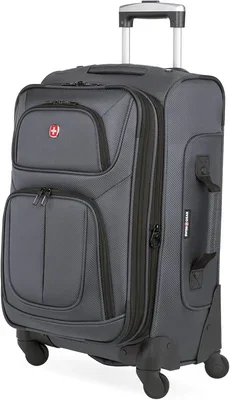
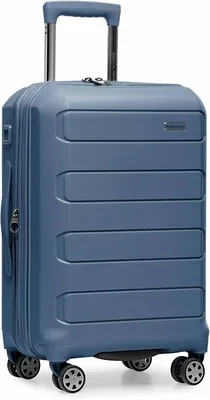
The table above gives a quick snapshot, but the real decision hinges on how each type matches your travel rhythm. Hard‑shell polycarbonate excels when you need a crisp, professional appearance and maximum protection for electronics. Soft‑shell ballistic nylon shines if you regularly stuff a little extra — shoes, a jacket, a souvenir — because the fabric yields without stressing the zipper. Hybrids try to give you both worlds, while smart‑tech models add convenience at a premium. Budget ABS or polyester bags can work for a few trips a year, but they often sacrifice wheel durability and warranty coverage.
Common Buying Mistakes to Avoid
❌ Mistake: Ignoring the “Compressed” Dimensions
Why it’s bad: Many shoppers only read the expanded size and assume the bag will always fit. Airlines measure the bag at the gate in its closed state; if the compressed dimensions exceed the limit, you’ll be forced to check it.
What to do instead: Verify the manufacturer’s listed compressed dimensions against every airline you fly. Keep a printed copy of the specs in your travel folder for quick reference.
❌ Mistake: Choosing the Lightest Bag Without Checking Wheel Quality
Why it’s bad: Ultra‑light models sometimes cut weight by using thin plastic wheels that crack on rough pavement or carpet seams.
What to do instead: Prioritize double‑spinner PU wheels with a recessed design. A slightly heavier bag with robust wheels saves you from a broken wheel mid‑trip.
❌ Mistake: Overlooking Warranty Service Location
Why it’s bad: A lifetime warranty that requires shipping the bag to a U.S. depot adds weeks of downtime and possible customs fees.
What to do instead: Select brands with Canadian service centers (e.g., Briggs & Riley Canada, Travelpro Canada) or retailers that handle claims in‑store.
❌ Mistake: Buying Based Solely on Brand Name
Why it’s bad: Even reputable brands have entry‑level lines that cut corners on zippers, handles, or wheel bearings.
What to do instead: Read model‑specific reviews, not just brand reviews. Look for consistent praise on the exact SKU you’re considering.
❌ Mistake: Skipping the Expansion Test In‑Store
Why it’s bad: A zipper that looks fine on the shelf may bind when the bag is fully packed, leaving you unable to close it at the airport.
What to do instead: Pack a few clothing items, expand the bag, then close it. Ensure the zipper tracks smoothly and the gusset lies flat.
❌ Mistake: Ignoring Internal Organization Features
Why it’s bad: A cavernous interior without dividers leads to a jumbled mess, making security checks slower and increasing wrinkles.
What to do instead: Look for a built‑in mesh divider, compression straps, and a dedicated laptop/tablet sleeve if you carry tech.
❌ Mistake: Forgetting About Return Policies
Why it’s bad: Online purchases sometimes arrive with cosmetic defects or size mismatches that aren’t obvious until you pack for a real trip.
What to do instead: Buy from retailers with a 30‑day no‑questions‑asked return window (e.g., Amazon.ca, MEC, The Bay) and keep the original packaging until you’ve completed a test pack.
Budget Guidelines: How Much Should You Spend?
Entry‑Level ($80 – $180)
Expect ABS or low‑denier polyester shells, basic two‑wheel or four‑wheel plastic spinners, and a one‑year limited warranty. Expansion is usually a simple gusset with a non‑brand zipper. Good for a few leisure trips per year where you pack light and don’t mind replacing the bag every 2‑3 years.
Mid‑Range ($180 – $350)
This tier introduces polycarbonate or 1680D ballistic nylon, double‑spinner PU wheels, YKK zippers, and a 3‑5 year component warranty. Expansion mechanisms are smoother, and you’ll often find interior compression straps and a padded laptop sleeve. Most Canadian business travellers find the sweet spot here — durable enough for weekly flights, priced below the premium jump.
Premium ($350 – $600)
Premium models feature high‑grade polycarbonate blends, carbon‑fiber or aircraft‑grade aluminum handles, precision‑engineered spinner wheels with sealed bearings, and lifetime shell warranties. Expansion gussets are reinforced with double stitching and often include a lockable zipper pull. Brands like Briggs & Riley, Travelpro Platinum Elite, and Away’s “The Carry‑On” sit in this band.
Luxury ($600+)
Luxury luggage adds bespoke materials (e.g., Tegris composite, leather accents), integrated smart technology (removable power bank, GPS tracker), and concierge‑level warranty service (door‑to‑door pickup). While the performance gains over premium are marginal for most travellers, the status appeal and peace‑of‑mind service can justify the spend for frequent international flyers.
Expert Tips for Getting the Best Deal
- Shop End‑of‑Season Sales: Canadian retailers clear luggage inventory in January (post‑holiday) and July (pre‑back‑to‑school). Discounts of 20‑40 % are common on mid‑range and premium models.
- Use Price‑Tracking Tools: Extensions like Honey or CamelCamelCamel (for Amazon.ca) alert you when a specific SKU drops below your target price.
- Check Manufacturer Refurbished Programs: Brands such as Briggs & Riley and Travelpro sell factory‑refurbished units with full warranty at 15‑30 % off.
- Leverage Credit‑Card Travel Perks: Many premium Canadian cards (e.g., Amex Platinum, TD Aeroplan Visa Infinite) offer baggage‑insurance credits or statement credits for luggage purchases.
- Buy In‑Store for Hands‑On Testing: Even if you plan to order online, visit a store (MEC, The Bay, Sporting Life) to feel the handle, spin the wheels, and test the expansion zipper.
- Bundle with Packing Cubes: Some retailers offer a free set of packing cubes when you spend over $250 on luggage — cubes improve organization and protect the interior lining.
- Read the Fine Print on “Lifetime” Warranties: Confirm whether the warranty covers wheels and handles for the life of the product or only the shell. Some brands limit component coverage to 5 years.
- Consider Duty‑Free Purchases on International Trips: If you’re flying through a Canadian airport with a duty‑free shop, you can sometimes snag a premium bag tax‑free, but verify the model matches Canadian warranty terms.

Frequently Asked Questions
Q: What is the maximum size for an expandable carry on luggage canada on Air Canada?
A: Air Canada allows a maximum of 55 cm × 35 cm × 23 cm (21.5 in × 13.5 in × 9 in) including wheels and handles. The bag must fit in the sizer at the gate when the expansion zipper is fully closed.
Q: Can I bring a power bank inside my expandable carry on luggage canada?
A: Yes, but Transport Canada requires lithium‑ion power banks to be carried in your carry‑on (not checked) and limited to 100 Wh per battery (up to 160 Wh with airline approval). Keep the power bank accessible for security screening.
Q: How do I clean a polycarbonate hard‑shell expandable carry on luggage canada?
A: Wipe the exterior with a damp microfiber cloth and mild soap. Avoid abrasive cleaners or solvents that can dull the finish. For scuffs, a small amount of automotive polishing compound applied gently can restore shine.
Q: Are four‑wheel spinners better than two‑wheel inline wheels for Canadian winters?
A: Four‑wheel spinners excel on smooth terminal floors but can struggle on deep snow or ice. If you frequently walk outdoors between terminals, a two‑wheel inline design with larger diameter wheels may roll more reliably over slush.
Q: Does the expansion feature weaken the bag’s structure?
A: Not if the gusset is reinforced with double stitching and a high‑quality zipper. Poorly constructed expansions can create stress points, so stick to brands that test their expansion cycles (often 5,000+ cycles).
Q: What’s the difference between a “carry‑on” and a “personal item” size bag?
A: A carry‑on fits in the overhead bin (≈55 cm × 35 cm × 23 cm). A personal item fits under the seat (≈40 cm × 30 cm × 15 cm). Many expandable carry‑ons can compress to personal‑item dimensions, but you lose the expansion benefit.
Q: How important is a TSA‑approved lock on an expandable carry on luggage canada?
A: TSA locks allow security agents to open and relock your bag without cutting the zipper. In Canada, CATSA uses the same standard. It’s a worthwhile feature if you check the bag occasionally or want extra peace of mind.
Q: Can I repair a broken spinner wheel myself?
A: Many mid‑range and premium bags use bolt‑on wheel assemblies that can be swapped with a hex key. Check the manufacturer’s parts catalog; entry‑level bags often have riveted wheels that aren’t user‑serviceable.
Q: Should I buy a matching checked‑bag set?
A: Sets ensure aesthetic consistency and sometimes offer a discount, but you may not need the same durability for checked luggage. Evaluate each piece on its own merits — especially weight and warranty.
Q: How do I store my expandable carry on luggage canada when not in use?
A: Keep it in a cool, dry place, fully collapsed, with the handle retracted. Stuff a clean pillow or rolled towel inside to maintain shape and prevent creasing of the expansion gusset.
Our Final Recommendations
- Best for Budget‑Conscious Buyers: Amazon Basics 21‑Inch Hardside Spinner — ~$110 CAD, polycarbonate shell, four double spinners, 1‑year warranty. Good for 2‑3 trips per year.
- Best Overall Value: Travelpro Maxlite 5 Expandable Carry‑On — ~$230 CAD, 1680D ballistic nylon, 360° spinner wheels, lifetime shell warranty, 2‑year component warranty. Balances weight, durability, and organization.
- Best Premium Option: Briggs & Riley Baseline Domestic Carry‑On Expandable — ~$480 CAD, CX‑expansion technology, ballistic nylon, lifetime warranty covering all components, Canadian service centers.
- Best for Beginners: Samsonite Freeform Hardside Expandable — ~$260 CAD, lightweight polycarbonate, recessed double spinners, simple interior layout, 10‑year limited warranty. Easy to use right out of the box.
- Best for Advanced Users: Away The Carry‑On with Pocket — ~$425 CAD, polycarbonate shell, ejectable battery (optional), interior compression system, lifetime warranty, sleek design. Ideal for tech‑savvy frequent flyers who value integrated charging.
Conclusion: Making the Right Choice
Selecting the perfect expandable carry on luggage canada comes down to matching your travel frequency, packing style, and budget to the right combination of size compliance, material durability, wheel quality, and warranty support. Start by measuring the strictest airline you fly, then prioritize a bag that meets those dimensions in its compressed state while offering a smooth, reliable expansion zipper. Invest in double‑spinner PU wheels and a multi‑stage handle — they turn a hectic terminal sprint into a glide. Don’t overlook the warranty’s service location; a Canadian repair depot can save you weeks of hassle.
Use the budget tiers as a reality check: entry‑level bags are fine for occasional getaways, but mid‑range models deliver the durability most business travellers need without the luxury price tag. Premium and luxury options make sense only if you fly weekly or value integrated tech and concierge service. Finally, time your purchase around January or July sales, leverage credit‑card travel credits, and always test the expansion mechanism before you commit.
Armed with this guide, you’re ready to walk into any retailer or browse any Canadian e‑commerce site with a clear checklist and the confidence that you’ll pick a bag that travels as smoothly as you do. Happy packing, and may your next overhead‑bin experience be effortless!