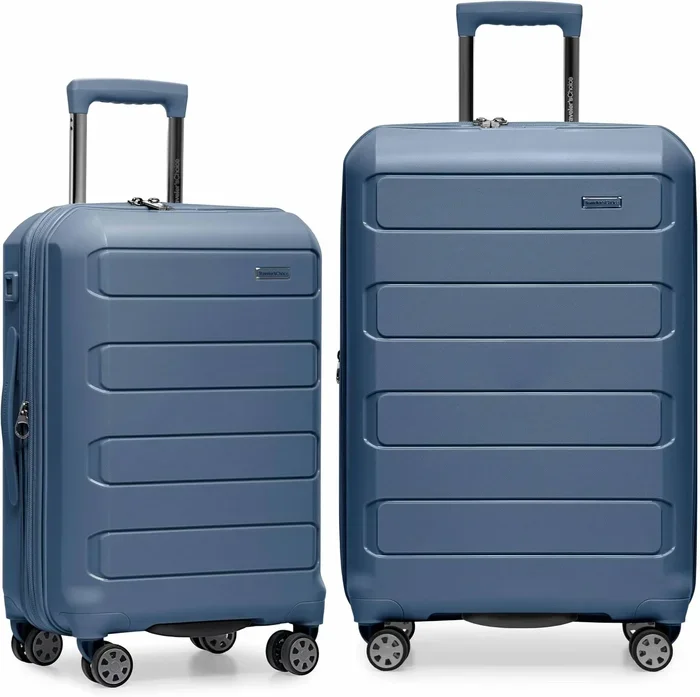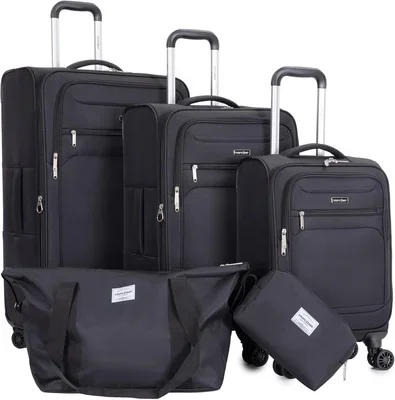
Choosing the right expandable softside luggage set can feel like navigating a maze of fabric weights, zipper types, and warranty fine print. I’ve spent years helping travelers—from weekend road‑trippers to globe‑trotters who live out of a suitcase—find the perfect balance of space, durability, and price. This guide distills that experience into a clear, step‑by‑step framework so you can walk into a store or click “add to cart” with confidence, knowing exactly what matters for your travel style.
In the next sections you’ll learn the six core factors that separate a bargain that falls apart after one trip from a set that lasts a decade, the main categories of softside luggage on the market today, the most common buying pitfalls, realistic budget expectations, insider tips for snagging the best deal, answers to the questions I hear most often, and my top picks for every type of traveler. By the end you’ll have a personalized checklist you can apply to any brand or model, turning a potentially overwhelming purchase into a smart investment.

What to Look for When Buying Buying Guide
1. Fabric Construction and Denier Rating
The fabric is the skin of your luggage, and its denier (D) rating tells you how thick the individual fibers are. A higher denier generally means a tougher, more abrasion‑resistant shell. Most quality expandable softside sets start around 600D polyester, move up to 1200D or 1680D ballistic nylon for premium lines, and can even reach 2520D for extreme‑duty models. Look for a tight weave—often described as “ballistic” or “ripstop”—because it resists tears when the bag brushes against conveyor belts or rough pavement. If you travel frequently on budget airlines that toss bags onto hard surfaces, investing in a 1680D or higher fabric will pay off in fewer scuffs and longer life.
2. Expandable Mechanism and Zipper Quality
The expandable feature is the headline benefit, but not all expansion zippers are created equal. A quality set uses a YKK or comparable brand zipper with a double‑coil design that distributes stress evenly when you pull the extra 1.5‑2 inches of depth. Look for a “self‑healing” zipper that can realign if a tooth gets caught, and a zipper guard—a fabric flap that covers the teeth when the bag is not expanded—to keep dirt and moisture out. Cheap plastic zippers often jam after a few expansions, leaving you stuck with a bag that won’t close or, worse, a broken zipper that renders the expansion useless.
3. Wheel System: Spinner vs. Inline
Four‑wheel spinner systems have become the gold standard for maneuverability. They let you glide the bag beside you, push it ahead, or pull it through tight airplane aisles without tilting. Inline two‑wheel models are lighter and often more durable on rough terrain because the wheels are recessed into the frame, but they require you to tilt the bag to roll. For most travelers, a 360‑degree spinner with sealed ball bearings and a polyurethane tread offers the smoothest ride on carpet, tile, and cobblestones alike. If you frequently navigate gravel driveways or uneven sidewalks, consider a set that offers larger 3‑inch wheels or a hybrid “all‑terrain” wheel design.
4. Handle Ergonomics and Telescoping Mechanism
A comfortable handle reduces wrist fatigue on long walks through terminals. Look for a contoured grip with a soft‑touch coating, and a telescoping pole that locks securely at multiple heights (typically three to four positions). The locking mechanism should be a push‑button release that feels solid, not a flimsy latch that can slip. Some premium sets add a “top carry handle” and a “side carry handle” reinforced with riveted stitching, giving you multiple grab points when you need to lift the bag into an overhead bin or trunk.
5. Interior Organization and Compression Straps
Inside the bag, a well‑designed layout can turn a chaotic pile into a tidy system. Divided compartments, mesh zippered pockets, and a dedicated laptop sleeve (usually padded for 15‑inch devices) keep electronics separate from clothing. Compression straps—adjustable elastic or webbing bands—let you cinch down the contents, maximizing the expanded volume while preventing items from shifting during transit. A removable toiletry pouch or a wet/dry pocket is a nice bonus for keeping liquids away from clean clothes.
6. Weight and Airline Size Compliance
Every ounce counts when you’re up against strict carry‑on limits. A typical 22‑inch expandable softside carry‑on weighs between 6.5 and 8.5 pounds empty. If you pack heavily, a lighter bag gives you more payload before you hit the 40‑pound checked‑bag ceiling. Also verify the external dimensions (including wheels and handles) against the most restrictive airlines you fly—many budget carriers enforce a 22 × 14 × 9 inch limit. Some sets are marketed as “international carry‑on” but exceed the limit once expanded, so read the spec sheet carefully.
7. Warranty, Repair Network, and Brand Reputation
A solid warranty is a safety net that tells you the manufacturer stands behind its product. Look for a limited lifetime warranty that covers defects in materials and workmanship, not just a one‑year “manufacturer’s defect” policy. Brands with authorized repair centers or a “luggage hospital” program let you send a damaged wheel or handle for a low‑cost fix instead of buying a whole new set. Read recent customer reviews for patterns—repeated complaints about zipper failure or wheel wobble are red flags even if the spec sheet looks impressive.
8. Aesthetic Details and Color Options
While function comes first, the look of your luggage matters for quick identification on the carousel and personal satisfaction. Dark neutrals (black, navy, charcoal) hide scuffs but blend in; bright colors or patterned fabrics make spotting your bag effortless. Some brands offer reflective piping or a built‑in ID tag slot. Choose a color you’ll still like after a few years of travel—trendy prints can date quickly.
Different Types of Buying Guide

Common Buying Mistakes to Avoid
❌ Mistake: Ignoring the Expanded Dimensions
Why it’s bad: Many buyers purchase a set based on the collapsed size, only to discover the expanded depth pushes the bag over airline limits, forcing a gate check fee.
What to do instead: Measure the fully expanded dimensions (including wheels and handles) and compare them to the strictest carrier you use. Keep a printed spec sheet in your travel folder.
❌ Mistake: Choosing the Lightest Bag Without Checking Wheel Quality
Why it’s bad: Ultra‑light models often sacrifice wheel bearings and axle strength, leading to wobble or breakage after a few trips.
What to do instead: Prioritize a reputable spinner wheel system (sealed ball bearings, polyurethane tread) even if it adds a pound. The smoother roll saves effort and protects the bag’s frame.
❌ Mistake: Overlooking Interior Organization
Why it’s bad: A cavernous interior with no dividers turns packing into a daily treasure hunt, especially when you need quick access to electronics or toiletries.
What to do instead: Look for at least two mesh zippered pockets, a padded laptop sleeve, and compression straps. If the set lacks them, consider adding aftermarket packing cubes.
❌ Mistake: Buying Based Solely on Brand Name
Why it’s bad: Some legacy brands license their name to lower‑quality manufacturers, resulting in a product that doesn’t match the brand’s historic standards.
What to do instead: Research the specific model’s reviews, warranty terms, and repair network. A lesser‑known brand with a lifetime warranty and strong user feedback can outperform a famous name with a one‑year limited warranty.
❌ Mistake: Skipping the Return Policy Check
Why it’s bad: Online purchases sometimes arrive with a defective zipper or a misaligned handle, and a restrictive return window (e.g., 14 days, no‑questions‑asked) can leave you stuck.
What to do instead: Purchase from retailers offering at least 30‑day free returns and a prepaid return label. Keep the original packaging until you’ve tested the bag on a short trip.
❌ Mistake: Assuming All Expandable Zippers Are Equal
Why it’s bad: Cheap plastic expansion zippers can separate under load, causing the bag to burst open mid‑journey.
What to do instead: Verify the zipper brand (YKK, SBS, or equivalent) and look for a double‑coil, self‑healing design with a protective flap.
Budget Guidelines: How Much Should You Spend?
Entry‑Level ($60 – $130): Expect 600D‑800D polyester, basic two‑wheel inline or entry‑level spinner wheels, a single‑stage telescoping handle, and a one‑year limited warranty. These sets work for occasional weekend trips but may show wear on zippers and wheel bearings after 10‑15 flights.
Mid‑Range ($130 – $300): This is the sweet spot for most travelers. You’ll find 1200D‑1680D ballistic nylon or high‑tenacity polyester, four‑wheel spinners with sealed bearings, multi‑stage handles, YKK expansion zippers, and a 5‑ to 10‑year limited warranty (often lifetime on the frame). Interior organization includes mesh pockets, a laptop sleeve, and compression straps.
Premium ($300 – $600): Materials shift to 1680D‑2520D ballistic nylon, sometimes with a water‑repellent coating. Wheels are oversized (3‑inch) all‑terrain spinners, handles feature ergonomic grips with carbon‑fiber reinforcement, and the warranty is typically lifetime with free repair shipping. Extras include TSA‑approved locks, removable garment folders, and dedicated shoe compartments.
Luxury ($600+): Top‑tier sets use proprietary fabrics (e.g., Cordura® HP, Tegris®), hand‑stitched seams, magnesium‑alloy frames, and whisper‑quiet Japanese Hinomoto wheels. They often come with a concierge repair service, a 10‑year “no‑questions‑asked” replacement policy, and bespoke color options. These are for travelers who view luggage as a long‑term asset and want the absolute best in weight‑to‑strength ratio.
Expert Tips for Getting the Best Deal
- Shop Off‑Season: Major sales hit in January (post‑holiday), May (pre‑summer), and September (back‑to‑school). Retailers clear inventory for new collections, often discounting 20‑30 %.
- Use Price‑Tracking Tools: Browser extensions like Honey, CamelCamelCamel, or Keepa alert you when a specific model drops below your target price.
- Buy a Set, Not Singles: Purchasing a 2‑ or 3‑piece set typically saves 15‑25 % versus buying each piece separately, and you guarantee matching wheels, handles, and fabric.
- Check Manufacturer Refurbished Programs: Brands such as Briggs & Riley, Travelpro, and Samsonite sell factory‑refurbished units with full warranties at 30‑40 % off MSRP.
- Leverage Credit‑Card Purchase Protection: Many premium cards extend the manufacturer’s warranty by an extra year and cover accidental damage for the first 90‑120 days.
- Test In‑Store Before Ordering Online: Roll the bag on the store’s floor, extend the handle, open the expansion zipper, and lift it. Feel the weight distribution and wheel smoothness—photos can’t convey that.
- Read the Fine Print on “Lifetime” Warranties: Some cover only the frame, not zippers or wheels. Confirm what components are included and whether you must register the product within 30 days.

Frequently Asked Questions
Q: How much extra space does the expandable zipper really add?
A: Most expandable softside bags add 1.5 to 2 inches of depth, translating to roughly 15‑25 % more packing volume. The exact gain depends on the bag’s base dimensions; a 22‑inch carry‑on typically goes from 38 L to about 45‑48 L when fully expanded.
Q: Can I use an expandable softside as a checked bag on international flights?
A: Yes, provided the expanded dimensions stay within the airline’s maximum linear inches (usually 62 in). Many medium and large pieces in a 3‑piece set are designed for checked luggage and meet that limit even when expanded.
Q: Are spinner wheels more prone to breaking than inline wheels?
A: Early spinner designs had weaker axles, but modern sealed‑bearing spinners from reputable brands are rated for 50 km of rolling. Inline wheels are still slightly more robust on very rough terrain, but the convenience gap has largely closed.
Q: What’s the difference between ballistic nylon and Cordura®?
A: Ballistic nylon is a tight, high‑denier weave originally developed for military flak jackets; it’s extremely tear‑resistant. Cordura® is a brand of fabric that can be made in various deniers and often includes a durable water‑repellent (DWR) finish. Both are excellent; Cordura® tends to be lighter for the same abrasion rating.
Q: How do I clean a softside luggage set?
A: Spot‑clean with a mild detergent, warm water, and a soft brush. Avoid submerging the bag; the internal frame and wheel bearings can trap moisture. For deeper cleaning, some manufacturers offer a “luggage spa” service, or you can use a fabric‑safe upholstery cleaner and let it air‑dry completely.
Q: Do I need a TSA‑approved lock on a softside set?
A: It’s highly recommended for checked bags. TSA agents can open the lock without cutting it, preserving your zipper and lock. Many mid‑range and premium sets include a built‑in combination lock that meets TSA standards.
Q: What’s the typical lifespan of a good expandable softside set?
A: With proper care—regular wheel lubrication, zipper cleaning, and avoiding over‑packing—a mid‑range set lasts 7‑10 years, while premium ballistic nylon sets can exceed 15 years.
Q: Can I replace a broken wheel myself?
A: Many brands sell replacement wheel kits (often $15‑$30) that snap onto the existing axle. Check the manufacturer’s website for the exact part number; some require a small screwdriver, others are tool‑free.
Q: Is a hard‑side suitcase ever better than a softside expandable?
A: Hard‑side offers superior impact protection for fragile items and a rigid shape that stacks neatly. Softside expandable wins on flexibility, exterior pockets, and the ability to squeeze into tight overhead bins. Choose based on what you pack most often.
Our Final Recommendations
- Best for Budget‑Conscious Buyers: AmazonBasics 2‑Piece Expandable Softside Set – 600D polyester, basic spinner wheels, 1‑year warranty. Priced around $80, it covers occasional trips without breaking the bank.
- Best Overall Value: Travelpro Maxlite 5 3‑Piece Set – 1200D polyester, 360° spinner wheels, YKK expansion zippers, lifetime warranty on frame. Typically $190‑$230, it balances weight, durability, and organization for most travelers.
- Best Premium Option: Briggs & Riley Baseline Domestic 3‑Piece Set – 1680D ballistic nylon, CX™ expansion system, lifetime “no‑questions‑asked” repair policy. Around $550, it’s built for heavy business travel and frequent flyers.
- Best for Beginners: Samsonite Freeform 2‑Piece Set – Lightweight 1000D polyester, smooth spinner wheels, simple interior layout, 10‑year limited warranty. At $150‑$180 it’s forgiving for first‑time buyers learning packing habits.
- Best for Advanced Users: Tumi Alpha 3 Expandable 4‑Wheel Carry‑On + Checked – 2520D FXT® ballistic nylon, dual‑tube telescoping handle, integrated TSA lock, premium Hinomoto wheels. $800+ but offers unmatched durability, sleek aesthetics, and a dedicated concierge repair line.
Conclusion: Making the Right Choice
You now have a complete roadmap for selecting an expandable softside luggage set that matches your travel frequency, packing style, and budget. Start by measuring the maximum dimensions allowed by your most restrictive airline, then prioritize a high‑denier fabric, a reputable spinner wheel system, and a YKK expansion zipper with a protective flap. Use the budget tiers to set realistic expectations, and don’t forget to factor in warranty coverage and repair accessibility—those details often separate a good purchase from a great one.
Remember, the best luggage is the one you barely notice while you’re exploring a new city, not the one that fights you at every curb. Take the checklist you’ve built here, apply it to the models you’re considering, and you’ll walk away with a set that serves you faithfully for years of adventures. Happy travels, and may your next packing session be as smooth as the wheels on your new bag.