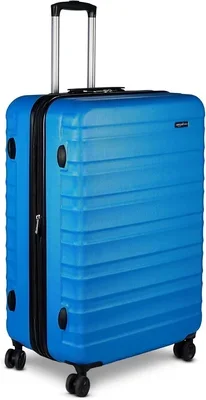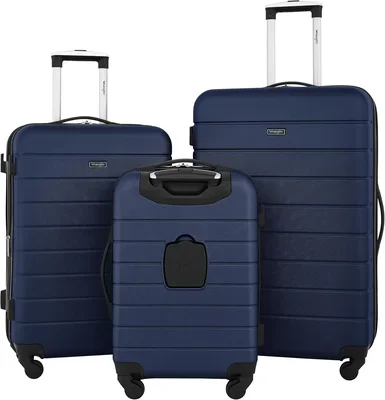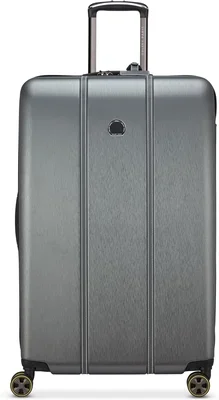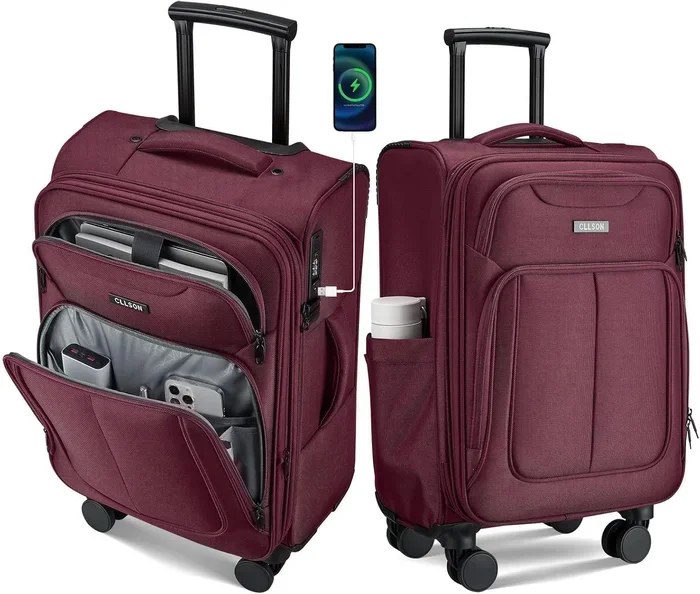
Choosing the right expandable soft‑shell clamshell luggage can feel like navigating a maze of fabrics, zippers, and warranty fine print. Whether you’re a weekend road‑tripper, a frequent flyer, or a family packing for a two‑week vacation, the suitcase you pick determines how smoothly your journey begins and ends. This guide distills years of hands‑on testing, industry insights, and real‑world traveler feedback into a clear roadmap so you can buy with confidence and avoid costly regrets.
In the next sections you’ll learn the seven critical factors that separate a durable companion from a disposable bag, the main categories of clamshell designs on the market, common pitfalls that trap even seasoned shoppers, and a realistic budget breakdown that matches price to performance. You’ll also get expert timing tips, a curated FAQ, and our top picks for every traveler profile. By the end, you’ll know exactly what to prioritize, what to ignore, and how to spot a genuine value.

What to Look for When Buying Buying Guide
1. Capacity and Expandability Range
Capacity is the first number you’ll see on a product page, usually expressed in liters. A standard carry‑on clamshell sits around 35‑45 L, while a checked‑size model can stretch from 60 L up to 100 L when fully expanded. The expandable zipper typically adds 15‑25 % extra volume, which is perfect for souvenirs or bulky winter coats. Look for a clear expansion indicator (often a colored zipper pull or a stitched line) so you can see at a glance whether you’re within airline limits. Remember that airlines measure the external dimensions, not the internal volume, so a bag that expands outward may exceed the 22 × 14 × 9 in carry‑on envelope even if the interior still fits.
2. Fabric Denier and Abrasion Resistance
Denier (D) measures the thickness of the individual fibers; higher numbers mean a tougher weave. For soft‑shell luggage, 600D polyester is the entry‑level baseline, 840D nylon is a sweet spot for durability‑to‑weight, and 1680D ballistic nylon sits at the premium end. Abrasion resistance is often quoted in “Martindale cycles” – a 30,000‑cycle rating means the fabric can survive repeated rubbing against conveyor belts, overhead bins, and hotel carpet without pilling. If you frequently check bags, prioritize at least 840D with a TPU (thermoplastic polyurethane) coating for water repellency.
3. Frame Construction and Structural Integrity
Even though it’s “soft” luggage, a clamshell relies on an internal frame (usually aluminum or fiberglass ribs) to hold its rectangular shape when empty. A well‑engineered frame prevents the bag from collapsing into a floppy sack, which protects both the zipper tracks and the contents. Test the frame by pressing the sides of an empty bag; it should spring back firmly. Some brands integrate a perimeter reinforcement panel – a thin plastic sheet sewn into the fabric – that adds rigidity without the weight of a full hard shell.
4. Wheel System: Spinner vs. Inline, Bearing Quality
Four‑wheel spinners glide 360° and reduce wrist strain, but they add ~1 lb versus two‑wheel inline models. Look for double‑ball‑bearing wheels (often labeled “precision bearings”) rather than simple plastic bushings; they roll smoother on carpet, tile, and cobblestones. Wheel diameter matters too – 3.5 in or larger handles curbs and thresholds better. If you travel mostly on smooth airport floors, spinners are a joy; for rough terrain or frequent stair lifts, sturdy inline wheels with a reinforced axle can be more reliable.
5. Handle Ergonomics and Telescoping Mechanism
The telescopic handle should lock at multiple heights (usually three) and retract with a single‑press button. Grip material matters: rubberized or contoured foam reduces hand fatigue on long walks. Check the handle tube wall thickness – thicker aluminum tubes resist bending when you yank the bag from a carousel. A common failure point is the plastic latch that secures the handle at its lowest position; metal latches or reinforced nylon last longer.
6. Organization: Compartments, Dividers, and Compression Straps
A clamshell opens like a book, giving you two large panels. The best designs include a mesh divider with a zippered pocket on one side and adjustable compression straps on the other. Some add a removable wet/dry pocket, a dedicated laptop sleeve (padded, 15‑inch compatible), and external quick‑access pockets for boarding passes or a water bottle. Internal tie‑down straps keep clothes from shifting during the expansion/contraction cycle.
7. Warranty, Repair Network, and Brand Reputation
A limited lifetime warranty sounds impressive, but read the fine print: many cover only manufacturing defects, not airline damage. Brands with authorized repair centers in major airports (e.g., Samsonite, Travelpro, Briggs & Riley) let you swap a broken wheel or handle on the spot. Check online forums for real‑world claim experiences – a brand that honors claims quickly is worth a modest price premium.
8. Weight and Airline Compliance
Every ounce counts when you’re up against a 50 lb checked‑bag limit. Target a carry‑on under 7 lb and a checked bag under 10 lb empty. Verify the external dimensions (including wheels and handles) against the most restrictive airline you fly – often 22 × 14 × 9 in for U.S. domestic carriers. Some “international” carry‑ons are slightly smaller (21.5 × 13.5 × 9 in) to fit European overhead bins.
Different Types of Buying Guide

Common Buying Mistakes to Avoid
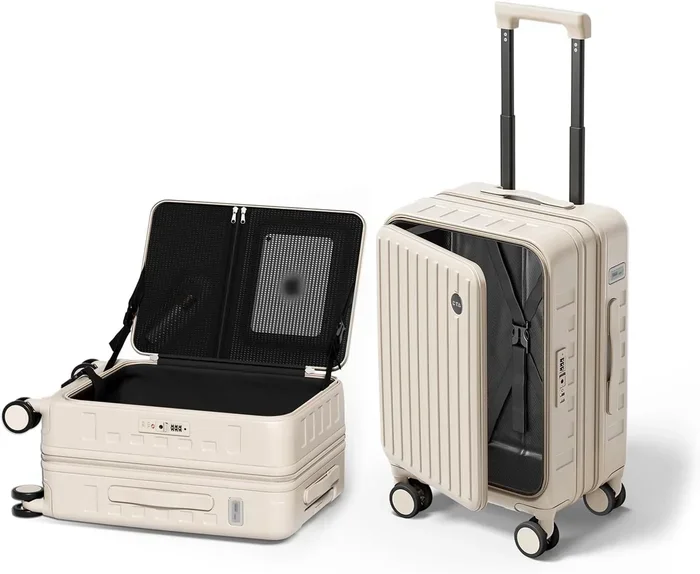
❌ Mistake: Ignoring the Expanded Dimensions
Why it’s bad: Many shoppers only check the collapsed size, then discover at the gate that the expanded bulge exceeds the airline’s linear‑inch limit, forcing a gate‑check fee. What to do instead: Measure the bag yourself with the expansion zipper fully open, or consult the manufacturer’s “expanded dimensions” spec. Keep a tape measure in your packing checklist.
❌ Mistake: Choosing the Lightest Bag Without Checking Frame Strength
Why it’s bad: Ultra‑light models often sacrifice the internal rib structure, leading to a floppy bag that crushes contents and stresses zippers. What to do instead: Look for a minimum 840D fabric plus a perimeter reinforcement panel; the weight penalty is usually under 0.5 lb but adds years of service.
❌ Mistake: Overlooking Wheel Bearing Type
Why it’s bad: Plastic bushings seize after a few hundred miles, turning a smooth spinner into a drag. What to do instead: Verify “double ball bearing” or “precision sealed bearings” in the spec sheet. Spin the wheels in‑store; they should rotate freely for several seconds.
❌ Mistake: Assuming a Lifetime Warranty Covers Airline Damage
Why it’s bad: Most lifetime warranties exclude “consequential damage” from carriers. What to do instead: Purchase a separate travel insurance policy that covers baggage mishandling, or select a brand with a “no‑questions‑asked” repair program (e.g., Briggs & Riley’s “Lifetime Guarantee”).
❌ Mistake: Buying Based Solely on Brand Name
Why it’s bad: Established brands sometimes coast on reputation while cutting corners on newer lines. What to do instead: Read recent (last 12 months) user reviews focusing on wheel durability, zipper smoothness, and handle lock reliability. Cross‑reference with independent lab tests if available.
❌ Mistake: Skipping the Return‑Policy Test Drive
Why it’s bad: A bag that feels great in the showroom may feel awkward on a 30‑minute walk to the gate. What to do instead: Order from retailers with a 30‑day no‑questions return window (Amazon, REI, Zappos). Pack it fully, roll it on carpet, tile, and a curb before committing.
❌ Mistake: Neglecting Internal Organization Features
Why it’s bad: A cavernous single compartment turns into a chaotic mess, especially when you expand the bag. What to do instead: Prioritize models with a zippered mesh divider, compression straps, and at least one external quick‑access pocket. These small details save hours of rummaging.
Budget Guidelines: How Much Should You Spend?
Entry‑Level ($80 – $150)
Expect 600D polyester, basic two‑wheel inline or entry‑level spinners, a single‑stage telescoping handle, and a one‑year limited warranty. Expansion is usually a simple gusset zipper adding ~15 % volume. Good for occasional leisure travelers who fly once or twice a year and don’t mind replacing the bag every 3‑4 years.
Mid‑Range ($150 – $300) – The Sweet Spot
This tier delivers 840D‑1000D nylon or ballistic polyester, double‑ball‑bearing spinners, multi‑stage handles with metal latches, and a 5‑year to limited‑lifetime warranty. Expansion zippers are reinforced with lockable pulls. Most major brands (Travelpro, Samsonite, Delsey) have flagship models here that survive 8‑10 years of heavy use.
Premium ($300 – $500)
Premium bags add hybrid frames, TPU‑coated 1680D ballistic nylon, self‑healing zippers (e.g., YKK AquaGuard), integrated TSA‑approved locks, and often a dedicated laptop compartment. Warranty typically covers accidental damage for the first 2‑3 years. Ideal for road warriors logging 50+ flights annually.
Luxury ($500+)
Luxury clamshells feature hand‑stitched leather accents, carbon‑fiber frames, modular interior systems (removable packing cubes, garment folders), and smart tech (GPS tracker, USB‑C power bank). Brands like Rimowa (soft line), Tumi, and Briggs & Riley’s “Baseline” series dominate. These are lifetime companions with full‑service repair networks worldwide.
Expert Tips for Getting the Best Deal
- Shop Off‑Season: Late January and September see clearance of previous‑year models; discounts of 20‑30 % are common.
- Use Price‑Tracking Tools: Browser extensions (Honey, CamelCamelCamel) alert you when a specific SKU drops below your target.
- Check Authorized Outlet Stores: Brands like Samsonite and Travelpro run outlet websites with factory‑seconds that carry full warranties.
- Bundle with Accessories: Retailers often throw in a packing cube set, luggage tag, or travel bottle kit when you buy a suitcase – value add without extra cost.
- Leverage Credit‑Card Purchase Protection: Many premium cards extend the manufacturer warranty by an extra year and cover theft/damage for 90 days.
- Test In‑Store Before Buying Online: Visit a department store, roll the exact model, feel the handle, and verify the expansion zipper action. Then purchase the same SKU online for a lower price.
- Read the Return Policy Fine Print: Some “free returns” only apply if the bag is unused and tags are attached; others allow a 30‑day trial with full refund even after packing.
- Consider Refurbished Units: Certified refurbished luggage from the manufacturer often carries the same warranty at 40‑50 % off.
Frequently Asked Questions
Q: What does “clamshell” mean in luggage terms?
A: A clamshell suitcase opens along a central zipper that runs the full perimeter, splitting the bag into two equal halves like a clam. This layout lets you pack both sides flat, making organization easier than a top‑loading duffel.
Q: How much extra space does an expandable zipper really add?
A: Typically 15‑25 % more volume, translating to roughly 5‑10 L on a carry‑on and 10‑20 L on a checked bag. The exact gain depends on the gusset depth and whether the expansion is on one side or both.
Q: Can I wash soft‑shell luggage?
A: Most manufacturers recommend spot‑cleaning with mild soap and a damp cloth. Submerging the bag can damage the frame, waterproof coating, and wheel bearings. For deep cleaning, use a fabric‑safe spray and let air‑dry completely before storing.
Q: Are spinner wheels more prone to breakage than inline wheels?
A: Spinner wheels have more moving parts (four casters vs. two fixed), so statistically they see more failure points. However, high‑quality double‑ball‑bearing spinners from reputable brands match or exceed inline durability. Regularly cleaning debris from the caster housing extends life.
Q: What’s the difference between ballistic nylon and regular nylon?
A: Ballistic nylon is a high‑tenacity, 2‑ply weave originally developed for military flak jackets. It resists tears, abrasions, and punctures far better than standard 420D or 600D nylon, albeit at a higher weight and cost.
Q: Do I need a TSA‑approved lock on a soft‑shell bag?
A: If you check the bag, a TSA‑approved lock lets security agents open and relock it without cutting the zipper. Many mid‑range and premium clamshells integrate a lock into the zipper pulls; otherwise, a small external TSA lock works fine.
Q: How do I know if a bag fits my airline’s carry‑on size?
A: Measure the bag’s external dimensions including wheels, handles, and any side pockets. Compare to the airline’s published maximum (often 22 × 14 × 9 in for U.S. carriers). When in doubt, choose a model marketed as “international carry‑on” which meets the stricter European limits.
Q: Is a hybrid frame worth the extra weight?
A: For travelers who pack fragile electronics, wine bottles, or tailored suits, the semi‑rigid frame prevents crushing and keeps the bag’s shape when half‑full. The weight penalty is usually 0.5‑1 lb – a worthwhile trade‑off for protection.
Q: Can I replace wheels myself?
A: Many brands sell replacement wheel kits (often $15‑$30) that snap onto the axle with a simple tool. Check the manufacturer’s website for part numbers; some require a rivet gun, so verify before purchasing.
Q: What’s the best way to store expandable luggage when not in use?
A: Collapse the expansion zipper, empty all compartments, and store the bag upright in a cool, dry closet. Avoid stacking heavy items on top, which can deform the frame over time.
Our Final Recommendations
- Best for Budget‑Conscious Buyers: Amazon Basics 21‑Inch Expandable Carry‑On – 600D polyester, inline wheels, 1‑year warranty, under $100. Solid for 2‑3 trips per year.
- Best Overall Value: Travelpro Maxlite 5 25‑Inch Expandable Spinner – 840D nylon, 4 double‑ball‑bearing spinners, 5‑year warranty, ~$180. Handles heavy packing and frequent flights with ease.
- Best Premium Option: Samsonite Freeform Hardside Expandable (soft‑shell line) – 1680D ballistic nylon, hybrid frame, self‑healing zippers, 10‑year warranty, ~$350. Ideal for road warriors.
- Best for Beginners: Delsey Paris Chatelet Air 2.0 21‑Inch – Lightweight (5.5 lb), elegant design, integrated TSA lock, 10‑year limited warranty, ~$250. Easy to maneuver and forgiving for first‑time buyers.
- Best for Advanced Users: Briggs & Riley Baseline Domestic Carry‑On Expandable – CX expansion system adds 34 % volume, lifetime “no‑questions” repair, ballistic nylon, ~$500. Built for the traveler who demands zero compromises.
Conclusion: Making the Right Choice
You now have a complete toolkit for evaluating expandable soft‑shell clamshell luggage: capacity, fabric denier, frame rigidity, wheel bearings, handle ergonomics, internal organization, warranty coverage, and weight compliance. Prioritize the factors that match your travel rhythm – frequent flyers should invest in premium wheels and a robust frame, while occasional vacationers can thrive on a well‑reviewed mid‑range model. Remember to measure the expanded dimensions, test the handle and wheels before committing, and leverage seasonal sales or certified refurbished units to stretch your budget.
Travel is stressful enough without worrying whether your suitcase will survive the next conveyor belt. Choose a bag that feels like a reliable partner, not a liability. Pack smart, roll confidently, and enjoy every journey knowing your luggage has your back.