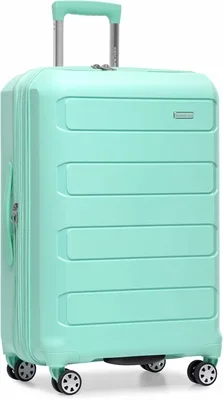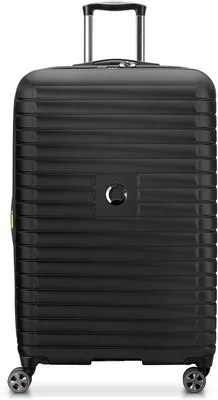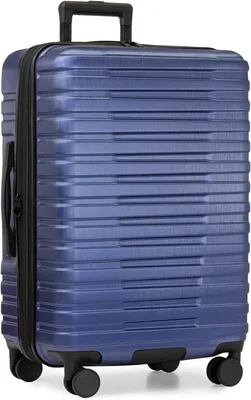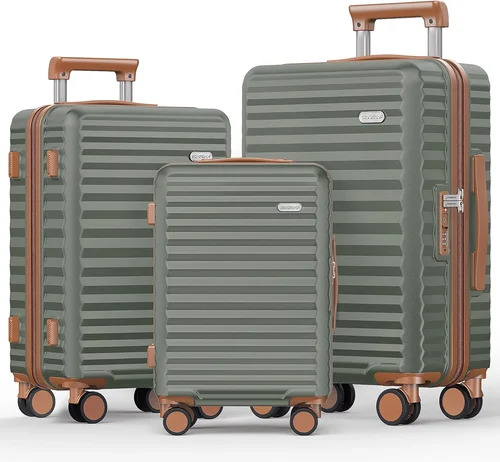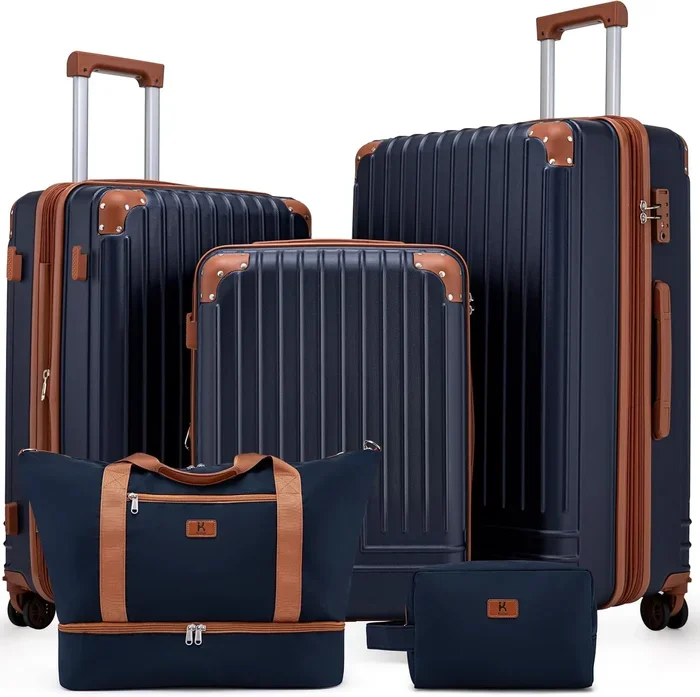
Shopping for an expandable luggage set can feel overwhelming at first. You walk into a store or browse online and suddenly you’re drowning in terms like “ballistic nylon,” “spinner wheels,” “denier count,” and “TSA-approved locks.” I’ve been there. After helping countless travelers find their perfect match over the years, I’ve learned that the right luggage isn’t about the flashiest brand or the highest price tag. It’s about matching the set to your travel style, your budget, and the realities of modern air travel.
In this guide, I’ll walk you through everything you need to know to buy with confidence. We’ll cover the factors that actually matter (and the marketing fluff you can ignore), break down the different types of expandable sets on the market, and give you honest budget expectations. By the end, you’ll know exactly what to look for, what to avoid, and how to spot a genuine deal. Whether you’re a weekend warrior, a frequent business traveler, or planning that once-in-a-lifetime family vacation, this guide has you covered.
The expandable luggage market has evolved significantly in recent years. Manufacturers have responded to shrinking airline overhead bins, stricter weight limits, and the demands of travelers who want versatility without buying multiple bags. Today’s best sets offer thoughtful expansion systems, durable materials that withstand baggage handling, and smart organizational features. But not all sets are created equal, and that’s exactly why this guide exists.

What to Look for When Buying Buying Guide
1. Expansion Mechanism and Capacity Gain
The expansion system is the heart of any expandable luggage set. This is the feature you’re paying a premium for, so understanding how it works separates a smart purchase from a disappointing one. Most modern sets use a zippered gusset that adds anywhere from 1.5 to 3 inches of depth when unzipped. That translates to roughly 15 to 30 percent more packing volume depending on the bag size.
Here’s what matters: the expansion zipper should be robust, ideally a YKK or similar quality brand, with a fabric guard that prevents the zipper teeth from snagging on your clothes. Test the zipper action if you can. It should glide smoothly without catching. Cheap expansion zippers are the number one failure point on budget sets. They either jam, separate, or the fabric tears away from the zipper tape after a few trips.
Also consider how the bag expands. Some sets expand uniformly around the entire perimeter. Others only expand on one side or the front panel. Uniform expansion distributes weight better and keeps the bag balanced on its wheels. Single-side expansion can make a packed bag top-heavy and prone to tipping over. If you’re looking at a set in person, expand it fully and set it down. Does it stand stable? Does the handle still retract smoothly with the bag expanded?
2. Wheel System: Spinner vs. Inline Skate
This is arguably the most impactful feature for your daily travel experience. You’ll interact with these wheels every single time you move your bag. There are two main categories: four-wheel spinners (360-degree rotation) and two-wheel inline skate wheels.
Four-wheel spinners let you push the bag beside you, navigate tight airplane aisles, and change direction instantly. They’re a dream on smooth airport floors. But they have drawbacks. The wheels protrude from the bag body, eating into your packing volume and making the bag more vulnerable to damage. They also tend to roll away on inclined surfaces like jet bridges or hotel ramps unless you hold them. Quality varies enormously. Cheap plastic spinners crack or seize up quickly. Look for polyurethane wheels with sealed ball bearings and recessed mounting.
Two-wheel inline systems are more durable. The wheels are recessed into the bag corners, protected by the frame. They handle rough pavement, cobblestones, and curbs far better. You pull them behind you at a tilt, which many travelers find more natural. The tradeoff is maneuverability in tight spaces and the physical effort of tilting and pulling a heavy bag.
For most travelers, I recommend quality spinners for carry-ons and checked bags under 27 inches. For large checked bags (28 inches and up) that you’ll pack heavy, inline wheels often hold up better long-term. If you frequently navigate European cobblestones or uneven sidewalks, lean toward inline or hybrid systems with larger diameter wheels.
3. Frame Construction: Hardside vs. Softside
This choice fundamentally shapes your packing experience and the bag’s longevity. Hardside luggage uses polycarbonate, ABS, or polypropylene shells. Softside uses woven fabrics like nylon or polyester, typically over a wire or aluminum frame.
Hardside bags excel at protecting fragile items. The rigid shell absorbs impacts that would crush souvenirs, electronics, or toiletries in a soft bag. They’re water-resistant by nature. Spills wipe off. Rain rolls off. They also hold their shape, so you always know exactly how much space you have. The downsides: zero external pockets for quick-access items, no give for squeezing into tight overhead bins, and scratches show prominently. Polycarbonate is the gold standard. It flexes under impact rather than cracking. ABS is more brittle but cheaper. Polypropylene sits in between.
Softside bags offer external pockets for boarding passes, water bottles, and last-minute items. The fabric has some give, letting you compress the bag slightly to fit a snug overhead bin. They’re lighter than hardside equivalents. High-denier ballistic nylon (1680D or higher) is incredibly abrasion-resistant. But soft bags absorb water, stain more easily, and offer less crush protection. The frame matters too. Aluminum frames are lightweight and strong. Wire frames can bend permanently if the bag is crushed.
Many travelers now mix and match. A hardside carry-on for electronics and breakables, a softside checked bag for clothing and the inevitable souvenirs. Some sets even come configured this way.
4. Handle System Ergonomics and Durability
The telescoping handle is your primary interface with the bag. A poorly designed handle turns a pleasant walk into a wrist-straining ordeal. Look for a handle with at least two locking height positions (three is better) to accommodate different user heights. The grip should be contoured and padded, not a bare plastic tube. Test the extension and retraction action. It should be smooth, with no wobble or binding at full extension.
Handle mechanism failures are common on budget luggage. The tubes bend, the locking buttons jam, or the rivets pull out of the shell. Quality sets use aircraft-grade aluminum tubes with reinforced attachment points. Some premium brands offer replaceable handle cartridges, a huge plus for longevity.
Don’t overlook the carry handles. You’ll lift the bag into overhead bins, car trunks, and onto luggage scales. Top and side carry handles should be padded, securely stitched (or riveted on hardside), and positioned for balanced lifting. A side handle placed too far forward makes a packed bag awkward to carry. Some smart designs include a bottom handle for two-person lifting of heavy checked bags.
5. Interior Organization and Packing Features
The interior is where the rubber meets the road. A well-organized interior saves you time packing, unpacking, and finding things mid-trip. At minimum, look for a full-length zippered divider panel creating two main compartments. One side should have compression straps (preferably elasticized with buckle closures) to secure clothing and prevent shifting. The other side typically has a zippered mesh pocket for toiletries, electronics, or dirty laundry separation.
Premium sets add features like removable packing cubes, suiter systems for dresses and suits, wet/dry pockets with waterproof linings, and dedicated laptop or tablet sleeves in carry-ons. Some hardside bags now include a clamshell opening with dual zippered panels instead of a single divider, letting you access both sides independently.
Pay attention to the liner material. Cheap polyester liners snag and tear. Quality sets use ripstop nylon or polyester with bound seams. The liner should be light-colored so you can actually see what’s inside. Dark liners make finding small items frustrating.
One often-overlooked detail: the expansion zipper’s interior fabric panel. When the bag is unexpanded, this panel lies flat against the interior wall. When expanded, it becomes the new interior wall. It should be the same quality as the main liner, not a flimsy mesh that tears the first time you pack tight.
6. Lock Security: TSA-Approved and Beyond
Every checked bag needs a lock. TSA-approved locks allow security agents to open and relock your bag without cutting the lock. The standard is Travel Sentry certification (red diamond logo). Most quality sets now integrate combination locks into the zipper pulls. This is far superior to padlocks, which can snag on conveyor belts or be forgotten.
Integrated locks should be easy to set and reset. Three-dial combinations offer 1,000 combinations. Some premium locks add a key override (useful if you forget the combination) or a visual indicator showing if TSA opened the bag. A few brands now offer Bluetooth-enabled locks you can unlock via smartphone, though this adds complexity and a battery to manage.
For carry-ons, locks are optional but useful for hostel stays or leaving the bag in a hotel room. Some travelers use a small cable lock to secure the carry-on to a fixed object. Whatever lock you choose, remember that no luggage lock is high-security. They deter opportunistic theft, not determined professionals. Keep valuables in your personal item.
7. Weight and Airline Compliance
Weight matters more than ever. Most US domestic carriers enforce a 50-pound checked bag limit. International flights often drop to 44 pounds (20 kg) or even 33 pounds (15 kg) on budget carriers. Every pound of luggage weight is a pound less you can pack. A typical 28-inch hardside spinner weighs 9 to 12 pounds empty. A comparable softside weighs 7 to 9 pounds. That difference adds up.
Carry-on weight limits are also tightening. Many European and Asian carriers weigh carry-ons at the gate, with limits as low as 15 pounds (7 kg) including your personal item. A lightweight carry-on (under 7 pounds) gives you more packing capacity before you hit the limit.
Size compliance is equally critical. Measure the bag yourself, including wheels, handles, and any external pockets. Manufacturer specs often measure the packing cavity only. A “22-inch carry-on” might actually be 23.5 inches with wheels, making it non-compliant on strict airlines. For checked bags, the 62 linear inch limit is standard but not universal. Measure length + width + height at the widest points including expansion.
8. Warranty Coverage and Brand Support
A warranty tells you how much the manufacturer believes in their product. Lifetime warranties sound impressive but read the fine print. Many cover only manufacturing defects, not airline damage, wear and tear, or zipper failure from overpacking. Some require you to register the product within 30 days. Others charge shipping both ways for repairs.
The best warranties are “no questions asked” for a defined period (typically 3 to 10 years) covering accidental damage, airline handling, and component failure. Brands like Briggs & Riley, Travelpro, and Osprey have built reputations on standing behind their products. They have dedicated repair centers and stock replacement parts for years.
Consider the brand’s repair network. Can you get wheels replaced locally? Do they sell replacement parts online? A $300 bag with a 10-year warranty and available parts is a better value than a $200 bag with a “lifetime” warranty from a company that disappears or makes repairs impossible.
9. Price-to-Value Ratio Across the Set
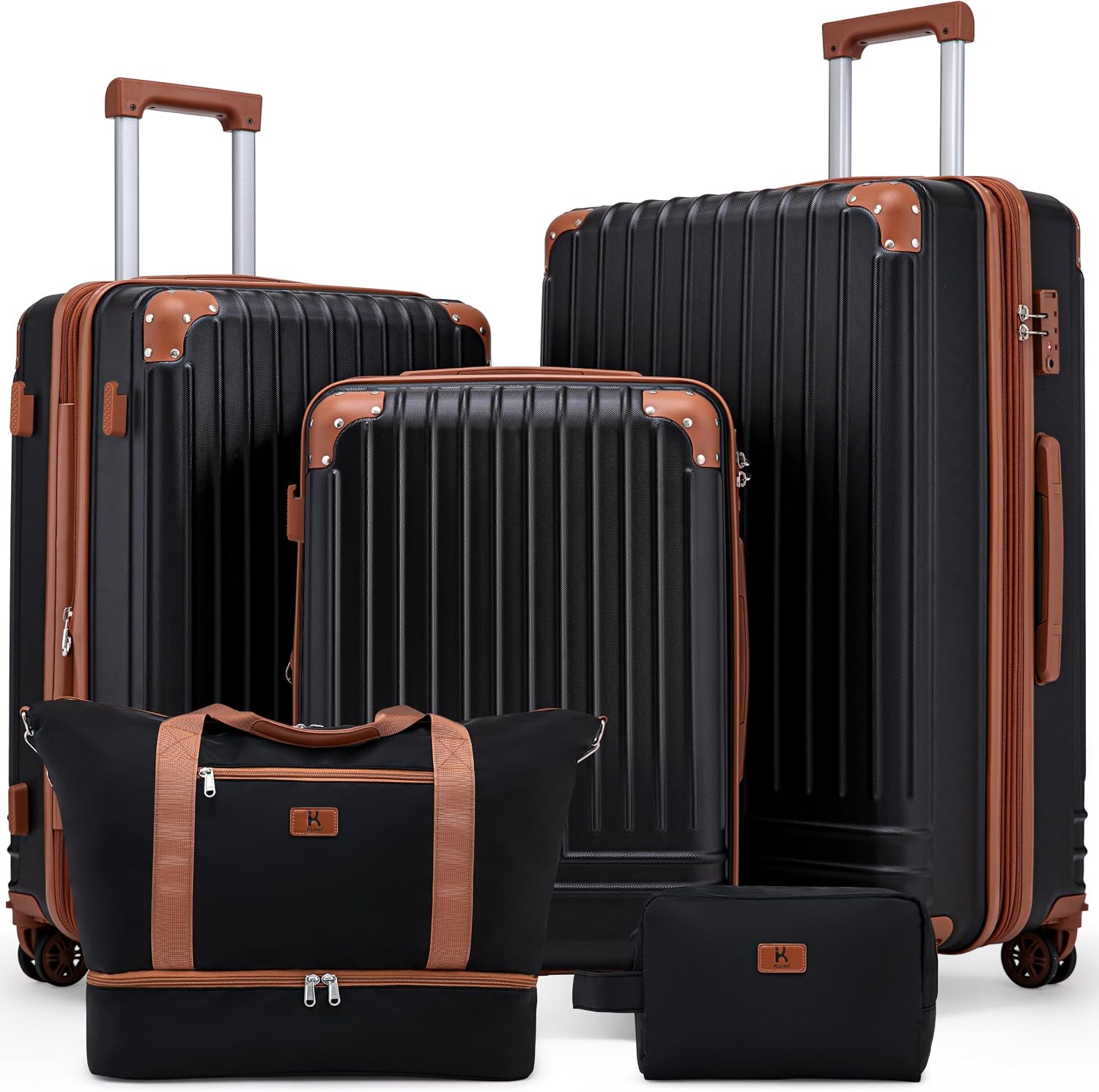
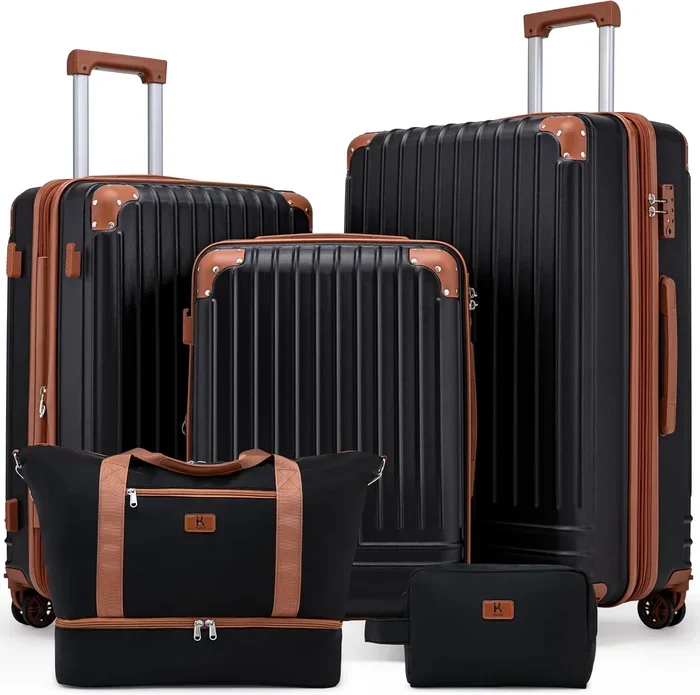
Expandable luggage sets typically include 2 to 5 pieces. Common configurations: 2-piece (carry-on + medium checked), 3-piece (carry-on + medium + large checked), or 4-piece (adding a boarding bag or toiletry kit). The per-bag price drops as set size increases, but only buy pieces you’ll actually use. A 5-piece set where two pieces gather dust isn’t a bargain.
Evaluate whether the set’s piece sizes match your travel patterns. A family that checks two large bags and carries on two small ones needs a different configuration than a solo business traveler with one carry-on and one checked bag. Some brands let you build custom sets, which can be smarter than pre-configured bundles.
Watch for “filler” pieces. A 4-piece set might include a 21-inch carry-on, 25-inch checked, 29-inch checked, and a tiny toiletry kit that costs $5 to manufacture but inflates the piece count. You’re often better off with a 3-piece set of higher-quality bags plus a separate quality toiletry bag.
Different Types of Buying Guide
Common Buying Mistakes to Avoid
❌ Mistake: Buying Based on Piece Count Alone
Why it’s bad: A 5-piece set for $180 sounds like a steal until you realize the “pieces” include a 15-inch underseater that barely fits a change of clothes, a toiletry kit the size of a sandwich bag, and three suitcases with plastic wheels that crack on the first baggage carousel ride. You end up with one usable bag and four disappointments.
What to do instead: Count only the pieces you’ll actually use. A 3-piece set of quality bags at $300 is a far better investment than a 5-piece set of junk at $180. Calculate the per-usable-piece cost. If you only need a carry-on and a large checked bag, buy a 2-piece set or two individual bags that match.
❌ Mistake: Ignoring Expanded Dimensions
Why it’s bad: You pack your large checked bag fully expanded for a two-week trip. At the airport, the agent puts it on the sizer and it exceeds the 62 linear inch limit. You’re hit with a $200 oversize fee each way. That “bargain” luggage just cost you $400 extra on one trip.
What to do instead: Measure the expanded dimensions yourself before buying. Add length + width + height at the widest points including wheels and handles. Ensure the total stays under 62 inches for your largest checked bag. For carry-ons, verify the expanded dimensions still fit your most-used airline’s sizer. If you never plan to use the expansion on checked bags, consider a non-expandable model that’s lighter and cheaper.
❌ Mistake: Choosing the Lightest Bag Without Checking Durability
Why it’s bad: Ultra-lightweight luggage (under 6 pounds for a 25-inch checked bag) achieves that weight by using thinner shells, minimal frame reinforcement, and featherweight wheels. These bags often fail catastrophically: cracked corners, shattered wheels, torn zipper pulls. A 3-pound weight savings isn’t worth replacing a bag every year.
What to do instead: Target the “sweet spot” weight range. For a 25-inch checked spinner: 7.5 to 9.5 pounds for softside, 8.5 to 10.5 pounds for polycarbonate hardside. For a 21-inch carry-on spinner: 5.5 to 7.5 pounds softside, 6 to 8 pounds hardside. These ranges indicate adequate material thickness and component quality without unnecessary bulk.
❌ Mistake: Overlooking Handle Height Range
Why it’s bad: You’re 6’2″ and the handle only extends to 38 inches. You hunch over for 20 minutes walking to your gate, arriving with back pain before your trip starts. Or you’re 5’2″ and the lowest setting is 36 inches, forcing you to lift the bag with every step.
What to do instead: Check the handle height specifications. Quality brands list minimum and maximum extension heights. Look for at least a 6-inch adjustment range (e.g., 36 to 42 inches). If shopping in person, extend the handle fully and walk with it. Your arm should hang naturally at your side with a slight elbow bend. If you shop online, check reviewer comments from people your height.
❌ Mistake: Assuming All Spinner Wheels Are Equal
Why it’s bad: You buy a set with “360-degree spinner wheels” only to discover they’re tiny plastic casters with no bearings. They catch on expansion joints, seize up with a grain of sand, and snap off when you hit a curb. The bag becomes a drag-bag within three trips.
What to do instead: Look for specific wheel specifications: wheel diameter (larger is better, 2.5 inches minimum for checked bags), material (polyurethane or rubber, not hard plastic), bearing type (sealed ball bearings), and mounting (recessed into the shell with metal reinforcement). Double wheels (two wheels per corner) distribute load better than single wheels and are more stable.
❌ Mistake: Not Testing the Zipper Action
Why it’s bad: The main compartment zipper sticks, separates, or the pulls break off. You’re stuck with a bag you can’t close securely or can’t open without a struggle. Zipper failure is the number one luggage repair issue, and cheap zippers fail fast.
What to do instead: If in store, open and close every compartment fully, including expansion zippers, at least three times. Feel for smoothness, alignment, and substantial pulls. Online, look for YKK, RiRi, or SBS branded zippers. These manufacturers produce reliable zippers. Avoid generic “self-healing” claims without a brand name. Self-healing refers to coil zippers that can realign if teeth separate, but the coil quality still matters.
❌ Mistake: Forgetting About Your Personal Item
Why it’s bad: You buy a beautiful 3-piece set but have no matching backpack, tote, or underseater for your laptop, medications, and in-flight essentials. You end up carrying a mismatched bag that doesn’t stack on your spinner handle, making airport navigation a juggling act.
What to do instead: Consider your personal item needs when evaluating sets. Some sets include a matching boarding tote or backpack with a pass-through sleeve that slides over the carry-on handle. This “stacking” capability is invaluable for solo travelers. If the set doesn’t include one, budget for a quality personal item that complements your luggage.
Budget Guidelines: How Much Should You Spend?
Entry-Level ($80 – $180 for a 3-piece set)
At this price point, you’re getting basic functionality. Expect ABS hardside shells or 600D-900D polyester softside. Wheels will be basic single spinners or inline with plastic hubs. Zippers are generic coil. Expansion adds 1.5 to 2 inches. Warranties are typically 1-3 years limited.
These sets work for occasional travelers (1-2 trips per year), kids’ luggage, or backup sets for guests. They’ll handle careful use on smooth surfaces. Don’t expect them to survive rough baggage handling, overpacking, or frequent travel. Common brands in this tier: Amazon Basics, Rockland, Merax, Kenneth Cole Reaction (lower lines), SwissGear (entry models).
The main compromises: heavier than premium bags for the same durability, wheels and handles fail first, zippers snag, expansion fabric tears. If a wheel breaks, replacement parts rarely exist. You’ll likely replace the set every 2-3 years with regular use.
Mid-Range ($200 – $400 for a 3-piece set)
This is the sweet spot for most travelers. You get polycarbonate hardside (often Makrolon or Bayer material) or 1200D-1680D ballistic nylon softside. Double spinner wheels with sealed bearings. YKK or SBS zippers. Expansion of 2-2.5 inches. Aluminum telescoping handles with 3 height stops. TSA combination locks integrated. Warranties of 5-10 years or limited lifetime with reasonable terms.
Brands dominating this tier: Travelpro (Platinum Elite, Maxlite), Samsonite (Freeform, Centric, Winfield), Delsey (Chatelet, Helium), Briggs & Riley (Baseline – though this edges toward premium), Ricardo Beverly Hills, Heys, American Tourister (higher lines). These bags handle weekly business travel or monthly family trips. With care, they last 5-10 years. Replacement wheels and handles are often available.
You’re paying for: better materials, engineered wheel systems, reinforced stress points, quality control, and a brand that honors warranties. The difference between a $150 set and a $300 set is immediately apparent in wheel smoothness, handle stability, and zipper action.
Premium ($400 – $700 for a 3-piece set)
Premium sets use top-tier materials: Makrolon polycarbonate with proprietary blends, 1680D-2520D ballistic nylon with Teflon coating, or Tegris composite shells. Wheels are oversized (3+ inches), often Hinomoto or similar Japanese silent-run wheels with precision bearings. Handles are aircraft-grade aluminum with ergonomic grips and 4+ height positions. Interiors feature premium liners, removable packing cubes, suiter systems, and wet/dry pockets.
Warranties are truly lifetime with “no questions asked” repair policies. Briggs & Riley, Tumi (lower premium lines), Victorinox (Spectra, Werks), Rimowa (Essential/Cabin – though these are often single bags), and high-end Travelpro (Crew) live here. These bags are built for 100+ flights per year. They’re repaired, not replaced.
The value proposition: cost per trip over 10-15 years can be lower than replacing mid-range bags every 5-7 years. But diminishing returns set in. A $550 bag isn’t twice as good as a $300 bag. It’s marginally lighter, slightly smoother, and backed by better service. Buy premium if you travel weekly, value the service network, or want the last luggage set you’ll buy for a decade.
Luxury ($700+ for a 3-piece set)
This tier includes Rimowa (Original, Classic), Tumi (19 Degree, Alpha 3), Globe-Trotter, and bespoke brands. You’re paying for heritage, design, materials like aluminum-magnesium alloy or vulcanized fiberboard, hand assembly, and status signaling. Functionally, a $1,200 Rimowa doesn’t protect clothes better than a $350 Samsonite. But it will turn heads, hold resale value, and become a travel companion with character.
Only consider luxury if the emotional satisfaction of owning it matters to you. Don’t justify it on durability alone. A $350 polycarbonate bag survives baggage handling just as well as a $1,500 aluminum one. The aluminum dents; the polycarbonate flexes. Both protect contents.
Expert Tips for Getting the Best Deal
Time your purchase. Luggage goes on predictable sale cycles. The best discounts appear: January (post-holiday clearance), May (pre-summer travel season), July (Amazon Prime Day and competitor sales), November (Black Friday through Cyber Monday), and anytime a brand releases a new collection (previous generation drops 20-40%). Avoid buying at full price in June or December unless you have an immediate trip.
Shop outlet stores and factory seconds. Brands like Travelpro, Briggs & Riley, and Samsonite have outlet stores (physical and online) selling overstock, discontinued colors, and minor cosmetic blemishes at 30-50% off. The warranties usually still apply. “Factory seconds” often have imperceptible flaws like a tiny scratch inside a pocket or a slightly off-color zipper pull.
Consider open-box and refurbished. Major retailers (Amazon Warehouse, Best Buy Outlet, eBay certified refurbished) sell returned luggage at steep discounts. Many returns are for size preference, not defects. Check the condition grading and return policy. A “like new” open-box premium bag at 40% off with a 30-day return window is a low-risk way to access higher quality.
Buy pieces individually during sales rather than sets. Sets are convenient but rarely all go on sale simultaneously. If you need a carry-on now and a checked bag in three months, buy the carry-on on sale today. Mix and match brands if needed. A Travelpro carry-on and a Samsonite checked bag work perfectly together. You’re not married to one brand.
Check credit card and membership perks. Many premium credit cards (Chase Sapphire, Amex Platinum, Capital One Venture) offer statement credits for luggage purchases or access to luxury shopping portals with 10-15% cash back. Costco and Sam’s Club carry curated luggage selections at member pricing with generous return policies. AAA members get discounts at certain retailers.
Register your warranty immediately. Don’t throw away the paperwork. Register online within the required window (usually 30 days). Take photos of the bag from all angles, including serial numbers and manufacturing tags. Save the receipt digitally. This 5-minute effort saves hours of frustration if you ever need a warranty claim.
Test before you commit to a long trip. Pack the bag fully, expand it, roll it around your house, up and down stairs, over carpet and hardwood. Lift it by all handles. Stuff it into your car trunk. Simulate a TSA inspection by opening every compartment. A 30-minute stress test at home reveals issues you’d rather not discover at the airport.
Know the return policy before buying. Online luggage purchases should have at least a 30-day no-questions return policy with free return shipping. Some brands (Briggs & Riley, Travelpro direct) offer 90-100 day trials. Avoid final sale or restocking fee policies unless the discount is massive and you’re certain.

Frequently Asked Questions
Q: How much extra space does expansion actually give me?
A: Typically 15-30% more volume depending on the bag size and expansion depth. A 25-inch checked bag might go from 90 liters to 115 liters. A 21-inch carry-on might go from 38 liters to 45 liters. But remember: expanded bags weigh more, may exceed airline size limits, and are less stable on wheels. Use expansion strategically for return trips with souvenirs, not as default packing mode.
Q: Are hardside or softside expandable bags better?
A: Neither is universally better. Hardside protects contents better, resists water, and holds shape. Softside offers external pockets, compresses for tight spaces, and weighs less. Many experienced travelers prefer a hardside carry-on (protects electronics, fits overhead bins precisely) and softside checked bags (lighter, external pockets for dirty laundry, expands more).
Q: Do spinner wheels break more often than two-wheel systems?
A: Statistically, yes. Spinner wheels have more moving parts, protrude from the bag, and take lateral stress they weren’t designed for. However, quality double-spinner wheels with sealed bearings (Hinomoto, etc.) on premium bags can last 10+ years. Cheap single spinners on budget bags often fail within 5-10 flights. If durability is your top concern, two-wheel inline is inherently more robust.
Q: What’s the difference between polycarbonate, ABS, and polypropylene?
A: Polycarbonate is the premium choice. It flexes under impact, resists cracking, handles temperature extremes, and is lightweight. ABS is cheaper, more brittle, cracks on hard impact, but is rigid and scratch-resistant. Polypropylene sits between them: more flexible than ABS, less than polycarbonate, very lightweight, good chemical resistance. For checked bags that take abuse, polycarbonate is worth the premium. For carry-ons, ABS is acceptable if budget is tight.
Q: Can I repair luggage myself or should I use the manufacturer?
A: Wheels, handles, and zipper pulls are often DIY-repairable with basic tools and parts from the manufacturer or third-party suppliers (Luggage Parts Direct, eBay). Shell cracks, frame bends, and zipper track damage require professional repair. Check if your brand sells parts directly. Briggs & Riley, Travelpro, and Samsonite do. Many budget brands don’t. If DIY, document the process for warranty purposes.
Q: How do I clean and maintain my expandable luggage?
A: Hardside: wipe with mild soap and water, avoid harsh chemicals. Softside: vacuum interior, spot clean exterior with fabric cleaner, air dry completely. Wheels: remove debris from bearings monthly, apply silicone spray (not WD-40) to wheel axles annually. Zippers: run a graphite pencil tip or zipper lubricant along teeth quarterly. Store bags empty, unexpanded, in a cool dry place. Stuff with acid-free paper to hold shape.
Q: Should I buy a set with a built-in USB charger or battery?
A: Generally, no. Built-in batteries add weight, can’t be removed for airline compliance (spare lithium batteries must be in carry-on), and become e-waste when the battery degrades. Most “USB luggage” just has a pass-through port. You supply your own power bank. A separate high-capacity power bank in your personal item is more versatile, replaceable, and airline-compliant.
Q: What’s the deal with “smart luggage” that has GPS tracking?
A: Built-in GPS trackers (like some Samsara or Horizn models) sound great but have limitations. They need cellular coverage, battery charging, and a subscription. Apple AirTags or Tile trackers slipped into a pocket are cheaper, replaceable, work globally via the Find My network, and don’t tie you to a specific bag. If you want tracking, buy a $29 AirTag instead of paying $100+ premium for built-in.
Q: How many pieces do I really need in a set?
A: Most travelers need 2-3 pieces: a carry-on (21-22 inches), a medium checked (25-26 inches), and optionally a large checked (28-30 inches) for extended trips or family packing. A 4th piece (boarding tote/backpack) is useful if it has a pass-through sleeve. Skip sets with 15-17 inch “underseaters” unless you specifically need them. They’re too small for most adults’ carry-on needs.
Q: Is it worth paying more for a brand-name luggage set?
A: Yes, up to the mid-range tier ($250-400). You’re paying for engineering, quality control, warranty support, and parts availability. A $300 Travelpro will outlast three $100 generic sets. Above $500, you’re paying for diminishing functional returns and brand prestige. The sweet spot is buying a reputable mid-range brand on sale for $200-300. You get 80% of premium performance for 50% of the price.
Our Final Recommendations
Best for Budget-Conscious Buyers: Travelpro Maxlite 5 Softside 3-Piece Set
At around $220-280 on sale, this set delivers incredible value. The 1200D polyester with DuraGuard coating resists stains and abrasion. The 360-degree spinner wheels are surprisingly smooth for this price. The handle has two comfortable height stops. Expansion adds 2 inches. The 10-year warranty is legitimate. Travelpro’s repair center in Colorado stocks parts. It’s not fancy, but it works reliably for years. The 21-inch carry-on weighs just 5.4 pounds. The 25-inch and 29-inch checked bags weigh 7.1 and 8.8 pounds respectively. Lightweight without feeling flimsy.
Best Overall Value: Samsonite Freeform Hardside 3-Piece Set
Priced $280-350, the Freeform hits the polycarbonate sweet spot. The shell uses a proprietary polycarbonate blend that’s lighter than standard poly but tougher than ABS. The double spinner wheels are recessed and roll silently. The TSA lock is integrated seamlessly. Interior organization is thoughtful with a full divider, compression pad, and zippered pocket. The 10-year limited warranty is backed by Samsonite’s global service network. Weights: 6.5 lbs (21″), 8.6 lbs (25″), 10.4 lbs (28″). A frequent traveler’s workhorse.
Best Premium Option: Briggs & Riley Baseline Domestic 3-Piece Set
At $650-750, this is an investment. But the “Simple as That” lifetime warranty covers airline damage, no questions asked. The CX expansion system adds 25% capacity with a unique one-handed mechanism that compresses back flat. The ballistic nylon is 1680D with a water-repellent finish. The aircraft-grade aluminum handle has 4 height positions. The SpeedThru pocket lets you access laptop/liquids without opening the main compartment. Wheels are oversized polyurethane with sealed bearings. Weights are higher (7.8 lbs, 10.2 lbs, 12.1 lbs) but the durability justifies it. If a wheel bearing fails in year 8, Briggs replaces it free.
Best for Beginners: Delsey Paris Chatelet Hard+ 2-Piece Set
Around $300-380 for carry-on + medium checked. The Chatelet looks elegant with leather accents and a brake system on the front wheels (press a button, wheels lock – genius for train platforms). The polycarbonate shell is durable. The interior has a laundry bag, shoe bag, and wet pocket. The 10-year warranty is solid. It’s approachable, stylish, and functional without overwhelming features. Perfect for someone upgrading from budget luggage who wants quality without complexity.
Best for Advanced Users: Travelpro Platinum Elite 3-Piece Set
Designed with input from flight crews, this $500-600 set is built for 150+ flights per year. The MagnaTrac spinner wheels self-align for straight tracking. The PowerScope handle has 4 stops and a contour grip. The precision glide system reduces wobble. The interior has a suiter, removable wet pocket, and tie-down straps. The 10-year warranty plus “Trusted Companion Promise” covers repair shipping for year one. Weights: 7.8 lbs, 9.9 lbs, 11.9 lbs. Heavy but bombproof. If you live out of a suitcase, this is the tool.
Conclusion: Making the Right Choice
Choosing an expandable luggage set comes down to honesty about your travel reality. Not your aspirational travel. Your actual travel. How many trips per year? How long? What airlines? What terrain? What do you pack? The answers point to the right set faster than any marketing copy.
If you travel twice a year for a week each time, a quality mid-range 2-piece set serves you perfectly. Don’t let anyone upsell you to premium. If you’re on the road weekly, invest in premium or luxury. The cost per trip favors durability. If you’re a family of four checking three bags and carrying on four, prioritize weight and wheel durability over brand prestige. Every pound and every wheel failure multiplies by four.
Remember the hierarchy of needs: wheels and handles first (they fail most), frame and shell second (they protect contents), organization third (they save time), aesthetics last (they don’t affect function). A beautiful bag with wobbly wheels is a regret. An ugly bag that rolls straight for a decade is a victory.
Use this guide as your checklist. Measure your airline’s limits. Weigh your packing habits. Set a realistic budget. Then buy the best set that fits your criteria, not a reviewer’s “best overall” pick. The right luggage fades into the background of your journey. You barely notice it. It just works. That’s the goal.
Safe travels, and may your wheels always roll smooth, your zippers never snag, and your expansion zipper give you exactly the space you need for that perfect souvenir.