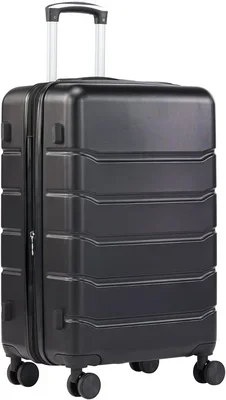
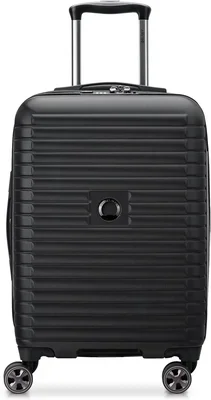
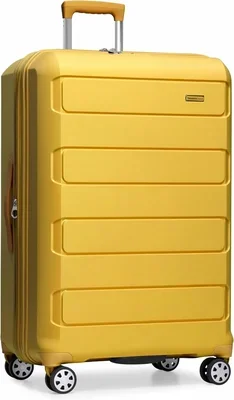
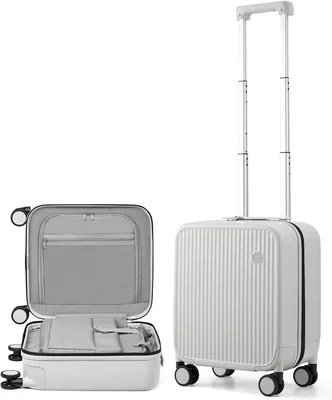
Choosing the right expandable luggage can feel overwhelming because the market is packed with options that promise extra space, durability, and style. This guide breaks down every critical element so you can shop with confidence during any expandable luggage sale. You will learn how to match a bag to your travel habits, decode technical specifications, and spot genuine value versus marketing hype.
By the end of this article you will know which size fits your typical trip length, which expansion mechanism survives repeated use, and how to balance price with long‑term reliability. Whether you are a weekend warrior or a frequent flyer, the following sections are organized by priority so you can focus on what matters most first.

What to Look for When Buying Expandable Luggage
1. Size & Capacity
Size determines whether a bag fits overhead bins, under seats, or must be checked. Measure the interior dimensions in liters and compare them to your typical packing list. A 22‑inch carry‑on usually offers 35‑40 L before expansion and can gain 10‑15 L when unzipped. For longer trips, a 27‑inch checked model may start at 80 L and expand to 100 L. Always verify airline limits before you buy.
2. Expansion Mechanism
The zipper or gusset that adds volume is the heart of any expandable luggage sale. Look for a double‑track zipper with reinforced stitching; single‑track zippers tend to snag. Some premium models use a hidden expansion panel that slides out smoothly, reducing stress on the fabric. Test the mechanism in‑store if possible — open and close it ten times to feel resistance.
3. Material & Durability
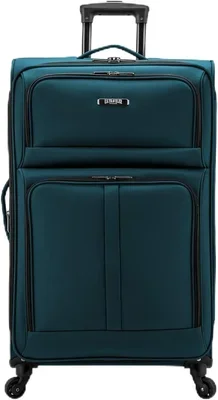
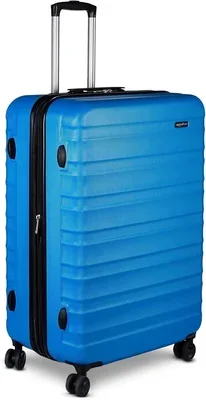
Hard‑shell cases (polycarbonate, ABS, or aluminum) resist impact but can crack under extreme pressure. Soft‑shell bags (ballistic nylon, Cordura, or high‑denier polyester) flex and absorb shocks, yet they may tear on sharp edges. Hybrid designs combine a hard frame with a fabric front pocket for the best of both worlds. Check the denier rating — 1680D or higher signals strong abrasion resistance.
4. Wheel System
Four spinner wheels (360° rotation) glide effortlessly on smooth airport floors, while two inline wheels handle rough pavement better. Look for sealed ball bearings and a wide wheelbase; narrow wheels wobble when the bag is fully expanded. Replaceable wheel housings extend the life of the suitcase, a feature often highlighted during an expandable luggage sale.
5. Handle & Ergonomics
A telescoping handle should lock at multiple heights (usually three) and feel sturdy when fully extended. Aluminum tubes are lighter than steel but can bend; reinforced aluminum or carbon‑fiber handles strike a good balance. The top and side carry handles must be padded and riveted, not merely stitched, to survive heavy loads.
6. Security Features
TSA‑approved combination locks are standard, but some brands add a built‑in cable lock that secures the zipper pulls together. Anti‑theft zippers with puncture‑resistant teeth deter opportunistic tampering. If you travel with valuables, consider a bag with a dedicated laptop compartment that can be locked separately.
7. Brand Reputation & Warranty
Established brands (e.g., Samsonite, Travelpro, Briggs & Riley) invest in quality control and honor multi‑year warranties. A limited lifetime warranty on the frame and wheels signals confidence. Read recent customer reviews for patterns — recurring zipper failures or wheel detachments are red flags even if the price looks attractive.
Different Types of Expandable Luggage

Common Buying Mistakes to Avoid
❌ Mistake: Ignoring Airline Size Limits
Why it’s bad: A bag that expands beyond the carrier’s maximum dimensions will be gate‑checked, incurring fees and risking damage. What to do instead: Verify the expanded dimensions against the most restrictive airline you fly. Keep a printed copy of the limits in your travel wallet.
❌ Mistake: Choosing Price Over Wheel Quality
Why it’s bad: Cheap plastic wheels crack after a few trips, turning a smooth roll into a drag. What to do instead: Prioritize sealed ball‑bearing spinners; they cost a little more upfront but save replacement hassles.
❌ Mistake: Overlooking Weight of the Empty Bag
Why it’s bad: A heavy empty suitcase eats into your weight allowance before you pack anything. What to do instead: Target a carry‑on under 7 lb (3.2 kg) and a checked bag under 10 lb (4.5 kg) for the best payload efficiency.
❌ Mistake: Skipping Warranty Registration
Why it’s bad: Many brands require online registration within 30 days to activate the full warranty. What to do instead: Register immediately after purchase; keep the receipt and a photo of the serial number.
❌ Mistake: Buying Without Testing the Expansion
Why it’s bad: Some zippers jam when the bag is full, leaving you stuck with a half‑expanded case. What to do instead: In‑store, pack the bag to its limit, then expand and compress repeatedly. Online buyers should watch video reviews that demonstrate the mechanism.
❌ Mistake: Assuming All “Smart” Features Work Offline
Why it’s bad: GPS trackers often need a cellular plan; USB ports may require a separate power bank. What to do instead: Read the fine print. If you don’t want a subscription, choose a non‑smart model and carry a portable charger.
Budget Guidelines: How Much Should You Spend?
Entry‑Level ($50‑$100): Expect basic polyester fabric, two inline wheels, a single‑track expansion zipper, and a one‑year limited warranty. Good for occasional weekend trips but may show wear after 5‑10 flights.
Mid‑Range ($100‑$200): This sweet spot delivers ballistic nylon or polycarbonate shells, four spinner wheels with sealed bearings, double‑track expansion, and a 3‑5 year warranty. Most frequent flyers find the best value here.
Premium ($200‑$400): Features include reinforced corners, self‑healing zippers, integrated TSA locks, replaceable wheel modules, and a 10‑year or lifetime warranty. Ideal for business travelers who log 30+ flights per year.
Luxury ($400+): Hand‑crafted aluminum frames, leather accents, modular interior systems, and concierge repair services. These are status pieces that also perform, but the cost per trip is high unless you travel constantly.
Expert Tips for Getting the Best Deal
- Timing: Shop January‑February for post‑holiday clearance; retailers clear inventory before new spring collections arrive.
- Retailer Comparison: Check brand‑direct sites, big‑box stores, and specialty luggage shops. Brand sites sometimes offer exclusive colors or free monogramming.
- Coupon Stacking: Combine a site‑wide 15 % off code with a newsletter sign‑up discount for extra savings.
- Open‑Box & Refurbished: Certified refurbished units from the manufacturer carry the same warranty at 20‑30 % off.
- Return Policy: Choose sellers with a 30‑day no‑questions‑asked return; you can test the bag on a real trip and return if it fails.
- Bundle Deals: Some brands sell a carry‑on + checked set at a lower combined price than buying separately.
- Loyalty Programs: Frequent‑flyer miles or credit‑card points can be redeemed for luggage credits, effectively lowering out‑of‑pocket cost.

Frequently Asked Questions
Q: How much extra space does an expandable zipper really add?
A: Most designs add 10‑20 % more volume, roughly 2‑4 inches of depth. The exact gain depends on the gusset width and whether the bag is a soft‑shell or hard‑shell model.
Q: Can I use an expandable carry‑on on a full flight?
A: Yes, but keep the expansion zipped shut until you confirm overhead space. If the bin is full, you may be forced to gate‑check the bag in its expanded state, which could exceed size limits.
Q: Are spinner wheels better than inline wheels for rough terrain?
A: Inline wheels handle cobblestones and gravel more reliably. If you frequently navigate uneven surfaces, consider a hybrid with two large inline wheels plus two small spinners for stability.
Q: What does “ballistic nylon” mean?
A: Originally developed for military flak jackets, ballistic nylon is a high‑tenacity, 2×2 basket‑weave fabric that resists tears and abrasion far better than standard polyester.
Q: Do I need a TSA lock if the bag has a built‑in combination lock?
A: The built‑in lock is TSA‑approved, so you don’t need a separate padlock. However, a small external cable lock can secure the zipper pulls together for added deterrence.
Q: How do I clean a hard‑shell expandable suitcase?
A: Wipe the exterior with a damp microfiber cloth and mild soap. Avoid harsh chemicals that can dull the finish. For scuffs, a non‑abrasive automotive polish works well.
Q: Is a lifetime warranty truly lifetime?
A: Most “lifetime” warranties cover the original owner for the functional life of the product (typically 10‑15 years). They exclude normal wear, cosmetic damage, and airline mishandling.
Q: Can I replace wheels myself?
A: Many mid‑range and premium models use screw‑on wheel housings. Replacement kits are sold by the manufacturer; a basic screwdriver is usually all you need.
Our Final Recommendations
Best for Budget‑Conscious Buyers: The “Voyager Lite 22″ Carry‑On” (soft‑shell, 1680D nylon, double‑track expansion, 2‑year warranty) delivers solid performance under $90.
Best Overall Value: The “Apex 25″ Medium Check‑In” (polycarbonate shell, four sealed‑bearing spinners, 5‑year warranty) sits near $170 and balances durability, weight, and expansion capacity.
Best Premium Option: The “Meridian 27″ Large Check‑In” (aluminum frame, self‑healing zippers, replaceable wheels, lifetime warranty) justifies its $350 price for heavy‑duty travelers.
Best for Beginners: The “Starter Set 2‑Piece” (carry‑on + medium, both with simple expansion, 3‑year warranty) removes decision fatigue and costs about $180 for the pair.
Best for Advanced Users: The “TechNomad 22″ Smart Carry‑On” (integrated 10,000 mAh power bank, GPS tracker, modular packing cubes) caters to digital nomads who need connectivity on the go.
Conclusion: Making the Right Choice
Selecting expandable luggage is a blend of practical measurements, material science, and personal travel style. Start with the size that matches your typical trip length, then verify the expansion mechanism, wheel quality, and warranty coverage. Use the budget tiers to set realistic expectations, and leverage seasonal sales to stretch your dollars further. Armed with this knowledge, you can confidently navigate any expandable luggage sale and walk away with a companion that lasts for years of adventures.