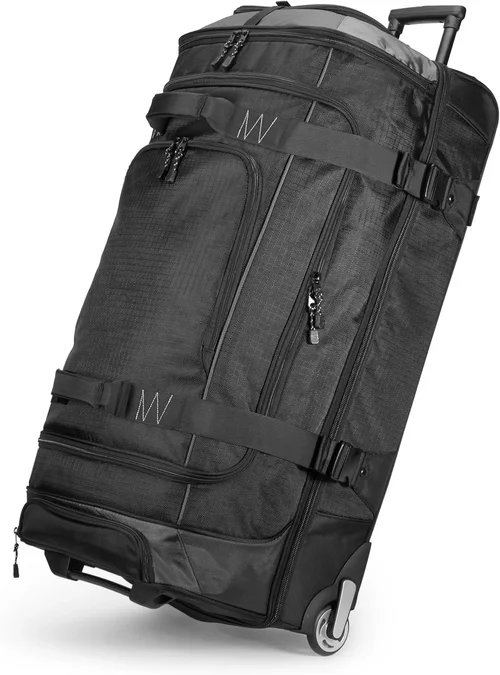
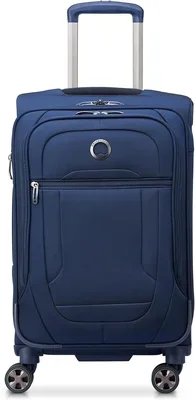
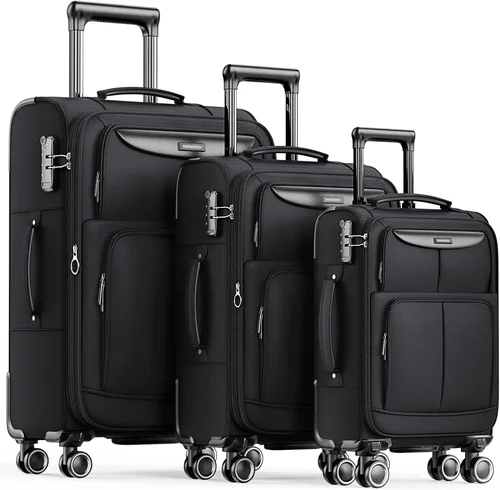
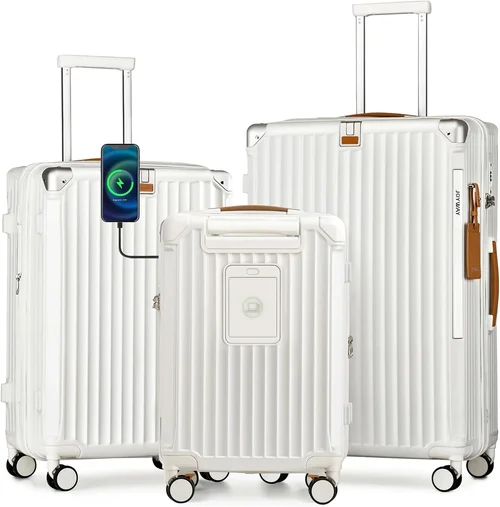
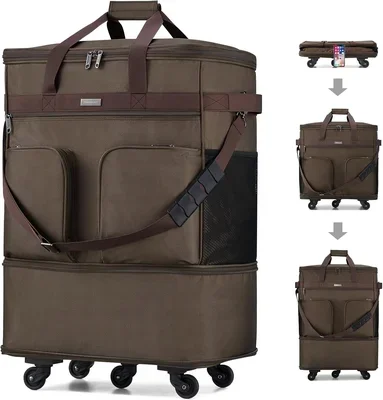
Choosing the right expandable luggage can feel like navigating a maze of zippers, wheels, and marketing buzzwords. Whether you’re a weekend warrior who needs a little extra room for souvenirs or a frequent flyer who wants a single bag that adapts to every trip, the right piece of luggage can save you time, money, and the headache of overpacked overhead bins. This guide walks you through every critical decision point — from frame material to warranty fine print — so you can walk into a store or click “add to cart” with total confidence.
Over the next several sections you’ll learn how to prioritize the features that matter most for your travel style, how to decode technical specifications like “polycarbonate shell” or “double‑spinner wheels,” and where the real value lies across budget, mid‑range, and premium price tiers. We’ll also highlight the most common buying mistakes, share insider timing tips for snagging the best deals, and answer the questions travelers ask most often. By the end you’ll have a clear, personalized checklist that turns a confusing purchase into a smart investment.
The expandable luggage market has exploded in the last decade, with brands ranging from heritage names like Samsonite and Travelpro to direct‑to‑consumer upstarts such as Away and Monos. While the core concept — a zippered gusset that adds 15‑25 % more packing volume — remains the same, the execution varies wildly. Understanding those differences is the key to avoiding a bag that bulges at the seams after one trip or a handle that snaps under the weight of a fully packed suitcase.

What to Look for When Buying Buying Guide
1. Size & Capacity
Size is the first filter you should apply. Airlines enforce strict linear‑inch limits for carry‑on (typically 22 × 14 × 9 in) and checked baggage (usually 62 linear inches total). An expandable carry‑on that exceeds the limit when fully unzipped can force you to gate‑check, negating the convenience you bought it for. Measure the bag’s dimensions both collapsed and expanded, then compare them to the carriers you fly most often. For checked bags, consider the typical weight allowance (50 lb for most U.S. carriers) — a larger bag tempts you to pack heavier, which can trigger overweight fees.
2. Frame Material & Durability
Expandable luggage comes in three primary shell families: polycarbonate, ABS‑polycarbonate blends, and ballistic nylon. Polycarbonate is the gold standard for hard‑shell bags — it flexes under impact rather than cracking, and it rebounds to its original shape. ABS blends are cheaper but more brittle; they’re fine for occasional leisure travel but may crack after a few rough handling cycles. Ballistic nylon (often 1680D) dominates soft‑shell expandables; it resists abrasions, tears, and water better than standard polyester, and the fabric’s give makes it easier to squeeze into tight overhead bins.
Look for reinforced corners, double‑stitched seams, and a protective “bumper” strip around the zipper gusset. Those details absorb the shock when a baggage handler tosses your bag onto a conveyor belt.
3. Wheel System & Maneuverability
Four‑wheel “spinner” systems let you glide the bag upright beside you, reducing wrist strain. Double‑spinner wheels (two wheels per corner) distribute weight more evenly and handle cobblestones or carpet better than single‑spinner designs. Check the wheel housing: sealed ball bearings and a recessed axle protect against debris and reduce wobble. If you frequently navigate stairs or curbs, a two‑wheel “roller” with larger diameter wheels can be more stable, though you’ll sacrifice 360° turning.
4. Handle Ergonomics & Locking Mechanism
A telescoping handle should lock at multiple heights (usually three) and feel solid when fully extended — no wobble or flex. Grip material matters: rubberized or contoured handles reduce hand fatigue on long walks through terminals. For security, a TSA‑approved combination lock integrated into the zipper pulls is standard on mid‑range and premium models; budget bags often rely on a separate padlock, which can be lost or cut.
5. Expansion Mechanism & Zipper Quality
The expansion gusset is the heart of the product. YKK or equivalent brand zippers with self‑healing teeth resist snagging and stay aligned after repeated opening. A “double‑zipper” design (two sliders meeting in the middle) lets you lock the expansion with a single TSA lock. Test the zipper in‑store: it should glide smoothly without catching, and the fabric should not bunch when the bag is fully expanded.
6. Interior Organization & Compression
Inside, look for a full‑length divider panel, mesh zippered pockets, and compression straps that keep clothes from shifting. Some premium bags add a removable laundry bag, a wet/dry pocket, or a built‑in suiter sleeve for dresses and suits. Compression straps are especially valuable when you expand the bag — they let you cinch down the extra volume so the suitcase retains a compact profile for overhead bins.
7. Weight & Packability
Every ounce counts when you’re up against a 50 lb checked‑bag limit. Hard‑shell polycarbonate carry‑ons typically weigh 6‑7 lb empty; soft‑shell ballistic nylon models can be 4‑5 lb. If you’re a light packer who maximizes every cubic inch, a lighter bag gives you more payload. Conversely, a heavier, sturdier frame may survive more abuse, so weigh the trade‑off against your travel frequency.
8. Warranty, Repair Network & Brand Support
A lifetime limited warranty signals confidence, but read the fine print: many cover only manufacturing defects, not airline damage. Brands with global repair centers (e.g., Travelpro, Samsonite, Briggs & Riley) let you ship a broken handle or wheel for service rather than replacing the whole bag. Direct‑to‑consumer brands often offer a “no‑questions‑asked” replacement for the first few years, which can be a hassle‑free safety net.
Different Types of Buying Guide

Common Buying Mistakes to Avoid
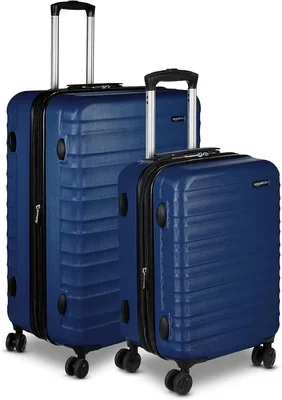
❌ Mistake: Ignoring Airline Size Limits When Expanded
Why it’s bad: An expandable carry‑on that exceeds the carrier’s linear‑inch limit forces a gate check, adding time and risk of damage.
What to do instead: Verify both collapsed and expanded dimensions against the airlines you use most. Choose a model that stays compliant even when the gusset is open, or commit to keeping it zipped shut for overhead‑bin flights.
❌ Mistake: Prioritizing Price Over Wheel Quality
Why it’s bad: Cheap single‑spinner wheels wobble, jam on carpet, and often break after a few trips, turning a smooth roll into a drag.
What to do instead: Invest in double‑spinner wheels with sealed bearings. Test the bag on a hard floor and a carpet sample in‑store; it should glide silently in both.
❌ Mistake: Overlooking Zipper Brand and Construction
Why it’s bad: A low‑quality zipper can separate under the stress of a fully packed expansion, spilling contents onto the baggage carousel.
What to do instead: Look for YKK, RiRi, or equivalent branded zippers with self‑healing teeth. Pull the zipper back and forth several times — it should never snag.
❌ Mistake: Buying a Bag Too Heavy for Your Packing Style
Why it’s bad: A 9 lb empty checked bag leaves only 41 lb for your belongings on a 50 lb limit, inviting overweight fees.
What to do instead: Match bag weight to your typical load. Light packers benefit from sub‑5 lb soft shells; heavy packers may accept a heavier hard shell for durability.
❌ Mistake: Skipping Warranty Registration
Why it’s bad: Many lifetime warranties require online registration within 30 days; missing that window voids coverage.
What to do instead: Register the product immediately after purchase, keep the receipt, and photograph the serial number tag.
❌ Mistake: Assuming All “Expandable” Bags Add the Same Volume
Why it’s bad: Expansion depth varies from 1.5 in to 3 in, translating to 10‑30 % extra capacity. A shallow gusset may not justify the feature.
What to do instead: Check the manufacturer’s stated expansion volume (often listed in liters) and compare it to the base capacity.
❌ Mistake: Neglecting Interior Organization Features
Why it’s bad: Without compression straps or divider panels, the extra space becomes a chaotic jumble, making it harder to find items and increasing wrinkles.
What to do instead: Prioritize bags with at least two compression straps, a mesh divider, and a zippered mesh pocket for toiletries or electronics.
Budget Guidelines: How Much Should You Spend?
Entry‑Level ($60 – $130)
At this tier you’ll find ABS‑blend hard shells and basic polyester soft shells. Expect single‑spinner wheels, a single‑stage telescoping handle, and a shallow expansion gusset (≈1.5 in). Warranty is usually 1‑2 years limited. These bags are fine for a few leisure trips per year, but they’ll show wear — cracked corners, wobbly wheels — after 10‑15 flights.
Mid‑Range ($130 – $300)
This is the sweet spot for most travelers. You’ll see true polycarbonate or 1680D ballistic nylon, double‑spinner wheels, multi‑stage handles, YKK zippers, and a 2‑2.5 in expansion adding 20‑25 % volume. Brands like Travelpro, Samsonite, and Delsey dominate here, offering 5‑10 year limited warranties and global repair networks. Interior organization typically includes a full divider, two compression straps, and a mesh pocket.
Premium ($300 – $500)
Premium models add features such as integrated TSA‑approved combination locks, self‑healing zipper tracks, removable suiter sleeves, and advanced suspension wheel systems that absorb shock. Materials may include Makrolon® polycarbonate or 1000D Cordura® nylon with water‑repellent coatings. Warranties often extend to lifetime with “no‑questions‑asked” replacement for the first 3‑5 years. These bags survive heavy business‑travel schedules (30+ flights per year) with minimal cosmetic wear.
Luxury ($500 +)
Luxury expandables — think Rimowa, Briggs & Riley Baseline, or Tumi Alpha 3 — use proprietary alloys (e.g., Rimowa’s aluminum‑magnesium) or ultra‑light carbon‑fiber composites. They feature hand‑stitched leather accents, modular interior systems, and concierge‑level repair services (often free shipping both ways). The expansion mechanism is engineered for seamless, one‑hand operation. While the performance gains over premium are marginal for most travelers, the status appeal and resale value can justify the spend for frequent premium‑cabin flyers.
Expert Tips for Getting the Best Deal
- Shop End‑of‑Season Sales: Major retailers clear luggage in January (post‑holiday) and July (mid‑summer). Discounts of 20‑40 % are common on last‑year’s colors.
- Use Price‑Tracking Tools: Browser extensions like Honey or CamelCamelCamel alert you when a specific model drops below your target price.
- Check Manufacturer Refurbished Programs: Brands such as Travelpro and Samsonite sell factory‑refurbished units with full warranty at 30‑50 % off MSRP.
- Leverage Credit‑Card Travel Perks: Many premium cards (e.g., Chase Sapphire Reserve, Amex Platinum) offer statement credits for luggage purchases or complimentary baggage insurance.
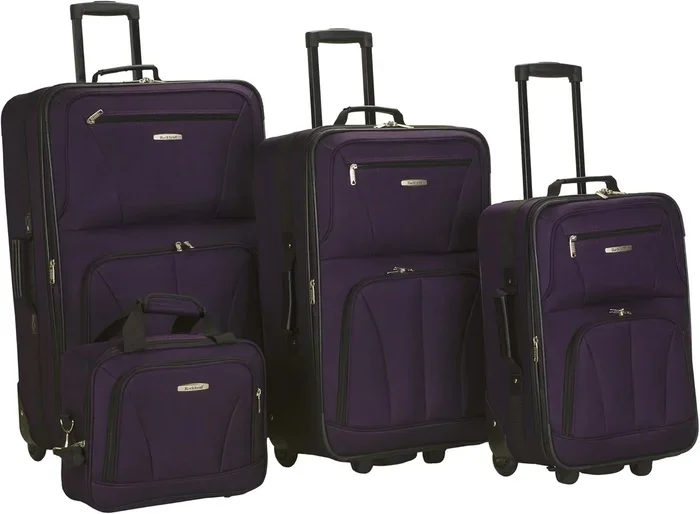
- Buy a Set, Not Singles: A 3‑piece set (carry‑on, medium checked, large checked) often costs 15‑20 % less per piece than buying each separately.
- Test In‑Store Before Ordering Online: Even if you plan to buy online, visit a brick‑and‑mortar store to feel the handle, roll the wheels, and operate the expansion zipper.
- Read the Return Policy Fine Print: Some online retailers charge restocking fees for opened luggage; look for free‑return windows of 30 days or more.
- Consider a “Lifetime” Warranty as a Cost‑Per‑Use Metric: A $350 bag with a true lifetime warranty that lasts 15 years costs ~$23 / year, often cheaper than replacing a $120 bag every 3 years.

Frequently Asked Questions
Q: Can I use an expandable carry‑on on all airlines?
A: Most U.S. carriers allow a carry‑on up to 22 × 14 × 9 in. If the bag’s expanded dimensions exceed that, you must keep the expansion zipper closed for overhead‑bin flights. International low‑cost carriers often have stricter limits (e.g., 21.5 × 15.5 × 9 in), so verify each airline’s policy before you fly.
Q: Does expanding the bag weaken the frame?
A: A well‑engineered expansion gusset distributes stress across reinforced stitching and a flexible frame. Polycarbonate shells flex; ballistic nylon stretches. Cheap ABS shells can develop stress cracks if over‑expanded repeatedly. Stick to the manufacturer’s recommended expansion limit.
Q: How do I clean a ballistic‑nylon expandable bag?
A: Spot‑clean with a mild detergent and a soft brush. For deeper cleaning, remove the interior liner (if detachable) and hand‑wash in lukewarm water. Avoid machine washing — agitation can damage the zipper tracks and wheel housings.
Q: Are spinner wheels better than inline wheels for cobblestone streets?
A: Double‑spinner wheels with larger diameter (3‑4 in) handle uneven surfaces better than small single spinners. However, two‑wheel inline rollers with 4‑5 in wheels can be more stable on very rough terrain because they don’t swivel sideways.
Q: What’s the difference between a “lifetime warranty” and a “limited lifetime warranty”?
A: “Lifetime” usually means the expected lifespan of the product (often 10‑15 years) and covers manufacturing defects only. “Limited lifetime” adds exclusions — airline damage, normal wear, and cosmetic issues are typically not covered. Always read the warranty booklet.
Q: Can I replace a broken wheel myself?
A: Many mid‑range and premium brands sell wheel‑replacement kits (often $15‑$30) and provide video tutorials. Budget bags usually have riveted wheels that aren’t user‑serviceable.
Q: Is a built‑in TSA lock worth the extra cost?
A: Yes, if you value convenience. Integrated locks eliminate the need to carry a separate padlock and reduce the chance of losing the key. They also meet TSA standards, so agents can open and relock the bag without cutting a lock.
Q: How much extra volume does a typical 2‑inch expansion add?
A: On a 22‑inch carry‑on with a base capacity of 38 L, a 2‑inch gusset adds roughly 8‑10 L (≈20‑25 %). On a 28‑inch checked bag (≈95 L base), the same expansion adds 20‑25 L.
Q: Should I buy a hard‑shell or soft‑shell for international travel?
A: Hard shells protect fragile items (electronics, gifts) better and resist water. Soft shells are lighter, more flexible for tight overhead bins, and often have exterior pockets for quick‑access items. Choose based on what you prioritize: protection vs. weight and accessibility.
Q: What’s the best way to pack an expanded bag to avoid wrinkles?
A: Use packing cubes for each clothing category, roll garments instead of folding, and engage the compression straps after the bag is fully packed. Place heavier items (shoes, toiletry kit) at the bottom near the wheels for balance.
Our Final Recommendations
- Best for Budget‑Conscious Buyers: AmazonBasics Hardside Spinner 21‑inch (Expandable) — ~$85, ABS‑polycarbonate blend, single‑spinner wheels, 1.5 in expansion. Good for 2‑3 trips per year.
- Best Overall Value: Travelpro Maxlite 5 Expandable Carry‑On — ~$160, 1680D ballistic nylon, double‑spinner wheels, 2 in expansion, lifetime limited warranty. Hits the sweet spot of weight, durability, and organization.
- Best Premium Option: Samsonite Freeform Hardside Expandable 21‑inch — ~$280, Makrolon® polycarbonate, double‑spinner, integrated TSA lock, 2.5 in expansion, 10‑year warranty. Ideal for weekly business travelers.
- Best for Beginners: Delsey Paris Chatelet Hard+ 21‑inch — ~$220, stylish polycarbonate, silent double‑spinner, brake system on wheels, 2 in expansion. Easy to maneuver, looks great, and includes a 10‑year warranty.
- Best for Advanced Users: Briggs & Riley Baseline Domestic Expandable 22‑inch — ~$470, 1680D ballistic nylon with CX™ expansion‑compression system, lifetime “no‑questions‑asked” warranty, self‑healing zippers. Built for heavy‑duty, high‑frequency travel.
Conclusion: Making the Right Choice
Expandable luggage is a versatile tool that can adapt to a weekend getaway or a month‑long adventure — provided you match the bag’s specifications to your real‑world travel habits. Start by confirming the size limits of the airlines you fly most, then prioritize a durable frame material (polycarbonate or ballistic nylon), a smooth double‑spinner wheel system, and a high‑quality YKK expansion zipper. Don’t overlook interior organization; compression straps and a full divider keep the extra space usable rather than chaotic.
Budget, mid‑range, and premium tiers each have clear trade‑offs. If you travel a handful of times a year, a well‑reviewed mid‑range model gives you the best cost‑per‑trip value. Frequent flyers who log dozens of segments annually will reap long‑term savings from a premium or luxury bag with a true lifetime warranty and global repair network. And remember: the best deal isn’t always the lowest price — it’s the bag that survives the baggage carousel, fits the overhead bin, and still looks sharp after years of service.
Armed with this checklist, you’re ready to evaluate any expandable suitcase on the market. Take a moment to list your top three must‑have features, set a realistic price ceiling, and then test a few candidates in person or through a generous return policy. Your future self — standing at the gate with a perfectly packed, smoothly rolling bag — will thank you.