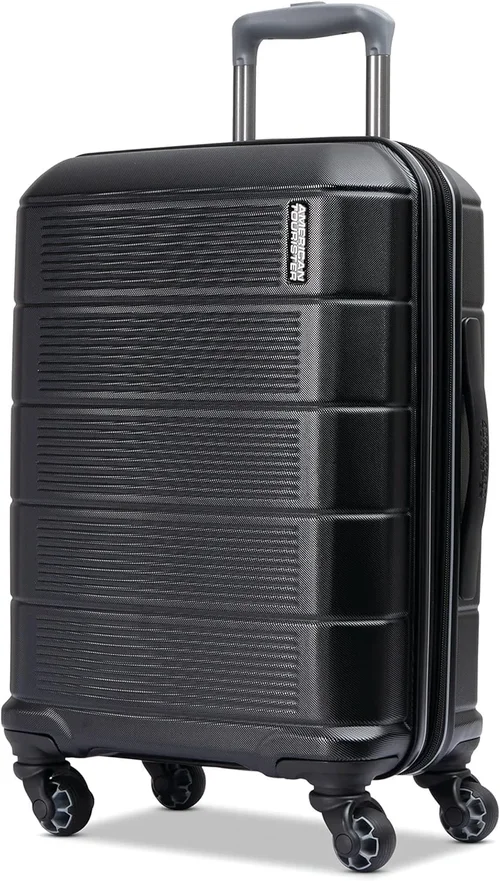
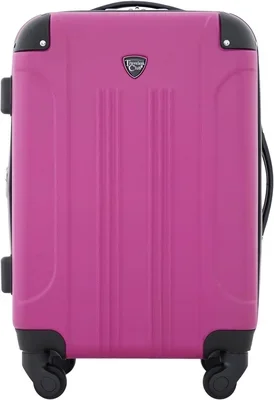
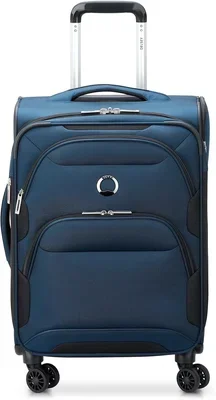
Choosing the right suitcase can feel like picking a travel companion that will either make your journey smooth or turn it into a struggle with overstuffed zippers and broken wheels. Expandable luggage adds a layer of flexibility that many travelers love, but it also introduces decisions about size limits, durability, weight, and price that can be overwhelming. This guide walks you through every critical factor, explains the technical terms in plain language, compares the main categories side by side, highlights common pitfalls, and gives you a clear budget roadmap so you can buy with confidence.
By the end of this article you will know exactly what to look for first, how to match a bag to your travel style, when to spend a little more for long‑term value, and which models consistently earn top marks from frequent flyers and weekend adventurers alike. Whether you are a business traveler who needs a sleek carry‑on that can swallow a last‑minute blazer, a family packing for a two‑week vacation, or a minimalist who wants the lightest possible option, the information below will help you make a choice you won’t regret.

What to Look for When Buying Expandable Luggage
1. Size and Airline Compliance
Size is the first filter because an oversized bag can mean gate‑check fees or a forced check‑in at the counter. Most airlines allow a carry‑on up to 22 × 14 × 9 inches (56 × 36 × 23 cm) including wheels and handles, while checked bags typically max out at 62 linear inches (length + width + height). Expandable models usually add 1.5–2 inches of depth when the zipper is opened, so verify the expanded dimensions against the carriers you fly most often. If you frequently switch between domestic and international flights, consider a bag that stays within the strictest limits even when expanded, or pick a model with a removable expansion panel that can be zipped shut for compliance.
2. Build Materials: Polycarbonate, Ballistic Nylon, and Hybrid Shells
The shell material determines weight, impact resistance, and how the bag looks after a few trips. Polycarbonate hard‑shells are lightweight, flex under pressure, and resist cracking, making them ideal for checked luggage that gets tossed onto conveyor belts. Ballistic nylon (often 1680D) is abrasion‑resistant, slightly heavier, and offers a softer feel that can absorb impacts without denting. Hybrid designs combine a polycarbonate frame with nylon panels, giving you the structure of a hard case and the flexibility of fabric. For frequent flyers, a high‑grade polycarbonate (Makrolon or Bayer) with a matte finish hides scratches better than glossy finishes.
3. Wheel System: Spinner vs. Inline, Bearing Quality, and Replaceability
Four‑wheel spinners let you glide the bag beside you in any direction, reducing wrist strain on long terminal walks. Inline two‑wheel models roll straight and are often more durable on rough pavement because the wheels are larger and recessed. Look for sealed ball bearings (often labeled “precision bearings” or “Japanese bearings”) rather than plain plastic bushings; they spin smoother and last longer. Some premium brands offer replaceable wheel modules, so a single cracked wheel does not retire the entire suitcase.
4. Handle Mechanism: Telescoping Height, Locking Stages, and Ergonomics
A telescoping handle should extend to at least three height positions (short, medium, tall) to accommodate different user heights. The locking mechanism must engage with a solid click; a loose handle wobbles and can jam. Ergonomic grips with rubberized or contoured surfaces reduce hand fatigue. Test the handle’s “push‑button” release – it should operate with one hand while the bag is upright. On expandable bags, ensure the handle tube does not interfere with the expansion zipper when fully extended.
5. Expansion Mechanism: Zipper Type, Gusset Depth, and Structural Integrity
Expansion is usually achieved by a secondary zipper that opens a fabric gusset. YKK or SBS zippers with lockable sliders are the gold standard; they resist snagging and can be secured with a TSA‑approved lock. Gusset depth typically ranges from 1.5 to 2.5 inches. Deeper gussets add more volume but can compromise the bag’s shape, making it harder to fit in overhead bins. Reinforced stitching along the gusset seam and a stiffening panel (often a thin polycarbonate strip) keep the bag from bulging uncontrollably when fully packed.
6. Interior Organization: Dividers, Compression Straps, and Pockets
A well‑designed interior saves packing time and keeps clothes wrinkle‑free. Look for a full‑length zippered divider that separates the two halves, mesh pockets for toiletries, and adjustable compression straps that cinch down contents. Some models include a removable garment sleeve or a padded laptop compartment (usually 15‑inch). If you travel with tech, a dedicated padded sleeve with a quick‑access zipper is a huge plus.
7. Weight and Weight‑Capacity Ratio
Weight matters because every pound of luggage eats into your airline allowance. A 22‑inch carry‑on should ideally weigh under 7 lb (3.2 kg) empty; checked spinners under 10 lb (4.5 kg). However, ultra‑light bags sometimes sacrifice reinforcement. Check the manufacturer’s stated load capacity (often 50–70 lb for checked bags) and read user reviews for real‑world durability at max weight.
8. Warranty, Repair Network, and Brand Support
A limited lifetime warranty that covers wheels, handles, and zippers signals confidence. Brands with authorized repair centers (e.g., Briggs & Riley, Travelpro, Samsonite) let you replace a broken wheel or handle without shipping the whole bag. Check whether the warranty is “global” or limited to the country of purchase, especially if you travel internationally.
Different Types of Expandable Luggage

Common Buying Mistakes to Avoid
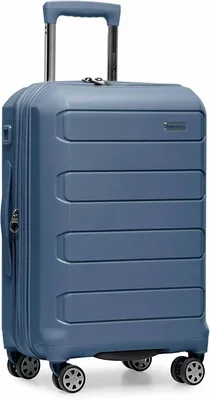
❌ Mistake: Ignoring Airline Size Limits When Expanded
Why it’s bad: An expanded bag that exceeds the carrier’s linear‑inch limit forces you to check it at the gate, often for a hefty fee, and you lose the convenience of a carry‑on.
What to do instead: Measure the expanded dimensions yourself or verify the manufacturer’s specs against the strictest airline you use. Choose a model with a removable expansion zipper that can be locked shut for compliance.
❌ Mistake: Prioritizing Looks Over Wheel Quality
Why it’s bad: Flashy colors and sleek shells are useless if the wheels seize after two trips. Cheap plastic wheels crack on cobblestones and uneven sidewalks.
What to do instead: Inspect the wheel housing for sealed bearings, test spin smoothness in‑store, and read long‑term reviews focusing on wheel durability.
❌ Mistake: Overlooking Handle Height Range
Why it’s bad: A handle that stops too short forces tall travelers to hunch, causing back strain; a handle that’s too tall can be awkward for shorter users.
What to do instead: Look for at least three locking positions and a comfortable grip. If possible, extend the handle in the store and walk a few steps.
❌ Mistake: Buying the Lightest Bag Without Checking Reinforcement
Why it’s bad: Ultra‑light models often thin the shell or use minimal frame support, leading to cracked corners or bent frames under normal load.
What to do instead: Compare weight to load‑capacity rating. A 6 lb carry‑on rated for 50 lb is usually better built than a 4.5 lb bag rated for 30 lb.
❌ Mistake: Skipping Warranty Details
Why it’s bad: A “lifetime warranty” that only covers the shell but excludes wheels, handles, and zippers leaves you paying for the most common repairs.
What to do instead: Read the warranty PDF. Prefer brands that list “wheels, handles, zippers, and shell” explicitly and have a repair network in your home country.
❌ Mistake: Assuming All Expandable Zippers Are Equal
Why it’s bad: Low‑quality zippers snag, split, or fail to lock, rendering the expansion feature useless and potentially exposing contents.
What to do instead: Choose YKK or SBS zippers with lockable sliders. Test the zipper’s glide in‑store; it should move smoothly without catching.
❌ Mistake: Not Testing Packability With Your Own Gear
Why it’s bad: A bag may look spacious but have awkward interior contours that waste space or prevent your packing cubes from fitting.
What to do instead: Bring a few of your typical packing cubes or a rolled outfit to the store and do a quick pack test. If buying online, check the interior dimensions and compare them to your cubes.
Budget Guidelines: How Much Should You Spend?
Entry‑Level ($80 – $150)
At this tier you’ll find mostly soft‑side nylon bags with basic two‑wheel inline systems, simple expansion gussets, and a one‑year limited warranty. They work fine for occasional leisure trips, but expect heavier weight (8‑10 lb for a 25‑inch checked bag), less durable zippers, and wheels that may wear out after a few dozen flights. Brands like AmazonBasics, Kenneth Cole Reaction, and some Travelpro “Crew” models sit here.
Mid‑Range ($150 – $300)
This is the sweet spot for most travelers. You get polycarbonate or high‑denier ballistic nylon, four‑wheel spinners with sealed bearings, YKK expansion zippers, and a 5‑ to 10‑year warranty covering wheels and handles. Interior organization improves with compression straps, mesh pockets, and sometimes a removable garment sleeve. Popular lines: Travelpro Platinum Elite, Samsonite Winfield 3 DLX, Briggs & Riley Baseline (on sale).
Premium ($300 – $550)
Premium bags add features like self‑healing zippers, integrated TSA locks, replaceable wheel modules, and a true lifetime “no‑questions‑asked” repair policy. Materials shift to Makrolon polycarbonate or 1680D ballistic nylon with reinforced corners. Handles often have four height stops and ergonomic grips. Examples: Briggs & Riley Sympatico, Tumi Alpha 3, Rimowa Essential (polycarbonate).
Luxury ($550 +)
Luxury models blend aesthetics with tech: leather accents, built‑in GPS trackers, USB‑C power banks, and bespoke color options. The shell may be anodized aluminum (Rimowa) or carbon‑fiber composite. Warranty includes global concierge repair service. These are status pieces as much as functional luggage; buy only if the brand experience matters to you.
Expert Tips for Getting the Best Deal
- Shop Off‑Season: January‑February and September‑October see the deepest discounts as retailers clear holiday inventory.
- Use Price‑Tracking Tools: Browser extensions like Honey, CamelCamelCamel, or Keepa alert you when a specific model drops below your target price.
- Check Authorized Refurbished Programs: Brands such as Briggs & Riley and Tumi sell factory‑refurbished units with full warranty at 30‑40 % off.
- Leverage Credit‑Card Travel Perks: Many premium cards offer baggage‑fee credits or purchase protection that extends the manufacturer warranty.
- Buy a Set When Possible: A matched carry‑on + checked spinner set often costs 10‑15 % less than buying each piece separately.
- Test In‑Store Before Ordering Online: Even if you plan to buy online for a lower price, visit a store to feel the handle, spin the wheels, and test the expansion zipper.
- Read the Return Policy Fine Print: Some retailers charge a restocking fee for luggage; free‑return policies (e.g., Zappos, REI) reduce risk.
- Register Your Warranty Immediately: Many brands require online registration within 30 days to activate the full lifetime coverage.

Frequently Asked Questions
Q: Does expandable luggage count as oversized when the zipper is open?
A: Yes. Airlines measure the external dimensions at check‑in or gate. If the expanded depth pushes the bag over the allowed linear inches, you will be charged. Keep the expansion zipper closed unless you have verified the airline’s limit allows the extra space.
Q: Can I replace a broken spinner wheel myself?
A: On many mid‑range and premium models, the wheel module is secured with a single screw or a quick‑release clip. Manufacturers often sell replacement wheel kits. For budget bags, wheels are usually riveted and not user‑serviceable.
Q: What is the difference between a “hard‑shell” and a “hybrid” expandable bag?
A: A hard‑shell bag uses a single polycarbonate (or ABS) shell for the entire exterior. A hybrid uses a rigid frame (often polycarbonate or aluminum) with fabric panels (ballistic nylon) on the sides, allowing a larger expansion gusset while retaining structural rigidity.
Q: Are TSA‑approved locks necessary on expandable luggage?
A: They are highly recommended. The expansion zipper adds a second access point; a TSA lock lets security open and relock the bag without cutting the zipper. Many mid‑range bags include built‑in TSA locks; otherwise, purchase a small cable lock that fits the zipper pulls.
Q: How do I clean a ballistic‑nylon expandable bag?
A: Spot‑clean with a mild detergent and a soft brush. For deeper cleaning, remove the interior liner (if removable) and hand‑wash in lukewarm water. Avoid machine washing, as agitation can damage the water‑repellent coating and the expansion gusset stitching.
Q: What does “linear inches” mean for checked baggage?
A: Linear inches = length + width + height (including wheels and handles). Most U.S. carriers allow 62 linear inches for a standard checked bag. Measure your bag fully expanded to ensure compliance.
Q: Is a 4‑wheel spinner always better than a 2‑wheel inline?
A: Not necessarily. Spinners excel on smooth airport floors but can wobble on cobblestones or gravel. Inline wheels are larger, recessed, and handle rough terrain better. Choose based on the surfaces you encounter most.Q: How much extra volume does a typical expansion gusset add?
A: Most expandable carry‑ons gain 15‑25 % more packing volume (roughly 2‑3 liters). Checked bags can gain 20‑30 % (5‑8 liters). The exact figure depends on gusset depth and bag shape.
Q: Do expandable bags weaken the overall structure?
A: If the expansion zipper is reinforced with a stiffening panel and double‑stitched gusset, the structural impact is minimal. Cheap models that rely solely on fabric stretch can deform permanently when overpacked.
Q: What should I look for in a warranty claim process?
A: A simple online claim form, prepaid shipping label for repairs, and a turnaround time of 2‑3 weeks. Brands with local authorized repair centers (e.g., Travelpro, Briggs & Riley) often complete repairs in under a week.
Our Final Recommendations
- Best for Budget‑Conscious Buyers: Travelpro Maxlite 5 Expandable Carry‑On – 5.4 lb, 2‑wheel inline, 1.5‑inch expansion, 5‑year warranty, often under $130.
- Best Overall Value: Samsonite Freeform Hardside Spinner 21″ – Polycarbonate shell, 4‑wheel double‑spinner, YKK expansion zipper, 10‑year limited warranty, typically $180‑$210.
- Best Premium Option: Briggs & Riley Sympatico CX Expandable Spinner – Makrolon polycarbonate, CX expansion system (adds 22 % volume), lifetime “no‑questions‑asked” repair, $420‑$460.
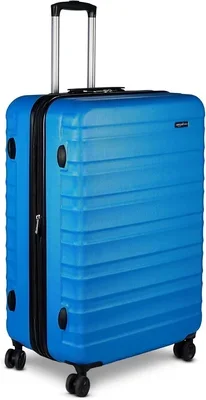
- Best for Beginners: AmazonBasics Hardside Spinner 21″ – Simple design, 4‑wheel spinner, 1‑year warranty, under $100; good for first‑time flyers who want a low‑risk trial.
- Best for Advanced Users / Frequent Flyers: Tumi Alpha 3 Continental Expandable 4‑Wheel Carry‑On – Ballistic nylon, TSA lock, add‑a‑bag strap, premium handle, 5‑year warranty, $550‑$600.
Conclusion: Making the Right Choice
Expandable luggage gives you the freedom to pack a little extra when plans change, but the real value comes from matching the bag’s size, wheel system, materials, and warranty to your travel habits. Start by confirming the strictest airline dimensions you’ll encounter, then prioritize a smooth‑rolling spinner with sealed bearings and a YKK expansion zipper. Invest in a mid‑range model with a five‑year wheel‑and‑handle warranty for the best balance of durability and price, and always test the handle height and interior layout with your own packing cubes before committing. With the knowledge in this guide, you can walk into any store or click “Add to Cart” knowing exactly what you need – and enjoy every trip with a suitcase that works as hard as you do.