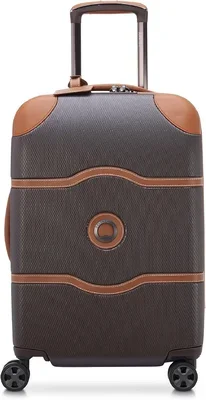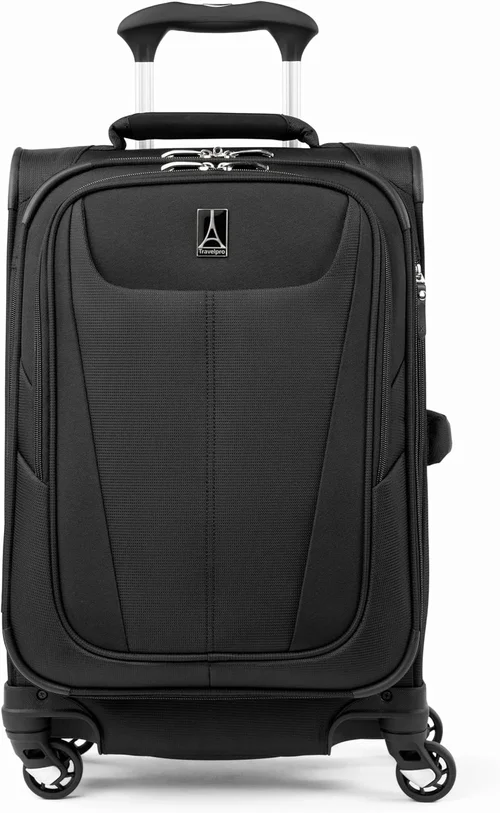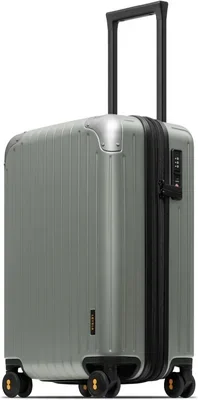
Choosing the right expandable hardside spinner luggage can feel like navigating a maze of specifications, brands, and price points. This guide exists to cut through the noise and give you a clear, step‑by‑step framework for finding a suitcase that matches your travel style, budget, and durability expectations.
In the next sections you will learn which features matter most, how to compare the main categories on the market, the common pitfalls that trap even seasoned travelers, and a realistic budget breakdown that helps you decide how much to invest. By the end you will have the confidence to pick a piece of luggage that will survive countless trips and still look sharp at the baggage carousel.
The market today offers everything from ultra‑light carry‑ons that expand a few centimeters to massive checked bags that swallow a week’s wardrobe. Understanding the core differences early on saves you time, money, and the frustration of a broken handle halfway through a vacation.

What to Look for When Buying Buying Guide
1. Size & Expandable Capacity
Size determines whether the bag fits in an overhead bin or must be checked, while the expandable zipper adds up to 2‑3 inches of extra packing depth. Measure the interior dimensions before you buy and compare them to the airline’s carry‑on limits. A 22‑inch carry‑on that expands to 24 inches gives you flexibility for a weekend trip that turns into a five‑day stay. Look for a smooth‑running expansion zipper that locks securely so the bag does not burst open during transit.
2. Shell Material & Durability
Hard shells are usually made from polycarbonate, ABS, or a blend of both. Polycarbonate is lighter and more impact‑resistant, making it the preferred choice for frequent flyers. ABS is cheaper but can crack under heavy pressure. A hybrid shell combines the two, offering a good balance of weight and toughness. Check the thickness rating (often listed in millimeters) and look for reinforced corners, which absorb the brunt of drops and conveyor‑belt impacts.
3. Wheel System & Maneuverability
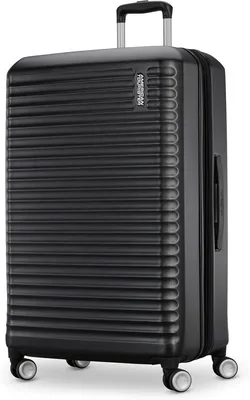
Four double‑spinner wheels rotate 360 degrees, letting you glide the bag beside you instead of dragging it. High‑quality wheels use sealed ball bearings and a polyurethane tread that resists wear on rough pavement. Test the wheel action by pushing the bag straight ahead and then making a tight turn; a well‑engineered system stays stable without wobbling. Avoid single‑wheel “inline” designs if you value effortless navigation through crowded terminals.
4. Handle System & Ergonomics
The telescopic handle should lock at multiple heights so users of different statures can roll comfortably. Aluminum or reinforced steel tubes resist bending, while a padded grip reduces hand fatigue on long walks. Check that the handle retracts smoothly without sticking; a jammed handle is a common failure point on cheaper models. Some premium lines add a secondary top handle for lifting the bag into overhead compartments.
5. Security Features & TSA Locks
Integrated TSA‑approved combination locks let security agents open the bag without cutting the zipper. Look for a lock that is recessed into the shell to avoid snagging on conveyor belts. A double‑zipper design that meets the lock’s shackle adds an extra layer of tamper resistance. If you travel internationally, verify that the lock complies with the latest TSA standards.
6. Weight & Portability
Every ounce counts when airlines enforce strict weight limits. A lightweight polycarbonate carry‑on can weigh as little as 5.5 pounds, while a large checked model may approach 11 pounds empty. Choose the lightest shell that still meets your durability needs. Remember that the expandable panel adds a small amount of weight, so factor that into your total allowance.
7. Warranty, Support & Brand Reputation
A solid warranty signals confidence in build quality. Many reputable brands offer a limited lifetime warranty covering defects in materials and workmanship. Read the fine print: some warranties exclude damage from airline handling. Responsive customer service and easy claims processing can turn a potential headache into a quick replacement. Research online reviews for patterns of recurring issues before committing.
Different Types of Buying Guide

The table above highlights the four most common categories you’ll encounter. Matching the type to your typical trip length and packing habits narrows the field dramatically before you even compare individual models.
Common Buying Mistakes to Avoid
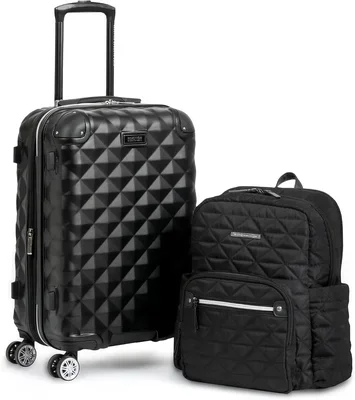
❌ Mistake: Ignoring the Expandable Depth
Why it’s bad: Many shoppers assume the listed dimensions include the expanded state, only to discover the bag exceeds airline limits when fully unzipped. This leads to unexpected checked‑bag fees or the need to repack at the gate.
What to do instead: Verify both the base and expanded measurements on the manufacturer’s spec sheet. Choose a model whose expanded size still complies with your most frequent carrier’s restrictions.
❌ Mistake: Choosing Style Over Wheel Quality
Why it’s bad: A sleek exterior can hide cheap plastic wheels that crack after a few trips. Poor wheels make the bag drag, increase strain on the handle, and ultimately shorten the luggage’s lifespan.
What to do instead: Prioritize double‑spinner wheels with sealed bearings. Read reviews that specifically mention wheel durability on cobblestones, carpet, and airport tile.
❌ Mistake: Overlooking Weight Limits
Why it’s bad: A heavy empty suitcase eats into your baggage allowance, forcing you to leave items behind or pay overweight fees. This is especially critical for international flights with lower limits.
What to do instead: Target a carry‑on under 7 pounds and a checked bag under 10 pounds. Compare the tare weight across brands before deciding.
❌ Mistake: Skipping Warranty Details
Why it’s bad: Some warranties cover only the shell, excluding zippers, wheels, and handles—the parts that fail most often. Without coverage, a broken wheel can render the entire bag unusable.
What to do instead: Look for a comprehensive limited lifetime warranty that includes all moving components. Register the product online immediately after purchase to activate coverage.
❌ Mistake: Buying Without Testing the Handle
Why it’s bad: A handle that sticks or feels flimsy becomes a daily annoyance. In the worst case, it snaps off while you’re lifting the bag into an overhead bin.
What to do instead: Extend and retract the handle several times in the store. Feel for smooth locking at each height and ensure the grip is comfortable for your hand size.
Budget Guidelines: How Much Should You Spend?
Entry‑Level ($50‑$120)
At this price you’ll find ABS or thin polycarbonate shells, basic double‑spinner wheels, and a single‑stage telescopic handle. Expandable depth is usually modest (1‑1.5 inches). These bags work fine for occasional leisure travel but may show wear after a few heavy trips. Warranty is often limited to one year.
Mid‑Range ($120‑$250)
This sweet spot delivers a polycarbonate or hybrid shell, smoother ball‑bearing wheels, multi‑stage aluminum handles, and a TSA‑approved lock. Expandable zippers typically add 2 inches. Most brands back these models with a 5‑ to 10‑year limited warranty. Frequent flyers often settle here for the best balance of durability and cost.
Premium ($250‑$500)
Premium lines use high‑grade polycarbonate, reinforced corners, and precision‑engineered spinner wheels that glide silently. Handles feature ergonomic grips and sometimes a secondary top handle. Expandable panels are reinforced to prevent bulging. Warranties extend to lifetime coverage with hassle‑free claims. Ideal for business travelers who log 30+ flights a year.
Luxury ($500+)
Luxury models add hand‑stitched leather accents, integrated smart technology (GPS, USB charging), and bespoke interior organization. Materials may include carbon‑fiber composites for ultra‑light strength. Service includes complimentary repairs and global concierge support. These are status pieces as much as functional luggage.
Expert Tips for Getting the Best Deal
- Shop Off‑Season Sales: Retailers clear inventory in January and September. Discounts of 20‑40 % are common on last‑year’s colors.
- Check Airline Size Charts First: Measure the bag’s external dimensions (including wheels and handles) against your carrier’s limits to avoid surprise fees.
- Bundle with Accessories: Many brands sell packing cubes, garment folders, or toiletry kits at a reduced package price.
- Register the Warranty Immediately: Online registration often extends coverage and speeds up claims.
- Read Return Policies Carefully: Some online sellers charge restocking fees for opened luggage. A 30‑day no‑questions‑asked return is ideal.
- Test In‑Store When Possible: Roll the bag on different surfaces, extend the handle, and operate the expansion zipper to feel the build quality firsthand.

Frequently Asked Questions
Q: What is expandable hardside spinner luggage?
A: It is a hard‑shell suitcase with four 360‑degree spinner wheels and a zippered expansion gusset that adds extra packing volume when needed.
Q: How much extra space does the expandable feature provide?
A: Most models add 1.5 to 3 inches of depth, translating to roughly 15‑25 % more interior capacity.
Q: Are spinner wheels better than inline wheels?
A: Spinner wheels allow multidirectional movement, reducing wrist strain and making navigation through tight aisles easier. Inline wheels are more durable on rough terrain but require tilting the bag.
Q: Which shell material is the most durable?
A: Polycarbonate offers the highest impact resistance while staying lightweight. ABS is less expensive but more prone to cracking. A polycarbonate/ABS blend gives a good compromise.
Q: How do I clean a hardside spinner?
A: Wipe the exterior with a damp cloth and mild soap. Avoid abrasive cleaners. For the interior, remove the liner if possible and spot‑clean with a fabric‑safe detergent.
Q: Can I use a 22‑inch expandable carry‑on on all airlines?
A: Most U.S. carriers accept 22 × 14 × 9 inches. However, some European low‑cost airlines enforce stricter limits (often 21.5 × 15.5 × 9 inches). Always verify before you fly.
Q: What warranty should I expect on a quality expandable hardside spinner luggage?
A: Look for a limited lifetime warranty covering the shell, wheels, handle, and zippers. Brands that honor claims without requiring a receipt for the original purchase are preferable.
Our Final Recommendations
Best for Budget‑Conscious Buyers
The TravelPro Maxlite 5 Expandable Spinner offers a lightweight polycarbonate shell, smooth double wheels, and a 2‑inch expansion zipper for under $130. Its 5‑year warranty covers the most common failure points, making it a smart entry‑level choice.
Best Overall Value
Samsonite Freeform Hardside Expandable Spinner balances a durable polycarbonate shell, quiet spinner wheels, and a comfortable multi‑stage handle at around $180. The 10‑year limited warranty and strong brand support make it a reliable workhorse for mixed travel.
Best Premium Option
Briggs & Riley Baseline Domestic Carry‑On Expandable Spinner features a ballistic‑nylon‑reinforced polycarbonate shell, precision‑engineered wheels, and a lifetime “no‑questions‑asked” warranty. At roughly $350 it’s an investment that pays off for frequent flyers.
Best for Beginners
Amazon Basics 21‑Inch Hardside Spinner with Expansion provides a simple, no‑frills design, decent wheel action, and a 1‑year warranty for under $80. It’s perfect for first‑time buyers who want to test the waters without a big commitment.
Best for Advanced Users
Rimowa Essential Cabin Plus integrates a polycarbonate shell with a built‑in USB‑C power bank, GPS tracking, and a 2‑inch expansion. Priced near $600, it caters to tech‑savvy travelers who demand connectivity and premium aesthetics.
Conclusion: Making the Right Choice
You now have a roadmap that starts with the most critical factors—size, shell material, wheel quality, handle ergonomics, security, weight, and warranty—then walks you through the main product categories, common pitfalls, realistic budget tiers, and insider buying tactics. By matching each factor to your personal travel pattern, you can confidently select an expandable hardside spinner luggage that will keep pace with every adventure.
Remember, the best suitcase is the one that fits your itinerary, survives the baggage handling gauntlet, and still looks good when you roll it into the hotel lobby. Happy travels!