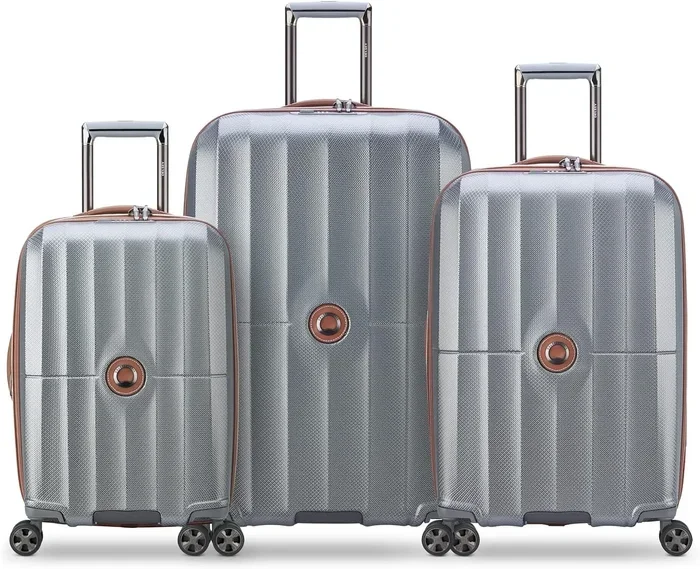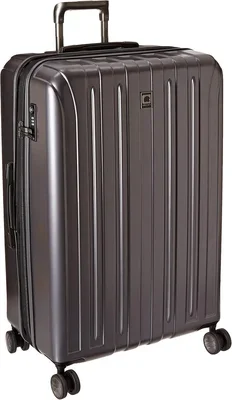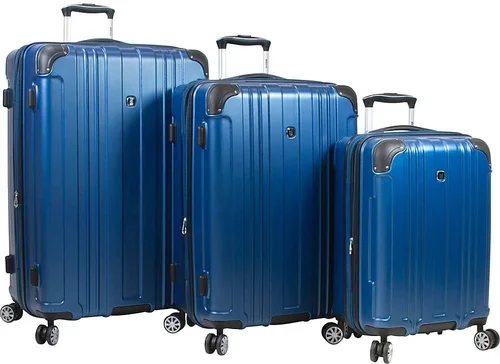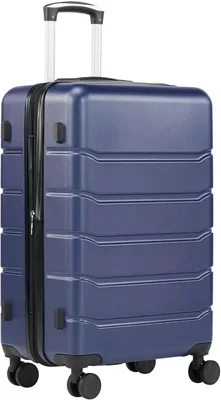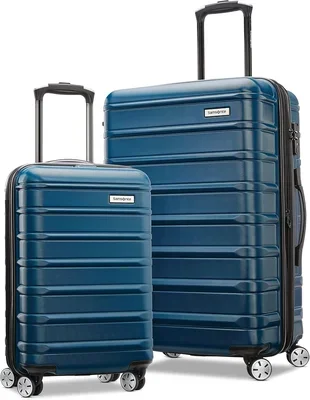
Choosing the right expandable hardside spinner luggage set can feel like navigating a maze of specifications, brand promises, and price tags. Whether you are a frequent flyer, a weekend road‑tripper, or someone who simply wants a reliable suitcase that can grow with your packing needs, the decision you make today will affect every journey you take for years to come. This guide is built to cut through the noise, giving you a clear, step‑by‑step framework so you can shop with confidence and walk away with a set that truly fits your lifestyle.
In the following sections you will learn which technical details actually matter, how to translate industry jargon into plain language, and where the real value lies across budget, mid‑range, and premium tiers. We’ll also highlight common pitfalls that trap unwary buyers, share insider timing tips for snagging the best deals, and answer the questions that pop up most often in travel forums and product reviews. By the end, you’ll have a personalized checklist that turns a potentially overwhelming purchase into a straightforward, satisfying decision.
The market for expandable hardside spinner luggage sets has exploded in the last decade, with major players like Samsonite, Travelpro, Away, and newer direct‑to‑consumer brands all vying for space in overhead bins and car trunks. Innovations in polycarbonate shells, magnetic compression straps, and ultra‑quiet Hinomoto wheels have raised the baseline for durability and maneuverability. At the same time, price points have widened, making it possible to find a solid three‑piece set for under $200 or a luxury collection that pushes $1,500. Understanding where you sit on that spectrum is the first step toward a purchase you’ll never regret.

What to Look for When Buying Buying Guide
1. Shell Material and Construction
The shell is the backbone of any hardside suitcase. Most expandable spinners use either polycarbonate, ABS, or a polycarbonate‑ABS blend. Polycarbonate is the gold standard for impact resistance; it flexes under pressure instead of cracking, which is why you’ll see it on premium lines from brands like Rimowa and Briggs & Riley. ABS is lighter and cheaper but more brittle — suitable for occasional travelers who prioritize weight over ruggedness. A blend tries to capture the best of both worlds, offering decent durability at a mid‑range price. When you inspect a set, press firmly on the corners; a quality shell will spring back without leaving a permanent dent.
2. Expandability Mechanism and Capacity Gain
Expandable luggage typically adds 15‑25 % extra volume via a zippered gusset that runs around the perimeter of the case. The quality of that zipper matters enormously — YKK or SBS zippers with self‑healing teeth resist snagging and keep the expansion secure even when the bag is stuffed to the brim. Check the expansion depth: a 2‑inch gusset on a 22‑inch carry‑on yields roughly 2‑3 extra liters, while a 3‑inch gusset on a 28‑inch checked bag can add 8‑10 liters. If you frequently travel with bulky items (winter coats, sports gear), prioritize a deeper expansion on the largest piece.
3. Wheel System: Spinner vs. Inline, Bearing Quality, and Noise
Four‑wheel spinners are the default for modern hardside sets because they allow 360° maneuverability, letting you glide the bag beside you rather than dragging it behind. However, not all spinners are created equal. High‑end models use precision‑ball‑bearing wheels (often Japanese Hinomoto or German-made) that roll silently on carpet, tile, and cobblestones. Budget wheels may use simple plastic bushings that develop a noticeable wobble after a few trips. Test the wheels in‑store by pushing the loaded bag in a figure‑eight; smooth, consistent rotation with no grinding is a good sign.
4. Handle System: Telescoping Mechanism, Grip Ergonomics, and Lock Integration
The telescoping handle should extend and retract with a single, smooth motion. Multi‑stage handles (usually three heights) accommodate users of different statures. Aluminum or reinforced fiberglass tubes resist bending better than plain steel. The grip material matters too — rubberized or contoured thermoplastic handles reduce hand fatigue on long walks. Many premium sets integrate a TSA‑approved combination lock directly into the handle housing, eliminating the need for a separate padlock and keeping the lock flush with the shell for a sleek profile.
5. Interior Organization: Dividers, Compression Straps, and Pockets
A well‑designed interior can turn a chaotic packing job into a tidy, space‑efficient system. Look for a full‑length zippered divider that separates the two halves of the case, allowing you to keep clean clothes on one side and shoes or toiletries on the other. Adjustable compression straps (often elastic with a buckle) cinch down contents, preventing shift during transit. Mesh zippered pockets on the lid are perfect for chargers, documents, or dirty laundry. Some brands add a removable wet/dry pouch — handy for swimwear or toiletries that might leak.
6. Weight and Airline Compliance
Weight directly impacts how much you can pack before hitting airline limits. A 22‑inch carry‑on that weighs 7 lb (3.2 kg) leaves you only 13 lb (5.9 kg) for contents on a typical 20 lb (9 kg) domestic allowance. Ultra‑light polycarbonate shells can bring a carry‑on down to 5.5 lb (2.5 kg) without sacrificing strength. Always verify the external dimensions (including wheels and handles) against the most restrictive carrier you fly — many budget airlines enforce a 21.5 × 13.5 × 9 in limit, which is tighter than the standard 22 × 14 × 9 in.
7. Warranty Coverage and Repair Network
A warranty is the manufacturer’s vote of confidence. Lifetime limited warranties (often covering defects in materials and workmanship) are common on premium brands, but read the fine print: some exclude wheel damage, zipper failure, or cosmetic scratches. A robust repair network — authorized service centers in major cities or a mail‑in program with prepaid shipping — can save you hundreds in replacement costs. Brands like Travelpro and Briggs & Riley offer “global repair” services that will fix a broken handle or replace a wheel even if you’re overseas.
8. Aesthetic Details: Color Fastness, Finish, and Personalization
While looks don’t affect performance, they influence how quickly you spot your bag on a carousel and how proud you feel pulling it through a hotel lobby. Matte finishes hide scratches better than high‑gloss, and UV‑resistant coatings keep colors vibrant after months of sun exposure. Some brands offer monogramming or interchangeable handle wraps for a personal touch. If you travel in a group, distinct colors or patterns reduce the chance of accidental bag swaps.
Different Types of Buying Guide

Common Buying Mistakes to Avoid
❌ Mistake: Ignoring Real‑World Dimensions
Why it’s bad: Manufacturers often list interior dimensions, but airlines measure the exterior including wheels, handles, and any protruding lock. A bag that looks compliant on paper may be rejected at the gate, forcing you to check it and pay fees.
What to do instead: Measure the fully assembled suitcase yourself (or verify the spec sheet includes “overall dimensions”). Add a 0.5‑inch buffer for manufacturing tolerances.
❌ Mistake: Choosing the Lightest Shell Without Checking Impact Rating
Why it’s bad: Ultra‑light ABS shells can crack on a single hard drop, especially at the corners. You’ll end up replacing the bag sooner than a slightly heavier polycarbonate model.
What to do instead: Prioritize a polycarbonate or polycarbonate‑ABS blend with reinforced corners. Accept a 0.5‑1 lb weight penalty for dramatically better longevity.
❌ Mistake: Overlooking Wheel Bearing Quality
Why it’s bad: Cheap plastic bushings develop flat spots and noise after a few trips, turning a smooth glide into a rattling chore.
What to do instead: Seek out “precision ball bearing” or “Hinomoto” wheels. If the product description doesn’t specify bearing type, assume it’s a basic bushing.
❌ Mistake: Buying a Set Without Testing the Expansion Zipper
Why it’s bad: A stiff or misaligned expansion zipper can jam when you need extra space most — like on the return leg when souvenirs pile up.
What to do instead: In‑store, fully expand and compress the bag three times. The zipper should glide without catching. Online, read reviews that specifically mention expansion durability.
❌ Mistake: Assuming All TSA Locks Are Equal
Why it’s bad: Some integrated locks use a three‑digit combination that can be easily forced, while others meet the higher “Travel Sentry” standard with a key override for TSA agents.
What to do instead: Verify the lock is Travel Sentry approved (look for the red diamond logo). If the set lacks an integrated lock, budget for a high‑quality aftermarket TSA lock.
❌ Mistake: Skipping Warranty Registration
Why it’s bad: Many lifetime warranties require online registration within 30 days of purchase. Missing that window voids coverage for future repairs.
What to do instead: Register the product immediately after unboxing. Keep a digital copy of the receipt and warranty certificate in your travel email folder.
❌ Mistake: Prioritizing Aesthetics Over Function for Your Travel Style
Why it’s bad: A sleek, glossy finish may look great in photos but shows every scuff from conveyor belts, and a minimal interior may lack the organization you need for business trips.
What to do instead: Match the finish and interior layout to your typical packing list. Matte, textured shells hide wear; multiple interior pockets suit tech‑heavy travelers.
Budget Guidelines: How Much Should You Spend?
Understanding price tiers helps you set realistic expectations and avoid over‑paying for features you’ll never use. Below is a breakdown of what you typically get at each level, expressed in US dollars for a standard three‑piece set (carry‑on, medium checked, large checked).
Entry‑Level ($120 – $250)
At this tier you’ll find mostly ABS or thin polycarbonate shells, basic spinner wheels with plastic bushings, and a single‑stage telescoping handle. Expansion is usually a 1.5‑inch gusset with a standard zipper. Interior organization is minimal — often just a divider and two compression straps. Warranty is typically 2‑3 years limited. These sets are perfectly adequate for a few trips per year, light packers, or as a starter set for a college student. Brands like Amazon Basics, Kenneth Cole Reaction, and some Samsonite “Lite” lines sit here.
Mid‑Range ($250 – $500)
This is the sweet spot for most travelers. You’ll see polycarbonate‑ABS blends with reinforced corners, double‑wall construction, and precision ball‑bearing wheels (often Hinomoto or equivalent). Handles are multi‑stage aluminum with ergonomic grips. Integrated TSA locks become standard. Expansion gussets deepen to 2‑3 inches, and interiors add mesh pockets, a removable wet/dry pouch, and sometimes a suiter sleeve for dresses or suits. Warranties extend to 5‑10 years or limited lifetime. Popular models include Travelpro Platinum Elite, Samsonite Winfield 3 DLX, and Away’s “The Carry‑On” plus checked companions.
Premium ($500 – $900)
Premium sets push material science further: 100 % virgin polycarbonate shells with proprietary impact‑absorbing frames, ultra‑quiet Hinomoto Lisof wheels, and handles that glide on a magnetic damping system. Expansion can reach 3.5 inches with a dual‑track zipper that stays aligned even when fully packed. Interiors feature modular packing cubes, RFID‑blocking pockets, and a dedicated laptop sleeve in the carry‑on. Lifetime warranties are truly global, with door‑to‑door repair service. Brands like Briggs & Riley Baseline, Rimowa Essential (polycarbonate line), and Tumi V4 occupy this space.
Luxury ($1,000 +)
Luxury luggage is as much a status symbol as a travel tool. Aluminum‑frame or carbon‑fiber composite shells provide near‑indestructible rigidity. Wheels are often custom‑machined with ceramic bearings for whisper‑quiet performance. Handles may be leather‑wrapped, and locks can be biometric or smartphone‑controlled. Customization options include monogramming, bespoke interior layouts, and even color‑matched leather tags. Warranty is essentially “for life” with concierge‑level service. Think Rimowa Original, Globe‑Trotter, or high‑end Tumi 19 Degree collections.
Expert Tips for Getting the Best Deal
- Shop the “shoulder seasons”: Late January (post‑holiday clearance) and September (back‑to‑school travel lull) see the deepest discounts on previous‑year models.
- Sign up for brand newsletters: Many direct‑to‑consumer brands (Away, Monos, July) offer a 10‑15 % first‑purchase code plus early access to flash sales.
- Use price‑tracking tools: Browser extensions like Honey, CamelCamelCamel, or Keepa alert you when a specific SKU drops below your target price.
- Check authorized outlet stores: Outlet locations for Samsonite, Travelpro, and Tumi often carry “factory seconds” with cosmetic blemishes only — functionally identical at 30‑50 % off.
- Leverage credit‑card travel perks: Premium cards (Chase Sapphire Reserve, Amex Platinum) provide statement credits for luggage purchases or complimentary baggage insurance that can offset cost.
- Buy as a set, not piecemeal: Bundled three‑piece sets are usually 10‑20 % cheaper than buying each size separately, and they guarantee matching aesthetics and wheel/handle feel.
- Test in‑store before ordering online: Even if you plan to buy online for a better price, visit a physical retailer to feel the handle, spin the wheels, and gauge the expansion zipper smoothness.
- Read the return policy fine print: Some retailers charge a restocking fee for opened luggage; others offer free return shipping within 30‑60 days. Choose a seller with a hassle‑free return window.

Frequently Asked Questions
Q: What does “expandable” actually mean in terms of extra packing space?
A: Expandable luggage features a zippered gusset that adds depth — typically 1.5 to 3.5 inches — around the entire perimeter of the case. On a 22‑inch carry‑on this translates to roughly 2‑3 liters (about one extra outfit), while a 28‑inch checked bag can gain 8‑10 liters (enough for a bulky winter coat or a pair of boots). The expansion is reversible; you simply unzip to enlarge and zip back down to the original profile for overhead‑bin compliance.
Q: Are hardside spinners more durable than softside bags?
A: Generally, yes. A quality polycarbonate hardside resists punctures, tears, and water ingress better than most nylon or polyester softsides. However, a hard shell can crack under extreme impact, whereas a softside may just dent. For most airline handling, a well‑made hardside with reinforced corners outperforms softside equivalents in longevity.
Q: Can I use an expandable hardside as a carry‑on on all airlines?
A: Not automatically. You must ensure the collapsed dimensions (including wheels and handles) meet the strictest carrier you fly. Many budget European carriers limit carry‑ons to 21.5 × 15.5 × 9 in. Always measure your specific model before booking.
Q: How do I clean and maintain a polycarbonate shell?
A: Wipe the exterior with a damp microfiber cloth and mild soap; avoid abrasive cleaners that can dull the finish. For scuffs, a small amount of automotive polishing compound applied with a soft cloth can restore shine. Lubricate wheel axles annually with a silicone‑based spray to keep bearings rolling silently.
Q: Is it worth paying extra for an integrated TSA lock versus buying a separate padlock?
A: Integrated locks are more convenient — they’re flush with the shell, can’t be lost, and often meet the Travel Sentry standard. A separate high‑quality TSA padlock (e.g., Master Lock 4688D) works fine but adds a protruding piece that can snag on conveyor belts. If the set you love lacks an integrated lock, budget $15‑$25 for a reputable aftermarket lock.
Q: What’s the difference between “spinner” and “inline” wheels?
A: Spinner wheels rotate 360°, letting you push the bag upright beside you. Inline (or “roller”) wheels only move forward/backward, requiring you to tilt and pull. Spinners reduce wrist strain and navigate tight aisles better, but they can be slightly more vulnerable to damage on rough terrain because the wheels protrude more.
Q: How many pieces should I buy in a set?
A: A three‑piece set (carry‑on, medium checked, large checked) covers 90 % of travel scenarios. If you rarely check bags, a two‑piece (carry‑on + medium) saves money and storage space. Solo travelers who only fly domestically may be fine with a single high‑quality carry‑on.
Q: Do expandable bags lose structural integrity when fully expanded?
A: Quality designs maintain rigidity because the expansion gusset is reinforced with a secondary frame or double‑stitched fabric. Cheap models may bulge and become wobbly when fully expanded. Test by fully expanding the bag and pressing on the sides; it should feel firm, not flimsy.
Q: Can I replace wheels or handles myself if they break?
A: Many mid‑range and premium brands sell replacement wheel kits and handle assemblies. The process usually requires a Phillips screwdriver and a few minutes. Check the manufacturer’s website for “parts & service” before buying; availability of spare parts is a strong indicator of long‑term support.
Q: What’s the best way to store luggage when not in use?
A: Store bags empty, unzipped, and upright in a cool, dry place. Avoid stacking heavy items on top, which can deform the shell over time. If you have space, keep the original dust bags or use breathable cotton covers to prevent dust buildup and protect the finish.
Our Final Recommendations
- Best for Budget‑Conscious Buyers: Amazon Basics 3‑Piece Hardside Spinner Set — polycarbonate‑ABS blend, basic spinner wheels, 2‑year warranty. Priced around $150, it delivers reliable expansion and acceptable durability for occasional trips.
- Best Overall Value: Travelpro Platinum Elite 3‑Piece Set — full polycarbonate shell, Hinomoto wheels, integrated TSA lock, 10‑year warranty. Typically $350‑$400, it balances performance, organization, and price for frequent flyers.
- Best Premium Option: Briggs & Riley Baseline Domestic 3‑Piece Set — lifetime “no‑questions‑asked” warranty, CX expansion system (up to 34 % more volume), ballistic nylon‑reinforced corners. Around $750, it’s built for road warriors who demand zero‑compromise reliability.
- Best for Beginners: Samsonite Winfield 3 DLX 3‑Piece Set — intuitive packing layout, smooth 360° wheels, 10‑year limited warranty. At $280‑$320 it’s forgiving for first‑time buyers learning what features matter most.
- Best for Advanced Users: Rimowa Essential Cabin + Check‑In L + Check‑In M — 100 % polycarbonate, multi‑stage telescopic handle, near‑silent wheels, iconic design. Priced $1,200‑$1,500, it appeals to travelers who value engineering precision and brand heritage.
Conclusion: Making the Right Choice
Selecting an expandable hardside spinner luggage set is ultimately about aligning the product’s capabilities with your personal travel rhythm. Start by defining the non‑negotiables — shell material, wheel quality, expansion depth, and warranty — then match those to a price tier that respects your budget. Remember that a slightly heavier, well‑engineered bag will outlast two cheaper replacements, saving you money and hassle in the long run.
Use the checklist we’ve built: measure your airline’s strictest size limits, test the expansion zipper, verify the lock standard, and register the warranty the moment you unbox. Leverage seasonal sales, price‑tracking tools, and outlet opportunities to stretch every dollar. And don’t underestimate the peace of mind that comes from a brand with a global repair network — when a wheel fails in a foreign airport, that support is priceless.
You now have the knowledge to walk into any store or click “Add to Cart” with a clear vision of what “good” looks like. Trust your research, prioritize the features that serve your journeys, and enjoy the confidence that comes from traveling with luggage that works as hard as you do. Safe travels, and may your next adventure be as smooth as the spin of a premium Hinomoto wheel.