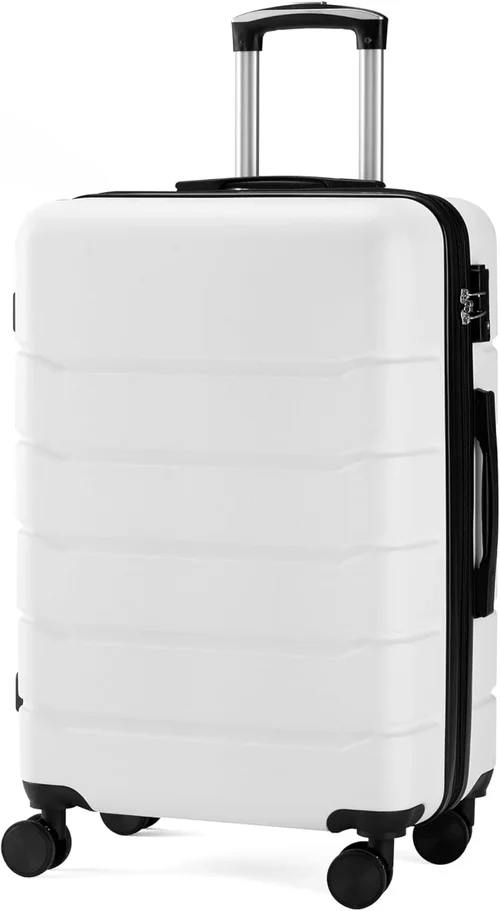
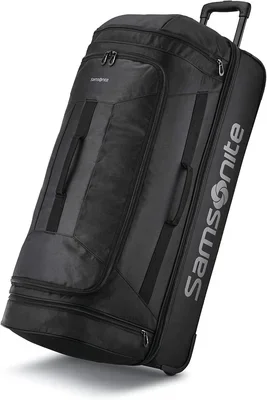
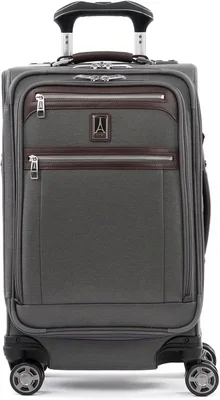
Shopping for luggage used to feel straightforward. You picked a color, checked the wheels, and hoped for the best. Today, the market is flooded with options that promise the world: lighter weights, tougher shells, smarter organization, and that magic word—expandable. If you are reading this, you are likely staring at a wall of polycarbonate and aluminum, wondering which one will actually survive baggage claim and still fit that extra pair of shoes you bought in Milan. You are not alone. The expandable hardside category has exploded because it solves the eternal traveler’s dilemma: how to pack for the trip you planned and the trip that actually happens.
This guide exists to cut through the marketing noise. We have spent years watching wheels snap off, handles jam, and shells crack under pressure. We have also seen suitcases glide through ten European cities without a scuff. We are going to walk you through every critical factor, from the molecular structure of the shell to the warranty fine print that saves you hundreds. By the end, you will know exactly what to prioritize, what to ignore, and how much you should realistically spend. Whether you are a weekend warrior or a perpetual road warrior, this is your roadmap to buying the last suitcase you’ll need for a long time.
The market has shifted dramatically toward hardside luggage for good reason. Softside bags have their place, but modern polycarbonate and polypropylene blends offer a protection-to-weight ratio that fabric simply cannot match. The “expandable” feature is the cherry on top, typically adding 15% to 25% more packing volume via a hidden zipper gusset. But not all expansion is created equal. Some bags bulge awkwardly, stressing the zipper teeth. Others maintain structural integrity perfectly. We will teach you how to spot the difference before you swipe your card.

What to Look for When Buying Expandable Hardside Luggage
1. Shell Material: The Science of Survival
This is the single most important decision you will make. The shell is the exoskeleton of your bag. It takes the hits, the stacks, the rain, and the rough love of conveyor belts. You will see three main contenders: Polycarbonate (PC), Polypropylene (PP), and ABS. There are also hybrids and aluminum, but those are niche.
Polycarbonate is the gold standard for a reason. It is a thermoplastic polymer known for high impact resistance and flexibility. Think of it like a car bumper: it absorbs energy by flexing slightly and snapping back to shape. It is lighter than ABS and significantly more durable. If you see “Makrolon” or “Bayer” polycarbonate, that is a premium grade indicator. Polypropylene is the newer challenger. It is lighter than polycarbonate and extremely flexible—almost rubbery. It handles cold temperatures beautifully (less brittle cracking in winter cargo holds) and is often cheaper to manufacture. The trade-off? It can feel “plasticky” and may scuff more visibly. ABS (Acrylonitrile Butadiene Styrene) is the budget option. It is rigid and heavy. It cracks under sharp impact rather than flexing. You will find it in sub-$100 bags. Avoid it for checked luggage; it is acceptable only for carry-ons that stay with you.
2. Wheel Engineering: The Silent Workhorses
Wheels are the heartbreak point of luggage. A cracked shell is ugly; a broken wheel renders the bag useless. You need spinner wheels (four wheels, 360-degree rotation). Two-wheel “roller” bags are obsolete for modern travel; they strain your wrist and tip over constantly.
Look for Hinamoto (Japanese) or TPE (Thermoplastic Elastomer) wheels. Hinamoto is the industry benchmark—silent, smooth, sealed bearings. TPE is a high-grade rubber-plastic blend that absorbs vibration on cobblestones and cracked sidewalks. Avoid hard plastic “skate” wheels with no rubber coating; they are loud, vibrate your teeth loose, and shatter on curbs. Check the wheel housing. Is it recessed into the shell? Recessed wheels are protected from snapping off if the bag is dropped on its side. Surface-mounted wheels stick out and act as levers for destruction. Finally, test the wheel axle. It should be a metal rod through the center, not a plastic screw molded into the housing.
3. The Expansion Mechanism: Zipper Gussets vs. Frame Expansion
This is the namesake feature. Almost all expandable hardsides use a zipper gusset. A panel of fabric (usually ballistic nylon or polyester) folds inside the main lid. When you unzip the expansion zipper, that panel unfolds, creating depth. The quality of this zipper is paramount. It takes immense tension when the bag is stuffed. You need a YKK RCW (Reverse Coil) or similar high-tensile chain zipper with large, easy-to-grip pulls. Cheap zippers separate under pressure—the “exploding suitcase” scenario.
Rarely, you will see frame expansion (like some high-end Briggs & Riley or Tumi models). The actual aluminum or polycarbonate frame expands outward on rails. This maintains perfect box shape and protects the zipper from stress. It is superior engineering but adds weight and cost. For 95% of travelers, a high-quality zipper gusset with a zipper lockable pullers (so you can secure the expansion zipper with a TSA lock) is the sweet spot. Ensure the expansion zipper has a fabric guard/flap behind it. This prevents the zipper teeth from catching on your clothes and adds water resistance.
4. Handle System: Telescoping Tubes and Grip Ergonomics
The handle is your interface with the bag. A wobbly handle makes a 20lb bag feel like 40lbs. You want a multi-stage telescoping handle (usually 3 or 4 stops) made of aluminum alloy (aircraft grade 6063 or 7075). Steel is too heavy; plastic snaps. The tubes should have a anodized finish for corrosion resistance and smooth glide.
Crucially, check the handle mounting points inside the bag. They should be riveted or bolted through a reinforced plastic or metal bracket, not just screwed into the thin shell. Grab the handle at full extension and wiggle it side-to-side. Some play is normal (manufacturing tolerance), but excessive wobble means the brackets will fatigue and crack the shell interior. The grip material matters for comfort. Rubberized or gel grips reduce vibration transfer. Top carry handles and side carry handles should be riveted, not stitched, and padded. You will carry this bag up stairs, into overhead bins, and into car trunks. Weak handles fail first.
5. Interior Organization: Compression, Dividers, and Pockets
A hardside shell is a rigid box. Without smart interior design, your clothes become a wrinkled ball. The baseline is a 50/50 split opening (clamshell). Both halves should have compression straps (ideally X-strap or double strap) with metal buckles. Plastic buckles snap in cold cargo holds. Look for a zippered divider panel in one half (usually the lid side). This keeps dirty laundry or shoes separate and holds flat items (suits, dresses) flat. Mesh zippered pockets on the divider are essential for toiletries, cables, and underwear.
Premium bags add suiter systems (fold-out garment folders), removable wet/dry pockets, shoe bags, and laundry bags. Some have built-in TSA lock integration where the lock secures both main zippers and the expansion zipzer simultaneously. The lining fabric should be high-denier polyester or nylon (150D-300D) with bound seams. Cheap lining tears, spilling threads into the wheel mechanism. Color matters: Light gray or tan lining shows dirt less than black and makes finding small items easier in dim hotel rooms.
6. Lock Security: Integrated TSA Locks vs. Aftermarket
Every checked bag needs a lock. TSA agents have master keys to open approved locks without cutting them. Integrated TSA locks (built into the shell) are vastly superior to padlocks. They cannot be lost, they secure the zipper pulls directly to the frame, and they often feature a 3-dial combination (easier than key management). Look for Travel Sentry Approved certification (red diamond logo).
Check the lock housing. Is it flush-mounted? Protruding locks get snapped off. Does the lock mechanism feel crisp? Mushy dials indicate cheap internals that jam. Some premium brands (Rimowa, Briggs & Riley, Tumi) use proprietary lock systems that are very secure but require brand-specific service if broken. Standard Travel Sentry locks can be replaced by any luggage repair shop for $20. If you buy a bag without an integrated lock, buy a heavy-duty cable lock (not a shackle padlock) to thread through multiple zipper pulls.
7. Size, Weight, and Airline Compliance
This is where dreams meet reality. Carry-on: The universal domestic US limit is 22″ x 14″ x 9″ (including wheels and handles). International carriers (especially European and Asian budget airlines) are often stricter: 21.5″ x 15.5″ x 9″ or even 17.7″ x 13.4″ x 9.8″ (45x34x25cm) and weight limits as low as 7kg (15.4 lbs). Check your most flown airline’s specific dimensions before buying. A “carry-on” label on the tag is marketing, not law.
Checked Medium (24″-26″): The sweet spot for 1-2 week trips. Expands to ~29″-30″ linear inches. Weight empty should be 7-9 lbs (PC) or 6-8 lbs (PP). Checked Large (28″-32″): For family packing or gear-heavy trips. Empty weight 9-12 lbs. Be warned: many airlines charge overweight fees at 50 lbs (23kg). A 12lb empty bag leaves only 38lbs for your stuff. Weight is the enemy. Prioritize the lightest bag that meets your durability needs. Polypropylene wins on weight; Polycarbonate wins on durability. You cannot have the absolute lightest AND the absolute toughest. Decide your priority.
8. Warranty and Brand Support: The Safety Net
A warranty tells you how much the manufacturer believes in their product. Limited Lifetime Warranty is the standard for quality brands (Travelpro, Briggs & Riley, Osprey, Eagle Creek, Samsonite premium lines). Read the fine print. “Lifetime” usually means “lifetime of the product,” not your life. It covers manufacturing defects—broken zippers, handle failure, wheel detachment, shell cracking under normal use. It does not cover airline damage (crushed corners, ripped wheels), cosmetic wear, or loss.
Briggs & Riley and Osprey are famous for “No Questions Asked” / “Any Reason” warranties that do cover airline damage. That is a massive value add. Samsonite, Travelpro, Delsey, Ricardo Beverly Hills offer strong limited lifetime warranties with global repair networks. Away, Monos, July, Level8 (direct-to-consumer brands) offer limited lifetime warranties but often require you to ship the bag to a central hub for repair (weeks without your bag). Budget brands (Amazon Basics, Rockland, Merax) offer 1-3 year limited warranties. Factor in the hassle of warranty claims. A bag with a local authorized repair center (common for Travelpro, Samsonite) gets you back on the road in days.
Different Types of Expandable Hardside Luggage

Common Buying Mistakes to Avoid
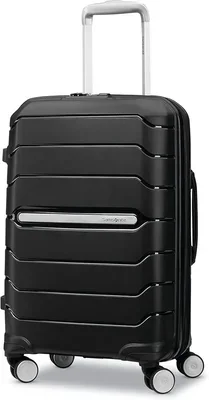
❌ Mistake: Buying Based on Brand Name Alone
Why it’s bad: Legacy brands (Samsonite, American Tourister, Delsey) make excellent $400 bags and terrible $80 bags. The cheap lines use different factories, materials, and QC standards than the flagship lines. A $100 Samsonite is often worse than a $150 Travelpro or Level8 because you are paying for the logo, not the polycarbonate.
What to do instead: Ignore the logo. Read the spec sheet. Look for “100% Polycarbonate,” “Hinamoto wheels,” “YKK zippers,” “Aluminum handle,” “Lifetime Warranty.” Compare specs at your price point across 3-4 brands. The best bag for you might be a brand you’ve never heard of.
❌ Mistake: Ignoring the “Expanded” Dimensions
Why it’s bad: You buy a 26″ checked bag that expands to 30″. You pack it full. At the airport, it measures 31″ linear inches (L+W+H). The airline charges you $100+ oversize fee. Or, the expanded bag no longer fits the baggage sizer at the gate for a regional jet connection.
What to do instead: Know your airline’s linear inch limit (usually 62″ for checked, 45″ for carry-on). Measure the bag yourself when expanded. If you fly basic economy or budget carriers (Spirit, Frontier, Ryanair, EasyJet), buy a bag that fits unevenly expanded or don’t use the expansion zipper. Leave the expansion for the return trip when you have souvenirs.
❌ Mistake: Choosing the Lightest Bag Possible
Why it’s bad: Ultra-light bags (under 6 lbs for a 25″ checked) achieve weight savings by thinning the shell, using plastic wheel housings, minimal handle reinforcement, and thin zippers. They dent if you look at them wrong. A 7.5 lb bag with a thick shell and metal corners will outlast three 6 lb bags.
What to do instead: Target the “sweet spot” weight. For a 25″ checked Polycarbonate: 7.5 – 8.5 lbs. For Polypropylene: 6.5 – 7.5 lbs. For Carry-on PC: 6.0 – 7.0 lbs. For Carry-on PP: 5.0 – 6.0 lbs. If a bag is significantly lighter than these benchmarks, something structural was removed.
❌ Mistake: Overlooking the Interior Lining and Seams
Why it’s bad: You focus on the shell. Six months later, the cheap polyester lining tears at the corner. Loose threads wrap around the wheel axles, freezing the wheels. The lining detaches from the shell, bunching up and making packing impossible. You now have a structural shell with a broken interior.
What to do instead: Unzip the lining (most have a zippered access panel at the bottom or behind a pocket). Check the seam binding. Is it serged/overlocked or just cut and folded? Pull on the lining attachment points. Are they glued (bad) or sewn/riveted through a plastic retention strip (good)? A durable lining protects the shell interior from your gear and keeps the mechanism clean.
❌ Mistake: Assuming “TSA Lock” Means Secure
Why it’s bad: TSA locks are designed to be opened by TSA agents with a master key. They are low-security deterrents against casual theft, not high-security devices. The shackle on integrated locks is often thin zinc alloy. A determined thief with bolt cutters or a pen (to bypass the zipper) defeats them in seconds.
What to do instead: Use the integrated lock for checked bags (it keeps the zippers together). For high-value items (electronics, jewelry, meds), use a cable lock through the zipper pulls and the handle tube, or pack them in a small lockable pouch inside the bag. Never check irreplaceable items. The lock is for honesty and zippers staying closed, not Fort Knox security.
❌ Mistake: Not Testing the Wheel Roll Before Buying
Why it’s bad: Online photos don’t show bearing quality. You get the bag home, load 30lbs, and it drags, pulls left, or chatters on tile. You hate it immediately. Return shipping on a large box is a hassle.
What to do instead: If buying in-store: Load it with a display weight (or your backpack). Push it one-handed. Does it track straight? Spin it 360°. Does it pivot effortlessly? Tip it on two wheels. Does it roll smoothly? If buying online: Read reviews specifically mentioning “wheel noise,” “tracking,” “cobblestones,” “gravel.” Look for video reviews showing the roll test. Hinamoto or TPE wheels are your insurance policy here.
❌ Mistake: Forgetting About the Return Trip
Why it’s bad: You pack the bag perfectly for the outbound journey. On the return, you have dirty laundry, souvenirs, gifts, and maybe a bottle of wine. The bag won’t close. The expansion zipper bursts. You are forced to buy a cheap duffel at the airport gift shop for $60.
What to do instead: Pack a packable duffel or tote (weighs 4oz) inside your hardside. Or, deliberately leave 20% volume empty on the way out. If you are a souvenir buyer, size up one tier (buy the Medium checked instead of Carry-on, or Large instead of Medium). The expansion zipper is for the return, not the outbound.
Budget Guidelines: How Much Should You Spend?
Entry-Level ($80 – $150): The “Get Me There” Tier
At this price, you are buying a Polycarbonate/ABS blend or pure ABS shell. Expect: Spinner wheels (likely plastic hub, no rubber), aluminum handle (thin wall), basic YKK or generic zippers, 1-3 year warranty. The expansion gusset will be thin polyester. The lining will be thin. Who this is for: Travelers flying 1-2 times a year, mostly carry-on, careful handlers. Reality check: Checked bags in this tier will show cosmetic damage (scuffs, dents) after 2-3 trips. Wheels are the first failure point. If a wheel breaks, the bag is usually totaled because repair cost exceeds bag value. Brands: Amazon Basics, Rockland, Merax, Kenneth Cole Reaction, SwissGear (lower end).
Mid-Range ($150 – $300): The Sweet Spot for 80% of Travelers
This is where you get 100% Polycarbonate or high-grade Polypropylene. Expect: Hinamoto or quality TPE wheels, thick aluminum handle tubes, robust YKK RCW expansion zippers, full zippered divider, compression straps with metal buckles, integrated TSA lock, Limited Lifetime Warranty. Weight is optimized. Shell has texture/finish to hide scratches. Who this is for: Monthly flyers, family checked bags, international carry-on compliance seekers. Stars of this tier: Samsonite Freeform / Centric 2 / Omni PC, Travelpro Maxlite 5 / Platinum Elite, Delsey Paris Chatelet Hard+ / Helium Aero, Level8 Grace / Gibraltar, July Carry On / Checked, Monos Carry-On / Check-In, Away The Bigger Carry-On / The Medium. These bags last 5-10+ years with care.
Premium ($300 – $550): The “Buy Once, Cry Once” Tier
You pay for refinement. Shell: Virgin Makrolon Polycarbonate or proprietary blends (e.g., Samsonite Curv, Tumi SRPP). Wheels: Top-tier Hinamoto Lisof Silent Run or custom sealed bearings. Handles: Multi-stage, ergonomic grips, reinforced brackets. Interiors: Suiter systems, removable organizer panels, leather/faux leather accents, premium lining. Warranty: Global repair network, often covers airline damage (Briggs & Riley, Tumi). Who this is for: Weekly business travelers, luxury leisure, buyers wanting resale value. Key models: Briggs & Riley Baseline / Sympatico, Tumi 19 Degree / International Expandable, Samsonite Proxis / S’Cure ECO, Rimowa Essential (Polycarbonate), Victorinox Spectra 2.0 / Airox.
Luxury ($550+): The Heirloom Tier
Aluminum (Rimowa Original, Away Aluminum, Tumi Alpha) or Carbon Fiber / Exotic composites. These are status objects that happen to hold clothes. Aluminum dents but doesn’t crack; it tells a story. Riveted construction. Leather handles. Custom fit interiors. Lifetime serviceability (Rimowa replaces dents, rebuilds wheels). Who this is for: Buyers for whom luggage is a hobby/lifestyle, extreme durability needs (expedition, gear transport), gift giving. Practical note: Aluminum is heavy (9-12 lbs carry-on). You sacrifice payload weight for shell toughness. Carbon fiber is light but brittle on sharp impacts. These are emotional purchases, not value purchases.
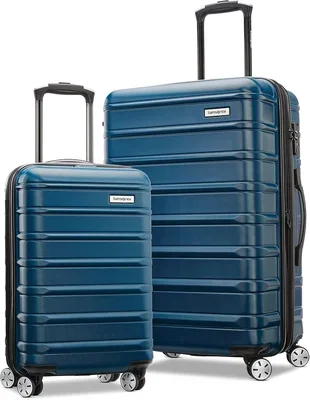
Expert Tips for Getting the Best Deal

Frequently Asked Questions
Q: Is polycarbonate or polypropylene better for hardside luggage?
A: Neither is universally “better”; they serve different priorities. Polycarbonate (PC) is tougher against cracking and punctures. It has “memory”—it flexes and returns to shape. It handles heavy stacking in cargo holds better. It is slightly heavier. Polypropylene (PP) is lighter (often 15-20% lighter) and more flexible/elastic. It is virtually immune to cold-temperature brittleness. It scuffs more easily but the scuffs are often superficial. Choose PC for checked bags, rough handling, maximum durability. Choose PP for carry-ons where weight is critical, winter travel, or if you prefer the lightest possible bag.
Q: Does expanding the luggage weaken the structure?
A: It stresses the expansion zipper and the fabric gusset, not the hard shell itself. A high-quality expansion zipper (YKK RCW #10 or #8) with a fabric guard is designed for this tension. The shell panels remain rigid. However, an overpacked expanded bag puts massive pressure on the main compartment zippers and the frame. If you expand, do not compress the bag further with straps until the expansion zipper is closed. Use the compression straps inside to compact contents, then close the expansion zipper. This distributes load correctly.
Q: Can I use expandable hardside luggage as a carry-on on international flights?
A: Yes, but with extreme caution. Many international carriers (especially in Europe/Asia) have strict size and weight limits (e.g., 7kg / 15.4 lbs total). A 6.5 lb expandable carry-on leaves only 0.5 kg for your belongings. Furthermore, the expanded dimensions often exceed the sizer at the gate. Strategy: Buy a carry-on that fits the strictest airline you fly (measure unextended). Never use the expansion zipper on the outbound. Only expand on the return if you are checking the bag or flying a generous carrier. Weigh your packed bag at home.
Q: How do I clean a hardside luggage shell?
A: For polycarbonate/polypropylene: Mix mild dish soap with warm water. Use a soft microfiber cloth or sponge. Wipe the shell. Avoid abrasive pads, magic erasers (they dull the texture/finish), alcohol, acetone, or harsh chemicals—they can damage the clear coat or printed graphics. For scuffs from other bags: A small amount of WD-40 or Goo Gone on a cloth, rubbed gently, often removes transfer marks. Wipe clean with soapy water after. Dry thoroughly. For aluminum: Use a dedicated aluminum polish (e.g., Flitz, Mothers) to restore shine or embrace the patina.
Q: What does “Linear Inches” mean and how do I calculate it?
A: Linear Inches = Length + Width + Height (including wheels, handles, and any protrusions). Airlines use this single number for checked bag limits (usually 62 linear inches). Example: A bag measuring 28″ H x 19″ W x 11″ D = 58 linear inches. Expanded: 30″ H x 19″ W x 13″ D = 62 linear inches (at the limit). Always measure your packed bag at its widest points. Don’t trust the manufacturer’s specs; they often measure the shell only.
Q: Are spinner wheels (4 wheels) really better than 2 wheels?
A: Yes, for 99% of travelers. Spinners allow upright pushing (zero wrist strain), 360° maneuvering in tight aisles, and stability on smooth surfaces. Two-wheelers are only better on very rough terrain (cobblestones, gravel, dirt paths, snow) because the large fixed wheels bridge gaps. If your travel is 90% airports/hotels/sidewalks, spinners win. If you are trekking to a yurt in Mongolia, get a two-wheeled duffel/backpack hybrid instead.
Q: How important is the “Double Racquet” or “Y-shaped” handle vs. a single tube?
A: Single tube handles (one central pole) are lighter but transmit all vibration to your hand and can torque/twist. Double tube (two parallel poles) or “Y-shaped” (split at top) handles offer vastly superior stability, less wobble, and better weight distribution. They are standard on mid-range and premium bags. If you have wrist/shoulder issues, prioritize double tube. The grip ergonomics (rubber, gel, contour) matter more than the tube shape for comfort.
Q: Can hardside luggage be repaired if the shell cracks?
A: Polycarbonate/Polypropylene: Generally, no. A structural crack compromises the shell integrity. DIY fixes (epoxy, plastic welding, rivets) are cosmetic and fail under flex. Some brands (Briggs & Riley, Tumi, Rimowa) will replace the entire shell half under warranty (even for airline damage on B&R). Aluminum: Dents can be popped out by specialists (Rimowa service centers do this). Cracks in aluminum can be welded. Components (wheels, handles, zippers, locks): Almost always replaceable on quality bags. This is why warranty and repair networks matter.
Q: Should I buy a matching luggage set or mix and match sizes?
A: Matching sets look nice and nest perfectly for storage. However, your needs might be: a Premium Carry-on (for electronics/valuables) + a Mid-Range Large Checked (for clothes/gear). Mixing allows you to optimize spend per use-case. The carry-on takes the most abuse (overhead bins, security bins, daily use) — invest there. The checked bag sits in the dark — durability matters more than features. Mixing brands is fine; just ensure the carry-on fits inside the checked bag for storage if that matters to you.
Q: What is the difference between a “Clamshell” opening and a “Front-Opening” hardside?
A: Clamshell (50/50 or 60/40 split): The classic design. Opens like a book. Requires space to open fully (depth of both halves). Best for packing cubes, flat layout, hotel dressers. Front-Opening (Panel loading): Opens like a refrigerator door (one large panel). You can access contents in tight spaces (train rack, car trunk, crowded hostel). Often has a clamshell inside the panel for organization. Heavier mechanism, potential water ingress at the large zipper. Choose Clamshell for hotel/house stays. Choose Front-Open for road trips, adventure travel, tight quarters.
Our Final Recommendations
Best for Budget-Conscious Buyers: Samsonite Freeform (or Centric 2) — Often on sale near $150 for a carry-on. 100% Polypropylene shell (light, tough), Hinamoto wheels, TSA lock, 10-year warranty. It punches 2 weight classes above its price. The expansion is generous. The only compromise: thin handle tubes and basic interior. For $100 less than premium, it’s 90% of the performance.
Best Overall Value: Travelpro Platinum Elite / Maxlite 5 (Hardside) — Travelpro is the choice of airline crews for a reason. The Platinum Elite (mid $200s) has MagnaTrac spinner wheels (self-aligning), PowerScope handle (contour grip, 4 stops), precision glide system, and a lifetime warranty that covers airline damage for the first year. The Maxlite 5 hardside (~$180) is lighter (PP shell) with the same great handle/wheels. You are paying for engineering that survives daily abuse.
Best Premium Option: Briggs & Riley Sympatico / Baseline Domestic Carry-On Expandable — This is the “buy it for life” pick. The CX expansion system (fabric panel with structural rails) expands 22% without stressing zippers. The shell is Makrolon PC + Fiberglass composite — virtually crack-proof. The warranty is unmatched: “Simple as that.” They repair airline damage, free, forever. It costs $450+. You will never buy another carry-on.
Best for Beginners: July Carry On / Monos Carry-On / Away The Bigger Carry-On — Direct-to-consumer brands that nail the unboxing experience and aesthetics. They use quality Japanese wheels (Hinamoto), polycarbonate shells, TSA locks, and thoughtful interiors (laundry bag, compression pad). Lifetime warranties (limited). Great customer service. Perfect if you want a beautiful, functional bag delivered to your door with easy returns. Slightly less rugged than Travelpro/B&R for heavy checked use.
Best for Advanced Users / Heavy Checked: Samsonite Proxis / S’Cure ECO or Rimowa Essential Check-In L — If you check a bag weekly, you need the Proxis (woven thermoplastic composite – Curv material). It is lighter than PP, stronger than PC, and has a unique “flex” that absorbs massive impacts. The wheels are recessed and bulletproof. Rimowa Essential (Polycarbonate) offers the iconic grooves, multi-wheel system, and partial aluminum frame for rigidity. Both are $400-$600+. They are tools for professionals.
Conclusion: Making the Right Choice
You started this guide facing a confusing wall of specifications. Now you have a framework. You know that the shell material dictates the lifespan, the wheels dictate the daily joy, the expansion zipper dictates the return trip success, and the warranty dictates the peace of mind. You know that a $150 Polypropylene carry-on might serve you better than a $400 Polycarbonate one if you fight 7kg weight limits. You know that the “Best” luggage is the one that matches your travel rhythm—your airlines, your packing style, your body, your budget.
Don’t overthink the brand prestige. Overthink the spec sheet. Hold the handle. Spin the wheels. Check the zipper teeth. Read the warranty exclusions. Measure your airline’s sizer. The perfect expandable hardside luggage is out there, waiting to swallow your clothes, survive the conveyor belt, expand for your souvenirs, and roll silently beside you for a decade. Buy the one that fits your reality, not the influencer’s aesthetic. Pack it full. Zip it up. Go see the world. Your perfect travel partner is ready.
Safe travels, and may your wheels always spin true.