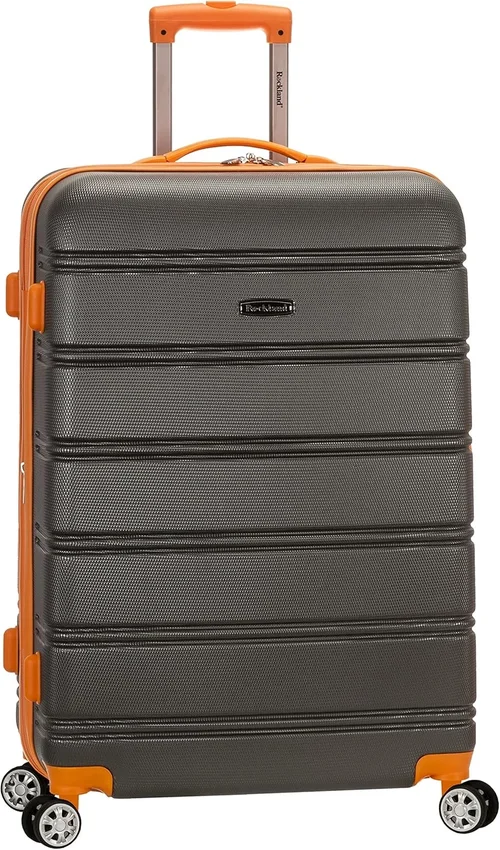
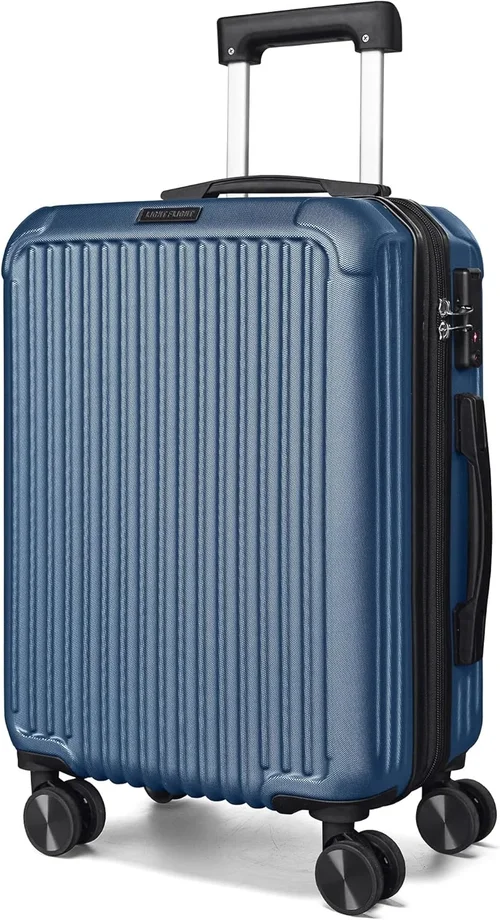
Finding the perfect underseat carry-on can feel like searching for a needle in a haystack. Airlines keep shrinking their personal item dimensions, yet we still need to pack enough for a weekend getaway or a business trip. That is where a convertible, expandable underseat bag shines. It gives you the flexibility to stay within strict size limits when you need to, and the extra capacity when you don’t. This guide walks you through everything you need to know to pick the right one. We will cover the critical features, the different styles on the market, common pitfalls, and how to match a bag to your travel style and budget.
Over the years I have tested dozens of underseat bags on everything from puddle-jumper regional jets to long-haul international flights. I have seen zippers fail, wheels wobble, and expansion gussets burst at the seams. I have also found gems that lasted a decade. My goal is to share that hard-won knowledge so you can buy with confidence. Whether you are a minimalist packer or someone who likes options, there is a convertible bag out there that fits your life.
The market is flooded with options ranging from budget-friendly soft-siders to premium ballistic nylon workhorses. Prices span from under fifty dollars to well over three hundred. Understanding what drives that price difference is the first step to making a smart purchase. Let’s dive into the factors that matter most.

What to Look for When Buying Buying Guide
1. Dimensions and Airline Compliance
The single most important factor is size. Every airline publishes maximum dimensions for personal items that must fit under the seat in front of you. These dimensions vary. A common maximum is around 18 x 14 x 8 inches, but budget carriers like Spirit or Frontier can be as tight as 17 x 13 x 7 inches. If your bag exceeds the limit by even an inch, you risk a gate-check fee that often costs more than the bag itself.
Look for a bag that lists its external dimensions clearly. Remember that wheels and handles add to the overall footprint. A bag advertised as 17.5 inches tall might actually measure 18.5 inches with wheels. When in doubt, choose a bag that is slightly smaller than the strictest limit you expect to encounter. That gives you a buffer for the inevitable bulge when you pack it full.
2. Expandability and Convertible Design
The “convertible expandable” label is what sets these bags apart. Expandability usually means a zippered gusset that adds one to three inches of depth. That can translate to 20-30% more packing volume. Convertible features might include a sleeve that slides over a rolling suitcase handle, backpack straps that stow away, or a briefcase-style top handle that lets you carry it professionally.
Think about how you travel. If you mostly fly and need to squeeze under a seat, you will rarely use the expansion. But if you take the train or drive to a meeting after landing, that extra space lets you bring shoes, a change of clothes, or a bulky sweater. A true convertible bag transitions smoothly: it looks like a sleek briefcase in the boardroom, wears comfortably as a backpack through a terminal, and slides over your roller bag handle for the walk to baggage claim.
3. Material Durability and Weather Resistance
Underseat bags take a beating. They get shoved under seats, scraped against metal seat frames, dragged down jet bridges, and left on wet tarmacs. The fabric determines how long the bag lasts. Common materials include polyester (lightweight, affordable), nylon (stronger, more abrasion-resistant), and ballistic nylon (the gold standard for tear resistance). Denier (D) rating indicates fiber thickness; higher numbers like 1680D or 1680D ballistic are tougher than 600D.
Water resistance matters too. A DWR (durable water repellent) coating causes rain to bead up and roll off. Some premium bags use TPU-coated fabrics or even sailcloth laminates that are essentially waterproof. If you travel to rainy climates or simply want peace of mind, prioritize a high hydrostatic head rating or a included rain cover.
4. Wheel Quality and Configuration
Two wheels versus four wheels (spinner) is a classic debate. For underseat bags, two inline skate wheels are often superior. They are recessed into the bag body, preserving interior space and protecting the wheels from damage. They roll smoothly over cracks and carpet but only go forward and back. Four spinner wheels offer 360-degree maneuverability but protrude, eating into your packing volume and making the bag wider. They are also more prone to breakage.
Look for wheels with sealed ball bearings and polyurethane tread (not hard plastic). Test the wheel housing: it should be reinforced with rivets or a metal bracket, not just screwed into thin fabric. A quality two-wheel bag will glide behind you silently; a cheap one will wobble and screech.
5. Handle System Ergonomics
The telescoping handle is your primary touchpoint. It should lock securely at multiple heights to accommodate your stride. A single-tube handle is lighter but can flex; a dual-tube handle is sturdier and resists twisting. Grip material matters: rubberized or foam grips reduce hand fatigue on long walks. Check that the handle retracts fully into a zippered compartment so it doesn’t snag on clothing or seat fabric.
Secondary handles are equally important. A top grab handle should be padded and centered for balanced lifting. A side handle helps you hoist the bag into a tight underseat space. If the bag converts to a backpack, the shoulder straps must be well-padded, contoured, and adjustable. They should stow completely flat behind a zippered panel so they don’t dangle or get caught.
6. Interior Organization and Laptop Protection
A cavernous main compartment is useless if everything shifts into a jumble. Look for a dedicated padded laptop sleeve that fits your device (usually 15.6 inches max for underseat bags). The sleeve should be suspended off the bottom so a drop doesn’t transfer shock directly to your computer. A tablet pocket, document divider, and a few mesh zip pockets for cables keep tech organized.
External pockets are handy for items you need quickly: passport, boarding pass, phone, water bottle. A quick-access front pocket with RFID-blocking lining adds security for credit cards and passports. Side pockets should be elasticized or have a zipper to keep a water bottle or umbrella secure. Inside, compression straps or a floating divider help compress clothing and prevent wrinkles.
7. Weight and Packability
Every ounce counts when you are trying to stay under a weight limit or simply want to save your shoulder. A bare-bones underseat bag can weigh as little as 3 pounds. A feature-packed ballistic nylon model might weigh 6 or 7 pounds. That weight comes out of your packing allowance. If you fly basic economy with a strict 15-pound personal item limit, a heavy bag leaves you very little room for belongings.
Also consider how the bag stores when not in use. Some convertible bags fold flat or collapse into a small pouch. That is handy if you have limited closet space or want to pack the bag inside a larger checked suitcase for the return trip.
8. Warranty and Brand Support
A warranty tells you how much the manufacturer stands behind their product. Limited lifetime warranties are common on premium brands and cover defects in materials and workmanship. Some brands offer a “no questions asked” repair or replacement for the first few years. Read the fine print: many warranties exclude airline damage, normal wear, or zippers. Good customer service means you can get a replacement wheel or handle shipped quickly if something breaks on the road.
Different Types of Buying Guide

Common Buying Mistakes to Avoid
❌ Mistake: Ignoring the “Personal Item” Size Limit
Why it’s bad: Airlines are increasingly strict. A bag that fits in the overhead bin might be too tall for under the seat. If you are forced to gate-check, you face fees of $60-$100 and the risk of damage or loss.
What to do instead: Measure the underseat space of the aircraft you fly most (SeatGuru is a great resource). Choose a bag at least half an inch smaller in every dimension.
❌ Mistake: Choosing Four Wheels for Maximum Packing Space
Why it’s bad: Spinner wheels protrude from the bag corners. That adds 1-2 inches to the width and depth, often pushing the bag over the limit. The wheel housings also intrude into the main compartment, reducing usable volume.
What to do instead: Opt for inline skate wheels recessed into the chassis. You gain more packing space and better durability on rough surfaces.
❌ Mistake: Overlooking Laptop Sleeve Suspension
Why it’s bad: A sleeve sewn directly to the bottom panel transfers impact straight to your laptop when you set the bag down. A cracked screen or damaged SSD is an expensive lesson.
What to do instead: Verify the laptop compartment is suspended (floating) with a false bottom. Your device should never touch the floor when the bag sits upright.
❌ Mistake: Buying Based on Price Alone
Why it’s bad: A $50 bag might last two trips. A $200 bag can last ten years. The cost per trip favors quality. Cheap zippers, thin fabric, and weak handles fail at the worst moment.
What to do instead: Set a budget but look for value: durable materials, strong warranty, and features you actually need. Wait for a sale on a reputable brand rather than buying a cheap unknown.
❌ Mistake: Neglecting the “Personal Item” Weight Limit
Why it’s bad: Some airlines (especially international and budget carriers) weigh your personal item at check-in. A 7-pound bag leaves you only 8 pounds for gear on a 15-pound limit.
What to do instead: Target a bag under 4.5 pounds if you fly weight-restricted carriers. Ultralight materials like high-tenacity nylon can be both light and strong.
❌ Mistake: Assuming All Expansion Is Equal
Why it’s bad: Some bags expand by simply unzipping a panel that adds a flimsy mesh pocket. Others add a structured gusset with its own compression straps. The former just creates a bulge that won’t fit under the seat; the latter gives you usable, organized space.
What to do instead: Open the expansion zipper in the store (or watch a video). Look for a full-perimeter gusset with internal compression straps.
❌ Mistake: Forgetting About the Return Trip
Why it’s bad: You pack light going out but acquire souvenirs, documents, or dirty laundry coming back. A non-expandable bag forces you to buy a cheap tote at the airport.
What to do instead: Always buy expandable. Even if you never use the extra space outbound, it is insurance for the return.
Budget Guidelines: How Much Should You Spend?
Entry-Level ($40 – $90): Basic Functionality
At this price you get polyester construction, two inline wheels, a single-tube handle, and a basic expansion zipper. Laptop padding is minimal. The bag will work for a few trips a year but expect zipper pulls to break, fabric to snag, and wheels to develop a wobble within 12-18 months. Brands like Amazon Basics, Kenneth Cole Reaction, and Rockland dominate here. Good for: occasional leisure travelers, students, or as a backup bag.
Mid-Range ($90 – $180): The Sweet Spot
This tier introduces ballistic nylon or high-denier polyester, dual-tube handles, sealed-bearing wheels, suspended laptop sleeves, and thoughtful organization. Expansion gussets are structured. Warranties extend to limited lifetime. Brands like Travelpro, Samsonite, Delsey, and Briggs & Riley (on sale) live here. This is where most frequent flyers should buy. You get 5-8 years of heavy use.
Premium ($180 – $300): Refined Engineering
Materials upgrade to 1680D ballistic nylon, Cordura, or TPU-coated fabrics. Wheels are oversized and replaceable. Handles are aircraft-grade aluminum with ergonomic grips. Convertible backpack systems are fully featured with padded, ventilated straps. Organization is modular with removable packing cubes or wet/dry pockets. Brands: Tumi, Victorinox, Thule, Osprey (wheeled). Ideal for road warriors who travel weekly.
Luxury ($300+): Heirloom Quality
Hand-stitched leather accents, custom hardware, lifetime “no questions” warranties, and bespoke fit options. These bags are status symbols as much as tools. Brands: Tumi Alpha, Briggs & Riley Baseline, Globe-Trotter. Buy if you want the absolute best and don’t mind the price. For most, the mid-range offers 90% of the performance at half the cost.
Expert Tips for Getting the Best Deal
- Time your purchase. The best sales are in January (post-holiday), May (pre-summer), and November (Black Friday). Luggage goes on clearance when new collections launch.
- Check outlet stores and authorized online outlets. Travelpro, Samsonite, and Briggs & Riley outlet sites often have last-year’s colors at 40-50% off with full warranty.
- Buy “open box” or returned items from reputable retailers. Many returns are for color preference, not defects. You can save 20-30% with a full return window.
- Register your warranty immediately. Some brands require registration within 30 days to activate the lifetime coverage. Keep your receipt and take photos of the bag tags.
- Test the bag fully before your first trip. Pack it to the expansion limit. Roll it on carpet, tile, and pavement. Carry it as a backpack. Sit it under a dining chair to simulate an airline seat. Return it if anything annoys you.
- Consider a “personal item” bundle. Some brands sell a matching underseat bag and carry-on spinner together at a discount. If you need both, the bundle saves money and ensures aesthetic match.
- Read the negative reviews. Filter for 1- and 2-star reviews on retailer sites. Look for patterns: “zipper failed,” “wheel fell off,” “handle stuck.” Ignore one-offs; trust trends.
- If you travel with a laptop, consider SSD upgrades for speed. A fast drive makes working on the go smoother. If you ever need to reinstall your OS while traveling, our guide on installing Windows on a new SSD can be a lifesaver. Also, knowing how to clone a HDD to SSD helps you upgrade before a big trip. And if you’re curious about space requirements, check how much space Windows 11 needs on an SSD.

Frequently Asked Questions
Q: Can I use an expandable underseat bag as my only luggage for a weekend trip?
A: Absolutely. A 20-25 liter expandable bag holds 2-3 days of clothing, shoes, toiletries, and a laptop for most people. Roll your clothes, use packing cubes, and wear your bulkiest items on the plane. Many travelers do weeklong trips with just a well-packed underseat bag.
Q: Do I have to remove my laptop at security with these bags?
A: It depends on the bag and the airport. TSA-friendly laptop compartments lie flat on the X-ray belt, allowing you to keep the laptop inside. Look for “checkpoint-friendly” design. However, some agents still ask you to remove it. A quick-access external laptop pocket makes removal painless.
Q: Are convertible backpack straps comfortable for long walks?
A: They are decent for terminal distances (up to a mile) but not a substitute for a dedicated hiking backpack. The frame is a thin plastic sheet or none at all. For commutes over 20 minutes, a dedicated backpack is better. Use the straps for the “last mile” from gate to ground transport.
Q: How do I clean a ballistic nylon bag?
A: Spot clean with mild soap, warm water, and a soft brush. Do not machine wash; it can delaminate coatings and damage wheel bearings. For deep grime, use a fabric cleaner like Nikwax Tech Wash. Let air dry completely before storing.
Q: What is the difference between “underseat” and “carry-on” size?
A: Carry-on size (typically 22 x 14 x 9 inches) fits in the overhead bin. Underseat size (typically 18 x 14 x 8 inches) fits under the seat in front of you. An underseat bag is a personal item. You can bring one of each on most airlines. A convertible underseat bag maximizes your personal item allowance.
Q: Can I fit a 17-inch laptop in an underseat bag?
A: Rarely. Most underseat laptop sleeves max out at 15.6 inches. A 17-inch laptop usually requires a carry-on sized bag. Check the sleeve dimensions carefully; some 15.6-inch sleeves fit a thin 16-inch MacBook Pro, but not a chunky gaming laptop.
Q: Is a hard-shell underseat bag better than softside?
A: Hard shells protect fragile items better but have zero give. They cannot compress to fit a tight underseat space. Softside bags can squish slightly, making them more likely to fit. Hard shells also scratch and crack. For underseat, softside is generally superior.
Q: How do I prevent the bag from tipping over when I set it down?
A: Look for a bag with a wide wheelbase and a low center of gravity. Pack heavy items (shoes, toiletries) at the bottom near the wheels. Some bags have a kickstand or “stabilizer feet” on the side opposite the handle. Those help significantly.
Q: What about RFID-blocking pockets? Are they worth it?
A: They add a layer of security for contactless credit cards and passports. The risk of digital skimming is low but real. If the bag has it, great. Don’t pay a large premium solely for this feature; you can buy RFID sleeves for a few dollars.
Q: Can I repair a broken wheel or handle myself?
A: On premium bags, yes. Brands like Travelpro and Briggs & Riley sell replacement parts and provide repair videos. On budget bags, rivets are often drilled, not screwed, making repair impossible. Factor repairability into your purchase decision.
Our Final Recommendations
Best for Budget-Conscious Buyers: Amazon Basics Underseat Carry-On Rolling Travel Luggage Bag. It hits the size limits, has two inline wheels, a telescoping handle, and a modest expansion zipper. At around $60 it is disposable if it fails, but many users get years of light use. Don’t expect premium organization or water resistance.
Best Overall Value: Travelpro Maxlite 5 Underseat Carry-On. Weighing just 4.5 pounds, it uses honeycomb framing for structure, has a suspended laptop sleeve, two smooth wheels, and a limited lifetime warranty. Price hovers around $110. It fits every major US airline’s personal item dimensions.
Best Premium Option: Briggs & Riley Baseline Domestic Carry-On Expandable Spinner (though technically a carry-on, they make an underseat version). If you want the absolute best convertible underseat, look at the Briggs & Riley Baseline Underseat Carry-On. It features CX expansion (25% more space), ballistic nylon, self-repairing zippers, and a lifetime warranty that covers airline damage. Price ~$350. It is the last bag you’ll buy.
Best for Beginners: Samsonite Freeform Underseat Spinner. Four wheels make it incredibly easy to maneuver. The hardshell protects contents. It’s lightweight (5.5 lbs) and looks modern. Around $130. Great if you prefer spinner feel and want a low-maintenance shell.
Best for Advanced Users / Digital Nomads: Osprey Transporter Wheeled Carry-On 40L (check dimensions for underseat) or Thule Subterra Rolltop Backpack 30L with wheel kit. Actually, the Peak Design Travel Backpack 30L with the optional wheel attachment is the ultimate convertible. It’s a backpack first, rolls when you need it, expands, and has incredible organization. Expensive (~$400 with wheels) but unmatched versatility.
Conclusion: Making the Right Choice
Choosing a convertible expandable underseat carry-on is about matching the bag to your travel reality. Start with the strictest airline size limit you face. Then decide how you want to carry it: two-wheel upright, four-wheel spinner, or backpack hybrid. Prioritize a suspended laptop sleeve, quality wheels, and a handle that fits your height. Spend at least $90 for a bag that will last years rather than months. Remember that expansion is your safety net for the return trip.
You now have the framework to evaluate any bag on the market. Read the specs, watch video reviews, and if possible, handle the bag in a store. Pack it with your actual gear. Walk around. Sit it under a chair. The right bag disappears into the background of your journey, letting you focus on the destination. Safe travels.