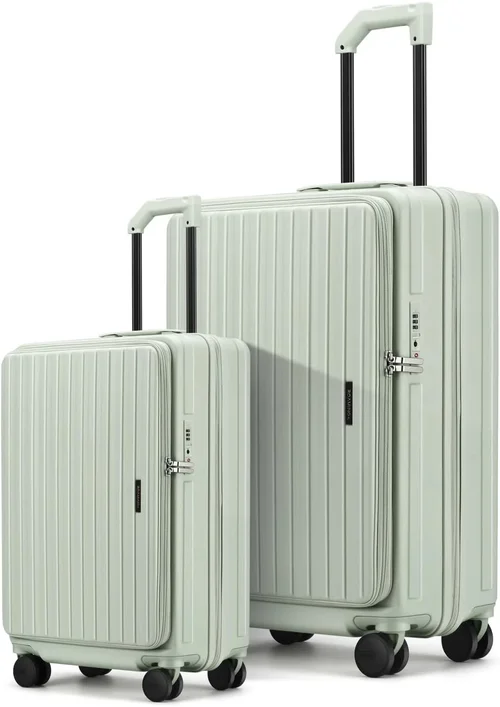
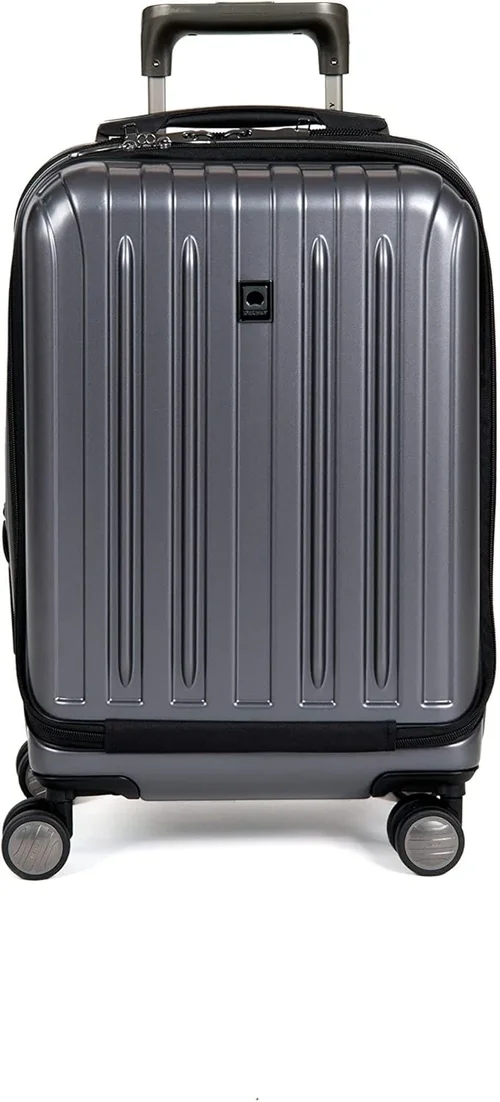
Traveling is more than just getting from point A to point B—it’s about freedom, discovery, and the confidence that your gear will keep up with your adventures. Whether you’re a weekend road-tripper, a frequent business traveler, or a globetrotting explorer, one thing remains constant: reliable luggage makes all the difference. Among the sea of brands and models vying for your attention, Briggs & Riley stands out as a premium name synonymous with durability, innovation, and thoughtful design—especially when it comes to their expandable luggage collections.
In this comprehensive guide, we’ll cut through the noise and help you make an informed decision about expandable luggage—with a special focus on what makes Briggs & Riley a standout in this category. You’ll learn how to evaluate key features like construction quality, expansion mechanisms, wheel performance, and warranty coverage. We’ll also compare different types of expandable suitcases, highlight common pitfalls to avoid, and offer expert-backed advice on maximizing value without overspending. By the end, you’ll know exactly what to look for—and whether Briggs & Riley’s reputation lives up to the investment.
The market for expandable luggage has exploded in recent years, driven by travelers who want flexibility without sacrificing organization or durability. Airlines continue to tighten weight restrictions, yet we still find ourselves overpacking—whether it’s souvenirs from Paris, extra shoes for a conference, or that last-minute addition to your carry-on. Expandable suitcases promise to solve this dilemma by offering an extra 2–3 inches of packing depth at the zip of a zipper. But not all expansion systems are created equal. Some add bulk, others compromise structural integrity, and many fail under real-world travel stress. That’s why understanding the nuances—like how the expansion mechanism integrates with the frame, or whether the zippers are truly reinforced—is critical. This guide will equip you with the knowledge to choose wisely, so your next trip isn’t derailed by a suitcase that gives out mid-journey.

What to Look for When Buying Buying Guide
1. Build Quality & Durability
When it comes to luggage, durability isn’t just a nice-to-have—it’s essential. A suitcase endures drops, kicks, conveyor belt jams, overhead bin squeezes, and weather exposure. Briggs & Riley has built its reputation on using high-performance materials like ballistic nylon and polycarbonate, which resist abrasion, punctures, and tears far better than standard polyester or thin plastics. Look for reinforced corners, double-stitched seams, and heavy-duty YKK zippers—the gold standard in luggage hardware. The brand’s signature “CX Compression-Expansion” technology, found in many of their expandable models, allows the case to expand while maintaining structural rigidity. This means you get extra space without the floppy, unstable feel of cheaper expandables. Always check the denier rating (a measure of fabric thickness)—1680D ballistic nylon, used in Briggs & Riley’s Baseline collection, is exceptionally tough. Also, inspect the handle system: a telescoping handle should glide smoothly and lock securely at multiple heights. A flimsy handle can ruin an otherwise great suitcase.
2. Expansion Mechanism & Usability
The core appeal of expandable luggage is its ability to grow when you need it—but how that expansion works matters immensely. Some brands use a simple gusset zipper that adds minimal depth and can strain under pressure. Others, like Briggs & Riley, employ advanced systems such as CX (Compression-Expansion), which actually compresses the contents when expanded, creating more usable volume without bulging. This patented technology allows you to pack tightly, then expand the case by up to 25% while keeping everything secure and wrinkle-free. Test the expansion zipper: it should be smooth, silent, and resistant to snagging. Avoid models where the expansion zipper runs along the side seam—this can weaken the structure. Also consider how easy it is to access the expanded compartment. Does it require unpacking the entire case? Can you expand it after checking in? Briggs & Riley designs often allow expansion even when the main compartment is full, thanks to smart internal architecture. Remember: expansion is only useful if it’s reliable and doesn’t compromise the suitcase’s shape or stability.
3. Size & Portability
Size isn’t just about dimensions—it’s about usability across airlines, modes of transport, and personal needs. Most expandable carry-ons from Briggs & Riley, like the Baseline Expandable Carry-On, measure around 22″ x 14″ x 9″ (non-expanded), fitting comfortably in overhead bins on major U.S. carriers. When expanded, they gain roughly 2 inches in depth, pushing them close to the 62 linear inch limit for checked bags—so be mindful if you plan to check an expanded carry-on. Weight is another factor: premium materials often mean heavier builds. The Baseline Expandable Carry-On weighs about 9.3 lbs, which is on the heavier side for a carry-on but justified by its durability. For checked luggage, consider the 25″ or 27″ expandable models, which offer generous capacity without exceeding airline size limits when unexpanded. Portability also hinges on wheel performance. Briggs & Riley uses dual spinner wheels with sealed bearings that roll quietly and smoothly over carpet, tile, and uneven pavement. Test the turning radius—can you pivot easily in tight airport corridors? Are the wheels recessed to prevent snagging? These details make a huge difference during long walks through terminals.
4. Features & Functionality
Smart features can elevate a suitcase from functional to exceptional. Briggs & Riley excels here with thoughtful touches like the “SimpleStrap” system, which lets you securely attach a garment bag or backpack to the top of your suitcase—no more juggling multiple bags. Their “PowerPort” feature (on select models) includes built-in USB ports powered by an external battery (sold separately), perfect for charging devices on the go. Interior organization is another strength: look for compression panels, zippered mesh pockets, and adjustable straps that keep clothes neat and reduce shifting during transit. The Baseline collection includes a unique “CX” compression panel that doubles as a laundry bag when removed. Some models also feature a “wet pocket” for damp items or shoes, preventing moisture from soaking into your clothes. Don’t overlook external details: padded top and side handles make lifting easier, while a built-in ID tag slot adds security. While flashy tech isn’t necessary, well-integrated features that solve real travel problems—like wrinkle-free packing or easy accessory attachment—are worth the premium.
5. Brand Reputation & Heritage
Briggs & Riley isn’t just another luggage brand—it’s a legacy built over three decades of innovation and customer-centric design. Founded in 1993 by Richard and Stephen Briggs, the company was born from frustration with unreliable luggage that failed when travelers needed it most. Their motto, “Engineered for the Long Haul,” reflects a commitment to products that last. Unlike fast-fashion luggage brands that prioritize aesthetics over function, Briggs & Riley invests heavily in R&D, testing prototypes under extreme conditions (think: being dropped from heights, dragged across asphalt, or subjected to temperature extremes). This dedication has earned them a loyal following among business travelers, flight crews, and frequent flyers who value consistency and reliability. The brand is also known for its transparent communication—they openly discuss material choices, manufacturing processes, and design rationale on their website. While they’re not the cheapest option, their reputation for standing behind their products (more on that below) makes them a trusted choice for those who view luggage as a long-term investment rather than a disposable commodity.
6. Warranty & Support
One of the strongest arguments for investing in Briggs & Riley is their industry-leading warranty. The brand offers a “Simple As That®” lifetime guarantee—yes, lifetime. If your luggage is damaged for any reason—even if it’s your fault—they’ll repair it free of charge. No receipts required, no time limits, no fine print loopholes. This isn’t just marketing fluff; it’s a reflection of their confidence in build quality and a commitment to customer satisfaction. Compare this to most competitors, who offer 1–5 year limited warranties that often exclude “normal wear and tear” or accidental damage. Briggs & Riley also provides excellent customer service, with U.S.-based support and authorized repair centers worldwide. If you’re traveling and your zipper breaks, you can often get it fixed on the spot at partner retailers like Nordstrom or Luggage Pros. This level of support is rare in the luggage industry and adds significant long-term value. When evaluating any expandable suitcase, ask: What happens if the expansion zipper fails after two years? With Briggs & Riley, you’re covered. With others, you might be out of luck.
7. Budget & Price Range
Let’s address the elephant in the room: Briggs & Riley is expensive. A Baseline Expandable Carry-On starts around $500, and larger checked models can exceed $800. That’s steep compared to budget options from Samsonite or American Tourister, which often retail under $150. However, price should be viewed through the lens of cost-per-use. If a $500 suitcase lasts 10 years versus a $150 one that needs replacing every 2–3 years, the premium brand may actually be cheaper in the long run. Consider your travel frequency: if you fly more than 4–6 times per year, the durability and warranty of Briggs & Riley justify the upfront cost. For occasional travelers, a mid-range brand might suffice. Also factor in hidden costs: a broken wheel or torn seam can mean buying a new suitcase mid-trip, plus the hassle of returns and replacements. Briggs & Riley minimizes these risks. That said, don’t assume all premium brands are equal. Some charge similar prices but lack the same level of craftsmanship or customer support. Always compare apples to apples—look at materials, warranty terms, and real-user reviews, not just the logo.
8. User Reviews & Real-World Performance
While specs and marketing matter, nothing beats real-world feedback. Briggs & Riley consistently earns high marks on trusted platforms like Wirecutter, Travel + Leisure, and Amazon (for verified purchases). Users praise the smooth-rolling wheels, robust zippers, and the peace of mind that comes with the lifetime warranty. Common compliments include how well the CX system prevents wrinkles and how the suitcase maintains its shape even when overpacked. However, some reviewers note the weight—several mention it’s heavier than expected, which can be a drawback for strict carry-on weight limits (e.g., on European airlines). Others point out that the dark colors show scuffs over time, though this is cosmetic and doesn’t affect function. Importantly, negative reviews often involve issues that were resolved quickly by customer service, reinforcing the value of their warranty. When reading reviews, focus on patterns: if multiple users report the same flaw (e.g., handle wobble), it’s likely a design issue. But if complaints are isolated or resolved by support, it speaks to the brand’s reliability. Always cross-reference professional reviews with user experiences to get a balanced picture.
Different Types of Buying Guide

Common Buying Mistakes to Avoid

❌ Mistake: Prioritizing Price Over Longevity
Why it’s bad: Cheap luggage often uses thin fabrics, weak zippers, and flimsy wheels that fail within a year or two. You end up spending more over time replacing broken suitcases—and risk losing belongings during travel.
What to do instead: Calculate cost-per-use. If you travel regularly, invest in a durable brand like Briggs & Riley. Their lifetime warranty ensures you won’t need to replace it, making the higher upfront cost worthwhile.
❌ Mistake: Ignoring the Expansion Mechanism
Why it’s bad: A poorly designed expansion system can tear, jam, or destabilize the entire suitcase. Some zippers aren’t rated for repeated use, leading to failures when you need extra space most.
What to do instead: Look for reinforced expansion zippers (like YKK) and test the mechanism in-store if possible. Briggs & Riley’s CX system is engineered to handle compression and expansion without strain.
❌ Mistake: Overlooking Wheel Quality
Why it’s bad: Wheels are the most abused part of any suitcase. Cheap spinners wobble, squeak, or break after a few trips, turning airport walks into nightmares.
What to do instead: Choose suitcases with dual spinner wheels and sealed bearings. Briggs & Riley wheels are known for their smooth, quiet roll—even on rough surfaces.
❌ Mistake: Assuming All “Lifetime” Warranties Are Equal
Why it’s bad: Many brands offer “lifetime” warranties but exclude accidental damage or require original receipts. You could be denied service when you need it most.
What to do instead: Read the fine print. Briggs & Riley’s “Simple As That®” guarantee covers all damage, no questions asked—even if you caused it.
❌ Mistake: Buying Based on Looks Alone
Why it’s bad: A sleek design means nothing if the suitcase can’t handle real travel conditions. Flashy colors may show wear quickly, and trendy shapes might not fit in overhead bins.
What to do instead: Focus on function first. Choose classic colors (navy, black, gray) that hide scuffs, and verify dimensions against airline requirements.
❌ Mistake: Not Testing Handle Ergonomics
Why it’s bad: A stiff or wobbly handle makes pulling the suitcase exhausting, especially over long distances. Some handles don’t lock securely, causing accidental collapses.
What to do instead: If buying in-store, extend the handle fully and give it a tug. It should feel solid and lock at multiple heights. Online, check reviews for handle feedback.
❌ Mistake: Forgetting About Weight Limits
Why it’s bad: Heavier suitcases eat into your personal item or carry-on weight allowance. Airlines like Ryanair or EasyJet enforce strict limits, and overweight fees add up fast.
What to do instead: Weigh the empty suitcase before buying. Briggs & Riley models are heavier than average—factor this into your packing strategy, especially for international flights.
Budget Guidelines: How Much Should You Spend?
- Entry-Level ($50–$150): What to expect: Basic polyester construction, single zippers, minimal features. Suitable for occasional travelers who don’t mind replacing luggage every few years. Expansion is usually a simple gusset with limited depth. Brands like American Tourister or Rockland fall here.
- Mid-Range ($150–$350): Sweet spot for most buyers: Better materials (e.g., 600D polyester), dual zippers, improved wheels. Some models include compression straps or USB ports. Samsonite Winfield or Travelpro Platinum offer good value here. Expansion is more reliable but may lack structural support.
- Premium ($350–$600): For enthusiasts and professionals: High-denier fabrics, reinforced frames, advanced expansion systems. This is where Briggs & Riley’s soft-side collections shine. Expect excellent organization, smooth handles, and solid warranties (though not always lifetime).
- Luxury ($600+): Top-tier features: Ballistic nylon or polycarbonate shells, CX compression technology, global lifetime warranty, and premium customer service. Briggs & Riley dominates this tier, offering unmatched durability and peace of mind for frequent travelers.

Expert Tips for Getting the Best Deal
- Buy during off-peak seasons: Luggage sales spike around holidays and summer, but you’ll find better deals in January (post-holiday clearance) or September (back-to-school lull). Sign up for Briggs & Riley’s newsletter for exclusive promotions.
- Shop at authorized retailers: Nordstrom, Luggage Pros, and eBags often carry Briggs & Riley and offer price matching, free shipping, and generous return policies. Avoid unauthorized sellers—they may sell counterfeit or refurbished items without warranty.
- Consider refurbished or open-box: Briggs & Riley occasionally offers certified refurbished models at 20–30% off. These are inspected, repaired if needed, and come with the full lifetime warranty.
- Use credit card perks: Some cards offer extended warranties or purchase protection. Pair this with Briggs & Riley’s guarantee for double coverage.
- Check return policies: Even with a great warranty, you want hassle-free returns if the suitcase doesn’t meet expectations. Most reputable retailers allow 30–60 day returns.
- Test before traveling: Pack the suitcase at home, roll it around, and simulate airport conditions. Does it feel stable? Is the expansion easy to use? This prevents disappointment on trip day.
- Bundle for savings: Buying a set (carry-on + checked) often comes with a discount. Briggs & Riley occasionally runs set promotions during Black Friday or anniversary sales.
- Don’t skip the warranty registration: While Briggs & Riley doesn’t require it, registering your purchase ensures faster service and proof of ownership if needed.

Frequently Asked Questions
Q: Is Briggs & Riley worth the high price?
A: For frequent travelers, yes. The combination of durable materials, innovative features like CX compression, and a no-questions-asked lifetime warranty makes it a long-term investment. If you travel less than twice a year, a mid-range brand may suffice—but for weekly flyers, the reliability pays off.
Q: How much does a Briggs & Riley expandable suitcase expand?
A: Most models expand by approximately 2–2.5 inches in depth. The CX system compresses contents when expanded, effectively creating up to 25% more usable space without significant bulging.
Q: Can I expand my carry-on and still take it on the plane?
A: It depends on the airline and how much you expand. When unexpanded, Briggs & Riley carry-ons meet standard size limits. Once expanded, they may exceed limits for some international carriers. Always check your airline’s dimensions before expanding at the gate.
Q: What happens if my zipper breaks?
A: Under the “Simple As That®” warranty, Briggs & Riley will repair or replace it for free—even if you broke it yourself. Just contact customer service or visit an authorized repair center.
Q: Are Briggs & Riley suitcases TSA-approved?
A: They don’t include built-in TSA locks, but they’re compatible with any TSA-approved lock. Many travelers appreciate this flexibility, as built-in locks can fail and aren’t always user-replaceable.
Q: Do they offer garment bags?
A: Yes! Briggs & Riley makes high-quality garment bags that attach to their suitcases via the SimpleStrap system, keeping suits and dresses wrinkle-free.
Q: How do I clean my Briggs & Riley suitcase?
A: For ballistic nylon, use a damp cloth with mild soap. Avoid harsh chemicals. For polycarbonate shells, a soft cloth and water work best. Never machine wash or dry.
Q: Are there lighter alternatives to Briggs & Riley?
A: Yes—brands like Away or July offer lighter polycarbonate suitcases, but they lack the same level of durability, warranty, or compression technology. Trade-offs exist at every price point.
Q: Can I use the expansion feature after checking in?
A: Technically yes, but it’s not recommended. Expanded suitcases are more prone to damage in cargo holds due to increased pressure and handling stress. Pack to capacity before checking.
Q: Do they sell replacement parts?
A: Absolutely. Wheels, handles, zippers, and even expansion gussets can be ordered directly from Briggs & Riley or authorized dealers, extending the life of your suitcase indefinitely.
Our Final Recommendations
- Best for Budget-Conscious Buyers: Travelpro Platinum Expandable Carry-On ($250–$300). Offers solid build quality, smooth wheels, and a 5-year warranty—great for occasional travelers who want reliability without the premium price.
- Best Overall Value: Briggs & Riley Baseline Expandable Carry-On ($525). Combines CX compression, ballistic nylon durability, and lifetime warranty. Ideal for frequent flyers who want one suitcase that lasts a decade.
- Best Premium Option: Briggs & Riley Baseline Expandable Large Checked ($795). For long trips or families, this 27″ model offers massive capacity, rugged construction, and the same peace of mind as the carry-on.
- Best for Beginners: Samsonite Winfield 3 Expandable ($180). A user-friendly entry into expandable luggage with decent features and a 10-year limited warranty—perfect for first-time buyers.
- Best for Advanced Users: Briggs & Riley Transcend Global Carry-On Expandable ($650). Features a hybrid frame, ultra-smooth wheels, and global size compliance—engineered for seasoned travelers who demand perfection.
Conclusion: Making the Right Choice
Choosing the right expandable luggage isn’t just about finding the biggest zipper or the shiniest shell—it’s about aligning your purchase with your travel habits, priorities, and long-term needs. While Briggs & Riley commands a premium price, its blend of innovative engineering, unmatched durability, and customer-first warranty makes it a standout for those who treat travel as a serious part of life. That said, not every traveler needs a $800 suitcase. By understanding key factors like build quality, expansion mechanics, and real-world performance, you can make a decision that balances cost, function, and peace of mind.
Remember: the best suitcase is the one you’ll still trust ten years from now. Whether you opt for Briggs & Riley or another brand, prioritize features that solve your specific pain points—whether that’s wrinkle-free packing, airline compliance, or surviving rough handling. Don’t let marketing hype or flashy designs cloud your judgment. Instead, focus on what matters: reliability, support, and usability. And when in doubt, lean on expert reviews, user feedback, and warranty terms to guide your choice.
Your next adventure deserves gear that keeps up—not holds you back. So pack smart, travel far, and choose luggage that’s built to last. Because when your suitcase works as hard as you do, the journey becomes just a little bit easier.