

Traveling light has never been more important—or more challenging. With airlines tightening carry-on restrictions, charging for checked bags, and increasing scrutiny at security checkpoints, the right cabin luggage can make or break your journey. Enter expandable cabin luggage: the smart traveler’s secret weapon. These cleverly designed bags offer the flexibility to pack for a short weekend getaway one trip and expand to accommodate souvenirs or extra gear on the return flight—all while staying within airline size limits.
But not all expandable cabin suitcases are created equal. Some expand modestly, others balloon into full-sized checked bags, and many claim to be “carry-on compliant” only to get flagged at the gate. That’s why this comprehensive buyer’s guide exists. Whether you’re a frequent flyer, a digital nomad, or someone who just wants to avoid baggage fees on your next vacation, we’ll walk you through everything you need to know before investing in expandable cabin luggage in 2026. From build quality and smart features to budget considerations and common pitfalls, this guide equips you with expert-level insights to make a confident, informed decision.
The market for expandable cabin luggage has exploded in recent years, driven by rising travel demand and evolving airline policies. Major brands like Samsonite, Away, Rimowa, and newer innovators like Monos and July have introduced models that blend sleek design with functional expansion systems. At the same time, budget-friendly options from Amazon Basics, American Tourister, and Rockland have made expandable features accessible to more travelers than ever. Yet with so many choices—ranging from $50 to over $500—it’s easy to feel overwhelmed. This guide cuts through the noise, focusing on what truly matters: performance, durability, compliance, and value. By the end, you’ll know exactly what to look for, what to avoid, and which models deliver the best experience for your travel style and budget.

What to Look for When Buying Buying Guide
1. Airline Compliance & Dimensional Accuracy
Before anything else, your expandable cabin luggage must meet airline carry-on size requirements. Most major airlines—including Delta, United, American, British Airways, and Lufthansa—enforce a standard maximum dimension of 22″ x 14″ x 9″ (56 x 36 x 23 cm), including wheels and handles. However, some budget carriers like Ryanair and Spirit are stricter, often limiting total dimensions to 21.7″ x 13.8″ x 8.7″ (55 x 35 x 22 cm). The critical point? Expansion should not push your bag beyond these limits when fully loaded.
Many manufacturers advertise “expandable” features but fail to clarify whether the expanded size remains carry-on compliant. Always check the product specs for both compressed and expanded dimensions. A good rule of thumb: if the expanded depth exceeds 10 inches (25 cm), it’s likely too big for most overhead bins. Look for bags that expand vertically or laterally without increasing overall depth—or those that include a “compliance lock” to prevent over-expansion. Brands like Samsonite and Travelpro often include detailed airline compatibility charts on their websites, which can save you from gate-check surprises.
2. Build Quality & Durability
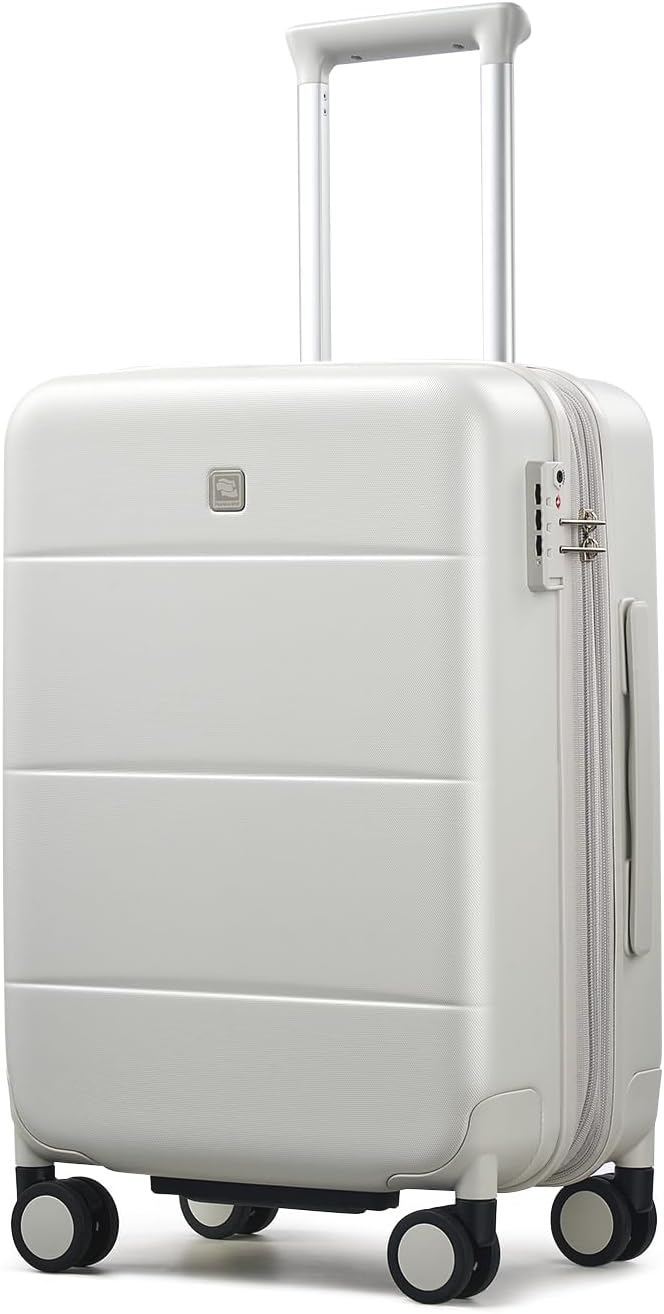
Expandable zippers and reinforced seams are the Achilles’ heel of many budget expandable bags. Under stress—especially when overpacked—these components can tear, jam, or fail entirely. High-quality expandable luggage uses heavy-duty YKK or equivalent zippers with dual sliders, reinforced gussets, and ripstop nylon or polycarbonate shells designed to handle repeated expansion and compression.
Materials matter too. Hard-shell options (like polycarbonate or ABS) offer superior protection for fragile items and resist crushing in overhead bins, while soft-shell bags (typically made from ballistic nylon or polyester) are lighter and more flexible, often featuring external pockets for quick access. For frequent travelers, polycarbonate hard shells from brands like Rimowa or Away provide excellent impact resistance, though they may scratch more easily. Soft-shell expandables from Eagle Creek or Patagonia excel in abrasion resistance and often include water-resistant coatings.
Pay attention to wheel quality as well. Dual spinner wheels with sealed bearings roll smoother and last longer than single-wheel designs. Test the wheels by pushing the bag across a hard floor—if it wobbles or drifts, the axle alignment may be off. Handles should retract smoothly and lock securely in both extended and collapsed positions. A poorly designed handle can jam or collapse mid-transit, turning a simple walk through the terminal into a frustrating ordeal.
3. Expansion Mechanism & Capacity
Not all expansion systems are equal. The most common type is a zip-around gusset that adds 1.5 to 2.5 inches (4–6 cm) of depth when unzipped. More advanced models use telescoping frames or accordion-style panels that allow for greater volume increase—sometimes up to 30% more capacity. However, greater expansion often comes at the cost of structural rigidity, so balance is key.
Look for bags with a clearly marked “expansion zone” and sturdy zipper pulls that are easy to grip even with gloves on. Some premium models, like the July Carry-On Pro, feature a hidden expansion panel that maintains a sleek profile when not in use. Others, like the Samsonite Winfield 3 DLX, use a two-stage expansion system: a modest zip for everyday use and a secondary flap for heavy-duty packing.
Capacity is measured in liters, but don’t rely solely on manufacturer claims. A 38L bag may feel cramped if the interior layout is inefficient. Check for compression straps, zippered dividers, and mesh pockets that help organize contents and maximize space. A well-designed interior can make a 35L bag feel roomier than a poorly organized 40L one.
4. Weight & Portability
Every ounce counts when you’re navigating crowded terminals, climbing stairs, or lifting your bag into an overhead bin. Lightweight construction is especially important for expandable bags, which often carry extra zippers, fabric, and reinforcement that add bulk. Aim for a base weight under 7 pounds (3.2 kg) for hard-shell models and under 6 pounds (2.7 kg) for soft-shell options.
Portability extends beyond weight. Ergonomic handles, smooth-rolling wheels, and balanced weight distribution all contribute to ease of use. A bag that’s too front-heavy will tip forward when standing, while one that’s too rear-heavy becomes difficult to pull. Test the balance by lifting the bag by its top handle—it should feel stable, not lopsided.
Consider the handle height as well. Most telescopic handles adjust to multiple heights, but the ideal range is between 38 and 42 inches (97–107 cm) when fully extended. If you’re taller than 6 feet, look for models with longer handle strokes. Some brands, like Delsey and Victorinox, offer gender-specific handle designs optimized for average male and female heights.
5. Security Features
Expandable bags are prime targets for theft due to their increased capacity and frequent use in high-traffic areas. Look for TSA-approved combination locks that allow security personnel to inspect your bag without damaging the lock. Many modern expandable suitcases come with built-in locks, eliminating the need for external padlocks that can snag or break.
RFID-blocking pockets are another valuable feature, especially for business travelers carrying credit cards, passports, or key fobs. These shielded compartments prevent electronic pickpocketing, a growing concern in airports and hotels. Some high-end models, like the Away Carry-On with USB-C, even include hidden passport pockets and anti-theft zippers that are difficult to open without the slider.
For added peace of mind, consider bags with tamper-evident zippers or GPS tracking compatibility. While not standard, some brands partner with tracking services like Apple AirTag or Tile, allowing you to monitor your bag’s location via smartphone. This is particularly useful for international travel or when checking bags becomes unavoidable.
6. Interior Organization & Accessibility
A well-organized interior transforms a chaotic packing experience into a streamlined routine. Look for expandable bags with multiple compartments: a zippered shoe pocket, a toiletry bag, compression straps, and mesh dividers. These features help separate clean from dirty clothes, protect delicate items, and prevent shifting during transit.
Accessibility is equally important. Side-access zippers allow you to grab a jacket or book without unpacking everything. Some models, like the Monos Carry-On, feature a clamshell design with two equal halves, making it easy to access either side independently. Others include removable laundry bags or tech sleeves for laptops and tablets.
For frequent flyers, consider bags with quick-access front pockets. These are ideal for storing boarding passes, phones, or snacks during security checks. Just ensure the pocket doesn’t compromise the bag’s structural integrity or exceed airline size limits when filled.
7. Brand Reputation & Customer Support
Not all luggage brands are created equal. Established names like Samsonite, Travelpro, and Rimowa have decades of experience and rigorous testing standards. They often invest in R&D for features like self-healing zippers, anti-microbial linings, and aerodynamic wheel designs. Newer direct-to-consumer brands like Away, July, and Monos focus on modern aesthetics and smart features but may lack long-term durability data.
Customer support is a critical but often overlooked factor. A brand with responsive service, easy warranty claims, and global repair networks can save you time and money if something goes wrong. Check online reviews for mentions of customer service experiences—especially for international travelers who may need assistance abroad.
Warranty length and coverage also reflect a brand’s confidence in its product. A lifetime warranty (like Samsonite’s) suggests high build quality, while a one-year limited warranty may indicate cost-cutting. Read the fine print: some warranties exclude normal wear and tear, zippers, or wheels.
8. User Reviews & Real-World Performance
Manufacturer specs tell only part of the story. User reviews reveal how a bag performs under real-world conditions: overpacked flights, rough handling by baggage crews, and long-term use. Look for patterns in reviews—consistent complaints about zipper failure, wheel breakage, or handle jamming are red flags.
Pay attention to reviews from travelers with similar needs. A digital nomad’s experience with a tech-heavy bag will differ from a family traveler’s needs. Check review platforms like Trustpilot, Reddit (r/travel or r/onebag), and YouTube for video demonstrations of expansion, rolling, and packing efficiency.
Be wary of fake reviews. Look for detailed, photo-backed feedback from verified purchasers. A sudden spike in 5-star reviews over a short period may indicate incentivized ratings. Genuine reviews often mention both pros and cons, providing a balanced perspective.
Different Types of Buying Guide
Common Buying Mistakes to Avoid

❌ Mistake: Ignoring Airline Size Restrictions
Why it’s bad: Buying a bag that looks compliant online but exceeds airline limits when expanded can result in forced gate-checking, baggage fees, or even denied boarding. This is especially common with budget brands that don’t account for wheel protrusions or handle depth.
What to do instead: Always verify both compressed and expanded dimensions against your most frequently used airline’s carry-on policy. Use a physical measuring tape at home and consider purchasing a carry-on size checker tool for under $10.
❌ Mistake: Prioritizing Expansion Over Durability
Why it’s bad: A bag that expands easily but has weak zippers or thin fabric will fail when you need it most—like on a packed international flight. Overpacking an expandable bag stresses seams and zippers, leading to tears or jams.
What to do instead: Choose bags with reinforced expansion zones, dual zippers, and high-denier fabrics. Test the expansion mechanism at the store or upon delivery to ensure smooth operation.
❌ Mistake: Overlooking Weight Limits
Why it’s bad: Many airlines impose weight limits on carry-on bags (typically 15–22 lbs or 7–10 kg). A heavy bag leaves less room for your belongings, forcing you to wear extra layers or leave items behind.
What to do instead: Weigh your empty bag using a bathroom scale. Aim for under 7 lbs for hard-shell and under 6 lbs for soft-shell models. Consider ultra-light options if you frequently travel with strict weight limits.
❌ Mistake: Skipping Warranty & Return Policy Checks
Why it’s bad: Luggage is subject to rough handling, and even high-quality bags can fail. Without a solid warranty or flexible return policy, you’re stuck with a defective product.
What to do instead: Choose brands with at least a 5-year warranty and hassle-free returns. Read the fine print to understand what’s covered (e.g., zippers, wheels, handles) and whether international claims are supported.
❌ Mistake: Buying Based on Looks Alone
Why it’s bad: A stylish bag may lack functional features like compression straps, TSA locks, or smooth wheels. Aesthetics shouldn’t come at the expense of performance.
What to do instead: Prioritize function over form. Look for bags with practical features that match your travel habits—like front pockets for quick access or clamshell interiors for easy packing.
❌ Mistake: Not Testing Before Buying
Why it’s bad: Online photos don’t reveal how a bag rolls, how the handle feels, or how the expansion zipper operates under pressure. A bag that looks perfect online may be uncomfortable in real life.
What to do instead: Visit a physical store to test the bag in person. Pull the handle, roll the wheels, and simulate packing. If buying online, choose retailers with generous return windows (30+ days).
❌ Mistake: Assuming All Expandable Bags Are Equal
Why it’s bad: Expansion mechanisms vary widely—some add minimal space, others nearly double capacity. Assuming all expandables offer the same benefit can lead to disappointment.
What to do instead: Compare expansion depth and volume increase across models. Look for detailed specs and user videos showing real-world expansion.
Budget Guidelines: How Much Should You Spend?
Entry-Level ($50–$100): These bags offer basic expansion features and are ideal for occasional travelers or short trips. Expect lightweight polyester shells, single zippers, and minimal interior organization. Brands like Amazon Basics, Rockland, and American Tourister dominate this range. While affordable, they may lack durability and warranty support. Best for: students, infrequent flyers, or backup bags.
Mid-Range ($100–$250): This is the sweet spot for most travelers. Bags in this range balance price, performance, and features. Look for dual spinner wheels, TSA locks, compression straps, and reinforced zippers. Brands like Travelpro, Delsey, and Samsonite offer reliable models with 5–10 year warranties. Best for: regular travelers, families, and business professionals.
Premium ($250–$450): Designed for frequent flyers and discerning travelers, these bags feature high-end materials (polycarbonate, ballistic nylon), advanced expansion systems, and smart features like USB ports or GPS tracking. Brands like Away, July, and Monos excel here. Expect superior build quality, sleek designs, and excellent customer service. Best for: digital nomads, luxury travelers, and tech enthusiasts.
Luxury ($450+): Top-tier expandable luggage from brands like Rimowa, Tumi, and Globe-Trotter offers unparalleled craftsmanship, lifetime warranties, and iconic designs. These bags often use aerospace-grade materials, hand-finished details, and proprietary expansion mechanisms. While expensive, they’re built to last decades. Best for: collectors, executives, and those who value status and longevity.

Expert Tips for Getting the Best Deal
- Shop during off-peak seasons: Airlines and retailers often discount luggage in January (post-holiday) and August (pre-back-to-school). Black Friday and Cyber Monday also offer significant savings.
- Compare prices across retailers: Use price-tracking tools like Honey or CamelCamelCamel to monitor fluctuations. Amazon, REI, and Nordstrom often price-match.
- Sign up for brand newsletters: Many companies offer 10–15% off your first purchase. Away and July frequently run referral programs with additional discounts.
- Check for bundle deals: Some brands offer discounts when you buy a carry-on and checked bag together. Travelpro and Samsonite often have seasonal bundles.
- Consider refurbished or open-box items: Certified pre-owned bags from reputable sellers can save 20–40% while offering the same warranty.
- Read return policies carefully: Ensure the retailer accepts returns on luggage, especially if you’re buying online. Some exclude “final sale” items.
- Test before you commit: If possible, visit a store to evaluate handle comfort, wheel smoothness, and expansion ease. Online reviews can’t replicate hands-on experience.
- Invest in a luggage tracker: Even if your bag doesn’t have built-in GPS, adding an Apple AirTag or Tile can provide peace of mind and help recover lost items.

Frequently Asked Questions
Q: Will an expandable cabin bag always fit in overhead bins?
A: Not necessarily. While most expandable bags are designed to comply with standard carry-on dimensions when compressed, the expanded size may exceed airline limits. Always check the expanded depth and compare it to your airline’s policy. Some bins are smaller on regional jets or older aircraft.
Q: Can I overpack an expandable bag?
A: Yes, and it’s a common cause of zipper failure. Overpacking stresses the expansion mechanism and can damage seams. Use compression straps and pack strategically—place heavy items near the wheels and lighter items toward the lid.
Q: Are expandable bags heavier than regular cabin luggage?
A: Slightly. The extra zipper, fabric, and reinforcement add weight, but most quality expandable bags are designed to minimize this. Look for lightweight materials like polycarbonate or ripstop nylon to offset the added bulk.
Q: Do expandable bags count as personal items or carry-ons?
A: They count as carry-on luggage, not personal items. Personal items (like purses or laptop bags) must fit under the seat, while carry-ons go in overhead bins. Ensure your expandable bag meets carry-on size rules.
Q: Can I use an expandable bag for international travel?
A: Absolutely. Just verify the size and weight limits for your destination airlines. Some European carriers have stricter rules, so double-check before departure.
Q: How do I maintain my expandable luggage?
A: Clean the exterior with a damp cloth and mild soap. Lubricate zippers with a silicone-based spray (not oil, which attracts dirt). Store the bag compressed to preserve the expansion mechanism.
Q: Are there expandable bags with USB charging?
A: Yes. Brands like Away, July, and Samsonite offer models with built-in USB ports powered by removable batteries. Note that airlines require batteries to be removable and under 100Wh.
Q: What’s the difference between a zip-around and accordion expansion?
A: Zip-around expansion adds depth via a side zipper, while accordion-style uses pleated fabric that expands vertically. Accordion designs often offer more capacity but may be less rigid.
Q: Can I check an expandable bag if needed?
A: Yes, but ensure it’s within checked baggage size and weight limits. Hard-shell bags offer better protection, while soft-shell bags are lighter and easier to store.
Q: Do expandable bags come with warranties?
A: Most reputable brands offer warranties ranging from 1 to lifetime coverage. Check the terms for what’s included (e.g., zippers, wheels, handles) and whether international claims are supported.
Our Final Recommendations
Best for Budget-Conscious Buyers: Travelpro Maxlite 5 Softside Expandable Carry-On – At under $100, this lightweight soft-shell bag offers reliable expansion, dual spinner wheels, and a 5-year warranty. Ideal for occasional travelers who want quality without the premium price.
Best Overall Value: Samsonite Winfield 3 DLX Hardside Expandable – Combining durability, smart features, and airline compliance, this polycarbonate bag expands up to 2 inches and includes a TSA lock and compression straps. A favorite among frequent flyers.
Best Premium Option: Away The Carry-On with USB-C – Sleek, minimalist design meets functionality. Features a hidden expansion panel, built-in battery, and lifetime warranty. Perfect for tech-savvy travelers who value aesthetics and innovation.
Best for Beginners: July Carry-On Pro – Easy to use, lightweight, and packed with thoughtful details like a removable laundry bag and front pocket. Great for first-time buyers or those upgrading from basic luggage.
Best for Advanced Users: Rimowa Essential Cabin Expandable – Crafted from aerospace-grade aluminum, this luxury bag offers unmatched durability and a unique expansion system. Ideal for collectors and executives who demand the best.
Conclusion: Making the Right Choice
Choosing the right expandable cabin luggage isn’t just about finding the biggest bag or the flashiest design—it’s about matching your travel needs with a product that delivers reliability, compliance, and long-term value. From airline size restrictions and build quality to expansion mechanics and smart features, every detail matters. By prioritizing your specific requirements—whether that’s lightweight portability, tech integration, or rugged durability—you can avoid common pitfalls and invest in a bag that enhances every journey.
Remember, the best expandable cabin luggage is the one that disappears into the background, letting you focus on your destination, not your baggage. Use this guide to compare options, test features, and make a decision that aligns with your travel style and budget. And when in doubt, lean toward trusted brands with strong warranties and real-world performance. Your next adventure deserves luggage that keeps up—without weighing you down.


