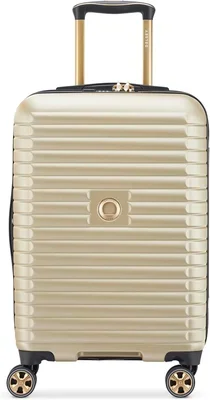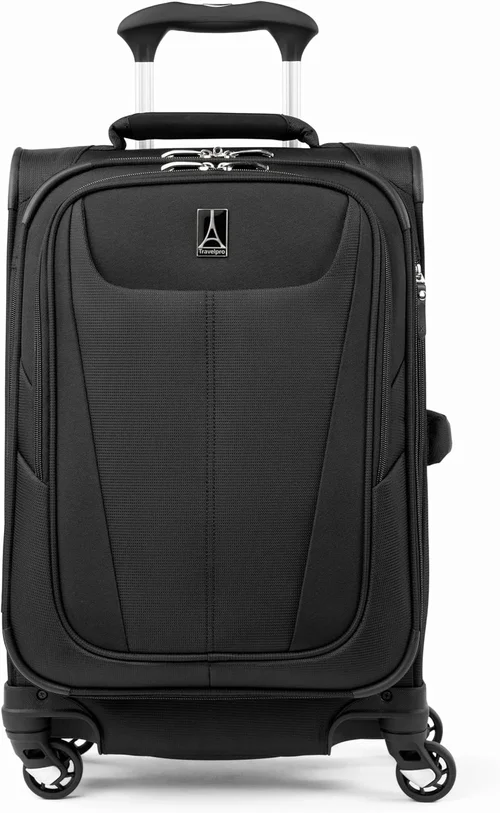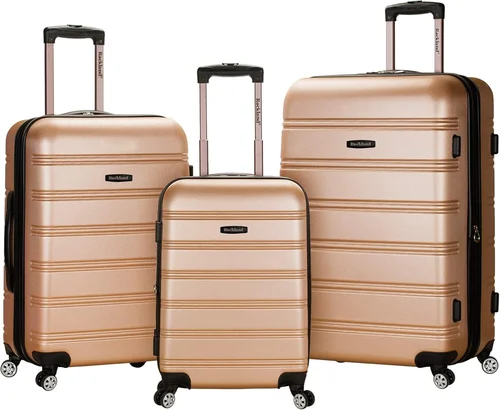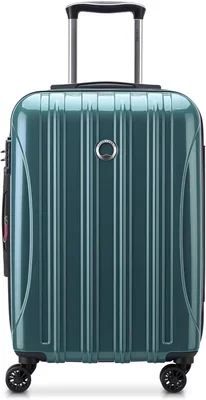
Choosing the right luggage can feel overwhelming when you are staring at a wall of suitcases in a store or scrolling through endless pages online. You want something that glides effortlessly beside you, survives baggage handlers, fits everything you need, and doesn’t weigh you down before you even leave the house. That is exactly why the category of double spinner expandable lightweight luggage has become the gold standard for modern travelers. It hits the sweet spot between maneuverability, packing capacity, and portability.
In this guide, we are going to walk through everything you need to know to make a confident purchase. We will break down the technical specifications into plain English, compare the different types available on the market, and highlight the common pitfalls that lead to buyer’s remorse. Whether you are a weekend warrior hopping on short domestic flights or a globetrotter checking bags for international adventures, understanding these nuances will save you money and frustration in the long run.
The market is flooded with options ranging from budget-friendly basics under a hundred dollars to premium investment pieces that cost several hundred. We will explore what you actually get at each price point, so you can decide where the value lies for your specific travel style. By the end of this article, you will have a clear checklist of features to prioritize, a realistic budget framework, and the confidence to pick a travel companion that will last for years.
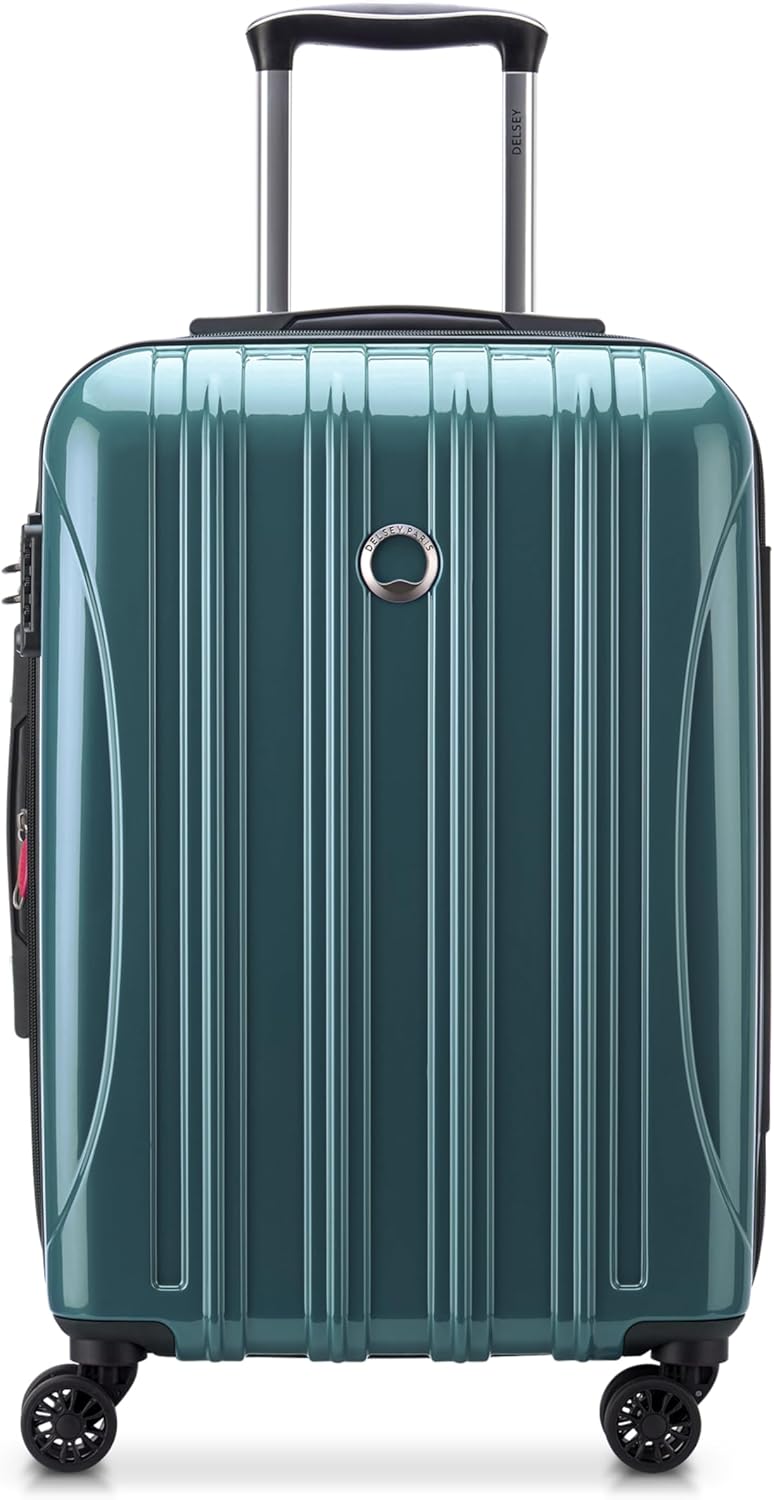
What to Look for When Buying Double Spinner Expandable Lightweight Luggage
1. Wheel Quality and Configuration
This is the single most defining feature of this luggage category. The term “double spinner” means each corner of the bag has two wheels side-by-side, totaling eight wheels. This is a massive upgrade over traditional two-wheel “roller” bags or even standard four-wheel single spinners. Eight wheels distribute the weight of a fully packed suitcase much more evenly. When you are navigating a crowded airport terminal, a cobblestone street in Europe, or a thick hotel carpet, eight wheels provide superior stability. The bag stays upright on its own and tracks straight behind you without wobbling or tipping over when you let go of the handle.
Look for wheels that are recessed into the body of the suitcase rather than protruding outward. Recessed wheels are protected from snapping off if the bag is dropped or crushed in an overhead bin. The material matters too. High-quality polyurethane (PU) wheels are the industry standard because they absorb vibration, roll silently on smooth floors, and resist cracking in cold temperatures. Cheap plastic wheels get loud, develop flat spots, and shatter easily. Give the wheels a spin in the store or check video reviews for sound; a quiet, smooth roll indicates quality bearings.
2. Shell Material: Polycarbonate vs. ABS vs. Hybrid
The shell is your luggage’s skeleton and skin. For lightweight durability, you will encounter three main materials. Polycarbonate is the premium choice. It is incredibly flexible, meaning it can flex under pressure (like being stacked under other bags) and pop back to its original shape without cracking. It offers the best strength-to-weight ratio. ABS (Acrylonitrile Butadiene Styrene) is cheaper and lighter than polycarbonate but significantly more brittle. It cracks or shatters upon heavy impact. Hybrid shells (often labeled PC/ABS) blend the two. They are a decent middle ground but lean closer to ABS in durability.
If you check your bags frequently, invest in 100% polycarbonate. If you only carry-on and treat your luggage gently, a hybrid can save you money. Also, look for a textured or brushed finish rather than high-gloss. Glossy finishes show every single scratch and scuff after one trip, making your new bag look old instantly. A matte or diamond-pattern texture hides wear beautifully.
3. Expandable Mechanism and Capacity Gain
The “expandable” feature is a zipper gusset that runs around the perimeter of the lid. When unzipped, it adds depth to the case, typically increasing packing volume by 15% to 25%. This is invaluable for bringing home souvenirs or packing bulky winter coats. However, not all expansion zippers are created equal. A high-quality expansion uses a heavy-duty #10 coil zipper (thick teeth) with a fabric gusset that has some structure. Cheap versions use thin zippers that separate under the pressure of a stuffed bag, and flimsy fabric gussets that bulge awkwardly, making the bag too wide for airline overhead bins or sizers.
Crucially, check the expanded dimensions against your airline’s carry-on limits. Many domestic US carriers allow 22 x 14 x 9 inches. A 21-inch carry-on that expands to 11 inches deep will not fit in the sizer at the gate. You might be forced to check it and pay a fee. If you need the expansion for checked luggage, this matters less, but for carry-ons, verify the expanded depth before buying.
4. Handle System: Telescoping Mechanism and Grip
The handle is your steering wheel. You want a multi-stage telescoping handle (usually 3-stage) that locks securely at different heights to accommodate your stature. A handle that slides down while you walk is infuriating. Test the button mechanism; it should depress smoothly and spring back with authority. The tubes should be thick aluminum or high-grade steel. Thin tubes bend if you yank the bag up a curb or if a baggage handler grabs it by the handle to toss it.
The grip material matters for comfort. Look for contoured, rubberized, or gel-infused grips. Hard plastic handles dig into your palm during long walks through terminals. Some premium brands offer a “comfort grip” that wraps around the top handle as well, which is nice when lifting the bag into an overhead bin or car trunk. Also, check the top and side carry handles. They should be riveted or bolted through the shell, not just screwed into plastic bosses that strip out.
5. Interior Organization and Lining
Since you cannot see the inside when shopping online, this is often overlooked. A well-designed interior maximizes every cubic inch. Look for a full zippered divider panel in the bottom half (the “bucket” side) to keep flat items like shirts separate from the top half. Cross straps (X-straps or butterfly straps) in the bottom half are essential for compressing clothes and preventing shifting. The top lid should have a large zippered mesh pocket for toiletries, cables, or dirty laundry separation.
The lining fabric should be tear-resistant polyester (150D or higher). Cheap lining rips at the seams or around the zipper teeth, creating loose threads that snag clothes. High-end bags often feature antimicrobial or moisture-wicking linings (like Silver ion treatment), which is a nice bonus for damp swimwear or gym clothes. Check if the divider panel has a large zippered pocket itself; that is prime real estate for shoes or electronics.
6. Lock Security: TSA Approval and Integration
Almost all modern luggage comes with a built-in combination lock. It is critical that this lock is TSA-approved. This means Transportation Security Administration agents have a master key to open it for inspection without cutting your lock or damaging the zipper pulls. Look for the red diamond “Travel Sentry” logo on the lock face. The lock should be recessed into the shell. Protruding locks snap off on conveyor belts.
Consider the locking mechanism type. A 3-dial combination is standard. Some premium models offer a 4-dial lock (10,000 combinations vs 1,000) or a built-in cable lock system that lets you secure the bag to a fixed object (like a chair leg at a cafe or a train rack). If you travel with valuables, the cable lock feature adds significant peace of mind.
7. Weight and Airline Compliance
The “lightweight” part of the equation is critical because every ounce of luggage weight eats into your airline weight allowance. Most major airlines have a 50lb (23kg) limit for checked bags and 15-22lb (7-10kg) for carry-ons (especially international/low-cost carriers). A heavy empty suitcase (10+ lbs for a large checked) leaves you very little packing room before you hit fees.
Target weights for quality lightweight spinners: Carry-on (21-22 inch) should be 6.0 – 7.5 lbs. Medium checked (25-26 inch) should be 7.5 – 9.0 lbs. Large checked (28-30 inch) should be 9.0 – 11.0 lbs. If a “lightweight” large checked bag weighs 12 lbs, it is not truly lightweight by modern standards. Always weigh the empty bag yourself if possible; manufacturer specs can be optimistic.
8. Warranty and Brand Support
Luggage takes a beating. A warranty is the manufacturer’s vote of confidence in their product. Entry-level brands often offer 1-2 year “limited” warranties that cover only manufacturing defects (broken zipper out of the box) but exclude “wear and tear” or airline damage. Premium brands (Briggs & Riley, Tumi, Travelpro Platinum, Samsonite Black Label) offer lifetime warranties that often cover airline damage, broken wheels, torn handles, and zipper failure for the life of the product. Some even pay for shipping both ways.
Read the fine print. “Lifetime” sometimes means the lifetime of the product model (which could be discontinued in 3 years), not your lifetime. The best warranties are “Unconditional Lifetime” or “Worry-Free.” Also, check if there is a local authorized repair center. Shipping a large suitcase across the country for a wheel replacement costs $50+ in shipping alone, negating the “free repair” benefit.
Different Types of Double Spinner Expandable Lightweight Luggage

Common Buying Mistakes to Avoid
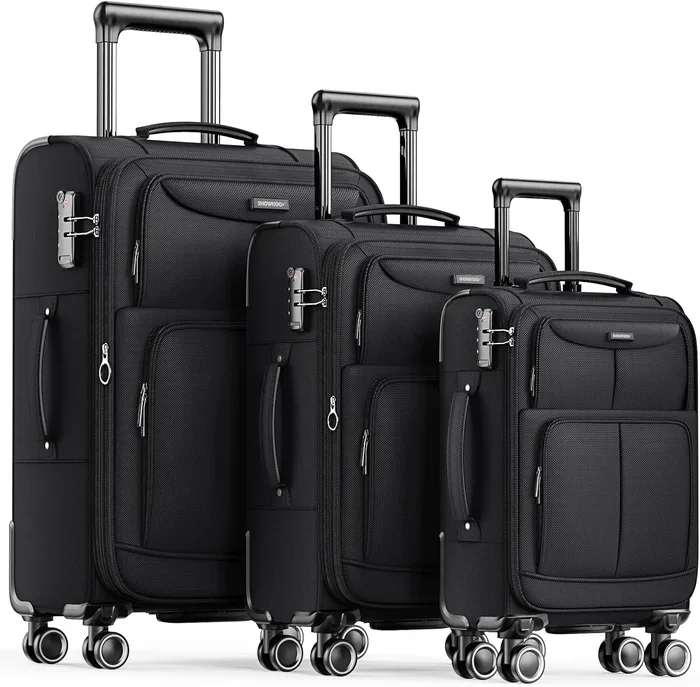
❌ Mistake: Buying Based Solely on Price
Why it’s bad: A $60 suitcase uses thin ABS plastic, single-bearing plastic wheels, a handle that bends, and a liner that shreds. It will likely fail on your second or third trip, forcing you to buy again. The cost-per-trip ends up higher than a $250 bag that lasts a decade.
What to do instead: Set a budget floor based on travel frequency. If you fly 2+ times a year, start your search at $150 for a carry-on. View it as cost-per-use. A $300 bag used for 50 trips costs $6/trip. A $80 bag used for 3 trips costs $26/trip.
❌ Mistake: Ignoring “Linear Inches” for Checked Bags
Why it’s bad: Airlines restrict checked luggage by linear inches (Length + Width + Height), usually 62 inches max. A 30-inch suitcase often measures 30 x 20 x 12 = 62 inches before expansion. If you expand it, you exceed the limit and face oversize fees ($100-$200). Manufacturers list the “size” as the wheel-to-handle height, not the packed dimensions.
What to do instead: For checked luggage, a 26 or 27-inch spinner is usually the smarter buy. It gives you huge capacity (often 90-100L expanded) while staying safely under the 62-inch limit even when expanded. You avoid fees and the bag is lighter to lift.
❌ Mistake: Choosing a High-Gloss Finish for Checked Luggage
Why it’s bad: Checked bags go through conveyor systems, slide down metal chutes, and get stacked against other rough bags. A high-gloss (piano black, shiny white, metallic) finish will look heavily scratched and scuffed after a single round trip. It ages the appearance of the luggage instantly.
What to do instead: Choose a matte, textured, or brushed finish. Diamond-pattern, hexagonal grid, or subtle brushed textures hide abrasions remarkably well. Your bag will look new for years.
❌ Mistake: Overlooking the “Personal Item” Compatibility
Why it’s bad: Many travelers buy a carry-on spinner but forget they also need a backpack or tote that slides over the handle (via a “pass-through sleeve” or “piggyback strap”). If your carry-on handle is an odd shape or the sleeve on your backpack is too small, you end up carrying the second bag on your shoulder, defeating the ergonomic benefit of the spinner.
What to do instead: If you have a favorite laptop backpack, bring it to the store to test the sleeve fit. Or buy a luggage set/brand that offers a matching companion backpack with a guaranteed fit sleeve.
❌ Mistake: Assuming All “Spinner” Wheels Are Equal
Why it’s bad: Marketing uses “spinner” loosely. A bag with four single wheels (one per corner) is a spinner, but it lacks the stability and load-bearing capacity of a true double spinner (eight wheels). Single wheels dig into carpet, catch on cracks, and the axles bend under heavy loads.
What to do instead: Explicitly look for “Double Spinner,” “8-Wheel,” or “Dual Wheel” in the product title and specs. Count the wheels in the photos. If you see four wheels total, keep looking.
❌ Mistake: Not Checking the Interior Depth with Expansion
Why it’s bad: You pack the expanded bag, zip it up, and it’s now a cube. But the handle tube housing inside the bag takes up 2-3 inches of depth in the center. If you pack rigid items (shoes, toiletry cases) in that center channel, the lid won’t close flat, the zipper strains, and the bag bulges.
What to do instead: Pack soft, compressible items (sweaters, jeans, t-shirts) in the center channel over the handle tubes. Place rigid items against the flat side walls. Better yet, use packing cubes; they conform to the space.
❌ Mistake: Skipping the “Shake Test” for Handle Wobble
Why it’s bad: A wobbly handle shaft transfers vibration to your wrist and makes the bag feel unstable. It indicates loose tolerances in the tube locking mechanism or thin tube walls. This worsens over time until the handle jams or snaps off.
What to do instead: Extend the handle fully. Grab the grip and shake the bag side-to-side and front-to-back. There should be minimal play (less than 1/4 inch at the grip). Twist the grip; it should not rotate independently of the tubes.
Budget Guidelines: How Much Should You Spend?
Entry-Level ($80 – $150): The “Occasional Traveler” Tier
At this price, you are looking at mostly ABS or PC/ABS hybrid shells. The double spinner wheels will likely be basic plastic or low-grade PU with simple bearings. The handle system will be 2-stage steel tubes, functional but prone to wobble over time. Zippers will be standard YKK or generic coil zippers (size #8 or #5). The warranty is typically 1-2 years limited. Who this is for: Someone who takes 1-2 leisure trips a year, mostly carries on, and stores the bag carefully. Brands in this space: Amazon Basics, Kenneth Cole Reaction, Rockland, Merax. Expect to replace it every 2-3 years.
Mid-Range ($150 – $300): The “Sweet Spot” for Most Travelers
This is where you find 100% polycarbonate shells (often Makrolon or generic equivalent), high-quality Hinomoto or Japanese-spec double spinner wheels (silent, smooth, replaceable), 3-stage aluminum handles with secure locks, and YKK #10 zippers on expansion. Linings are durable, often with antimicrobial treatment. Warranties extend to 5-10 years or “Limited Lifetime” (covering defects). Who this is for: Frequent flyers (4-8 trips/year), business travelers, families. This tier offers 80-90% of the performance of premium bags at half the price. Key brands: Travelpro (Maxlite 5, Platinum Elite), Samsonite (Freeform, Omni PC, Centric), Delsey (Chatelet Air, Titanium), Briggs & Riley (Baseline – often on sale), American Tourister (Stratum XLT).
Premium ($300 – $550): The “Frequent Flyer / Business Pro” Tier
Here you pay for refined engineering. Shells use premium polycarbonate blends (Tegris, Curv, or high-grade Makrolon) that are thinner yet stronger. Wheels are often precision-engineered Hinomoto Lisof SilentRun (the quietest, smoothest on market). Handles feature ergonomic grips, magnetic catches, or carbon fiber tubes. Interiors include premium packing cubes, suede-lined pockets, removable laundry bags, and USB-C pass-through ports for power banks. Warranties are true Unconditional Lifetime (Briggs & Riley, Tumi, Victorinox, Rimowa Essential, Travelpro Crew). Who this is for: Road warriors (10+ trips/year), travelers who check bags with valuables, those who want a “buy it for life” item. Repair networks are global.
Luxury ($550+): The “Status & Ultimate Performance” Tier
Brands like Rimowa (Original/Polycarbonate), Tumi (19 Degree, Alpha 3), Globe-Trotter, and Horizn Studios live here. You pay for iconic design, hand-assembled construction, proprietary materials (Rimowa’s grooved aluminum or multi-layer polycarbonate), bespoke interior configurations, and white-glove service (loaner bags during repair, hotel pickup/drop-off in major cities). The performance difference over Premium is marginal; you are paying for brand heritage, aesthetics, and service ecosystem. Who this is for: Luxury travelers, collectors, those for whom luggage is a style statement and price is no object.
Expert Tips for Getting the Best Deal
- Time Your Purchase: The absolute best sales happen during Black Friday / Cyber Monday (November), Memorial Day (May), and Labor Day (September). January “New Year, New Gear” sales are also strong. Avoid buying in June/July (peak summer travel) or December (holiday travel) when prices are highest.
- Check “Open Box” and “Renovated” at Major Retailers: Best Buy, Amazon Warehouse, and department stores often return perfectly good luggage because the color wasn’t right or the box was crushed. You can save 30-50% on Premium tier bags with full manufacturer warranties intact.
- Buy Last Year’s Color: Luggage brands refresh colors annually (e.g., “Sage Green” becomes “Olive”). The model number and specs are identical. Retailers clear old colors at 40% off. Check the brand’s website for “Outlet” or “Clearance” sections.
- Use Price Tracking Tools: Install browser extensions like Honey, CamelCamelCamel (Amazon), or Keepa. Set alerts for your target model. Luggage prices fluctuate wildly week-to-week; patience saves $50-$100 easily.
- Register Your Warranty Immediately: As soon as the box arrives, register the serial number on the brand’s website. Take photos of the tag. This activates the lifetime warranty and proves purchase date if you ever need a claim. Keep the receipt digitally (email it to yourself).
- Test the “Wobble Factor” Before First Trip: Pack the bag to your typical travel weight (use a luggage scale). Roll it on carpet, hardwood, tile, and a threshold (simulating a curb). Check handle wobble, wheel noise, and zipper smoothness under load. Do this within the 30-day return window.
- Invest in a Luggage Scale: A $10 digital scale saves $100+ in overweight fees. Weigh your packed bag before you leave for the airport. Shift items to your carry-on or personal item if you are close to the limit.
- Protect Your Investment: Buy a clear luggage cover ($15) for checked bags. It protects the shell from scratches, scuffs, and rain. It also makes your black bag instantly identifiable on the carousel. Remove it for carry-on to save weight.

Frequently Asked Questions
Q: What is the difference between a “spinner” and a “double spinner”?
A: A standard spinner has four wheels (one at each corner). A double spinner has eight wheels (two paired wheels at each corner). The double wheels provide significantly better stability, weight distribution, and maneuverability over uneven surfaces like cobblestones, carpet, or sidewalk cracks. They are much less likely to tip over when fully packed.
Q: Are double spinner wheels more prone to breaking?
A: Not if they are quality wheels. Because the load is shared across two wheels per corner, each individual wheel bears half the stress. High-quality double wheels (like Hinomoto) are actually more durable than single wheels. However, cheap double wheels on budget bags can have weak axles. Recessed wheel housings protect them best.
Q: Can I use a 22-inch carry-on on international flights?
A: It depends on the airline. Many international carriers (especially European and Asian low-cost airlines) have stricter carry-on limits: often 21.5 x 15.5 x 9 inches (55x40x23cm) and weight limits of 7-8kg (15-17lbs). A standard US 22-inch bag (often 22.5 x 14.5 x 9.5 with wheels) may be rejected or require checking. For frequent international travel, look for “International Carry-On” sizing (usually 21 inches / 55cm).
Q: Does the expansion zipper weaken the bag’s structure?
A: A well-designed expansion gusset uses a reinforced fabric panel and a heavy-duty zipper that actually adds structural rigidity when zipped closed. When expanded, the fabric panel takes the strain. Cheap bags use flimsy mesh gussets that offer no support and tear. Stick to reputable brands; their expansion systems are engineered to maintain integrity.
Q: How do I clean a polycarbonate hardside suitcase?
A: Wipe the exterior with a damp microfiber cloth and mild dish soap. For scuff marks (black rubber streaks from conveyor belts), a magic eraser (melamine foam) works wonders gently. Avoid harsh solvents (acetone, bleach) or abrasive scrubbers which damage the finish. Clean the interior by vacuuming debris, then wiping with a cloth dampened with water and a drop of laundry detergent. Air dry completely open before storing.
Q: What does “Linear Inches” mean and how do I calculate it?
A: Linear inches = Length + Width + Height (including wheels and handles). Measure the bag at its widest points. Example: 27″ H + 18″ W + 11″ D = 56 linear inches. Most US airlines allow 62 linear inches for checked bags. Always measure your packed bag, not the spec sheet, as expansion adds inches.
Q: Are luggage sets (3-piece, 5-piece) a good value?
A: Often, yes. Buying a 3-piece set (Carry-on, Medium, Large) from a mid-range brand like Travelpro or Samsonite typically saves 20-30% vs buying individually. However, ensure you will actually use all sizes. If you only ever carry-on, a set forces you to pay for checked bags you won’t use. Also, check that all pieces in the set are double spinners; some sets put cheap 2-wheel rollers on the larger sizes.
Q: Can I replace the wheels myself if they break?
A: On many mid-range and premium bags, yes. Brands like Travelpro, Briggs & Riley, and Samsonite sell replacement wheel kits ($20-$40) and provide video tutorials. It usually requires a Phillips screwdriver and 10 minutes. On budget bags, wheels are often riveted or the housing is molded into the shell, making replacement impossible. This is a key factor in “buy it for life” value.
Q: Is a built-in USB port worth it?
A: It is a convenience feature, not a power source. The bag has an internal cable routing to a USB-A or USB-C port on the outside. You provide your own power bank inside. It lets you charge your phone without digging for the battery. It’s nice to have but not essential. Ensure the port has a rubber cover to keep out rain/dirt. Do not pay a large premium solely for this.
Q: How do I prevent my clothes from wrinkling in a hardside spinner?
Our Final Recommendations
Best for Budget-Conscious Buyers: Travelpro Maxlite 5 (or 6) 21″ Carry-On
This is the legendary “flight crew” bag made affordable. It uses a lightweight polyester fabric (softside) but the hardside version (Maxlite 5 Hardside) is also excellent. It hits the mid-range price ($140-$180) with true double spinner wheels, a PowerScope handle, and a 10-year warranty. It weighs only 5.5 lbs (softside) or 6.3 lbs (hardside). It proves you don’t need to spend $300 for airline-grade durability.
Best Overall Value: Samsonite Freeform 21″ Spinner
The Freeform is a masterclass in balancing cost and performance. It features a 100% polycarbonate shell with a distinct textured finish that hides scratches, four double spinner wheels (8 total) that roll silently, a recessed TSA lock, and a 10-year limited warranty. It frequently sells for $160-$200. It fits US carry-on sizers perfectly and expands for checked flexibility. It is the safe, smart choice for 90% of travelers.
Best Premium Option: Briggs & Riley Baseline Domestic Carry-On Expandable
If you want the “last bag you’ll ever buy,” this is it. The Baseline uses ballistic nylon (virtually indestructible) with a unique CX expansion system that expands outward then compresses back flat with a single motion—no bulging. The double spinner wheels are aircraft-grade. The “Simple as That” lifetime warranty covers airline damage with no questions asked and free shipping both ways. It costs ~$450, but amortized over 20 years, it’s cheap.
Best for Beginners: Amazon Basics 21″ Hardside Spinner (Double Wheel Version)
If you are buying your first spinner and want to test the waters under $100, get the double wheel version (verify 8 wheels in photos). It uses ABS shell, basic wheels, and a 1-year warranty. It will teach you what features you value (weight, silence, organization) before you invest in a “forever bag.” Treat it as a learning tool, not a decade investment.
Best for Advanced Users / Tech Travelers: Peak Design Travel Duffel 35L or Travelpro Crew Versapack
For the traveler who treats packing like Tetris. The Peak Design Duffel converts to a backpack, has external camera cube access, and uses ultra-durable 400D nylon canvas. The Travelpro Crew Versapack 22″ is a hardside with a unique front laptop pocket, removable packing cubes, and a USB-C pass-through. Both are built for heavy weekly use and modular organization. They represent the cutting edge of travel engineering.
Conclusion: Making the Right Choice
We have covered a lot of ground, from the mechanics of double spinner wheels to the nuances of polycarbonate grades and the reality of airline linear inch restrictions. The central truth is this: the best luggage is the one that matches your travel patterns, not the one with the most marketing buzzwords. A business traveler doing weekly carry-on trips needs a different tool than a family checking two large bags for a two-week vacation.
Prioritize the factors that affect you daily: wheel smoothness on your home surfaces, handle height for your body, weight allowance for your preferred airlines, and a warranty that matches your risk tolerance. Do not be seduced by features you will never use (built-in scales, GPS trackers, removable batteries) at the expense of core durability. A quiet, stable roll; a handle that doesn’t wobble; a shell that bounces back from impacts; and a zipper that doesn’t snag—these are the fundamentals that define a great travel experience.
You are now equipped with the knowledge to cut through the noise. Whether you choose the reliable mid-range workhorse, the budget starter kit, or the premium lifetime companion, you can buy with confidence. Your next trip starts with a bag that works for you, not against you. Safe travels, and enjoy the journey.