Choosing the right expandable soft carry on luggage can feel like navigating a maze of fabrics, zippers, and airline rules. I’ve spent years testing bags on everything from weekend getaways to month‑long business trips, and I know how a well‑designed piece can turn a stressful airport sprint into a smooth glide. This guide distills that experience into a clear roadmap so you can pick a bag that fits your travel style, budget, and the overhead bin.
In the next sections you’ll learn the critical factors that separate a durable companion from a disposable one, the main categories of soft‑shell expandable carry‑ons on the market, common pitfalls that cost travelers money, and a realistic budget breakdown. I’ll also share insider tips for snagging the best deal, answer the questions I hear most often, and finish with my top picks for every type of traveler. By the end you’ll feel confident walking into a store or clicking “add to cart” knowing exactly what to look for.

What to Look for When Buying Buying Guide
1. Size and Airline Compliance
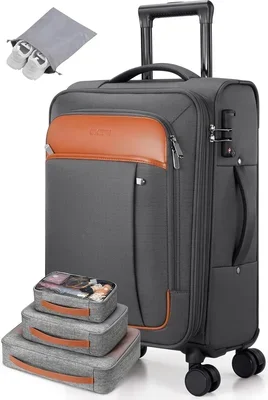
The first filter for any expandable soft carry on luggage is whether it meets the size limits of the airlines you fly most often. Most U.S. carriers allow a maximum of 22 × 14 × 9 inches including wheels and handles, while many European and Asian airlines are stricter, often capping at 21.5 × 13.5 × 7.5 inches. Look for a bag that lists its external dimensions in both inches and centimeters, and verify that the expanded depth still stays within the limit. A bag that expands by two inches may be perfect for a weekend trip but could force you to gate‑check on a tight‑fitting regional jet.
2. Fabric Durability and Denier Rating
Soft‑shell luggage relies on woven nylon or polyester. The denier (D) number tells you the thread thickness – higher denier generally means tougher fabric. For frequent flyers, 1200D ballistic nylon or 1680D polyester offers excellent abrasion resistance without adding much weight. If you travel light and rarely check bags, a 600D–800D fabric can save a pound or two while still handling normal wear. Also check for a water‑repellent coating (often labeled DWR) because a sudden rain shower at the tarmac can soak a non‑treated bag in minutes.
3. Expansion Mechanism and Zipper Quality
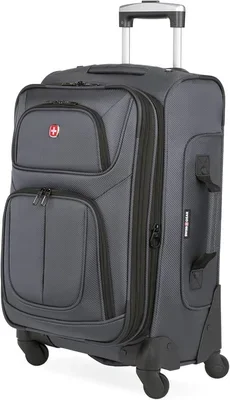
The expansion feature is the hallmark of this category. Most bags use a gusseted zipper that adds 1.5–2.5 inches of depth. Test the zipper pull – it should glide smoothly without catching on the fabric. YKK or SBS branded zippers are industry standards for reliability. A double‑track zipper with a lockable pull tab adds security and prevents the expansion from accidentally opening during handling. If the zipper feels flimsy in the store, it will likely fail after a few trips.
4. Wheel System and Maneuverability
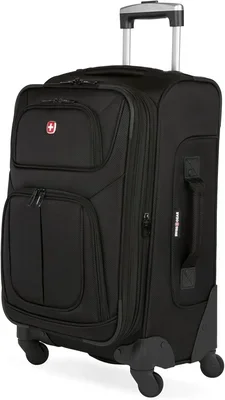
Four‑wheel spinner systems have become the norm because they let you push the bag beside you rather than tilt‑drag it. Look for wheels recessed into the chassis; this protects them from curb impacts and keeps the overall dimensions within airline limits. Polyurethane (PU) wheels roll quieter and handle carpet, tile, and cobblestones better than hard plastic. If you frequently navigate crowded terminals, test the bag’s 360° spin – a well‑balanced spinner should stay upright when you let go.
5. Handle Ergonomics and Locking Mechanism
A telescoping handle with multiple height stops accommodates travelers of different heights. Aluminum or reinforced fiberglass tubes resist bending better than plain steel. The grip should be contoured and padded; a hard plastic handle can cause hand fatigue on long walks. Integrated TSA‑approved combination locks are a nice bonus – they let security agents inspect the bag without cutting a lock, and they keep the expansion zipper secured when you’re not using the extra space.
6. Interior Organization and Compression
Inside, you want a layout that matches your packing style. A full‑size clamshell opening with a mesh divider on one side and a zippered pocket on the other is versatile. Compression straps (often elastic with a buckle) keep clothes from shifting and maximize the expanded volume. Some models add a removable toiletry pouch, a padded laptop sleeve (usually 15‑inch), or a dedicated shoe compartment. Think about what you carry daily – if you always bring a laptop, prioritize a padded sleeve that’s accessible without fully opening the bag.
7. Weight and Packability
Every ounce counts when you’re trying to stay under a 7‑kg (15‑lb) carry‑on weight limit. Modern soft‑shell bags range from 5.5 lb for ultra‑light models to 8.5 lb for heavily reinforced ones. If you pack heavy (books, camera gear), a lighter bag gives you more payload. Conversely, if you value durability over weight savings, a slightly heavier bag with reinforced corners and a robust frame may last years longer.
8. Warranty, Customer Support, and Repair Network
A solid warranty signals confidence. Many reputable brands offer a limited lifetime warranty covering defects in materials and workmanship. Check whether the warranty covers wheel replacement, zipper repair, and handle issues – the most common failure points. Also research the brand’s repair network: some companies have authorized service centers worldwide, while others require you to ship the bag back at your own expense. Good support can turn a broken wheel into a quick fix instead of a new purchase.
Different Types of Buying Guide

Common Buying Mistakes to Avoid
❌ Mistake: Ignoring Airline Size Limits
Why it’s bad: A bag that exceeds the carrier’s maximum dimensions will be gate‑checked, risking damage and adding time at baggage claim. Even a half‑inch overage can trigger a fee on budget airlines.
What to do instead: Measure the bag yourself (including wheels and handles) and compare to the most restrictive airline you fly. Choose a model that stays compliant even when fully expanded.
❌ Mistake: Choosing the Cheapest Option Without Checking Zipper Quality
Why it’s bad: Low‑cost bags often use generic zippers that snag, separate, or break after a few trips. A broken expansion zipper renders the extra space useless.
What to do instead: Look for YKK or SBS branded zippers, double‑track construction, and a lockable pull. Test the zipper in store – it should move freely without resistance.
❌ Mistake: Overlooking Wheel Recess Depth
Why it’s bad: Protruding wheels add to the external dimensions and are the first parts to crack when the bag is tossed into an overhead bin.
What to do instead: Select a bag with recessed or flush‑mounted spinner wheels. This protects the wheels and keeps the bag within size limits.
❌ Mistake: Assuming All Expandable Bags Expand Equally
Why it’s bad: Expansion depth varies from 1 inch to 2.5 inches. A 1‑inch gain may not justify the extra cost if you need significant extra capacity.
What to do instead: Check the manufacturer’s stated expansion measurement and read user reviews for real‑world feedback on how much extra volume you actually gain.
❌ Mistake: Neglecting Interior Organization Features
Why it’s bad: A cavernous interior without dividers leads to a jumbled mess, making it hard to find items quickly at security or during a layover.
What to do instead: Prioritize bags with a mesh divider, zippered pockets, compression straps, and a dedicated laptop or tablet sleeve if you carry electronics.
❌ Mistake: Skipping Warranty Research
Why it’s bad: Without a solid warranty, a broken handle or wheel means buying a new bag. Some brands only cover defects for one year.
What to do instead: Choose brands offering limited lifetime warranties that cover the most common failure points, and verify they have a repair network in your region.
❌ Mistake: Buying Based Solely on Brand Name
Why it’s bad: Prestige brands sometimes charge a premium for logo placement while using the same components as mid‑range competitors.
What to do instead: Compare specifications side‑by‑side – fabric denier, wheel type, zipper brand, weight – and read independent reviews before paying a brand premium.
Budget Guidelines: How Much Should You Spend?
Understanding price tiers helps you set realistic expectations and avoid over‑paying for features you don’t need.
Entry‑Level ($70 – $130)
At this level you’ll find basic 600D‑800D polyester bags with a single expansion zipper, two‑wheel inline skate wheels, and a simple telescoping handle. They’re fine for occasional leisure travelers who fly once or twice a year and pack light. Expect limited interior organization (maybe one mesh pocket) and a one‑year warranty. Weight typically sits around 6.5‑7.5 lb.
Mid‑Range ($150 – $250) – The Sweet Spot
This tier delivers 1200D‑1680D ballistic nylon or high‑tenacity polyester, four‑wheel spinners with recessed PU wheels, YKK zippers, TSA‑approved locks, and a well‑thought interior layout (mesh divider, compression straps, laptop sleeve). Most brands back these with a limited lifetime warranty. Weight ranges from 5.5‑6.5 lb. For the majority of business and frequent leisure travelers, this is the best balance of durability, features, and price.
Premium ($260 – $400)
Premium models add reinforced corners, water‑repellent coatings, self‑healing zippers, and sometimes a built‑in USB charging port (power bank not included). Handles may use carbon‑fiber tubes for extra stiffness. Interior organization becomes modular – removable packing cubes, dedicated shoe compartments, and RFID‑blocking pockets. Weight can drop below 5.5 lb thanks to advanced frame materials. Warranty often includes free wheel and handle replacement for the life of the bag.
Luxury ($400 and up)
Luxury soft‑shell carry‑ons focus on aesthetics and exclusivity: full‑grain leather trim, proprietary fabric blends, hand‑stitched details, and concierge repair services. While they still meet airline size rules, the performance gains over premium models are marginal. Buy these if brand heritage, design, and after‑sales pampering matter more than pure utility.
Expert Tips for Getting the Best Deal
- Shop Off‑Season: Major sales occur in January (post‑holiday clearance), May (spring travel prep), and September (back‑to‑school/fall travel). Retailers discount last‑season colors heavily.
- Compare Online and In‑Store Prices: Use price‑tracking tools (e.g., CamelCamelCamel, Honey) to see historic lows. Sometimes a brick‑and‑mortar store will match an online price if you ask.
- Leverage Loyalty Programs: Many luggage brands have email newsletters that give 10‑15 % off first purchase. Credit‑card travel portals (Chase Ultimate Rewards, Amex Membership Rewards) often include luggage merchants with bonus points.
- Check Return and Warranty Policies Before Buying: A 30‑day no‑questions‑asked return window lets you test the bag on a real trip. Ensure the warranty covers wheel and handle replacement without shipping fees.
- Consider Refurbished or Open‑Box Units: Manufacturer‑certified refurbished bags carry the same warranty at 20‑30 % off. Inspect for cosmetic blemishes only – functional components are usually like‑new.
- Bundle with Packing Cubes: Some retailers offer a discount when you buy a carry‑on plus a set of packing cubes. The cubes improve organization and protect the interior fabric from abrasion.
- Test the Spinner Wheels on Different Surfaces: In‑store, roll the bag on carpet, tile, and a rough mat. Smooth, quiet rotation on all surfaces indicates high‑quality bearings.
- Read Verified Purchase Reviews for Long‑Term Durability: Filter reviews by “verified purchase” and look for comments after 12+ months. Patterns of wheel cracking or zipper failure are red flags.

Frequently Asked Questions
Q: What does “expandable” mean on a carry‑on?
A: An expandable carry‑on has a gusseted zipper that lets you increase the bag’s depth, typically by 1.5‑2.5 inches, giving you extra packing volume when needed. When the zipper is closed, the bag meets standard size limits; when opened, it provides more space but may exceed airline limits, so use expansion judiciously.
Q: Are soft‑shell expandable carry‑ons more durable than hard‑shell ones?
A: Durability depends on materials, not just shell type. High‑denier ballistic nylon soft shells resist tears and abrasion very well and can absorb impacts without cracking. Hard shells (polycarbonate, ABS) protect contents from crushing but can crack on severe hits. For most travelers, a quality soft shell offers a better mix of flexibility, weight, and resilience.
Q: Can I use the expansion on every flight?
A: Only if the expanded dimensions still fit your airline’s carry‑on limits. Many airlines measure the bag at the gate; if it’s over the limit, they’ll require you to check it. Use expansion for trips where you know the carrier allows the larger size (e.g., domestic U.S. flights on major carriers) and compress it for stricter airlines.
Q: How do I clean a soft‑shell expandable carry‑on?
A: Spot‑clean with a mild detergent, warm water, and a soft brush. Avoid submerging the bag; water can seep into the frame and wheel bearings. For deeper cleaning, some manufacturers recommend a gentle hand wash of the removable interior liner only. Always air‑dry away from direct heat.
Q: Do expandable bags weigh more than non‑expandable ones?
A: The expansion mechanism adds a small amount of fabric and a zipper track, typically 0.2‑0.4 lb. The difference is negligible compared with the benefit of extra capacity when you need it.
Q: What’s the best way to pack an expandable carry‑on to maximize space?
A: Use packing cubes or compression bags to organize clothing, place heavier items (shoes, toiletries) at the bottom near the wheels, and fill gaps with socks or accessories. When you need the extra space, unzip the expansion gusset, pack the additional items, then compress with the internal straps before closing the main zipper.
Q: Are TSA‑approved locks necessary on a carry‑on?
A: They’re not mandatory, but they allow security agents to open and relock your bag without cutting a lock. If you travel internationally, a TSA lock is recognized in many countries. Many expandable bags now integrate a lockable zipper pull that works with a standard TSA combination lock.
Q: How long should a good expandable soft carry‑on last?
Q: Can I fit a 15‑inch laptop in an expandable carry‑on?
A: Most business‑oriented expandable carry‑ons include a padded laptop sleeve that fits up to 15.6 inches. Check the interior dimensions of the sleeve before buying; some ultra‑light models sacrifice the sleeve to save weight.
Q: Is it worth paying extra for a built‑in USB port?
Our Final Recommendations
- Best for Budget‑Conscious Buyers: Travelpro Maxlite 5 Expandable Carry‑On – 600D polyester, 2‑wheel inline, 1.5‑inch expansion, weighs 5.8 lb, lifetime warranty. Great for occasional flyers who want a reliable bag under $120.
- Best Overall Value: Samsonite Freeform Hardside Expandable (soft‑shell version) – 1200D ballistic nylon, four recessed spinner wheels, YKK zippers, TSA lock, 2‑inch expansion, 6.2 lb, limited lifetime warranty. Typically $180‑$210.
- Best Premium Option: Osprey Transporter Carry‑On 40L – 1680D nylon, self‑healing zippers, carbon‑fiber handle, modular interior with removable packing cubes, 2.5‑inch expansion, 5.4 lb, lifetime warranty with global repair network. Around $300.
- Best for Beginners: AmazonBasics Expandable Softside Carry‑On – Simple design, 800D polyester, 2‑wheel, 1.5‑inch expansion, 6.5 lb, 1‑year warranty. Under $90, perfect for first‑time buyers to learn what features matter.
- Best for Advanced Users: Tumi Alpha 3 Expandable Carry‑On – 1900D ballistic nylon, precision‑engineered spinners, integrated TSA lock, extensive interior organization (including RFID pocket), 2‑inch expansion, 5.9 lb, 5‑year warranty with complimentary monogramming. $500+.
Conclusion: Making the Right Choice
Selecting the perfect expandable soft carry on luggage comes down to matching the bag’s specifications to your travel habits. Start with the non‑negotiables – airline size compliance, a durable fabric denier, and a smooth, lockable expansion zipper. Then layer on the features that make your life easier: recessed spinner wheels for effortless navigation, a comfortable telescoping handle, and an interior layout that mirrors how you pack. Budget wisely – the mid‑range tier delivers the best cost‑per‑trip value for most people, while premium models pay off if you’re on the road weekly.
Remember to test the bag with a realistic load before the return window closes, and keep an eye on seasonal sales to snag a high‑quality piece at a discount. With the knowledge from this guide, you can walk into any luggage aisle or browse any website confident that you’ll spot the details that matter and avoid the common traps. Safe travels, and may your next carry‑on be the last one you ever need to buy.