Choosing the right expandable rolling luggage can feel like navigating a maze of zippers, wheels, and warranty fine print. Whether you are a weekend warrior hopping on a short flight or a seasoned globetrotter packing for a month‑long adventure, the suitcase you roll behind you becomes an extension of your travel style. This guide exists to cut through the marketing noise and give you a clear, practical framework for making a confident purchase.
In the next several sections you will learn the most important factors to weigh before you buy, the different categories of expandable rolling luggage on the market, common pitfalls that trap unwary shoppers, realistic budget expectations, expert timing and buying strategies, answers to the questions travelers ask most often, and finally our curated recommendations for every type of buyer. By the end you will have a personalized checklist that matches your travel habits, budget, and durability expectations.
The expandable luggage market has exploded in recent years, with brands ranging from heritage names like Samsonite and Travelpro to direct‑to‑consumer upstarts such as Away and Monos. Innovations in lightweight polycarbonate shells, spinner wheel technology, and modular compression systems mean you no longer have to choose between capacity and maneuverability. Understanding these advances — and knowing which ones actually matter for your trips — will save you money, frustration, and the dreaded “overweight baggage” fee at the check‑in counter.

What to Look for When Buying Expandable Rolling Luggage
1. Size and Capacity
Size is the first filter because airlines enforce strict linear‑inch limits for carry‑on and checked bags. A typical domestic carry‑on maxes out at 22 × 14 × 9 inches (including wheels and handles), while international carriers often shrink that to 21.5 × 13.5 × 7.5 inches. Expandable models add a zippered gusset that can increase depth by 1.5 to 2.5 inches, giving you 15‑25 % more volume when you need it. Measure your most frequent airline’s allowance, then pick a bag that fits comfortably in the non‑expanded state; the expansion should be a bonus, not a crutch.
2. Shell Material and Durability
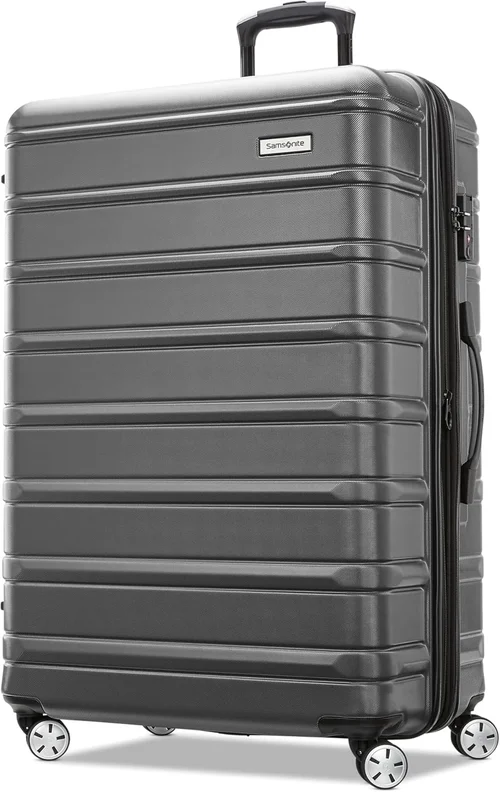
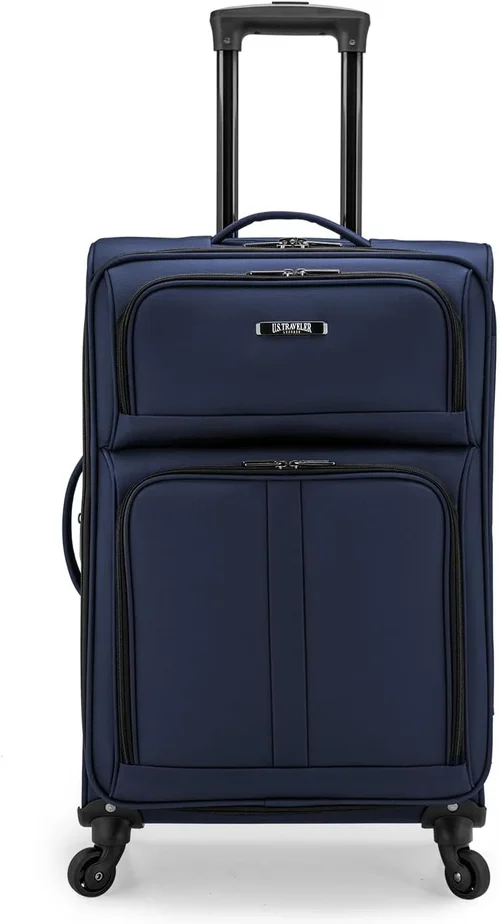
Hard‑shell luggage typically uses polycarbonate, ABS, or a polycarbonate/ABS blend. Polycarbonate is the gold standard: it flexes under impact instead of cracking, resists scratches, and keeps weight low. ABS is cheaper but more brittle; a blend offers a middle ground. Soft‑shell bags rely on ballistic nylon (typically 1680D) or high‑tenacity polyester. Look for reinforced corners, double‑stitched seams, and a water‑repellent coating. A durable shell protects both your belongings and the expansion mechanism from stress.
3. Wheel System and Maneuverability
Four‑wheel spinners dominate the market because they glide in any direction, reducing wrist strain. Wheel quality varies: look for sealed ball‑bearing hubs, polyurethane tread (quieter and more durable than plain plastic), and a wide stance for stability. Two‑wheel “roller” bags are still favored by some for rough terrain — think cobblestones or gravel — because the larger wheels roll over obstacles more easily. Test the bag in‑store if possible; a smooth, silent spin on a polished floor translates to easier airport navigation.
4. Expansion Mechanism and Zipper Quality
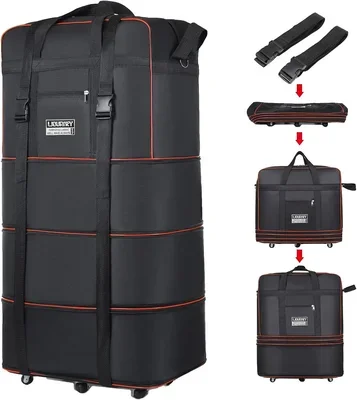
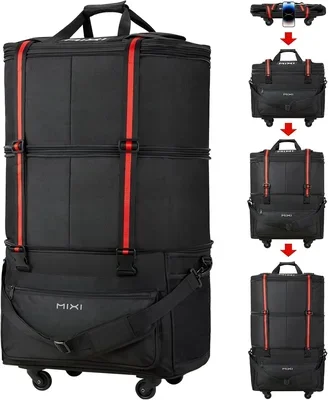
The expansion gusset is only as good as its zipper. YKK or equivalent brand zippers with large, interlocking teeth resist snagging and distribute tension evenly. A dual‑track zipper (one track for the main compartment, one for the expansion) prevents the main compartment from bursting open when the bag is fully expanded. Some premium models add a compression strap inside the expansion panel to keep contents from shifting when the bag is compressed back down.
5. Handle System and Ergonomics
Telescoping handles should lock at multiple heights (usually three) to accommodate different user heights. Aluminum or reinforced fiberglass tubes resist bending. The grip material matters: rubberized or contoured foam reduces hand fatigue on long walks. A top carry handle and a side handle are essential for lifting the bag into overhead bins or car trunks. Check that the handle retracts smoothly without sticking — a jammed handle is a common travel headache.
6. Interior Organization and Compression
Inside, look for a full‑length divider panel, mesh zippered pockets, and adjustable compression straps. A removable laundry or shoe bag adds versatility. Some expandable bags include a built‑in suiter or garment folder, which is valuable for business travelers. The layout should let you pack flat items (clothes) on one side and bulky items (shoes, toiletries) on the other, maximizing the extra volume when expanded.
7. Weight and Airline Weight Limits
Every pound of luggage weight eats into your baggage allowance. Modern carry‑ons range from 5.5 lb (ultra‑light polycarbonate) to 9 lb (feature‑rich soft‑shell). Checked bags can be heavier, but many airlines cap checked weight at 50 lb (23 kg). A lightweight shell lets you pack more without hitting the limit. Remember that the expansion gusset adds a few ounces; factor that into your total.
8. Warranty, Repairability, and Brand Support
A solid warranty signals confidence. Look for at least a 5‑year limited warranty covering wheels, handles, and zippers. Some brands (e.g., Travelpro, Briggs & Riley) offer lifetime warranties with free repair services. Check whether replacement parts are sold separately — being able to swap a worn wheel or a broken zipper pull extends the bag’s life far beyond the warranty period.
Different Types of Expandable Rolling Luggage

Common Buying Mistakes to Avoid
❌ Mistake: Ignoring Airline Size Restrictions
Why it’s bad: A bag that exceeds carry‑on dimensions will be gate‑checked, often incurring fees and risking damage.
What to do instead: Verify the exact linear‑inch limits for your most used airlines and choose a model that complies in its non‑expanded state.
❌ Mistake: Prioritizing Looks Over Wheel Quality
Why it’s bad: Cheap plastic wheels crack on rough pavement, leaving you dragging a dead bag.
What to do instead: Insist on sealed ball‑bearing spinners with polyurethane tread; test roll the bag before buying.
❌ Mistake: Over‑Expanding and Over‑Packing
Why it’s bad: An overstuffed expansion strains zippers, seams, and the frame, leading to premature failure.
What to do instead: Use the expansion only when truly needed; pack a compression cube to keep contents tight.
❌ Mistake: Skipping Warranty Registration
Why it’s bad: Many lifetime warranties require online registration within 30 days; missing it voids coverage.
What to do instead: Register the product immediately after purchase and keep the receipt.
❌ Mistake: Buying the Lightest Bag Without Checking Durability
Why it’s bad: Ultra‑light shells can be too thin, cracking under normal handling.
What to do instead: Balance weight with material thickness; a 6.5 lb polycarbonate carry‑on often outlasts a 5 lb “featherweight” model.
❌ Mistake: Forgetting About Interior Organization
Why it’s bad: A cavernous interior without dividers becomes a chaotic mess, making it hard to find items quickly.
What to do instead: Choose a bag with a full divider, mesh pockets, and compression straps, or add packing cubes.
Budget Guidelines: How Much Should You Spend?
Entry‑Level ($80 – $150)
At this tier you’ll find mostly ABS hard‑shells or basic polyester soft‑shells. Expect two‑wheel rollers, simple zipper expansion, and a 1‑year limited warranty. They work for occasional leisure trips but may show wear on wheels and handles after a few heavy uses. Good for a first suitcase or a backup bag.
Mid‑Range ($150 – $300)
This is the sweet spot for most travelers. Polycarbonate or high‑denier ballistic nylon, four‑wheel spinners, YKK zippers, multi‑stage telescoping handles, and 3‑5 year warranties are standard. Brands like Travelpro, Samsonite, and Delsey dominate here. You get a balance of weight, durability, and organization that handles weekly business travel or family vacations.
Premium ($300 – $500)
Premium bags add features such as integrated TSA‑approved locks, USB charging ports (power bank not included), modular interior panels, and lifetime warranties with free repair services. Materials shift to high‑grade polycarbonate (often Makrolon) or 1680D ballistic nylon with water‑repellent coatings. Wheels are often oversized, whisper‑quiet, and replaceable. Ideal for road warriors who log 50+ flights a year.
Luxury ($500 +)
Luxury lines (e.g., Rimowa, Tumi, Briggs & Riley) focus on craftsmanship, brand prestige, and bespoke services. Expect hand‑stitched leather accents, magnesium frames, customizable monogramming, and a global repair network that can service your bag in major cities worldwide. The performance gains over premium are marginal; you’re paying for heritage, aesthetics, and concierge‑level support.
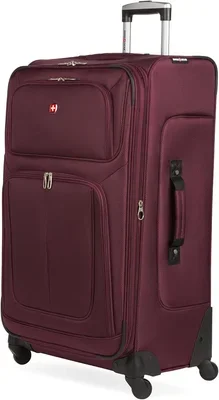
Expert Tips for Getting the Best Deal
- Shop Off‑Season: Major sales occur in January (post‑holiday clearance), May (pre‑summer), and September (back‑to‑school). Retailers clear inventory for new models, offering 20‑40 % discounts.
- Sign Up for Brand Newsletters: Many direct‑to‑consumer brands send a 10‑15 % welcome coupon plus early‑access to flash sales.
- Check Authorized Refurbished Programs: Brands like Travelpro and Samsonite sell certified refurbished units with full warranties at 30‑50 % off retail.
- Use Price‑Tracking Tools: Browser extensions (Honey, CamelCamelCamel) alert you when a specific model drops below your target price.
- Leverage Credit‑Card Travel Perks: Some premium cards offer statement credits for luggage purchases or extended warranty coverage beyond the manufacturer’s.
- Test In‑Store, Buy Online: Visit a luggage store to feel the handle, spin the wheels, and assess expansion smoothness, then purchase the exact SKU online for a lower price.
- Read the Return Policy Fine Print: Ensure you can return a used bag within 30‑60 days if it doesn’t fit your overhead bin or feels too heavy.

Frequently Asked Questions
Q: Can I use the expansion on a carry‑on and still fit in the overhead bin?
A: Only if the airline’s overhead bin depth accommodates the expanded dimensions. Most U.S. domestic bins are 22 inches deep, so a 22‑inch carry‑on expanded by 2 inches will not fit. Use expansion only when you plan to check the bag or when you know the aircraft has larger bins (e.g., wide‑body jets).
Q: How do I clean a polycarbonate hard‑shell?
A: Wipe with a damp microfiber cloth and mild soap. Avoid abrasive cleaners or solvents that can dull the finish. For scuffs, a small amount of automotive polishing compound restores shine.
Q: Are spinner wheels better than inline wheels for cobblestone streets?
A: Inline (two‑wheel) bags with larger diameter wheels (3‑4 inches) roll over gaps more smoothly. Spinners excel on smooth airport floors but can get stuck in deep grooves. If your travel includes historic European cities, consider a hybrid: a spinner with a “wheel lock” that converts to a two‑wheel pull.
Q: What does “lifetime warranty” actually cover?
A: Typically it covers defects in materials and workmanship for the functional components (wheels, handles, zippers, frame). It usually excludes cosmetic damage, airline mishandling, and normal wear‑and‑tear. Always read the warranty booklet; some require you to ship the bag to a service center at your own cost.
Q: Can I replace a broken wheel myself?
A: Many mid‑range and premium bags use screw‑on wheel housings. Replacement wheels are sold by the manufacturer or third‑party sellers. You’ll need a Phillips screwdriver and sometimes a hex key. Check the brand’s website for part numbers before attempting.
Q: Is a built‑in TSA lock worth it?
A: Built‑in locks are convenient because you can’t lose them, but they add a few ounces and can be forced open by security agents. A separate TSA‑approved padlock gives you the same security and can be used on other bags.
Q: How much does the expansion gusset add to the bag’s weight?
A: Typically 0.3‑0.6 lb (150‑270 g). The extra fabric, zipper, and reinforcement are minimal, but they do add up if you’re counting every ounce for a strict weight limit.
Q: Should I buy a matching luggage set or mix and match?
A: Sets ensure aesthetic consistency and often cost less per piece. However, mixing lets you pick the best carry‑on for your needs and a separate checked bag optimized for capacity. If you travel solo most of the time, a single high‑quality carry‑on plus a duffel for overflow is often more practical.
Our Final Recommendations
- Best for Budget‑Conscious Buyers: Amazon Basics 21‑Inch Hardside Spinner — Polycarbonate/ABS shell, four double‑spinner wheels, 1‑year warranty, under $100. Good for occasional trips.
- Best Overall Value: Travelpro Platinum Elite 22‑Inch Expandable Carry‑On — 1680D ballistic nylon, MagnaTrac spinner wheels, PrecisionGlide handle, lifetime warranty with free repairs. Priced around $250.
- Best Premium Option: Samsonite Freeform 21‑Inch Hardside Expandable — 100 % polycarbonate, recessed TSA lock, 10‑year limited warranty, ultra‑light at 6.5 lb. Around $280.
- Best for Beginners: Delsey Paris Chatelet 21‑Inch Carry‑On — Elegant design, brake‑equipped spinner wheels, built‑in TSA lock, 10‑year warranty. Easy to maneuver, ~ $230.
- Best for Advanced Users / Road Warriors: Briggs & Riley Baseline Domestic Carry‑On Expandable — Ballistic nylon, CX expansion system (adds 34 % capacity), lifetime “Simple as That” warranty with free global repair. Investment at $550 but virtually indestructible.
Conclusion: Making the Right Choice
Expanding your packing capacity shouldn’t mean expanding your stress. By prioritizing size compliance, wheel quality, zipper durability, and a warranty that matches your travel frequency, you can narrow the field to a handful of models that truly serve you. Remember that the “best” bag is the one that fits your specific airline routes, packing style, and budget — not the one with the most marketing buzz.
Use the checklist from the Key Factors section as a shopping companion: write down your must‑haves, note the price tier you’re comfortable with, and test the handle and wheels whenever possible. With the expert timing tips, you can often snag a premium‑grade suitcase at a mid‑range price.
Now that you’re armed with knowledge, go ahead and pick the expandable rolling luggage that will roll smoothly beside you on every adventure. Safe travels, and may your overhead bin always have space!