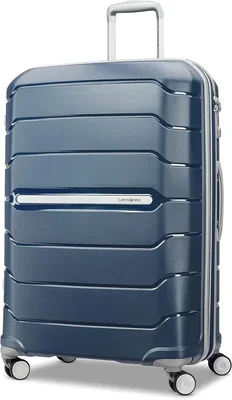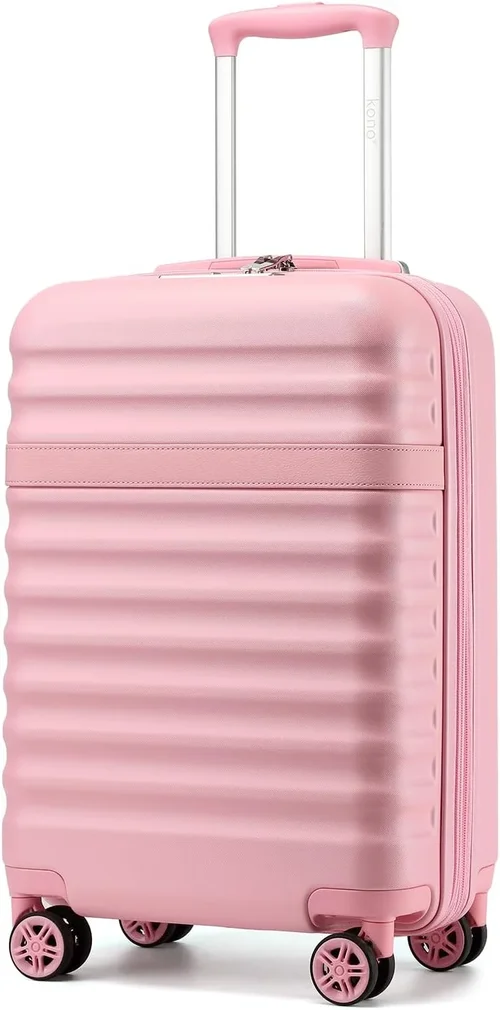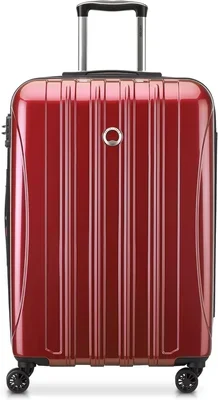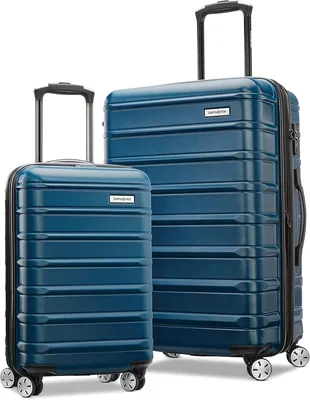
Choosing the right expandable luggage piece can feel like navigating a maze of zippers, wheels, and marketing buzzwords. Whether you’re a weekend warrior hopping on a short flight or a globe‑trotter packing for a month‑long adventure, the ability to add extra space on demand is a game‑changer. This guide walks you through every critical decision point — from frame material to warranty fine print — so you can buy with confidence and avoid the common pitfalls that turn a dream trip into a luggage nightmare.
In the next sections you’ll learn what to prioritize first, how to decode technical specs in plain language, and where the sweet spot lies between budget‑friendly and premium models. We’ll also compare the main categories of expandable luggage, highlight mistakes that cost travelers money, and give you a clear budget breakdown so you know exactly what to expect at each price tier. By the end, you’ll have a personalized checklist and expert tips that make the purchasing process feel less like a chore and more like an upgrade to your travel routine.

What to Look for When Buying Buying Guide
1. Size and Capacity Flexibility
Expandable luggage is defined by its ability to grow, but not all expansion mechanisms are created equal. Look for a zippered gusset that adds at least 1.5 to 2 inches of depth across the entire main compartment. Some models only expand the front pocket, which limits real packing volume. Measure the interior dimensions in both the collapsed and expanded states; a 22‑inch carry‑on that expands to 24 inches can accommodate an extra pair of shoes or a bulky jacket without forcing you to check a bag. Remember that airlines still enforce maximum linear dimensions, so verify that the expanded size stays within your carrier’s limits.
2. Frame Material and Construction
The skeleton of your bag determines durability, weight, and how well it protects contents. Polycarbonate shells are lightweight, impact‑resistant, and flex under pressure — ideal for frequent flyers. Aluminum frames offer superior rigidity and a premium feel but add 2‑3 pounds. Ballistic nylon or Cordura soft‑side fabrics provide abrasion resistance and a bit of give, making them easier to squeeze into tight overhead bins. Check for reinforced corners, double‑stitched seams, and a molded bottom panel; these details prevent the bag from sagging when fully expanded.
3. Wheel System and Maneuverability
Four‑wheel spinner systems let you glide the bag beside you, reducing wrist strain. Look for precision‑ball‑bearing wheels made from polyurethane rather than cheap plastic; they roll silently on tile, carpet, and cobblestones. Two‑wheel inline designs are lighter and often more durable on rough terrain but require tilting. Test the wheel housing for wobble — grab the bag by the handle and give it a gentle shake; any play indicates a weak axle that will fail under a heavy load.
4. Handle Ergonomics and Telescoping Mechanism
A telescoping handle should lock at multiple heights (usually three) and retract smoothly without sticking. Aluminum or carbon‑fiber tubes resist bending, while plastic tubes can crack in cold weather. The grip material matters too: rubberized or contoured foam reduces hand fatigue during long walks through terminals. Some premium models add a secondary top carry handle with a padded grip for quick lifts into overhead bins.
5. Interior Organization and Compression
Smart interior layouts turn a cavernous space into an organized system. Look for a full‑length mesh divider, zippered mesh pockets on the lid, and adjustable compression straps that cinch down clothing to minimize wrinkles. A removable wet/dry pocket isolates toiletries or damp swimwear. Some brands include a built‑in packing cube system that slides into the expansion gusset, giving you modular organization without extra accessories.
6. Security Features
TSA‑approved combination locks are standard, but the lock’s integration matters. A recessed lock housing protects the mechanism from impact and prevents the lock from snagging on conveyor belts. Anti‑theft zippers with lockable pull tabs add a layer of deterrence. For high‑value items, consider a bag with a built‑in RFID‑blocking pocket for passports and credit cards.
7. Warranty, Repair Network, and Brand Reputation
A lifetime warranty sounds impressive, but read the fine print: does it cover wheel replacement, handle failure, or only manufacturing defects? Brands with authorized repair centers in major airports (e.g., Travelpro, Samsonite, Rimowa) let you get a wheel swapped on the spot instead of mailing the bag away. Check online reviews for real‑world warranty experiences — frequent “denied claim” stories are a red flag.
8. Weight vs. Capacity Trade‑off
Every ounce counts when you’re trying to stay under a 50‑pound checked‑bag limit. Ultra‑light polycarbonate shells can weigh as little as 6.5 lb for a 27‑inch checked size, while aluminum models often exceed 10 lb. Weigh the empty bag before you buy; a heavier bag eats into your packing allowance. If you routinely pack to the limit, prioritize a lighter shell even if it means sacrificing a bit of rigidity.
Different Types of Buying Guide

Common Buying Mistakes to Avoid
❌ Mistake: Ignoring Airline Size Restrictions
Why it’s bad: An expandable bag that exceeds the carrier’s maximum linear inches when fully unzipped forces you to check it at the gate, often incurring a hefty fee. What to do instead: Measure the bag’s expanded dimensions (height + width + depth) and compare them to the strictest airline you fly. Choose a model that stays within limits even at full expansion.
❌ Mistake: Prioritizing Looks Over Wheel Quality
Why it’s bad: Sleek designer wheels often use cheap plastic bearings that seize after a few trips, leaving you dragging a heavy case. What to do instead: Spin the wheels in‑store; they should rotate freely for several seconds. Look for sealed ball bearings and polyurethane tread.
❌ Mistake: Overlooking the Expansion Zipper Durability
Why it’s bad: A flimsy zipper can split under the stress of a packed gusset, rendering the expansion useless. What to do instead: Choose YKK or equivalent brand zippers with large, interlocking teeth. Test the zipper by opening and closing the expansion panel repeatedly; it should glide without catching.
❌ Mistake: Buying the Lightest Bag Without Checking Frame Strength
Why it’s bad: Ultra‑light shells may crack under the pressure of a fully packed expansion, especially if dropped. What to do instead: Look for a balance: a polycarbonate shell with a reinforced corner radius and a minimum 3 mm thickness.
❌ Mistake: Skipping Warranty Registration
Why it’s bad: Many brands require online registration within 30 days to activate the full warranty. Missing this window leaves you with only a limited “manufacturing defect” coverage. What to do instead: Register the product immediately after purchase and keep the receipt and serial number photo in your cloud storage.
❌ Mistake: Assuming All Expandable Bags Expand Equally
Why it’s bad: Some models only expand the front pocket, adding negligible volume. What to do instead: Verify that the expansion gusset runs the full perimeter of the main compartment. Ask the retailer for the expanded capacity in liters.
❌ Mistake: Neglecting Handle Height Options
Why it’s bad: A handle that locks only at one height forces taller travelers to hunch, causing back strain. What to do instead: Choose a telescoping handle with at least three lock positions and a comfortable grip width.
Budget Guidelines: How Much Should You Spend?
Understanding price tiers helps you set realistic expectations and avoid over‑paying for features you’ll never use.
Entry‑Level ($70 – $130)
At this level you’ll find mostly softside expandable carry‑ons and basic hardside spinners. Expect polycarbonate shells around 2 mm thick, two‑wheel inline systems, and a single‑stage telescoping handle. Expansion typically adds 1‑1.5 inches. Warranty is usually 2‑3 years limited. These bags are perfect for occasional vacationers who fly once or twice a year and don’t need premium durability.
Mid‑Range ($130 – $300)
This is the sweet spot for most travelers. You get 3‑mm polycarbonate or ballistic nylon, four‑wheel spinner with sealed bearings, multi‑stage aluminum handles, full‑perimeter expansion gussets (1.5‑2 inches), and TSA‑approved locks integrated into the frame. Brands like Travelpro Platinum Elite, Samsonite Freeform, and Delsey Chatelet dominate here. Warranties extend to 5‑10 years with repair networks in major airports.
Premium ($300 – $600)
Premium models add carbon‑fiber reinforced corners, magnetic compression straps, removable packing cubes, and RFID‑blocking pockets. Wheels are often oversized (3.5‑inch) for smoother roll on uneven pavement. Handles feature ergonomic grips with memory‑foam. Brands such as Briggs & Riley, Tumi, and Victorinox Spectra offer lifetime warranties that cover even accidental damage. These bags suit frequent business travelers and families who check luggage regularly.
Luxury ($600 +)
Luxury expandable luggage leans heavily on aluminum or magnesium alloy frames, hand‑stitched leather accents, and bespoke customization (monograms, color combos). The expansion mechanism is often a hidden, patented system that adds up to 3 inches without compromising structural integrity. Service includes complimentary wheel and handle replacement at any flagship store worldwide. Think Rimowa Original Cabin, Globe‑Trotter, or Louis Vuitton Horizon. Purchase only if the brand experience and resale value matter to you.
Expert Tips for Getting the Best Deal
- Shop Off‑Season: Major retailers discount luggage in January (post‑holiday) and September (back‑to‑school). You can snag a $250 mid‑range bag for under $180.
- Use Price‑Tracking Tools: Browser extensions like Honey or CamelCamelCamel alert you when a specific model drops below your target price.
- Check Manufacturer Refurbished Programs: Brands such as Briggs & Riley and Tumi sell factory‑refreshed units with full warranty at 30‑40 % off.
- Bundle with Packing Cubes: Some retailers offer a free set of compression cubes when you buy a suitcase — essentially a $30‑$40 value.
- Leverage Credit‑Card Purchase Protection: Many premium cards extend the manufacturer warranty by an extra year and cover theft or damage for the first 90 days.
- Test In‑Store, Buy Online: Feel the wheel spin, handle lock, and expansion zipper in person, then order the exact SKU online where prices are often lower.
- Read the Return Policy: A 30‑day no‑questions‑asked return lets you trial the bag on a real trip; if it doesn’t fit your workflow, send it back.
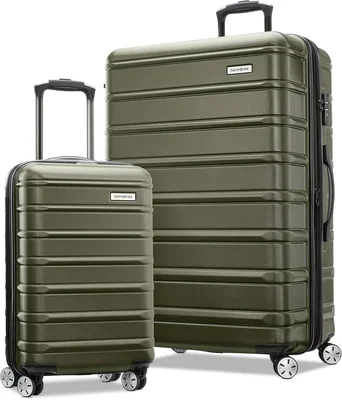
- Consider a Two‑Piece Set: A matching carry‑on and checked bag often costs less than buying each separately and ensures consistent wheel/handle feel.

Frequently Asked Questions
Q: How much extra space does a typical expandable luggage piece add?
A: Most quality expandable bags add 1.5 to 2 inches of depth across the entire main compartment, translating to roughly 15‑25 % more volume (about 5‑10 liters on a 22‑inch carry‑on).
Q: Can I use an expanded carry‑on on a budget airline?
A: Only if the expanded dimensions stay within the airline’s maximum cabin size. Many budget carriers (e.g., Spirit, Frontier) enforce strict limits; measure your bag fully expanded before you fly.
Q: Are hardside expandable bags less durable than softside?
A: Not necessarily. Modern polycarbonate shells absorb impact by flexing, while softside fabrics can tear at stress points. Durability depends more on construction quality (corner reinforcement, zipper grade) than material alone.
Q: What’s the difference between a spinner and an inline wheel system?
A: Spinners have four 360° wheels allowing upright rolling; inlines have two fixed wheels requiring you to tilt the bag. Spinners reduce wrist strain but can be slightly heavier.
Q: Do I need a TSA lock if my bag has a built‑in combination lock?
A: Yes. TSA agents have master keys for approved locks; non‑TSA locks may be cut off during inspection. Ensure the lock bears the red diamond TSA symbol.
Q: How do I clean a polycarbonate shell?
A: Wipe with a damp microfiber cloth and mild soap. Avoid abrasive cleaners or solvents that can dull the finish. For scuffs, a small amount of automotive polishing compound restores shine.
Q: Is a lifetime warranty truly “lifetime”?
A: Most “lifetime” warranties cover the product’s expected usable life (often 10‑15 years) and exclude wear‑and‑tear items like wheels and handles unless a premium brand explicitly includes them.
Q: Can I replace wheels myself?
A: Many mid‑range and premium bags use screw‑on wheel assemblies that a handy traveler can swap with a Phillips screwdriver. Check the manufacturer’s parts catalog before attempting.
Q: What’s the best way to pack an expandable bag to avoid wrinkles?
A: Use the compression straps to cinch clothing flat, place heavier items (shoes, toiletries) at the bottom near the wheels, and pack delicate fabrics in the mesh lid pocket or a dedicated garment folder.
Q: Are there expandable luggage options for kids?
A: Yes. Brands like Trunki and Skip Hop make 18‑inch expandable spinners with fun designs, lightweight frames, and child‑friendly handles.
Our Final Recommendations
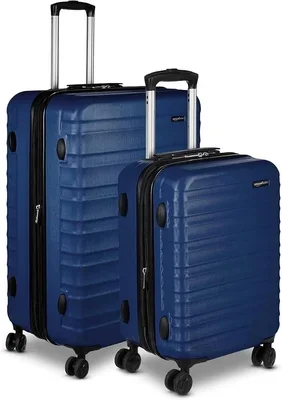
- Best for Budget‑Conscious Buyers: Amazon Basics 21‑Inch Hardside Spinner – solid polycarbonate, 1.5‑inch expansion, 3‑year limited warranty, under $100.
- Best Overall Value: Travelpro Platinum Elite 22‑Inch Expandable Spinner – 3‑mm polycarbonate, MagnaTrac spinner wheels, precision‑glide handle, 10‑year warranty, around $230.
- Best Premium Option: Briggs & Riley Baseline Domestic Carry‑On Expandable – ballistic nylon, CX expansion system (adds 2 inches), lifetime warranty covering even airline damage, approx. $425.
- Best for Beginners: Samsonite Freeform 21‑Inch Spinner – intuitive packing layout, lightweight, easy‑to‑use expansion zipper, 10‑year warranty, ~$180.
- Best for Advanced Users: Rimowa Original Cabin Plus – aluminum‑magnesium alloy, patented flex‑expansion, silent multi‑wheel system, global service network, $1,200+.
Conclusion: Making the Right Choice
You’ve now walked through every pivotal factor — size flexibility, frame material, wheel engineering, handle ergonomics, interior organization, security, warranty coverage, and weight balance. You’ve seen how the market splits into distinct categories, each with a clear “best‑for” profile, and you’ve learned the seven most common buying mistakes that cost travelers time, money, and peace of mind. The budget breakdown gives you a realistic price‑to‑performance map, while the expert tips arm you with practical strategies to snag a high‑quality bag without overpaying.
Remember, the perfect expandable luggage piece isn’t the one with the most features; it’s the one that aligns with your travel rhythm, packing habits, and budget. Prioritize the factors that matter most to you — whether that’s ultra‑light weight for carry‑only trips, a bomb‑proof aluminum shell for checked baggage, or a hybrid that does both. Use the checklist you’ve built from this guide, test a couple of candidates in person if you can, and don’t hesitate to leverage sales cycles and refurbished programs.
Your next adventure deserves a reliable companion that grows with you. Choose wisely, pack smart, and enjoy the freedom that a well‑designed expandable suitcase brings. Safe travels!