Traveling across Europe often means hopping between cobblestone streets, high‑speed trains, and compact overhead bins. An expandable suitcase gives you the flexibility to pack light for a weekend in Paris and still have room for souvenirs from a week in Rome. This guide walks you through every decision point so you can choose a bag that survives rough handling, meets airline size limits, and keeps your belongings organized without breaking the bank.
You will learn which materials and wheel systems handle European terrain best, how to read capacity numbers, what warranty terms actually protect you, and when to splurge versus when a budget model does the job. By the end you’ll have a clear checklist you can take to the store or keep open while you shop online.

What to Look for When Buying Expandable Luggage
1. Size and Airline Compatibility
European carriers enforce strict carry‑on dimensions, often 55 × 35 × 25 cm (21.5 × 13.5 × 10 in) including wheels and handles. Measure the exterior of any bag you consider, not just the interior volume. A suitcase that expands to 30 L may still fit in the overhead bin when compressed, but the expanded profile can exceed limits. Look for models that list both “compressed” and “expanded” dimensions on the spec sheet.
2. Weight
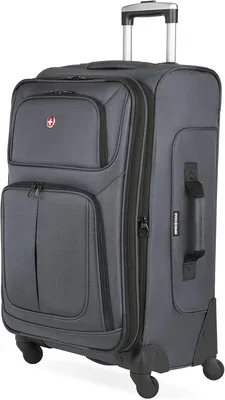
Every kilogram counts when you’re lifting a bag onto a train rack or into a low‑cost airline’s sizer. Modern polycarbonate shells weigh 2.5–3.5 kg for a 55 cm case, while ballistic nylon soft‑siders can be under 2 kg. Aim for the lightest bag that still meets your durability needs; a 0.5 kg difference adds up over multiple trips.
3. Material and Build Quality
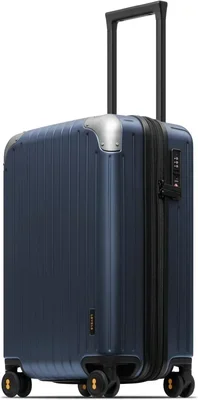
Hard‑shell cases use polycarbonate, ABS, or a blend. Polycarbonate flexes on impact and resists cracking, making it the top choice for frequent flyers. ABS is cheaper but more brittle. Soft‑sided luggage relies on high‑denier nylon (1000D–1680D) or polyester with a water‑repellent coating. Reinforced corners, double‑stitched seams, and molded corner guards are tell‑tale signs of a bag built for European cobblestones.
4. Wheel System
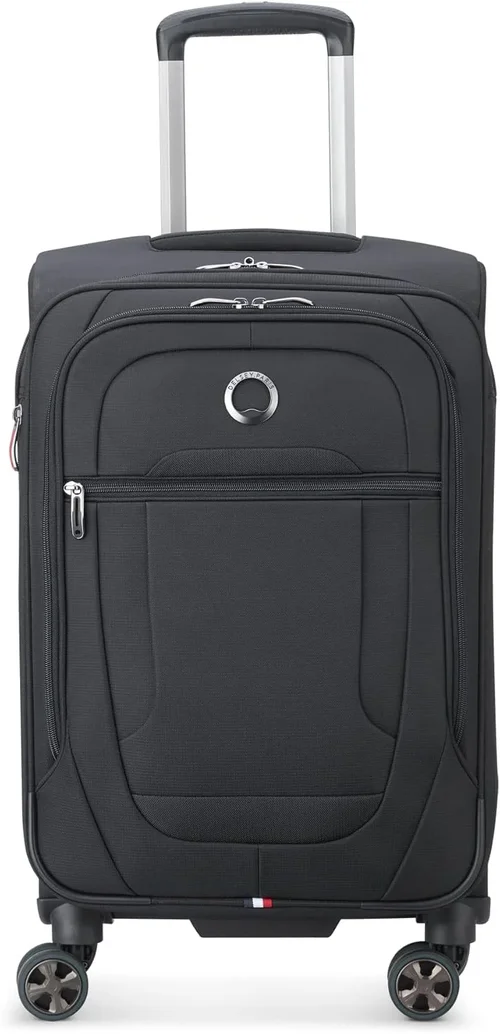
Four spinner wheels (360° rotation) let you glide beside you on smooth airport floors, but they can snag on uneven pavement. Two large inline wheels roll better over tram tracks and gravel. Hybrid designs combine two fixed wheels with two swivel casters for a compromise. Test the wheel bearings – they should spin freely without wobble.
5. Handle Ergonomics
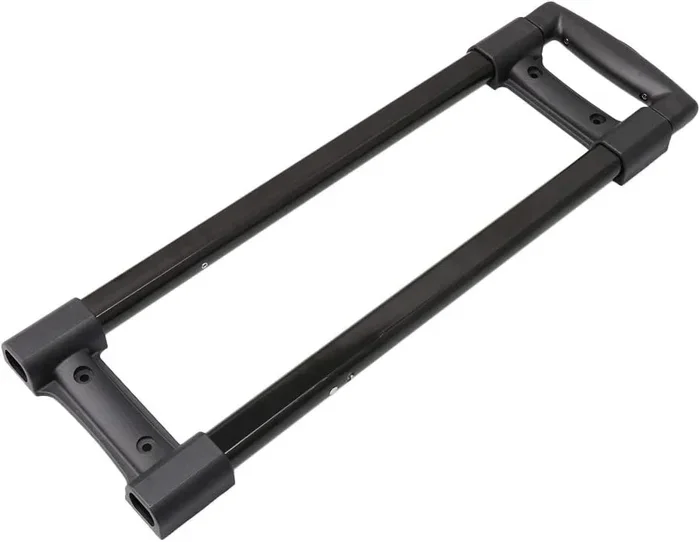
A telescoping handle with multiple lock positions accommodates different heights. Look for an aluminum or reinforced polymer tube that doesn’t flex when you pull a fully loaded bag. A comfortable grip (rubberized or contoured) reduces wrist strain during long walks through terminals.
6. Expansion Mechanism
Most expandable bags add 2–5 cm of depth via a zippered gusset. YKK or equivalent branded zippers with large teeth resist snagging. Some premium models use a “hidden” expansion panel that maintains a sleek profile when not in use. Verify that the expanded volume still respects your airline’s maximum linear dimensions.
7. Interior Organization
Divided compartments, compression straps, and a removable laundry bag keep clothes neat and prevent shifting. Mesh pockets on the lid are handy for documents or electronics. A built‑in TSA‑approved lock adds security without the need for a separate padlock.
8. Warranty and Customer Support
Lifetime limited warranties often cover defects in materials and workmanship but exclude airline damage. Brands with European service centers (e.g., Samsonite, Rimowa, Travelpro) can repair or replace wheels and handles locally, saving you shipping time and cost.
Different Types of Expandable Luggage

Common Buying Mistakes to Avoid
❌ Mistake: Ignoring Airline Size Limits
Why it’s bad: A bag that looks perfect in the store may be rejected at the gate, forcing you to check it and pay fees.
What to do instead: Verify the exact maximum dimensions for every carrier you fly with, including low‑cost airlines, and choose a model that fits the strictest limit.
❌ Mistake: Choosing the Lightest Bag Without Checking Durability
Why it’s bad: Ultra‑light fabrics can tear on rough conveyor belts or when dragged over cobblestones.
What to do instead: Look for a balance – a 2.5 kg polycarbonate shell often outlasts a 1.8 kg nylon bag that lacks reinforced corners.
❌ Mistake: Overlooking Wheel Quality
Why it’s bad: Cheap plastic wheels seize after a few trips, turning a smooth roll into a drag.
What to do instead: Spin the wheels in‑store; they should rotate silently for several seconds. Prefer sealed ball bearings over plain bushings.
❌ Mistake: Buying Based Solely on Brand Name
Why it’s bad: Even reputable brands produce entry‑level lines that cut corners on zippers and handles.
What to do instead: Read model‑specific reviews, focusing on the exact SKU you plan to purchase.
❌ Mistake: Skipping the Expansion Test
Why it’s bad: Some gussets add bulk but not usable space because the zipper pulls the fabric tight.
What to do instead: Open the expansion zipper fully, pack a few items, and confirm the bag still closes flat and meets size limits.
❌ Mistake: Neglecting Warranty Details
Why it’s bad: A “lifetime” warranty that excludes airline damage leaves you unprotected for the most common mishaps.
What to do instead: Choose brands with European repair centers and clear coverage for wheels, handles, and zippers.
Budget Guidelines: How Much Should You Spend?
Entry‑Level (€50‑€120)
Expect ABS hard shells or basic polyester soft‑siders. Wheels are usually two‑wheel inline with plastic bearings. Zippers may be generic. Good for a single annual vacation; plan to replace after 2‑3 years.
Mid‑Range (€120‑€300)
Polycarbonate or high‑denier nylon, four spinner wheels with sealed bearings, YKK zippers, TSA lock, and a 5‑year limited warranty. This tier hits the sweet spot for most European travelers who fly 3‑5 times a year.
Premium (€300‑€600)
Advanced polycarbonate blends, magnesium or aluminum handle tubes, self‑healing zippers, integrated USB ports, and often a lifetime warranty with European service centers. Ideal for business travelers who need reliability and quick repairs.
Luxury (€600+)
Full aluminum or carbon‑fiber frames, hand‑stitched leather accents, bespoke interior layouts, and concierge‑level repair service. Buyers pay for prestige and heirloom‑grade longevity.
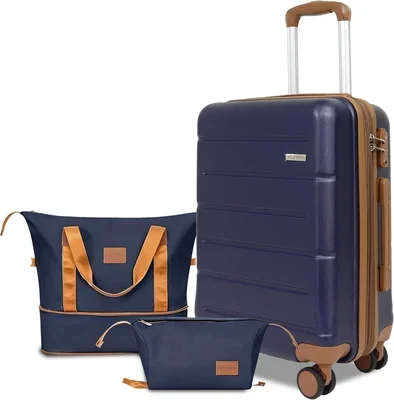
Expert Tips for Getting the Best Deal
- Shop off‑season: January‑February and September‑October see clearance on previous‑year models.
- Compare online and in‑store: Use a price‑tracking tool, but visit a store to feel the handle and test wheels.
- Look for bundle offers: Some retailers include a packing cube set or a travel‑size toiletry kit at no extra cost.
- Check credit‑card perks: Certain cards extend warranty coverage or provide purchase protection for luggage.
- Read return policies: A 30‑day no‑questions return lets you test the bag on a short trip.
- Consider refurbished: Manufacturer‑certified refurbished units often carry the same warranty at 20‑30 % off.
- Join loyalty programs: Brands like Samsonite and Travelpro give members early access to sales and free repairs.

Frequently Asked Questions
Q: What is the maximum carry‑on size for most European airlines?
A: The common standard is 55 × 35 × 25 cm including wheels and handles, but always verify with the specific carrier because some low‑cost airlines enforce 50 × 40 × 20 cm.
Q: Does expanding a suitcase void the warranty?
A: No. Manufacturers design the expansion gusset for regular use. Damage caused by over‑packing beyond the stated expansion limit may not be covered.
Q: Are spinner wheels better than two‑wheel inline for cobblestones?
A: Two large inline wheels roll more smoothly over uneven surfaces. Spinners excel on flat airport floors but can catch on gaps.
Q: How do I clean a polycarbonate shell?
A: Wipe with a damp microfiber cloth and mild soap. Avoid abrasive cleaners that can dull the finish.
Q: Can I replace a broken wheel myself?
A: Many mid‑range and premium models use screw‑on wheel housings. Check the manual; if the wheel is riveted, you’ll need a repair center.
Q: Is a built‑in TSA lock necessary?
A: It’s convenient for U.S. connections, but European security does not require TSA keys. A separate approved lock works equally well.
Q: What does “denier” mean for soft luggage?
A: Denier measures fiber thickness. Higher denier (e.g., 1680D) indicates a tougher, more abrasion‑resistant fabric.
Q: Should I buy a matching set (carry‑on + checked)?
A: Sets ensure aesthetic consistency and often cost less per piece, but you may not need a large checked bag for every trip.
Q: How do I know if a bag’s expansion will still fit in the overhead bin?
A: Measure the expanded depth, add the wheel height, and compare to the airline’s maximum linear dimension (length + width + height).
Our Final Recommendations
- Best for Budget‑Conscious Buyers: AmazonBasics 21‑Inch Hardside Spinner – ABS shell, four double wheels, 2‑year limited warranty, often under €80.
- Best Overall Value: Travelpro Maxlite 5 Expandable Carry‑On – 1680D polyester, 360° spinner wheels, 5‑year warranty, weight 2.3 kg, typically €130‑€150.
- Best Premium Option: Samsonite Omni PC Hardside Expandable – Polycarbonate, self‑healing zippers, TSA lock, 10‑year warranty, around €250.
- Best for Beginners: American Tourister Soundbox – Lightweight polypropylene, bright colors for easy spotting, 3‑year warranty, €100‑€120.
- Best for Advanced Users: Rimowa Essential Cabin – Aluminum‑magnesium alloy, precision‑engineered wheels, lifetime service network, €600+.
Conclusion: Making the Right Choice
Choosing expandable luggage for Europe is a balance of size compliance, weight, durability, and price. Start by confirming the strictest carry‑on dimensions you’ll encounter, then prioritize a lightweight yet robust shell — polycarbonate for hard cases, high‑denier nylon for soft ones. Test wheels and handles in person whenever possible, and read the fine print on warranty coverage for airline damage. Mid‑range models usually deliver the best cost‑per‑trip value, while premium bags pay off if you travel weekly or need rapid European repairs.
Use the checklist from this guide on your next shopping trip or keep it open while browsing online. With the right bag, you’ll glide through train stations, fit into overhead bins, and still have room for that extra bottle of Tuscan olive oil. Happy travels!