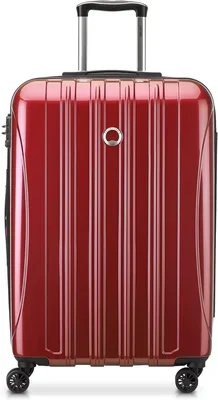
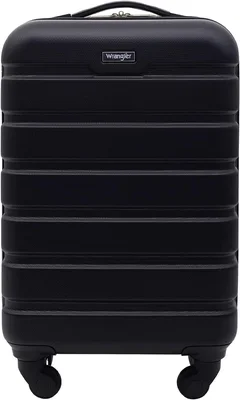
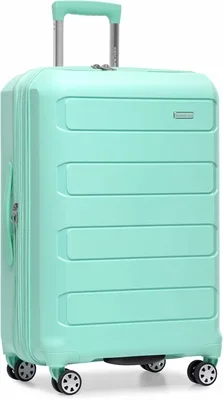
Choosing the right expandable luggage can feel like navigating a maze of zippers, wheels, and marketing buzzwords. Whether you are a weekend warrior hopping on a short flight or a frequent flyer who needs every cubic inch for business gear, the ability to add extra packing space on demand is a game‑changer. This guide breaks down everything you need to know — from the core construction details that determine durability to the subtle design cues that make a suitcase easy to maneuver through crowded terminals.
By the time you finish reading, you will understand the key factors that separate a reliable travel companion from a frustrating purchase, you will be able to compare the major categories side by side, and you will have a clear budget framework so you can spend wisely without sacrificing quality. The market today offers everything from ultra‑light polycarbonate shells to rugged ballistic nylon hybrids, each with its own sweet spot for price, weight, and expandability. Let’s dive in and find the perfect expandable luggage for your next adventure.

What to Look for When Buying Expandable Luggage
1. Expandable Mechanism and Zipper Quality
The heart of any expandable suitcase is the expansion zipper — usually a secondary zipper that runs around the perimeter of the main compartment. Look for a zipper with large, interlocking teeth made from molded nylon or metal. A high‑quality zipper should glide smoothly even when the bag is fully packed, and it should have a locking pull tab that prevents accidental opening. Cheap plastic zippers tend to snag, break, or separate under stress, which defeats the purpose of the extra space. Test the zipper in the store by opening and closing it several times; a smooth, consistent feel is a good sign of longevity.
2. Shell Material and Construction
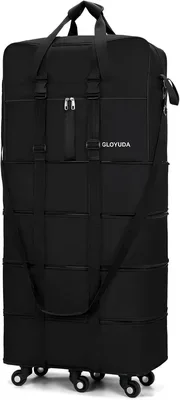
Expandable luggage comes in two broad families: hard‑shell and soft‑shell. Hard‑shell cases typically use polycarbonate, ABS, or a blend of both. Polycarbonate is lighter and more impact‑resistant, while ABS is cheaper but more prone to cracking. Soft‑shell bags rely on high‑denier nylon (often 1680D ballistic) or polyester with a water‑repellent coating. The material determines weight, durability, and how well the bag holds its shape when expanded. A well‑constructed frame — reinforced corners, double‑stitched seams, and a molded handle tube — prevents the bag from bulging awkwardly when you add the extra inches.
3. Wheel System and Maneuverability
Four‑wheel spinner systems are now the gold standard because they let you push the bag beside you instead of dragging it. Look for wheels that are recessed into the body (so they don’t snap off) and made from polyurethane rather than hard plastic — polyurethane rolls quieter and absorbs shocks better. The wheel housing should be sealed to keep dirt and moisture out. If you frequently navigate cobblestone streets or uneven sidewalks, consider a model with larger diameter wheels (at least 3 inches) and a wide stance for stability.
4. Handle Ergonomics and Telescoping Mechanism
A comfortable telescopic handle reduces wrist fatigue on long walks through terminals. The handle should lock securely at multiple heights (typically three to four positions) and retract smoothly without sticking. Grip material matters: rubberized or textured foam handles stay comfortable even when your hands are sweaty. Test the handle by extending and collapsing it several times; any grinding or wobble indicates a weak mechanism that may fail under load.
5. Interior Organization and Compression Straps
Expandable luggage shines when the interior layout helps you keep things tidy. Look for a full‑length divider panel with zippered mesh pockets on both sides, plus built‑in compression straps that cinch down clothing to minimize wrinkles. Some premium models add a removable toiletry pouch, a dedicated laptop sleeve, or a wet/dry compartment for shoes. The more modular the interior, the easier it is to separate clean clothes from dirty laundry when you use the expansion zipper.
6. Weight and Airline Size Compliance
Every airline has a maximum linear dimension (length + width + height) for carry‑on and checked bags. An expandable suitcase that adds 2‑3 inches can push you over the limit, resulting in gate‑check fees. Choose a model that stays within the most common carry‑on limits (22 × 14 × 9 in) when unexpanded, and verify the expanded dimensions against your preferred airline’s checked‑bag allowance. Lightweight construction (under 7 lb for a 26‑inch checked bag) leaves more of your weight budget for actual belongings.
7. Warranty, Repairability, and Brand Support
A solid warranty signals confidence in build quality. Many reputable brands offer limited lifetime warranties covering defects in materials and workmanship, and some even provide free wheel or handle replacements. Check whether the brand has authorized repair centers near major airports — this can save you a costly replacement if a wheel cracks mid‑trip. Reading recent customer reviews about warranty claims gives a realistic picture of how responsive the company truly is.
8. Security Features
TSA‑approved combination locks are standard on most mid‑range and premium models. Some bags integrate a lock into the zipper pulls, while others provide a separate lock that threads through the zipper holes. If you travel internationally, a lock that can be opened by customs agents without damage is essential. Additional security touches include lockable zipper pulls, a hidden passport pocket, and a built‑in cable lock for securing the bag to a fixed object in a hotel room.
Different Types of Expandable Luggage

Common Buying Mistakes to Avoid
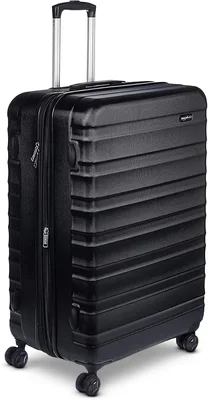
❌ Mistake: Ignoring the Expanded Dimensions
Why it’s bad: Many shoppers focus only on the unexpanded size, assuming the extra inches are “free.” In reality, airlines measure the bag at check‑in, and an over‑expanded suitcase can trigger oversize fees that far exceed the price difference between models.
What to do instead: Measure the expanded length, width, and height yourself (or find the specs on the manufacturer’s site) and compare them to the strictest airline you fly. Choose a model that stays within limits even when fully expanded.
❌ Mistake: Prioritizing Looks Over Wheel Quality
Why it’s bad: A gorgeous glossy shell is useless if the wheels seize after a few trips. Cheap plastic wheels crack on rough pavement, leaving you dragging a heavy bag.
What to do instead: Inspect the wheel housing, spin the wheels, and read reviews that mention durability on cobblestones or gravel. Polyurethane wheels with sealed bearings are worth the extra $20‑$30.
❌ Mistake: Buying the Lightest Bag Without Checking Frame Rigidity
Why it’s bad: Ultra‑light models often sacrifice structural ribs, causing the bag to sag when expanded. The result is a floppy suitcase that’s hard to stack and prone to zipper stress.
What to do instead: Look for a minimum weight threshold (around 6.5 lb for a 26‑inch checked bag) that still includes a reinforced frame. A slightly heavier bag that holds its shape will last years longer.
❌ Mistake: Overlooking Warranty Claim Process
Why it’s bad: A “lifetime warranty” sounds great, but some brands require you to ship the bag to a distant service center at your own cost, turning a free repair into a $50‑$100 hassle.
What to do instead: Read the fine print. Prefer brands with domestic repair centers or a “no‑questions‑asked” replacement policy for the first 2‑3 years.
❌ Mistake: Assuming All Expandable Zippers Are Equal
Why it’s bad: Low‑end zippers can separate under the tension of a fully packed bag, spilling contents onto the conveyor belt.
What to do instead: Test the zipper in person, or watch video reviews that stress‑test the expansion zipper with a full load. YKK or SBS brand zippers are reliable benchmarks.
❌ Mistake: Skipping Interior Organization Features
Why it’s bad: A cavernous interior without dividers leads to a jumbled mess, making it hard to find items and increasing wrinkles.
What to do instead: Choose a model with at least one full‑size divider, mesh pockets, and compression straps. If you carry a laptop, verify a padded sleeve that fits your device.
❌ Mistake: Not Testing the Handle Height Range
Why it’s bad: A handle that only locks at one height forces taller travelers to hunch, causing back strain.
What to do instead: Extend the handle fully and check the lock positions. Ideally there are at least three height settings spaced 2‑3 inches apart.
Budget Guidelines: How Much Should You Spend?
Entry‑Level ($80 – $150)
At this tier you’ll find mostly soft‑shell polyester or low‑grade ABS hard shells. Expect basic two‑wheel or four‑wheel spinners with plastic wheels, a single‑stage telescopic handle, and a simple expansion zipper. These bags work fine for occasional leisure trips (once or twice a year) but may show wear on wheels and zippers after 10‑15 flights. Warranty is typically 1‑2 years limited. If you travel light and rarely check a bag, an entry‑level model can be a sensible starter.
Mid‑Range ($150 – $300)
This is the sweet spot for most travelers. You get polycarbonate or high‑denier ballistic nylon, polyurethane spinner wheels, multi‑stage handles, YKK expansion zippers, and thoughtful interior organization (dividers, compression straps, laptop sleeve). Brands in this range often offer 5‑year or limited lifetime warranties with accessible repair centers. A mid‑range 26‑inch checked spinner typically weighs 7‑8 lb and stays within airline size limits when expanded. This tier balances durability, weight, and features for 3‑5 trips per year.
Premium ($300 – $550)
Premium luggage adds refined details: magnesium‑reinforced handle tubes, silent‑run wheels with precision bearings, integrated TSA locks, water‑resistant coated fabrics, and modular interior systems (removable packing cubes, wet/dry pockets). Hard‑shell models may use a polycarbonate‑aluminum hybrid for extra rigidity without weight penalty. Warranty coverage often includes “global repair” — you can drop the bag at any authorized center worldwide. Frequent flyers (10+ trips/year) who value a polished experience and long‑term reliability gravitate here.
Luxury ($550+)
Luxury expandable luggage is about heritage craftsmanship, bespoke materials (e.g., Tegris® composite, full‑grain leather accents), and concierge‑level service. Brands like Rimowa, Tumi’s top line, and Briggs & Riley’s “Baseline” series offer lifetime “no‑questions” replacement, personalized monogramming, and design that ages gracefully. Weight is often higher due to metal hardware, but the resale value remains strong. This tier suits travelers who view luggage as a long‑term investment and a style statement.
Expert Tips for Getting the Best Deal
- Shop Off‑Season: Major retailers discount luggage heavily in January (post‑holiday) and September (back‑to‑school). You can often snag a mid‑range spinner for 20‑30 % off.
- Use Price‑Tracking Tools: Browser extensions like Honey or CamelCamelCamel alert you when a specific model drops below your target price.
- Check Outlet Stores and Brand Websites: Many brands sell “factory seconds” with cosmetic blemishes at 40‑50 % off, still covered by the full warranty.
- Bundle with Travel Accessories: Some retailers offer a free packing cube set or toiletry bag when you buy a suitcase — effectively lowering the per‑item cost.
- Read the Return Policy Before Buying: A 30‑day no‑questions return lets you test the bag on a short trip; if the wheels feel stiff or the expansion zipper sticks, you can swap it.
- Test In‑Store with Weight: Load the bag with 15‑20 lb of clothing, expand it, and roll it around the store. This reveals handle wobble, wheel drag, and zipper strain that empty‑bag testing hides.
- Consider Refurbished Units: Certified refurbished luggage from the manufacturer often carries the same warranty as new but costs 30‑40 % less.
- Leverage Credit Card Purchase Protection: Many premium credit cards extend the manufacturer warranty by an extra year and cover accidental damage for the first 90 days.

Frequently Asked Questions
Q: How much extra space does an expandable zipper typically add?
A: Most expandable suitcases add 1.5 to 3 inches of depth, translating to roughly 15‑25 % more packing volume. The exact gain depends on the bag’s base dimensions and the zipper’s travel length.
Q: Can I use the expansion zipper on a carry‑on and still fit in the overhead bin?
A: Only if the expanded dimensions stay within the airline’s carry‑on limits. Many carriers allow 22 × 14 × 9 in; an expanded bag that exceeds any of those measurements will be gate‑checked. Measure your specific model before relying on the expansion for a carry‑on.
Q: Are hard‑shell expandable bags less flexible than soft‑shell ones?
A: Yes. Hard shells expand by separating the two halves along a zipper, which adds depth but keeps the overall shape rigid. Soft shells can bulge outward more organically, allowing them to squeeze into tighter overhead compartments when partially expanded.
Q: What is the difference between a “spinner” and a “roller” wheel system?
A: Spinners have four 360‑degree rotating wheels, letting you push the bag upright beside you. Rollers have two fixed wheels and require you to tilt the bag and pull. Spinners reduce wrist strain but can be less stable on steep inclines; rollers handle rough terrain better.
Q: How do I clean and maintain the expansion zipper?
A: Periodically run a soft brush along the zipper teeth to remove dust and sand. Apply a silicone‑based zipper lubricant (not oil) every few months to keep the slider moving smoothly. Avoid forcing the zipper if it catches — gently backtrack and realign.
Q: Does a lifetime warranty cover airline damage?
A: Most manufacturer warranties cover defects in materials and workmanship, not damage caused by baggage handling. However, some premium brands offer a “damage protection” add‑on or will repair airline‑induced damage for a nominal fee.
Q: What is the ideal weight for a 26‑inch checked expandable suitcase?
A: Aim for 6.5‑8 lb. Lighter than 6.5 lb often means a thinner shell or weaker frame; heavier than 8 lb eats into your airline weight allowance without adding durability.
Q: Can I replace the wheels myself?
A: Many mid‑range and premium models use bolt‑on wheel assemblies that can be swapped with a screwdriver. Check the brand’s website for replacement kits and video tutorials. Entry‑level bags often have riveted wheels that are not user‑replaceable.
Q: Is a built‑in TSA lock worth the extra cost?
A: If you travel to the United States or any country that uses TSA‑screened checkpoints, a built‑in lock saves you from buying a separate lock and ensures agents can open the bag without cutting it. For domestic‑only travel, a separate lock works fine.
Q: How do I know if a bag’s expansion zipper is “self‑healing”?
A: Self‑healing zippers have a small plastic bridge that snaps back into place if a tooth pops out. The product description or packaging usually mentions “self‑healing” or “auto‑repair” zipper. YKK’s “Excella” series and SBS’s “Self‑Repair” line are common examples.
Our Final Recommendations
- Best for Budget‑Conscious Buyers: AmazonBasics 26‑Inch Hardside Spinner — Priced around $110, it offers a polycarbonate shell, four double‑spinner wheels, and a 2‑inch expansion zipper. Good for 2‑3 trips per year; warranty is 1 year but the low cost makes replacement painless.
- Best Overall Value: Samsonite Freeform 25‑Inch Expandable Spinner — At $190‑$220 you get a lightweight polycarbonate shell, silent polyurethane wheels, a multi‑stage handle, and a 1.5‑inch expansion with YKK zipper. 10‑year limited warranty and widespread service centers make it a reliable workhorse.
- Best Premium Option: Travelpro Platinum Elite 27‑Inch Expandable Spinner — Around $380, this bag features a magnesium‑reinforced handle, precision‑bearing MagnaTrac wheels, a built‑in TSA lock, and a sophisticated interior with removable packing cubes. Lifetime warranty with global repair network.
- Best for Beginners: American Tourister Moonlight 21‑Inch Carry‑On Expandable — Under $130, soft‑shell polyester, smooth spinner wheels, and a simple 2‑inch expansion. Easy to maneuver, forgiving if overpacked, and backed by a 10‑year limited warranty.
- Best for Advanced Users: Briggs & Riley Baseline 22‑Inch Expandable Carry‑On — $550+, ballistic nylon with CX expansion technology (adds 34 % volume without changing outer dimensions), lifetime “no‑questions” warranty, and a modular interior that adapts to business or leisure packing. Ideal for road warriors who demand flawless performance.
Conclusion: Making the Right Choice
Expanding your packing capacity shouldn’t mean expanding your stress. By focusing first on the expansion mechanism, shell material, wheel quality, and handle ergonomics, you filter out the majority of poorly built options. Next, match the luggage type — hard‑shell, soft‑shell, hybrid, or underseater — to your travel style and airline constraints. Keep a realistic budget in mind: the $150‑$300 mid‑range delivers the best balance of durability, weight, and features for most people, while premium and luxury tiers reward frequent flyers with refined details and superior support.
Remember to test the bag under load, verify expanded dimensions against your most restrictive carrier, and read the warranty fine print before you commit. Armed with the knowledge from this guide, you can walk into any store or browse any site with confidence, knowing exactly which expandable luggage will become a trusted travel partner for years to come. Happy packing, and may your next journey be smooth, organized, and perfectly fitted.