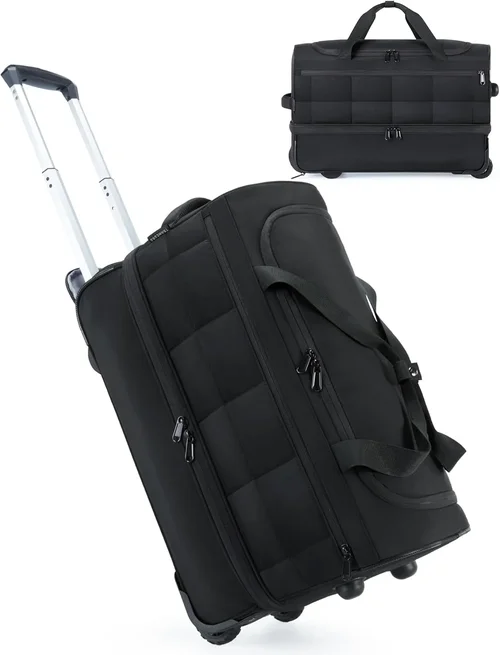
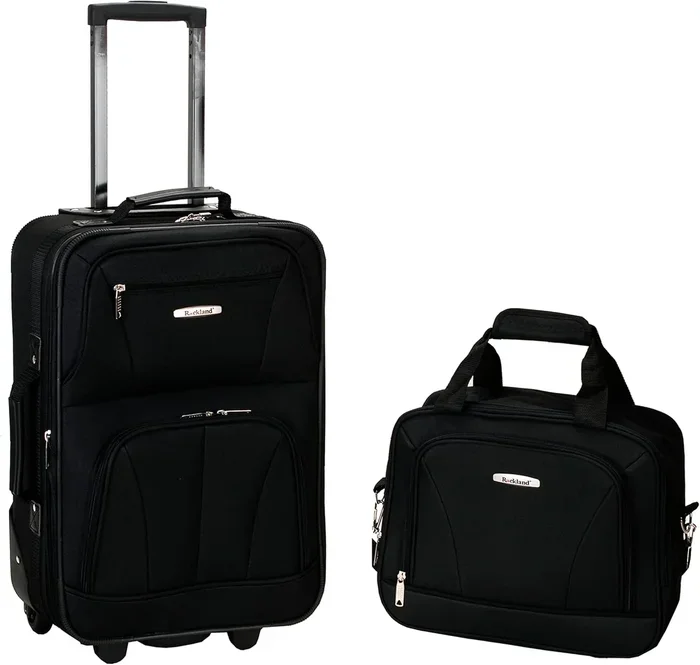
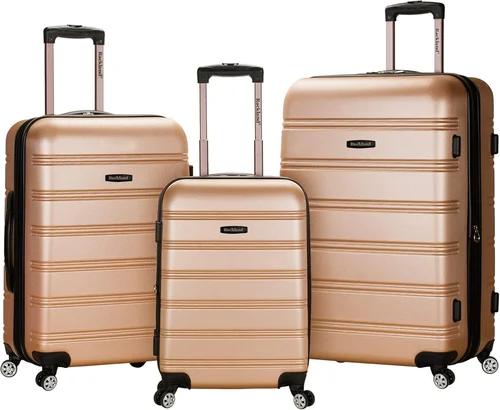
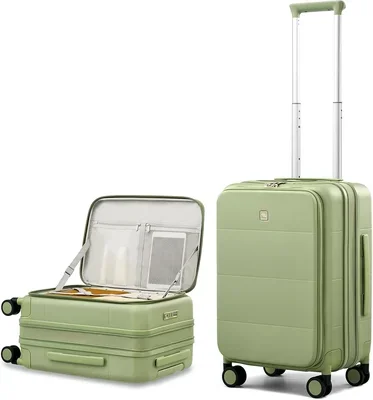
Shopping for the perfect expandable carry-on with a laptop compartment can feel overwhelming. You’re standing in the luggage aisle or scrolling through endless product pages, wondering which features actually matter and which are just marketing fluff. I’ve been there. After years of traveling for work and helping friends choose the right gear, I’ve learned that the right carry-on isn’t just about fitting in the overhead bin. It’s about protecting your technology, surviving baggage handlers, and giving you that extra inch of packing space when you inevitably buy too many souvenirs.
This guide cuts through the noise. We’ll walk through every critical factor—from wheel quality to warranty fine print—so you can invest in a bag that lasts for years, not trips. Whether you’re a weekly business traveler, a weekend warrior, or someone planning their first big trip, you’ll walk away knowing exactly what to prioritize, what to avoid, and how much you should realistically spend. Let’s find your perfect travel companion.

What to Look for When Buying Expandable Carry-On Luggage
1. Airline Size Compliance and Expandability Mechanics
This is the single most important factor. If your bag doesn’t fit in the overhead bin, you’re checking it at the gate—and paying for the privilege. Most U.S. domestic airlines allow carry-ons up to 22 x 14 x 9 inches including wheels and handles. International carriers are often stricter, with some European and Asian airlines enforcing 21.5 x 15.5 x 9 inches or even smaller dimensions.
Here’s where expandability gets tricky. That extra 1.5 to 2 inches of depth from the expansion zipper is fantastic for return trips, but it renders the bag non-compliant for carry-on use when fully expanded. You need a bag that meets size restrictions in its standard configuration. Look for models where the expansion zipper is clearly separate from the main compartment zipper, so you can visually confirm it’s closed before boarding.
Pay attention to how the expansion gusset is constructed. Cheaper bags use a simple fabric fold that adds bulk but no structure. Premium models use a reinforced gusset with its own frame support, maintaining the bag’s shape even when expanded. This prevents the “pregnant suitcase” look where the middle bulges and the wheels lift off the ground.
2. Laptop Compartment Design and Protection
Since you’re specifically looking for a laptop compartment, this deserves deep scrutiny. Not all “laptop compartments” are created equal. The gold standard is a dedicated, padded sleeve that’s accessible from the outside without opening the main compartment. This lets you pull your laptop for TSA screening without unpacking your clothes.
Look for these specific features: a suspended bottom (the laptop doesn’t rest directly on the bag’s floor), high-density foam padding on all sides—not just the back—and a secure closure mechanism like a Velcro strap or zippered pocket. The compartment should fit your specific laptop size. A 15.6-inch compartment won’t securely hold a 13-inch MacBook Air, and a 17-inch gaming laptop needs a specifically rated compartment.
Consider the compartment’s location. Top-mounted compartments (accessed from the bag’s top handle side) distribute weight better when carrying. Front-mounted compartments (accessed from the front panel) are more convenient at security checkpoints but can make the bag front-heavy. Some premium bags offer a TSA-friendly lay-flat design where the laptop section unzips and lays flat on the X-ray belt without removing the device.
Water resistance matters here too. A water-resistant zipper or rain flap over the laptop compartment protects your device from spilled coffee or sudden downpours while rushing between terminals.
3. Wheel System Quality and Maneuverability
Wheels are the first thing to fail on cheap luggage. You want spinner wheels—four wheels that rotate 360 degrees independently—because they let you push the bag beside you rather than dragging it behind. This saves your wrist and shoulder on long terminal walks.
Examine the wheel housing. Recessed wheels (set into the bag’s body) are protected from impacts but reduce interior volume slightly. External wheels maximize packing space but take more hits. The best designs use recessed wheels with reinforced corners. Wheel material matters: polyurethane (PU) wheels roll quieter and smoother than hard plastic, and they handle carpet, tile, and cobblestones better.
Test the wheel spin in person if possible. Each wheel should spin freely for several seconds with a light flick. Wobbly, stiff, or noisy wheels indicate poor bearings. Look for double wheels (two wheels per corner) on larger carry-ons—they distribute weight better and are more stable on uneven surfaces. Single wheels are fine for underseat bags but struggle with fully packed expandable carry-ons.
The wheel attachment point is critical. Molded wheels integrated into the shell (common on polycarbonate hardsides) can’t be replaced. Bolted or riveted wheels on softside and some hardside bags are replaceable—a huge factor for longevity.
4. Handle System Ergonomics and Durability
The telescoping handle is your primary interface with the bag. A poorly designed handle turns a smooth roll into a wrestling match. Look for a handle with at least two height stops (ideally three) to accommodate different user heights. The handle tubes should be aircraft-grade aluminum or high-strength steel, not thin aluminum that bends under pressure.
Grip material matters more than you’d think. Rubberized or textured grips prevent slipping when your hands are sweaty or wet. Some premium bags feature contoured ergonomic grips that reduce wrist strain. The handle should lock securely at each height position without wobbling side-to-side.
Check the handle mechanism inside the bag. The tubes should run in dedicated channels with smooth glides, not rubbing against the interior fabric. On softside bags, the handle housing should be reinforced with a plastic or metal frame to prevent the tubes from tearing through the lining over time.
Don’t forget the top and side carry handles. These need to be heavily reinforced with riveted or box-stitched attachments. A padded top handle is essential for lifting into overhead bins. Side handles should lie flat when not in use to prevent snagging.
5. Shell Material: Hardside vs. Softside Trade-offs
This choice fundamentally shapes your experience. Hardside luggage (polycarbonate, ABS, or aluminum) offers superior protection for fragile items and your laptop. Polycarbonate is the sweet spot—flexible enough to absorb impacts without cracking, lighter than aluminum, more durable than ABS. It also slides smoothly over conveyor belts and resists water inherently.
Softside luggage (ballistic nylon, Cordura, polyester) offers external pockets for quick-access items, more flexibility to squeeze into tight overhead bins, and lighter weight. Ballistic nylon (originally developed for flak jackets) is the gold standard for tear and abrasion resistance. Look for denier ratings: 1680D ballistic nylon is standard for quality bags; 840D or 1000D works for lighter use; avoid anything below 600D polyester for frequent travel.
Hybrid designs exist—hardside shells with softside front pockets, or softside bags with molded plastic frames. These try to capture the best of both worlds but often inherit the weaknesses too.
For laptop protection specifically, hardside bags win on impact resistance. But a well-padded softside laptop compartment in a ballistic nylon bag provides excellent protection for normal travel. If you check your bag occasionally or pack camera gear, lean hardside. If you prioritize outside pockets and weight savings, go softside.
6. Interior Organization and Packing Efficiency
The interior layout determines how much you actually fit. Look for a full clamshell opening (both halves open flat) rather than a top-loading design. Clamshells let you pack both sides evenly and compress contents with interior straps.
Compression straps are non-negotiable. They should be adjustable, wide (at least 1 inch), and anchored to the frame or a reinforced panel—not just sewn into the liner. Cross-strap designs (X-pattern) hold contents better than parallel straps. Some premium bags add a floating divider panel with zippered mesh pockets between the two halves—this keeps dirty laundry separate and adds organization.
Interior pockets should be thoughtfully placed. A large zippered mesh pocket on the divider panel holds toiletries or electronics accessories. Smaller pockets for cables, chargers, and documents prevent the “bottomless pit” effect. Avoid bags with too many tiny pockets—they fragment packing space.
The expansion zipper should open into a genuine gusset, not just unzip the main compartment wider. Quality expansion adds 1.5-2 inches of uniform depth around the entire perimeter. Check that the expansion doesn’t compromise the compression straps’ effectiveness when the bag is in standard mode.
7. Weight and Weight Distribution
Every ounce of bag weight is an ounce less for your belongings. Airlines rarely weigh carry-ons domestically, but international carriers often enforce 7-10 kg (15-22 lb) limits including the bag. A 9-pound empty carry-on leaves you very little margin.
Target weights: quality polycarbonate hardside 22-inch carry-ons weigh 6.5-7.5 lbs. Ballistic nylon softsides weigh 5.5-7 lbs. Ultralight models (thin polycarbonate or lightweight nylon) hit 4-5 lbs but sacrifice durability. If a bag claims to be expandable carry-on size but weighs over 8.5 lbs empty, it’s overbuilt or using cheap heavy materials.
Weight distribution affects how the bag feels in motion. A well-balanced bag centers weight over the wheels. When you tilt it to roll, the center of gravity should stay stable. Bags with heavy external pockets or poorly placed laptop compartments become front-heavy, constantly tipping forward. Test this by packing the bag with 15-20 lbs and rolling it—it should track straight without constant correction.
8. Warranty, Repair Network, and Brand Support
A warranty tells you how much the manufacturer believes in their product. Lifetime warranties (covering defects in materials and workmanship for the life of the product) are the gold standard. But read the fine print. “Lifetime” often means the expected lifetime of the product (5-7 years), not your lifetime. Some exclude wheels, handles, and zippers—the parts most likely to fail.
Better warranties are “unconditional” or “no-questions-asked” for a period (2-10 years), then shift to defect-only coverage. The best brands (Briggs & Riley, Tumi, Osprey, Eagle Creek) offer repair services—you send the bag in, they fix or replace it. This is vastly superior to warranty replacement, which leaves you bagless for weeks.
Check repair accessibility. Does the brand have authorized repair centers in your country? Do they sell replacement parts (wheels, handles, zippers) directly? A $400 bag with a $15 replaceable wheel is a better investment than a $200 bag that requires full replacement when a wheel fails.
Customer service responsiveness matters. Search for recent reviews mentioning warranty claims. A great warranty backed by unresponsive support is worthless. Brands with dedicated travel gear focus (vs. fashion brands making luggage) typically have better support infrastructure.
Different Types of Expandable Carry-On Luggage

Common Buying Mistakes to Avoid

❌ Mistake: Buying Based on Brand Name Alone
Why it’s bad: Many heritage luggage brands now manufacture entry-level lines in the same factories as generic brands, trading on name recognition while cutting corners on materials and construction. A $150 bag from a famous name often uses thinner polycarbonate, cheaper wheels, and weaker zippers than a $150 bag from a travel-specialist brand.
What to do instead: Research the specific model, not the brand. Read detailed reviews from frequent travelers. Check the warranty terms for that specific line. Specialist brands like Travelpro, Briggs & Riley, Osprey, and Eagle Creek often outperform fashion-house luggage at the same price point.
❌ Mistake: Ignoring Your Airline’s Specific Size Limits
Why it’s bad: “Carry-on size” is not universal. Basic Economy fares on U.S. carriers often restrict you to a personal item only. European budget airlines (Ryanair, easyJet, Wizz Air) enforce strict 21.5 x 15.5 x 9 inch limits with weigh-ins at the gate. Asian carriers often have 7 kg total weight limits. A bag that fits Delta may get gate-checked on Lufthansa.
What to do instead: Identify the airlines you fly most. Check their current carry-on dimensions and weight limits. Buy for the strictest airline you regularly use. If you fly varied carriers, prioritize bags at or under 21.5 x 14 x 9 inches—the most universally compliant size.
❌ Mistake: Choosing Maximum Expansion Over Usable Capacity
Why it’s bad: Some bags advertise “25% expansion” but achieve it by adding a loose fabric gusset that balloons outward uncontrollably. This creates an unstable bag that won’t stand upright, fits poorly in overhead bins even when unexpanded (due to the extra fabric bulk), and stresses the expansion zipper until it fails.
What to do instead: Look for structured expansion with internal frame support. The expansion should add uniform depth around the entire perimeter. Test it: expand the bag fully, pack it, and see if it stands stably on its own. If it lists or bulges awkwardly, the expansion design is flawed.
❌ Mistake: Overlooking Laptop Compartment Accessibility
Why it’s bad: Many bags bury the laptop compartment inside the main compartment, requiring you to fully unzip and open the bag at security. This slows you down, exposes your belongings, and frustrates TSA agents and fellow travelers. Some “external access” compartments still require unzipping two layers.
What to do instead: Prioritize true external access—a dedicated zipper that opens directly to the padded laptop sleeve. Test the motion: can you unzip, lay the laptop flat (or leave it in a TSA-friendly sleeve), and rezip in one smooth motion? If it feels awkward in the store, it’ll be stressful at 5 AM security.
❌ Mistake: Sacrificing Wheel Quality for Price
Why it’s bad: Wheels are the highest-wear component. Cheap wheels develop flat spots, seize up, crack, or detach entirely—usually mid-trip. A bag with failed wheels becomes dead weight you must carry. Replacing integrated wheels on hardside bags is often impossible; the whole bag is trash.
What to do instead: Spend the extra $30-50 for quality spinner wheels. Look for: double wheels, polyurethane tread, recessed housing, replaceable attachment (bolted/riveted), and smooth multi-second free spin. This single upgrade extends bag life by years.
❌ Mistake: Not Testing the Handle at Your Height
Why it’s bad: A handle that’s too short forces you to hunch, causing back pain. A handle that’s too tall makes the bag unstable. Many bags only have two height settings with a 4-inch gap between them. If you’re 5’2″ or 6’3″, standard settings may not work.
What to do instead: Extend the handle fully in the store. Walk with the bag. Your arm should hang naturally with a slight elbow bend (90-100 degrees). The bag should track behind you without hitting your heels. If you’re between standard heights, prioritize bags with three or more stop positions.
❌ Mistake: Assuming “Water-Resistant” Means Waterproof
Why it’s bad: Water-resistant fabrics and zippers handle light rain and spills. They fail in heavy downpours, puddle splashes, or if the bag sits on a wet tarmac during loading. Your laptop compartment is the most vulnerable point—water wicks through zippers and seams.
What to do instead: If you travel in rainy climates or check bags occasionally, use a dedicated rain cover (many premium bags include one) or pack electronics in a waterproof sleeve/pouch inside the compartment. For hardside bags, check that the lid seal overlaps the base—some cheaper designs have a simple butt joint that leaks.
Budget Guidelines: How Much Should You Spend?
Entry-Level ($80 – $150): Functional Basics
At this price, you’re getting a bag that will work for occasional travel (2-4 trips per year) with careful handling. Expect: ABS or thin polycarbonate hardshells (prone to cracking on hard impacts), 600-900D polyester softsides, single spinner wheels, two-stage handles, basic laptop sleeves with minimal padding, 1-2 year limited warranties. Expansion gussets are usually unstructured fabric.
Brands in this tier: Amazon Basics, Kenneth Cole Reaction, Rockland, Merax, basic Samsonite lines (Neopulse, Winfield 2). These bags last 2-4 years with moderate use. They’re fine for vacation travelers who baby their luggage. Avoid if you travel monthly or check bags regularly.
Mid-Range ($150 – $300): The Sweet Spot for Most Travelers
This is where quality materials meet reasonable pricing. You get: genuine polycarbonate hardsides (Makrolon or Bayer), 1680D ballistic nylon softsides, double spinner wheels with PU tread, three-stage aluminum handles, well-padded external laptop compartments (often TSA lay-flat), structured expansion gussets, 5-10 year or limited lifetime warranties. Repair parts often available.
This tier handles weekly business travel comfortably. Bags last 5-10 years. Standout models: Travelpro Platinum Elite, Briggs & Riley Baseline (often on sale), Samsonite Freeform/Proxis, Delsey Paris Chatelet Air 2.0, Osprey Meridian/Transporter, Eagle Creek Expanse. You’re paying for engineering, not marketing.
Premium ($300 – $550): Frequent Flyer Workhorses
Built for 100+ flights per year. Features: premium polycarbonate blends (Tegris, Curv, Roxkin) or 1680D-2520D ballistic nylon with TPU coating, precision Japanese Hinomoto or German Friedrich wheels, ergonomic multi-stage handles with carbon fiber or titanium tubes, modular interior systems, lifetime warranties with active repair programs, included rain covers and packing cubes.
Brands: Tumi (Alpha 3, 19 Degree), Briggs & Riley (Sympatico, Torq), Rimowa (Essential Cabin – polycarbonate), Victorinox Spectra 3.0, Thule Subterra/Chasm. These bags survive baggage handler abuse. The warranty service alone justifies the premium—you ship it, they fix it, often free.
Luxury ($550+): Heirloom Quality and Status
Aluminum (Rimowa Original, Zero Halliburton), carbon fiber, or exotic materials. Hand-assembled, numbered, with lifetime transferable warranties. These aren’t just luggage—they’re assets that retain resale value. Overkill for 95% of travelers, but if you fly first class weekly and want the last bag you’ll ever buy, this is it.

Expert Tips for Getting the Best Deal
1. Time your purchase. Luggage goes on deep discount during predictable windows: January (post-holiday clearance), May (pre-summer sales), July (Amazon Prime Day), September (back-to-school/end of summer), and November (Black Friday/Cyber Monday). The best discounts are 30-50% off MSRP on previous-year models—which are often identical to current models.
2. Check outlet stores and factory seconds. Briggs & Riley, Tumi, and Travelpro outlet stores sell overstock and cosmetic blemishes at 40-60% off with full warranties. “Cosmetic blemish” usually means a tiny scratch on the shell or a slightly off-center logo—irrelevant to function.
3. Buy open-box or refurbished from authorized retailers. Amazon Warehouse, Best Buy Outlet, and manufacturer certified-refurbished programs offer like-new returns with full warranties at 20-35% off. Inspect immediately on arrival—check wheels, handles, zippers, expansion.
4. Use price tracking tools. CamelCamelCamel (Amazon), Honey, or Keepa track price history. Set alerts for your target models. Luggage prices fluctuate weekly; patience saves $50-100.
5. Leverage credit card benefits. Many premium cards (Chase Sapphire Reserve, Amex Platinum, Capital One Venture X) offer purchase protection (90-120 days against damage/theft), extended warranty matching (doubles manufacturer warranty up to 1-2 years), and sometimes statement credits for luggage purchases.
6. Test in person, buy online. Visit a luggage store to handle your top 3 choices. Pack them. Roll them. Test the laptop compartment. Then buy the exact model online for less. This avoids the “looked great online but handle hurts my wrist” problem.
7. Register your warranty immediately. Take photos of the serial number tag, receipt, and all angles of the new bag. Register on the manufacturer’s website within 30 days. This activates lifetime warranties and speeds future claims.
8. Consider the “personal item” pairing. Your carry-on works with a backpack or tote. Some brands (Peak Design, Aer, Tom Bihn, Travelpro) design matching sets where the personal item slides over the carry-on handle. This integration is worth more than a slightly cheaper standalone bag.

Frequently Asked Questions
Q: Can I use the expansion on my outbound flight?
A: Only if the expanded dimensions still comply with your airline’s carry-on limits. Most expanded bags exceed standard limits by 1.5-2 inches. Use expansion for the return trip when you’ve acquired souvenirs, or if you’re checking the bag. Always verify dimensions before heading to the airport.
Q: Do I need a TSA-approved lock on my carry-on?
A: For carry-ons, TSA locks are optional since the bag stays with you. However, if you’re forced to gate-check, a TSA lock lets security inspect without cutting your lock. Many mid-range and premium bags now include built-in TSA combination locks. If yours doesn’t, a $10 TSA cable lock is worthwhile insurance.
Q: How do I clean my luggage?
A>Hardside: Wipe with mild soap and water. Avoid harsh chemicals that degrade polycarbonate. Softside: Spot-clean with fabric cleaner. For deep cleaning, some ballistic nylon bags can be hand-washed in a tub with mild detergent—check manufacturer instructions first. Never machine wash or dry. Clean wheels periodically with compressed air and silicone lubricant.
Q: What’s the difference between 1680D and 840D ballistic nylon?
A: Denier (D) measures fiber thickness. 1680D uses thicker fibers, making it significantly more abrasion- and tear-resistant. 840D is lighter and more flexible but less durable. For frequent travel, 1680D is worth the extra weight (typically 0.5-1 lb more). Ballistic nylon is always superior to regular nylon at the same denier.
Q: Can I replace the wheels myself?
A: On most softside bags and some hardsides with bolted wheels, yes—manufacturers sell replacement wheel kits ($15-40). On molded polycarbonate bags with integrated wheels, no. Check the product page or manual for “replaceable wheels” before buying if this matters to you.
Q: Is a built-in USB charging port worth it?
A: Usually no. These ports are just pass-through cables—you still need to carry a power bank inside the bag. The cable adds a failure point (fraying, port damage) and the port location often interferes with packing. A power bank in an external pocket with a short cable is more reliable and versatile.
Q: How do I know if my laptop will fit?
A: Measure your laptop’s exact dimensions (including any case/sleeve you use). Compare to the compartment’s internal dimensions—not the laptop size rating. A “15.6-inch compartment” varies by brand. MacBooks are thinner than most Windows laptops; a 16-inch MacBook Pro often fits in a 15.6-inch compartment, but a chunky 15.6-inch gaming laptop may not.
Q: Should I buy a matching checked bag set?
A: Only if you regularly check bags. Carry-ons take more abuse (overhead bins, security, daily handling) than checked bags. Invest in a premium carry-on first. Add a matching checked bag later if you need the set aesthetic. Mixing brands is fine—nobody coordinates luggage at baggage claim.
Q: What’s the deal with “lifetime warranty” fine print?
A: Read it. “Lifetime” usually means the product’s expected useful life (5-10 years). Coverage typically excludes: normal wear and tear, airline damage, zippers, wheels, handles, and cosmetic damage. The best warranties (Briggs & Riley, Osprey, Eagle Creek) cover functional damage regardless of cause and offer repair services. Always save your receipt.
Q: Are expensive bags actually more durable?
A: Generally yes, but with diminishing returns. The jump from $100 to $250 buys massive durability gains (materials, wheels, handles, warranty). $250 to $500 buys better materials, repair service, and refinement. $500+ buys prestige, exotic materials, and resale value. For 90% of travelers, the $200-350 range delivers 95% of the performance.
Our Final Recommendations
Best for Budget-Conscious Buyers: Travelpro Maxlite 5 Expandable Spinner At ~$130, this 1680D polyester softside weighs just 5.4 lbs, rolls on smooth double wheels, has a padded external laptop compartment (fits 15.6″), and includes a lifetime warranty with trusted repair coverage. It’s the rare budget bag that doesn’t feel cheap.
Best Overall Value: Samsonite Freeform Hardside Spinner Around $180-220, this Makrolon polycarbonate spinner hits every sweet spot: 6.5 lbs, double Hinomoto wheels, TSA lock, structured expansion, 10-year warranty, and a surprisingly good padded laptop pocket in the front panel. It outperforms bags twice its price.
Best Premium Option: Briggs & Riley Sympatico CX Expandable Spinner At ~$450, this hybrid hardside (polycarbonate shell with ballistic nylon corners) is virtually indestructible. The CX expansion system adds 25% capacity without bulging. The laptop compartment is TSA lay-flat with suspended padding. Lifetime warranty includes airline damage. This bag lasts decades.
Best for Beginners: Delsey Paris Chatelet Air 2.0 Around $250, this hardside combines French design with practical features: brake-equipped wheels (stay put on slopes), TSA lock, silent double wheels, and a well-organized interior with a dedicated laptop/tablet sleeve. It’s forgiving, stylish, and durable enough for weekly travel.
Best for Advanced Users: Osprey Transporter Carry-On 40L At ~$280, this 1680D ballistic nylon softside is built like expedition gear. The laptop compartment is suspended, padded, and externally accessible. The harness system lets you carry it as a backpack when wheels fail (cobblestones, stairs). Lifetime “All Mighty” warranty covers everything. For adventure-business hybrid travel, nothing beats it.
Conclusion: Making the Right Choice
You’ve made it through the deep dive. Here’s the bottom line: your perfect expandable carry-on with laptop compartment exists at every price point, but the right one for you depends on how you actually travel. Not how you wish you traveled. Not what looks best on Instagram. How many flights you take, what you carry, whether you check bags, what airlines you fly, and how much abuse your gear endures.
If you take one thing from this guide, let it be this: prioritize wheels and warranty over aesthetics. A beautiful bag with failed wheels is a paperweight. A plain bag with replaceable Hinomoto wheels and a lifetime repair warranty is a travel partner for a decade. Test the handle at your height. Verify the laptop compartment fits your actual device with its case. Measure the dimensions against your strictest airline.
Spend what you can afford in the mid-range ($150-300) if you travel monthly. Step up to premium ($300-550) if you travel weekly or check bags occasionally. Stay in entry-level only if you travel a few times a year and treat your gear gently. There’s no shame in any tier—only in buying the wrong tool for your job.
Your next trip is coming. You deserve a bag that makes it smoother, not harder. Use this guide, trust your hands-on test, and buy with confidence. The overhead bin is waiting.