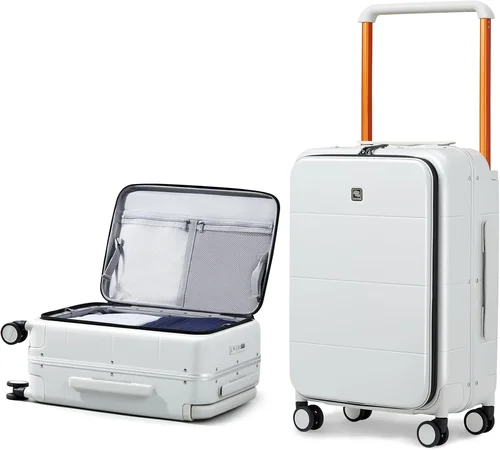
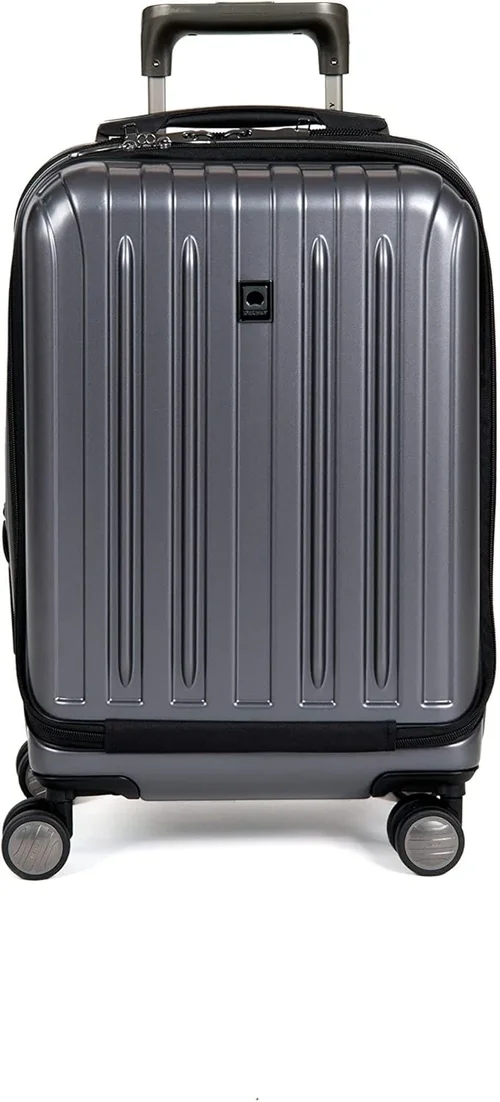
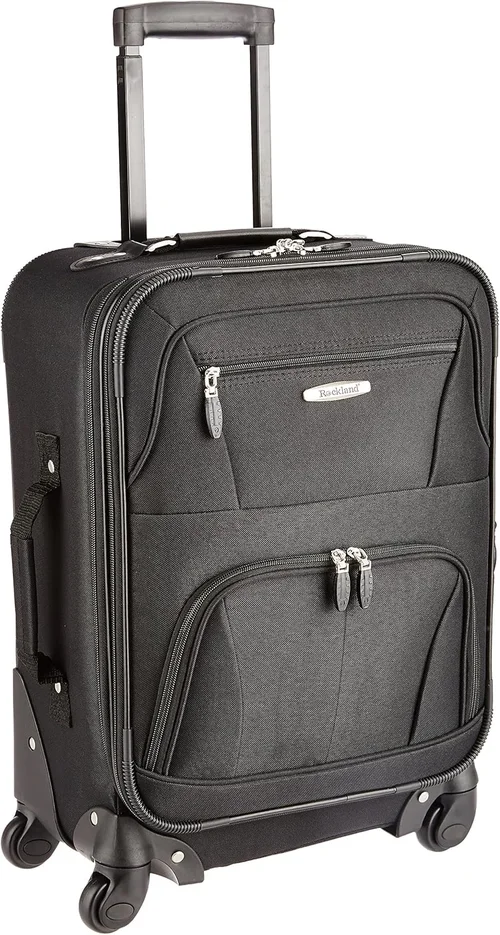
Shopping for luggage can feel overwhelming, especially when you are staring at a wall of similar-looking suitcases all promising the world. You want something that slides effortlessly beside you through a crowded terminal, survives the not-so-gentle handling of baggage claim, and still looks sharp when you arrive at your hotel. That is exactly why the Delsey Hyperglide series has earned such a loyal following among frequent flyers and occasional vacationers alike. It sits in that sweet spot where smart engineering meets accessible pricing, offering features usually reserved for bags costing twice as much.
In this guide, we are going to walk through everything you need to know before you click “buy” or walk into a store. We will break down the technical specifications into plain English, compare the different models side-by-side, and highlight the common pitfalls that lead to buyer’s remorse. Whether you are replacing a cracked decade-old roller or buying your very first spinner, you will finish this article knowing exactly which Hyperglide fits your travel style, your body type, and your budget. Let us unpack the details so you can pack with confidence.
The luggage market is flooded with options ranging from bargain-basement brands that barely survive one trip to ultra-premium names where you pay largely for the logo. Delsey, a French heritage brand founded in 1946, has carved out a reputation for democratizing innovation. The Hyperglide line is their answer to the modern traveler’s demand for lightweight durability and maneuverability. We will explore how the expanding feature actually works in practice, why the wheel configuration matters more than you think, and how to spot the difference between a genuine value and a marketing gimmick. By the end, you will have a clear roadmap to the perfect travel companion.

What to Look for When Buying Buying Guide
1. Wheel Quality and Maneuverability
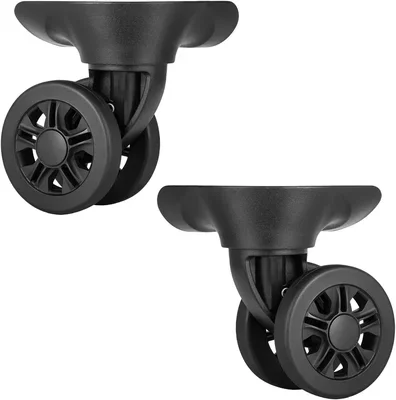
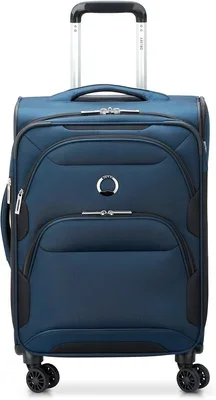
If there is one feature that defines the Hyperglide name, it is the wheels. Delsey markets these as “Hyperglide” double-spinner wheels, and they are not just marketing fluff. Unlike traditional inline skate wheels that only roll forward and backward, these are 360-degree rotating casters mounted on a wide axle. This means you can push the bag beside you, pull it behind you, or spin it in place while waiting in a security line without tipping it over. The “double” part refers to two wheels per corner, totaling eight wheels on the ground. This distributes the weight evenly, reducing the drag you feel on carpet or uneven pavement.
When evaluating wheels, look beyond the spin test in the store aisle. Check the wheel housing material. The Hyperglide uses a reinforced polymer housing that absorbs shock rather than transferring it to the shell. Cheaper luggage often uses exposed axles that bend when you hit a curb; the Hyperglide tucks the axle inside a protective casing. Also, listen to the roll. A high-quality spinner should be whisper-quiet on smooth floors and produce a low hum, not a rattling clatter, on textured surfaces. If you travel frequently over cobblestones, brick walkways, or gravel paths, the double-wheel setup is a genuine quality-of-life upgrade over single spinners.
2. Shell Material and Impact Resistance
The Hyperglide collection utilizes a 100% polycarbonate shell. In layman’s terms, polycarbonate is the same family of thermoplastic used in riot shields and motorcycle helmets. It is prized for luggage because it flexes under pressure rather than cracking or denting permanently. When a baggage handler tosses your suitcase onto a conveyor belt, a polycarbonate shell absorbs the impact by bowing slightly outward, then springs back to its original shape. This is a massive advantage over ABS plastic, which is cheaper but brittle, or aluminum, which dents permanently and adds significant weight.
Delsey takes this a step further with a textured finish on most Hyperglide models. That subtle diamond or brushed pattern is not just aesthetic; it hides the inevitable scuffs and scratches that happen during transit. A high-gloss finish looks beautiful out of the box but shows every mark after a single trip. The texture also provides a slight grip when you are stacking bags in an overhead bin or on a luggage cart. Pay attention to the corners—these are the primary impact zones. The Hyperglide features reinforced corner guards molded into the shell, not glued on afterward, meaning they cannot pop off after a hard hit.
3. Expansion Mechanism and Real-World Capacity
The “Expanding” in the name refers to a zippered gusset that runs around the perimeter of the main compartment. When unzipped, this adds roughly 1.5 to 2 inches of depth, translating to about 15-20% more packing volume depending on the size. This is incredibly useful for the return leg of a trip when you have accumulated souvenirs, dirty laundry that takes up more space than neatly folded clean clothes, or duty-free purchases. However, not all expansion systems are created equal.
On the Hyperglide, the expansion zipper is a heavy-duty #10 coil zipper with a locking puller that integrates with the main TSA lock. This means you can secure the expanded section just like the main compartment. Cheaper expanders often use a flimsy secondary zipper that cannot be locked, leaving your extra items vulnerable. Also, consider the structural integrity when expanded. A well-designed expander maintains the boxy shape of the suitcase so it still rolls straight and fits in overhead bins (within airline limits). The Hyperglide uses internal tension straps and a rigid frame around the gusset to prevent the “pregnant suitcase” bulge that makes bags unstable and prone to tipping.
4. Handle System Ergonomics and Durability
The telescoping handle is your primary interface with the bag, yet it is often overlooked until it jams or wobbles. The Hyperglide features a multi-stage aluminum handle tube with a push-button release. “Multi-stage” means it locks at several heights—typically three or four—so whether you are 5’2″ or 6’4″, you can find a comfortable position without hunching or kicking the bag with your heels. The grip is a contoured soft-touch material shaped to fit the palm, reducing fatigue during long walks through sprawling terminals.
Durability-wise, look at the attachment points. The handle tubes recess into the shell via reinforced channels lined with low-friction polymer bushings. This prevents the metal-on-metal grinding that causes handles to stick over time. The button mechanism is sealed against dust and moisture, a common failure point on budget bags where grit gets inside the tube and jams the spring. Also, check the top carry handle and side carry handle. On the Hyperglide, these are riveted through the shell with metal grommets and padded with neoprene. They are rated to carry the maximum packed weight of the bag, so you can confidently hoist it into a trunk or overhead bin.
5. Interior Organization and Packing Efficiency
Open a Hyperglide and you will find a fully lined interior with a divider panel that zips shut, creating two separate compartments. This is the classic clamshell layout. One side typically features a zippered mesh pocket for toiletries, electronics, or documents. The other side uses elastic cross-straps (often called tie-down straps) to compress clothing and prevent shifting. The divider itself usually has a large zippered pocket spanning its width—perfect for shoes, cables, or a folded jacket.
What sets the Hyperglide apart is the attention to detail. The lining is a high-denier polyester that resists tearing if a sharp object pokes through from your packing. The zippers on interior pockets are reversed-coil (teeth face inward) for a cleaner look and better dust resistance. The cross-straps are adjustable with quick-release buckles, not just elastic loops, so you can cinch down a half-empty compartment or expand them for bulky sweaters. Some newer models include a removable wet/dry pouch or a dedicated laptop sleeve that clips into the divider—check the specific SKU if this matters to you. The goal is to pack once, arrive organized, and repack in seconds.
6. Security Features: TSA Locks and Zipper Integrity
Every Hyperglide spinner comes with a recessed, TSA-accepted combination lock integrated into the shell. “TSA-accepted” means Transportation Security Administration agents have a master key to open it for inspection without cutting your lock or damaging the zipper. The lock is recessed into the body, protecting it from snagging on conveyor belts or being used as a leverage point to pry the case open. The combination is user-resettable with a simple three-dial mechanism (usually 0-0-0 default).
Equally important is the zipper chain itself. The Hyperglide uses YKK RCW (racquet coil) zippers—widely considered the gold standard. These zippers have a wider, stronger tooth profile that resists forced entry via the “pen trick” (where a ballpoint pen is used to separate coil teeth on cheap zippers). The zipper pulls have a hole for the lock shackle to pass through, securing both main compartments and the expansion gusset simultaneously. This unified locking system means one combination secures the entire bag. For added peace of mind, some travelers add a cable tie through the zipper pulls as a tamper-evident seal; the Hyperglide’s pull design accommodates this easily.
7. Weight and Airline Compliance
Weight is the silent budget killer. Every pound of luggage weight is a pound less you can pack before hitting airline limits. Most major US carriers allow 50 lbs (23 kg) for checked bags on domestic flights, but international and budget carriers often drop to 44 lbs (20 kg) or even 33 lbs (15 kg). The Hyperglide line is engineered to be ultra-light: the 21-inch carry-on typically weighs 6.5-7 lbs, the 25-inch medium around 8.5-9 lbs, and the 29-inch large around 10-11 lbs. For context, many competitor spinners in this price range run 1-2 lbs heavier per size.
Carry-on compliance is another critical dimension. The 21-inch Hyperglide (usually 21.5″ x 14″ x 9″ including wheels/handles) fits the sizers for virtually all major US airlines (Delta, United, American, Southwest). However, budget carriers like Spirit, Frontier, or European low-cost airlines (Ryanair, easyJet) have stricter limits. Always measure your specific model including wheels and handles—manufacturers sometimes list “internal dimensions” which are smaller. The Hyperglide’s rectangular profile maximizes internal volume while staying within standard sizer frames, but the expansion zipper must remain closed for carry-on use.
8. Warranty, Support, and Brand Reputation
Delsey backs the Hyperglide with a 10-year limited warranty in the US (terms vary by country). This covers manufacturing defects in materials and workmanship—wheel assemblies, handle mechanisms, zipper failures, shell cracking. It does not cover airline damage, cosmetic wear, or misuse. The claims process is handled through authorized service centers or mail-in; you typically need proof of purchase. Register your bag on Delsey’s website immediately after buying; it streamlines future claims and proves ownership date.
Brand reputation matters because luggage is a long-term purchase. Delsey has been designing luggage in France since 1946 and manufactures in their own factories (primarily in Tunisia and China under strict QC). They are not a “license brand” where a famous name is slapped onto generic OEM products. This vertical control means consistent quality across production runs. Customer service is generally responsive, with replacement parts (wheels, handle tubes, lock mechanisms) available for years after a model is discontinued. This repairability extends the life of your investment significantly compared to disposable brands.
Different Types of Buying Guide

Common Buying Mistakes to Avoid
❌ Mistake: Buying Based Solely on Price Without Checking Weight
Why it’s bad: A $50 cheaper suitcase that weighs 3 lbs more costs you money every time you check it. On a round-trip with a 50 lb limit, that extra weight could force you to leave items behind or pay $100+ in overweight fees over the bag’s lifetime. The Hyperglide’s lightweight polycarbonate construction saves you payload capacity for your actual belongings.
What to do instead: Compare the tare weight (empty weight) of similarly sized bags. Target a 21″ carry-on under 7.5 lbs, a 25″ under 9.5 lbs, and a 29″ under 11.5 lbs. The Hyperglide hits or beats these benchmarks consistently.
❌ Mistake: Ignoring Airline Size Restrictions for Your Specific Routes
Why it’s bad: You buy a beautiful 22″ carry-on only to find your favorite budget airline’s sizer is 21.5″ including wheels. You are forced to gate-check, risking damage and adding 30 minutes at baggage claim. The Hyperglide 21″ is designed to the strictest common denominator, but always verify your most-flown carrier’s current policy.
What to do instead: Bookmark the baggage policy page of your top 3 airlines. Measure the bag yourself (wheels + handle + any expansion) before first use. If you fly basic economy or European low-cost carriers frequently, consider the Underseat model as your primary bag.
❌ Mistake: Overpacking the Expansion Zone and Losing Maneuverability
Why it’s bad: The expansion gusset adds volume, but physics still applies. A fully expanded 29″ spinner can exceed 62 linear inches (L+W+H), triggering oversized baggage fees ($200+ on many airlines). It also shifts the center of gravity, making the bag prone to tipping when you let go of the handle.
What to do instead: Use expansion strategically: pack the base compartment fully, then expand only for the return trip’s soft items (laundry, souvenirs). Weigh the bag at home with a luggage scale. If you must expand for the outbound journey, accept that you may need to check it even if it technically fits the sizer unexpanded.
❌ Mistake: Assuming All “Spinner” Wheels Are Equal
Why it’s bad: Single-spinner wheels (one per corner) concentrate load on a tiny axle point. They wobble on cracks, catch on grates, and snap off if the bag is dropped. The Hyperglide’s double-spinner (eight wheels total) distributes load across a wider footprint, tracks straighter, and survives impacts that destroy single wheels.
What to do instead: Inspect the wheel mounting. Look for recessed axles, sealed bearings, and a wide stance. Spin each wheel—it should rotate freely for 5+ seconds with a fingertip flick. Avoid any bag where wheels are riveted directly to a thin plastic shell without a reinforcing plate.
❌ Mistake: Skipping the Warranty Registration
Why it’s bad: Without registration, you have no proof of purchase date if a defect appears in year 3. You lose the 10-year coverage and pay full price for replacement parts that would have been free. Many travelers toss the receipt and forget the model number.
What to do instead: Register within 30 days on Delsey’s website. Take a photo of the receipt and the white label inside the bag (model/serial number). Save both in a cloud folder labeled “Luggage Warranty.” It takes 2 minutes and protects a $200+ investment.
❌ Mistake: Choosing Color Purely on Aesthetics
Why it’s bad: Black, navy, and dark gray are the three most common luggage colors on every carousel. You will waste time staring at identical bags, risk someone taking yours by mistake, and your scuffs show more on dark glossy finishes. The Hyperglide’s textured finish helps, but color still matters for identification.
What to do instead: Pick a distinctive color (deep red, olive, champagne, silver) or add a bold luggage tag/strap. If you love black, buy a bright neon strap or a unique handle wrap. The Hyperglide comes in several sophisticated hues—choose one that stands out to you at 20 feet.
❌ Mistake: Not Testing the Handle Height Before Buying
Why it’s bad: A handle that is too short forces you to hunch, causing back strain. Too long, and you kick the bag with every step. Online reviews cannot tell you how it feels for your height. The Hyperglide’s multi-stage handle covers a wide range, but the exact lock positions vary by model year.
What to do instead: If buying in-store, extend the handle fully and walk 20 feet. Your elbow should be at a relaxed 90-100 degree angle. If buying online, check the maximum extended handle height from the floor (usually 38-42″ for the tallest setting) and compare to your knuckle height when standing upright.
Budget Guidelines: How Much Should You Spend?
Understanding the price tiers helps you set realistic expectations and avoid overpaying for features you don’t need—or underbuying and replacing the bag in a year. The Hyperglide sits primarily in the Mid-Range to Premium tiers, but knowing the full landscape clarifies why it is priced where it is.
Entry-Level ($80 – $150): The “One-Trip Wonder” Zone
At this price, you are looking at ABS or ABS/polycarbonate blend shells, single-spinner wheels, fixed-height handles, and non-recessed locks. Brands like American Tourister, Rockland, and generic Amazon basics live here. These bags work fine for a weekend car trip or a single checked bag per year. They will likely crack at the corners, develop wheel wobble, or jam the handle within 3-5 flights. The zippers are usually non-locking coil types vulnerable to the pen trick. If you travel once a year and check a bag, this tier is acceptable. If you fly more than twice annually, the cost-per-trip math favors spending more.
Mid-Range ($160 – $280): The Hyperglide Sweet Spot
This is where the Hyperglide 21″, 25″, and 29″ models live. You get 100% polycarbonate, double-spinner wheels, multi-stage handles, recessed TSA locks, YKK zippers, and a 10-year warranty. The cost-per-trip over a 5-7 year lifespan drops to pennies. You also get repair part availability and a brand with service infrastructure. For 90% of travelers—business weekly, family vacationers, international explorers—this tier delivers every feature that actually matters without the diminishing returns of luxury pricing. The 3-piece set often lands at the top of this range ($450-$550 for three bags), effectively putting each bag in the low-mid tier individually.
Premium ($300 – $500): Diminishing Returns for Most
Brands like Briggs & Riley, Travelpro Platinum Elite, and Tumi’s entry polycarbonate lines sit here. You pay for: slightly lighter weight (0.5-1 lb less), proprietary wheel systems (sometimes quieter), lifetime warranties with “no questions asked” airline damage coverage (Briggs & Riley), and premium interior fabrics (ballistic nylon liners, suede pockets). The Hyperglide gives you 90% of the performance for 60% of the price. Unless you fly 50+ weeks a year and need the absolute lightest bag or the unlimited warranty, the extra $150-$250 per bag is hard to justify.
Luxury ($600+): Status, Materials, and Heirloom Build
This is Rimowa, Tumi 19 Degree, Globe-Trotter, and high-end aluminum. You are paying for anodized aluminum or carbon fiber shells, hand-stitched leather handles, serial-numbered limited editions, and boutique service. These bags last decades and develop a patina. They are also heavy (aluminum 21″ is 9-11 lbs empty), dent permanently, and attract theft attention. The Hyperglide is not competing here—different customer, different purpose. If you want a luggage heirloom, go luxury. If you want a reliable travel tool, stay mid-range.
Expert Tips for Getting the Best Deal

Frequently Asked Questions
Q: Is the Delsey Hyperglide carry-on size compliant with all major airlines?
A: The 21-inch Hyperglide (typically 21.5″ H x 14″ W x 9″ D including wheels and handles) fits the published sizers for Delta, United, American, Southwest, Alaska, JetBlue, and most major international carriers. However, budget airlines like Spirit, Frontier, Allegiant, and European low-cost carriers (Ryanair, easyJet, Wizz Air) have stricter limits—sometimes as small as 21″ x 15″ x 9″ or even smaller for “underseat” personal items. Always measure your specific bag and check your airline’s current policy before flying. The expansion zipper must remain fully closed for carry-on use.
Q: How durable is the polycarbonate shell really? Will it crack in cold weather?
A: Polycarbonate is exceptionally impact-resistant across a wide temperature range (-40°F to 250°F). It will not become brittle in cold cargo holds or soften in hot trunks. The Hyperglide’s shell is injection-molded with uniform thickness and reinforced corners. While no luggage is indestructible—extreme force (run over by a baggage tractor) can crack any material—polycarbonate is the industry standard for a reason. It flexes and rebounds where ABS shatters and aluminum dents permanently.
Q: Can the Hyperglide’s wheels be replaced if they break?
A: Yes. Delsey sells genuine replacement wheel assemblies (part number varies by model year) through authorized service centers and their website. The wheels are mounted on a removable axle plate secured with screws accessible from inside the wheel well (you may need to peel back the interior liner slightly). A competent DIYer can replace a wheel in 10-15 minutes with a Phillips screwdriver. This is a major advantage over riveted wheels on cheaper bags.
Q: Does the expansion feature work on the carry-on model?
A: Yes, the 21″ carry-on has an expansion zipper adding ~1.5″ of depth. However, when expanded, it will likely exceed most airline carry-on size limits. Use the expansion only if you plan to check the bag on the return leg, or if you are driving/training where size limits don’t apply. For strict carry-on travel, keep it zipped closed.
Q: How do I set the TSA combination lock?
A: The lock defaults to 0-0-0. To set your own code: 1) Open the lock (dials at 0-0-0, slide the release button). 2) Locate the small reset button/pinhole on the side or bottom of the lock body (often requires a pen tip). 3) Press and hold the reset button while turning the dials to your desired 3-digit code. 4) Release the reset button. 5) Scramble the dials and test the new code. Write your combination down and store it separately from the bag.
Q: Is the Hyperglide water-resistant?
A: The polycarbonate shell itself is waterproof. However, the seams (zipper tracks, handle tubes, wheel wells) are not sealed. In heavy rain or if the bag sits in a puddle on the tarmac, water can seep through the zipper coils. The interior lining will get damp. For true waterproofing, use a luggage cover (elasticized fabric sleeve) or pack sensitive items in waterproof dry bags/packing cubes inside. The Hyperglide handles light rain and damp conveyor belts fine.
Q: What is the difference between the Hyperglide and the Delsey Chatelet or Titanium lines?
A: The Chatelet is Delsey’s “heritage luxury” line—leather accents, vintage styling, silent double wheels, and a higher price point ($300-$500). It uses similar polycarbonate but adds weight for aesthetics. The Titanium (often “Titanium Tech” or similar) is a lighter, more tech-focused line with sometimes different wheel configurations. The Hyperglide is the core “modern traveler” line: best balance of weight, durability, features, and price. Choose Hyperglide for pure function; Chatelet for style; Titanium for ultralight.
Q: Can I fit a 15.6″ or 17″ laptop in the Hyperglide carry-on?
A: The main compartment of the 21″ Hyperglide is roughly 19″ x 13″ x 9″ internally. A 15.6″ laptop (typically 14″ x 9.5″) fits flat with room to spare. A 17″ laptop (typically 15.5″ x 10.5″) fits but may be tight if you also pack bulky items underneath. The interior divider pocket (17″ x 11″) can hold a 15.6″ laptop in a sleeve, but a 17″ may not zip closed. If you carry a 17″ laptop daily, consider a dedicated laptop backpack as your personal item and use the Hyperglide for clothes.
Q: How does the Hyperglide handle cobblestones and rough terrain?
A: The double-spinner wheels with wide stance and recessed axles handle cobblestones significantly better than single spinners. The independent wheel rotation allows each wheel to find its own level over gaps. However, no spinner luggage is ideal for rough terrain—two-wheeled “roller” bags with larger diameter wheels (like the Travelpro Crew or Osprey Meridian) are superior for dirt roads, gravel, and stairs. If your travel involves significant off-pavement movement, supplement with a backpack or duffel.
Q: What colors does the Hyperglide come in, and do they fade?
A: Current colors typically include: Midnight Black, Titanium Gray, Deep Navy, Burgundy Red, Olive Green, Champagne Gold, and Silver. The textured finish resists UV fading well. Dark colors show less surface dirt; lighter colors (Champagne, Silver) show scuffs less because the texture hides them. Color availability varies by retailer and season. Delsey occasionally releases limited editions (Rose Gold, Teal). Choose a color you will still like in 5 years—this bag lasts that long.
Our Final Recommendations
Best for Budget-Conscious Buyers: Hyperglide 21″ Carry-On (Single)
If you only fly carry-on and want the Hyperglide experience without the set price, the standalone 21″ is your ticket. At ~$180-200 on sale, it delivers 95% of the line’s value. You get the double wheels, polycarbonate shell, TSA lock, and expansion. Pair it with a quality backpack as your personal item. This is the highest cost-per-value single bag in the lineup.
Best Overall Value: Hyperglide 3-Piece Set (21″/25″/29″)
Priced around $480-520 during sales, this set equips you for every trip length. The 21″ handles business weekends and European hops. The 25″ is the perfect 7-10 day family checked bag. The 29″ swallows two weeks of winter gear or a relocation load. They nest for storage. The per-bag cost (~$160-175) beats buying individually. You also ensure color matching and uniform wheel/handle feel across your fleet.
Best Premium Option: Hyperglide 25″ Medium Checked Spinner (Solo)
If you check one bag for most trips (cruises, family visits, winter travel), the 25″ is the “Goldilocks” size. Large enough for 10 days of clothes, small enough to stay under 50 lbs easily, light enough to maneuver solo. At ~$220-240, it is the single most versatile checked bag Delsey makes. The expansion handles souvenir overflow. The double wheels eat airport distances for breakfast.
Best for Beginners: Hyperglide 21″ Carry-On + Underseat Boarding Spinner Combo
New to spinner luggage? Start with the 21″ carry-on and the smaller underseat spinner (~$330-360 for the pair). The underseat bag fits under the seat in front of you (personal item), holds your laptop, medications, snacks, and a change of clothes. The 21″ goes overhead. This two-bag system teaches you packing discipline, avoids checked fees entirely, and lets you experience the Hyperglide glide on both scales. Low risk, high reward.
Best for Advanced Users / Frequent Flyers: Hyperglide 21″ Carry-On + 25″ Checked (Two-Piece Custom Set)
Road warriors know the 29″ is rarely needed and often overweight. Build your own two-piece set: 21″ carry-on for 80% of trips, 25″ checked for the 20% where you need more volume. Skip the 29″. Spend the savings on a premium garment folder, compression cubes, and a lifetime luggage scale. This combo covers 99% of professional and leisure scenarios with maximum agility and minimum weight.
Conclusion: Making the Right Choice
You have now seen the Hyperglide from every angle—its wheels that actually glide, its shell that bounces back, its expansion that doesn’t bulge, its handle that fits your height, its lock that satisfies TSA, and its warranty that has your back. You understand the difference between polycarbonate and ABS, between double spinners and single, between a recessed lock and a dangling padlock. You know the price tiers, the sales cycles, the mistakes that cost travelers money, and the pro tips that save hassle.
The right luggage is not about the brand name on the side; it is about how the bag behaves when you are running for a connection in Frankfurt, dragging it up a hotel stairwell in Lisbon, or watching it disappear behind the rubber flaps at check-in. The Delsey Hyperglide is engineered for those moments. It is a tool that does its job quietly, reliably, and for years. Whether you choose the solo carry-on, the versatile 25-inch, or the full three-piece fleet, you are buying into a design philosophy that respects your time, your back, and your budget.
Trust the research you have done here. Match the size to your longest typical trip. Pick a color that makes you smile on the carousel. Register the warranty the day it arrives. Pack it with cubes, weigh it before you leave, and glide through your next journey with the quiet confidence of someone who chose well. The world is waiting—your Hyperglide is ready to roll.