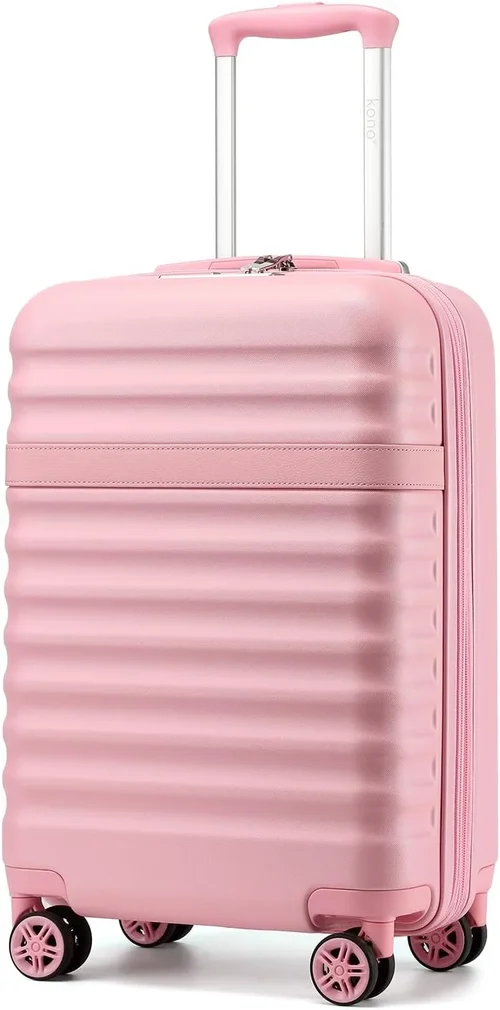
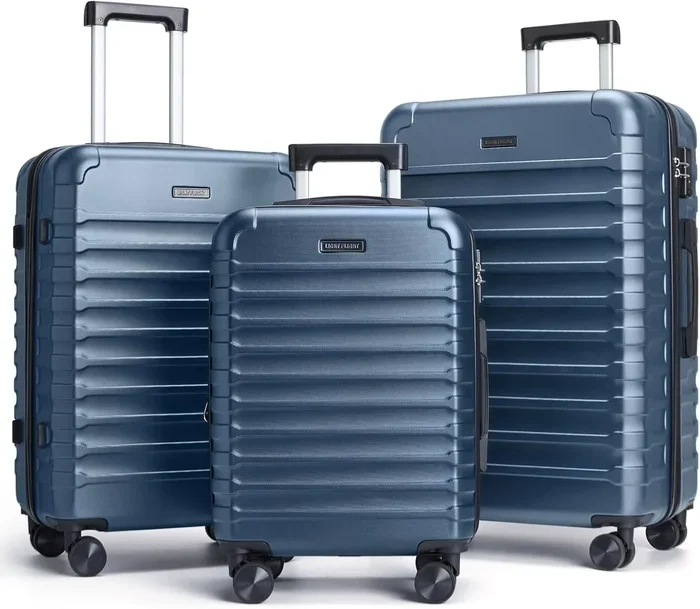
When it comes to modern travel, few pieces of gear are as essential—or as frequently overlooked—as a reliable carry-on suitcase. Whether you’re a frequent flyer, a weekend warrior, or someone who simply values efficiency and peace of mind at the airport, your carry-on is more than just a bag. It’s your mobile command center, your wardrobe, your office, and sometimes even your pillow. And in today’s fast-paced travel landscape, where every minute counts and overhead bin space is a precious commodity, having the right carry-on can make the difference between a smooth journey and a stressful ordeal.
Among the most sought-after features in today’s carry-on luggage are spinner wheels and expandable capacity. Spinner wheels—those four multidirectional wheels that allow 360-degree maneuverability—have revolutionized how we move through crowded terminals, while expandable designs give travelers the flexibility to pack more when needed without sacrificing the convenience of a compact carry-on. But with so many options on the market, from budget-friendly basics to high-end luxury models, choosing the right one can feel overwhelming. That’s where this guide comes in.
In this comprehensive buying guide, we’ll walk you through everything you need to know about expandable spinner carry-on luggage. You’ll learn what features truly matter, how to avoid common pitfalls, and how to find the best value for your budget. We’ll compare different types, break down price ranges, share expert tips, and answer your most pressing questions. By the end, you’ll be equipped with the knowledge to make a confident, informed decision—whether you’re upgrading your current bag or buying your first quality carry-on.
The market for carry-on luggage has exploded in recent years, driven by rising air travel demand, evolving airline policies, and growing consumer expectations for durability, style, and smart design. Brands like Samsonite, Away, Rimowa, Tumi, and Travelpro now compete with newer direct-to-consumer labels and budget-friendly alternatives from retailers like AmazonBasics and Costway. This abundance of choice is great—but only if you know what to look for. Not all spinner wheels are created equal, and not every “expandable” feature adds meaningful space. Some bags expand in ways that compromise structural integrity, while others claim to be carry-on compliant but actually exceed airline size limits when expanded.
Our goal is to cut through the noise and help you identify the features that genuinely enhance your travel experience. We’ll focus on real-world usability, not just marketing buzzwords. Whether you’re packing for a three-day business trip or a two-week vacation, understanding how spinner wheels perform under pressure, how expansion affects weight and stability, and how materials hold up over time will save you money, frustration, and lost luggage in the long run. Let’s dive into the key factors every smart traveler should consider before making a purchase.

What to Look for When Buying Buying Guide
1. Size & Airline Compliance
One of the most critical factors when choosing an expandable spinner carry-on is ensuring it meets airline size restrictions—especially when expanded. Most major U.S. airlines (including Delta, United, American, and Southwest) allow carry-on bags up to 22 x 14 x 9 inches (including wheels and handles). International carriers may have slightly different limits, so always check your destination’s rules. The problem? Many “expandable” bags push right up against—or even exceed—these dimensions when the gusset is unzipped.
Look for models that clearly state their expanded dimensions and confirm they remain within standard carry-on limits. Some brands design their expansion zippers to add only 1–2 inches, which is ideal for extra souvenirs or a bulky jacket without risking gate-checking. Others may add 3+ inches, which could land you in trouble at the gate. Always measure your bag after expansion and test it in an airline-approved sizing bin if possible.
2. Spinner Wheel Quality & Performance
Not all spinner wheels are created equal. Cheap plastic wheels may spin smoothly in the store but crack or jam after a few trips over rough pavement or airport carpet. High-quality spinner wheels are typically made from durable polycarbonate or reinforced nylon and feature sealed bearings for silent, effortless rolling.
Pay attention to wheel size, too. Larger wheels (around 2–3 inches in diameter) handle curbs and uneven surfaces better than tiny ones. Also, check how the wheels are mounted. Are they recessed into the frame for protection, or do they stick out and snag on obstacles? Test the bag in-store by pulling it sideways—if it resists or wobbles, the wheel alignment may be off.
Another often-overlooked detail: dual-wheel vs. single-wheel spinners. Most modern carry-ons use dual wheels per corner, which distribute weight more evenly and reduce strain on the axle. This design also improves stability when navigating tight corners or crowded jet bridges.
3. Expansion Mechanism & Usability
The whole point of an expandable carry-on is flexibility—but that flexibility shouldn’t come at the cost of structure or security. Look for a zipper-based expansion system (usually a secondary zipper around the gusset) that adds 1–2 inches of depth. Avoid bags that rely on elastic panels or flimsy fabric inserts, as these can tear or lose shape over time.
Test the expansion zipper: it should glide smoothly and feel sturdy. A high-quality YKK or similar branded zipper is a good sign. Also, consider how the interior is affected when expanded. Does the main compartment remain accessible? Are there compression straps to keep items secure? Some bags include a zippered divider that helps organize contents even when expanded.
Be wary of “over-expansion” designs that turn your carry-on into a quasi-checked bag. If the expanded size exceeds airline limits, you’ll either have to check it (defeating the purpose) or repack at the gate—a stressful scenario no one wants.
4. Build Quality & Materials
Durability starts with materials. The two most common shell types are hard-side (polycarbonate, ABS, or aluminum) and soft-side (nylon or polyester). Each has pros and cons:
– Hard-side shells (especially polycarbonate) offer excellent protection for fragile items, resist crushing, and often have a sleek, modern look. They’re great for electronics, cameras, or anything that can’t get squished. However, they can dent or crack under extreme impact.
– Soft-side shells are lighter, more flexible, and often include external pockets for quick access. They’re less likely to crack but may not protect delicate items as well. High-denier nylon (like 1680D) offers superior abrasion resistance.
Check the stitching, zippers, and corner reinforcements. Reinforced corners (often with plastic or metal caps) protect against drops and rough handling. Look for double-stitched seams and robust handles—especially the telescoping handle, which should extend smoothly and lock securely in place.
5. Weight & Internal Capacity
Every ounce counts when you’re trying to maximize packing space without exceeding weight limits. A lightweight bag gives you more room for souvenirs or extra layers. Aim for a carry-on under 7 pounds (3.2 kg) when empty—ideally closer to 6 pounds or less.
But don’t sacrifice capacity for lightness. A well-designed interior with compression straps, zippered compartments, and a removable laundry bag can make a big difference in organization. Some premium models include built-in shoe pockets, tech sleeves, or even USB ports (though these add weight and complexity).
Use the “roll vs. fold” test: can you fit a week’s worth of clothes comfortably? Try packing a few items before buying to assess real-world usability.
6. Handle Design & Ergonomics
The telescoping handle is your primary interface with the bag—so it needs to feel solid and responsive. Look for a handle with multiple height settings (at least two, preferably three) to accommodate different users. The grip should be padded and non-slip, even when wet.
Test the handle’s retraction mechanism: it should snap back smoothly without jamming. Some handles feature a one-touch button release; others use a lever system. Avoid models where the handle wobbles or feels loose when extended—this indicates poor internal construction.
Also, consider side and top handles. These are essential for lifting the bag into overhead bins or navigating stairs. They should be padded, well-anchored, and comfortable to grip.
7. Security Features
While TSA-approved locks are standard on many carry-ons, expandable models sometimes compromise security for flexibility. Ensure the main zipper can be locked with a TSA-recognized lock (look for the red diamond symbol). Some bags include built-in combination locks or RFID-blocking pockets for added peace of mind.
Avoid bags with exposed zippers or weak points where someone could easily cut or pry open the fabric. If you’re traveling to high-theft areas, consider a model with a hidden zipper flap or slash-resistant material.
8. Brand Reputation & Warranty
A reputable brand often correlates with better build quality, customer service, and warranty coverage. Brands like Samsonite, Travelpro, and Tumi offer lifetime or limited lifetime warranties that cover defects and sometimes even accidental damage. This is a huge advantage if your bag gets roughed up by baggage handlers.
Read user reviews on trusted sites (not just the brand’s website) to see how the bag holds up over time. Pay attention to comments about wheel failure, zipper issues, or handle malfunctions—these are common failure points.
Different Types of Buying Guide

Common Buying Mistakes to Avoid

❌ Mistake: Ignoring Expanded Dimensions
Why it’s bad: Many travelers assume “expandable” just means “a little extra room,” but some bags balloon beyond carry-on limits when the gusset is opened. This can force you to check your bag at the gate—adding fees, delays, and risk of loss.
What to do instead: Always check the manufacturer’s specs for both standard and expanded dimensions. If unsure, measure it yourself or ask the retailer. Stick to bags that expand by no more than 1.5–2 inches to stay compliant.
❌ Mistake: Choosing Style Over Substance
Why it’s bad: A sleek, Instagram-worthy design might look great in photos, but if the wheels crack after one trip or the zipper jams, you’ve wasted your money. Prioritizing aesthetics over durability leads to frequent replacements.
What to do instead: Focus on functional design elements: wheel quality, handle stability, zipper strength, and material resilience. A bag that looks good and performs well is worth the investment.
❌ Mistake: Overlooking Weight When Empty
Why it’s bad: Heavier bags eat into your packing allowance. If your empty carry-on weighs 8 pounds, you only have ~12 pounds left before hitting the typical 20–25 lb airline limit—especially tight if you’re bringing laptops, shoes, or gifts.
What to do instead: Weigh the bag in the store or check online specs. Aim for under 7 lbs. Lightweight polycarbonate or high-denier nylon shells offer the best balance of strength and low weight.
❌ Mistake: Skipping the Warranty Check
Why it’s bad: Luggage takes a beating. Without a solid warranty, a broken wheel or torn seam could mean buying a new bag every few years. Many budget brands offer only 1–2 year coverage—or none at all.
What to do instead: Choose brands with at least a 5-year warranty, preferably lifetime. Read the fine print: does it cover accidental damage, normal wear, or just manufacturing defects?
❌ Mistake: Assuming All Spinners Are Equal
Why it’s bad: Cheap spinner wheels often lack sealed bearings, use thin plastic, or have poor axle alignment. They may work fine on smooth floors but fail on carpet, gravel, or airport escalators.
What to do instead: Test the wheels in-store. Pull the bag sideways, roll it over your foot, and listen for grinding noises. Look for brands that specify wheel material (e.g., “polyurethane wheels with sealed bearings”).
❌ Mistake: Buying Based Solely on Price
Why it’s bad: The cheapest bag may save you $50 upfront but cost you $200 in replacements over time. Conversely, the most expensive bag isn’t always the best fit for your needs.
What to do instead: Determine your budget range based on usage frequency and travel style. Mid-range bags ($150–$300) often offer the best value—durable enough for regular use without luxury markup.
❌ Mistake: Neglecting Return Policies
Why it’s bad: Even the best-reviewed bag might not suit your body type, packing style, or airport routine. If you can’t return it, you’re stuck with a poor fit.
What to do instead: Buy from retailers with generous return windows (30+ days) and free return shipping. Test the bag at home before your trip.
Budget Guidelines: How Much Should You Spend?
– Entry-Level ($50–$120): What to expect… Basic materials, minimal features, and shorter lifespans. These bags often use ABS plastic (heavier and less durable than polycarbonate) or low-denier nylon. Wheels may be smaller or less robust. Ideal for occasional travelers or as a backup bag. Brands like AmazonBasics, Costway, and Rockland offer decent options here—but read reviews carefully.
– Mid-Range ($120–$300): Sweet spot for most buyers… This tier offers the best balance of quality, features, and price. You’ll find polycarbonate shells, reliable YKK zippers, dual spinner wheels, and thoughtful interiors. Brands like Samsonite, Travelpro, and American Tourister shine here. Many include 5–10 year warranties and airline-compliant expansion.
– Premium ($300–$600): For enthusiasts and professionals… Expect premium materials (e.g., aerospace-grade polycarbonate, ballistic nylon), advanced features (built-in compression systems, tech pockets, silent wheels), and superior craftsmanship. Brands like Away, Briggs & Riley, and Tumi dominate this space. These bags are built to last decades with proper care.
– Luxury ($600+): Top-tier features… Think aluminum frames (Rimowa), hand-stitched leather accents, custom monogramming, and concierge-level customer service. These are status symbols as much as travel tools—ideal for executives or collectors. While beautiful, they may be overkill for casual travelers.

Expert Tips for Getting the Best Deal
– Buy during off-season sales: Airlines and retailers often discount luggage in January (post-holiday) and August (pre-fall travel). Black Friday and Cyber Monday also offer deep discounts—but act fast, as popular models sell out quickly.
– Shop direct from brand websites: Many brands (like Away or Samsonite) offer exclusive colors, bundles, or extended warranties not available elsewhere. Sign up for newsletters to get early access to sales.
– Check outlet stores and warehouse clubs: Costco, Sam’s Club, and brand outlets (e.g., Samsonite Factory Store) often carry last-season models at 30–50% off—with full warranties.
– Use price-tracking tools: Apps like Honey, CamelCamelCamel (for Amazon), or Keepa alert you when prices drop on specific models.
– Test before you buy: If possible, visit a physical store to handle the bag. Roll it, extend the handle, and open the expansion zipper. Online photos don’t reveal wobble or stiffness.
– Read verified purchase reviews: Focus on reviews from people who’ve used the bag for 6+ months. Look for patterns in complaints (e.g., “wheels broke after 3 trips”).
– Consider refurbished or open-box deals: Certified pre-owned bags from reputable sellers often come with warranties and cost 20–40% less.
– Don’t forget the return policy: Even the best deal isn’t worth it if you can’t return a defective bag. Prioritize retailers with hassle-free returns.

Frequently Asked Questions
Q: Can I bring an expandable carry-on on every flight?
A: Most domestic U.S. flights allow expandable carry-ons as long as they fit within the standard 22 x 14 x 9-inch limit when not expanded. However, some budget airlines (like Spirit or Frontier) have stricter size rules—even for carry-ons. Always check your airline’s policy before flying, especially internationally.
Q: Are spinner wheels better than inline wheels?
A: Spinner wheels offer superior maneuverability in tight spaces and reduce arm strain since you don’t need to tilt the bag. Inline wheels (two wheels) are more stable on uneven terrain and often last longer, but require more effort to steer. For most airport environments, spinners are the preferred choice.
Q: How much extra space does expansion really add?
A: Typically 1–2 inches of depth, which translates to roughly 10–15% more volume. That’s enough for a few extra shirts, a pair of shoes, or souvenirs—but not a full extra outfit. Don’t expect to turn a weekend bag into a two-week suitcase.
Q: Will my expandable bag fit in overhead bins when expanded?
A: Only if the expanded dimensions still comply with airline limits. Most bins are designed for standard carry-on sizes. If your bag exceeds 22 x 14 x 9 inches when expanded, it may not fit—or you’ll need to check it.
Q: Are hard-shell bags more durable than soft-side?
A: It depends on usage. Hard shells resist crushing and protect fragile items better, but can crack under impact. Soft-side bags absorb shocks better and are less likely to shatter, but may tear or abrade over time. For frequent flyers, polycarbonate hard shells often offer the best long-term durability.
Q: Do I need a TSA lock on an expandable bag?
A: Not required, but highly recommended. TSA agents may need to inspect your bag, and a TSA-approved lock allows them to open it without damaging the zipper. Just ensure the lock doesn’t interfere with the expansion zipper.
Q: Can I wash my carry-on if it gets dirty?
A: Soft-side bags can usually be spot-cleaned with mild soap and water. Hard-shell bags should be wiped with a damp cloth and dried thoroughly. Avoid submerging any part of the bag, especially near zippers or handles, to prevent water damage.
Q: How long should a good carry-on last?
A: With proper care, a quality carry-on should last 5–10 years—or even longer with premium models. Signs it’s time to replace: broken wheels, failed zippers, torn fabric, or handle malfunction.
Q: Are USB ports on carry-ons useful?
A: Convenient in theory, but often impractical. Most built-in USB ports require an external battery pack (not included) and add weight. Plus, airport charging stations are widely available. Skip this feature unless you frequently travel without access to power.
Q: Should I buy matching sets?
A: Only if you plan to check a larger bag alongside your carry-on. Matching sets look coordinated and simplify packing, but buying individually lets you choose the best model for each size. Many travelers prefer a high-quality carry-on and a separate checked bag from different brands.
Our Final Recommendations
– Best for Budget-Conscious Buyers: Samsonite Winfield 3 DLX Expandable Spinner – At around $150, it offers polycarbonate durability, smooth spinners, and reliable expansion—all with a 10-year warranty.
– Best Overall Value: Travelpro Platinum Elite 21” Expandable Spinner – Designed by flight attendants, this soft-side bag features durable nylon, ergonomic handles, and a lifetime warranty. Priced around $250, it’s a workhorse for frequent flyers.
– Best Premium Option: Away The Carry-On (Expandable) – Sleek polycarbonate shell, built-in compression, and a removable laundry bag. At $275, it’s stylish, functional, and backed by a lifetime warranty.
– Best for Beginners: American Tourister Moonlight 21” Expandable Spinner – Affordable ($100–$130), lightweight, and easy to maneuver. Great for first-time travelers or students.
– Best for Advanced Users: Briggs & Riley Baseline Domestic Carry-On Expandable – The gold standard for durability and innovation. Features like the CX compression system and unconditional lifetime warranty justify its $600+ price tag for serious travelers.
Conclusion: Making the Right Choice
Choosing the right expandable spinner carry-on isn’t just about picking the shiniest bag on the shelf—it’s about aligning your purchase with your travel habits, budget, and priorities. Whether you value lightweight portability, rugged protection, or sleek style, the key is to focus on the features that will genuinely enhance your journey: reliable spinner wheels, smart expansion, durable materials, and airline compliance.
Remember, the best carry-on is the one you’ll still love using five years from now—not the one that looks great in a photo. Take the time to research, test, and compare. Use the guidelines in this article to narrow your options, avoid common traps, and invest wisely.
Travel is unpredictable, but your luggage shouldn’t be. With the right expandable spinner carry-on, you’ll glide through terminals with confidence, pack smarter, and arrive ready for whatever comes next. So go ahead—upgrade your travel game. Your future self (and your shoulders) will thank you.