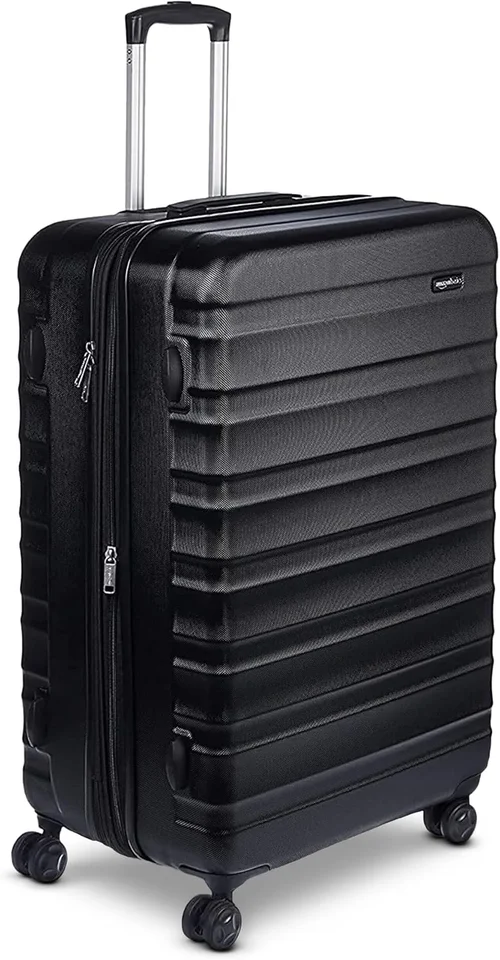
Traveling light is a dream—until you realize you need just a little more space. Whether it’s souvenirs from a weekend getaway, an unexpected gift from a client, or simply overpacking (we’ve all been there), expandable carry-on luggage offers the perfect compromise between airline compliance and packing flexibility. Unlike checked bags, your carry-on stays with you throughout your journey, so choosing one that can adapt to your needs is essential.
This comprehensive buying guide is designed for travelers who want smart, practical, and reliable luggage that grows when they do. Whether you’re a frequent flyer, a weekend warrior, or someone planning their first big trip, understanding what makes expandable carry-ons tick will save you time, money, and stress at the airport. We’ll walk you through every critical factor—from size and durability to zippers and warranty—so you can make an informed decision that fits your lifestyle and budget.
The market today is flooded with options, from budget-friendly softshells to high-end hardshells with built-in compression systems. Brands like Samsonite, Away, Travelpro, and Delsey have raised the bar, while newer entrants like Monos and July offer sleek, minimalist designs. With so many choices, it’s easy to feel overwhelmed. But don’t worry—by the end of this guide, you’ll know exactly what to look for, what to avoid, and how to get the best value for your investment.

What to Look for When Buying Expandable Carry-On Luggage
1. Size & Airline Compliance
The most important rule of carry-on luggage is staying within airline size limits. Most major U.S. carriers—including Delta, United, and American Airlines—allow carry-ons up to 22 x 14 x 9 inches (including wheels and handles). International airlines like Lufthansa, British Airways, and Emirates often have slightly stricter limits, typically around 21.5 x 15.5 x 9 inches. Expandable models add extra depth—usually 1.5 to 2.5 inches—when the zipper is unzipped, giving you more room without sacrificing portability.
When shopping, always check the expanded dimensions, not just the standard size. A bag that’s 9 inches deep when closed might swell to 11 inches when expanded. That extra inch could mean the difference between fitting in the overhead bin and being gate-checked. Look for models that clearly label both compressed and expanded dimensions. Some brands even include a “TSA-friendly” expansion zone that adds space without pushing you over the limit.
2. Expansion Mechanism & Zipper Quality
The heart of any expandable carry-on is its expansion system. Most use a full-girth zipper that runs around the perimeter of the bag, allowing the sides to flare outward. High-quality zippers—like YKK or Riri—are essential. These brands are known for smooth operation, resistance to jamming, and longevity. Avoid bags with flimsy plastic zippers or those that feel stiff or catch on fabric.
Some premium models feature dual zippers or a secondary expansion panel. For example, the Samsonite Winfield 3 DLX has a two-stage expansion system: one zipper adds moderate space, and a second unlocks maximum capacity. This gives you control over how much you expand, which is useful if you’re unsure how much extra room you’ll need. Test the zipper in-store if possible—open and close it several times to check for smoothness and resistance.
Also consider the zipper pull design. Larger, ergonomic pulls are easier to grip, especially with gloves or wet hands. Some bags include a lockable zipper tab for added security, though this is less common on carry-ons than checked luggage.
3. Build Quality & Durability
Durability determines how long your luggage will last—and how well it protects your belongings. Two main materials dominate the market: polycarbonate (hardshell) and ballistic nylon or polyester (softshell). Polycarbonate is lightweight, impact-resistant, and sleek, but it can scratch or crack under extreme pressure. Softshell bags are more flexible, often lighter, and better at absorbing impacts, but they’re more prone to tears and punctures.
Look for reinforced corners, especially on hardshell models. These areas take the most abuse during handling. Some brands, like Delsey, use “corner armor” made of rubber or thermoplastic polyurethane (TPU) to protect against drops and scrapes. Stitching should be tight and even, with no loose threads. On softshell bags, check the seam strength—double-stitched or welded seams are more durable than single stitching.
Frame construction matters too. Many high-end bags have an internal aluminum or composite frame that adds rigidity without adding weight. This helps the bag maintain its shape when expanded and prevents sagging when fully loaded. Avoid bags that feel flimsy or collapse when empty—they’re more likely to fail under stress.
4. Weight & Portability
Every ounce counts when you’re navigating terminals, stairs, or crowded sidewalks. A heavier bag means less room for your clothes and souvenirs. Most expandable carry-ons weigh between 6 and 9 pounds when empty. Premium models like the Away The Carry-On (7.6 lbs) and Monos Carry-On (7.3 lbs) strike a great balance between durability and lightness.
Wheels are a major factor in portability. Look for 360-degree spinner wheels—four wheels that rotate independently. These allow you to glide the bag sideways, turn corners smoothly, and maneuver in tight spaces. Avoid two-wheeled “roller” bags unless you prefer dragging. Test the wheels by pushing the bag across a hard floor—it should roll quietly and straight, with minimal wobble.
Handle design is equally important. Telescoping handles should extend smoothly and lock securely at multiple heights. Aluminum handles are stronger and lighter than plastic. Some models, like the Travelpro Platinum Elite, feature a contoured grip with soft-touch padding for comfort. Make sure the handle doesn’t rattle or feel loose when extended.
5. Interior Organization & Features
A well-organized interior saves time and reduces wrinkles. Look for multiple compartments, compression straps, and zippered pockets. Many expandable bags include a full-length garment folder or a removable laundry bag—ideal for business travelers. Some have a built-in shoe compartment or a waterproof pocket for wet items.
Compression systems are a game-changer. These use internal straps or panels to squeeze clothes down, maximizing space. The Briggs & Riley Baseline Expandable Carry-On features a patented “CX” compression system that can reduce volume by up to 30%. This is especially useful when you’ve expanded the bag and need to compress everything back down for the flight home.
Other features to consider: TSA-approved locks (though not always necessary on carry-ons), USB charging ports (built-in power banks are more reliable), and RFID-blocking pockets for credit cards and passports. While these extras are nice, prioritize functionality over gadgets—most travelers don’t need a bag that doubles as a power station.
6. Brand Reputation & Customer Support
Not all luggage brands are created equal. Established names like Samsonite, Travelpro, and Delsey have decades of experience and rigorous testing standards. They’re more likely to stand behind their products with strong warranties and responsive customer service. Newer brands like Away and July have gained popularity for design and innovation, but their long-term reliability is still being proven.
Research how each brand handles repairs and replacements. Some offer lifetime warranties that cover defects and even airline damage. Others limit coverage to manufacturing flaws. Read real customer reviews on sites like Amazon, REI, or Wirecutter to see how brands respond to issues. A company that replaces a broken wheel quickly is worth paying a little more for.
Also consider availability of replacement parts. Can you buy new wheels, handles, or zippers if something breaks? Brands with global service networks make it easier to get repairs while traveling.
7. Warranty & Return Policy
A good warranty is a sign of confidence in a product. Most reputable brands offer at least a 2- to 5-year limited warranty. Samsonite, for example, provides a 10-year global warranty on many models. This typically covers defects in materials and workmanship but not normal wear and tear or airline mishandling.
Read the fine print. Some warranties require registration within 30 days of purchase. Others exclude certain components like zippers or wheels. If you travel frequently, look for brands that offer “no-questions-asked” replacements or on-site repairs.
Return policies matter too. Online purchases should come with at least a 30-day return window. Some retailers, like Nordstrom or REI, offer extended returns or free return shipping. This gives you time to test the bag at home—fill it with clothes, roll it around, and see how it performs before committing.
8. User Reviews & Real-World Performance
Spec sheets and marketing copy can only tell you so much. Real user reviews reveal how a bag performs under actual travel conditions. Look for patterns in feedback: Do multiple users report zipper failures? Are the wheels noisy on carpet? Does the expansion zipper jam after a few trips?
Pay attention to reviews from frequent travelers—they’re more likely to stress-test a bag. Sites like Trustpilot, Reddit’s r/travel, and specialized forums like FlyerTalk offer detailed insights. Video reviews on YouTube can show you how the bag rolls, expands, and fits in overhead bins.
Be wary of overly positive reviews that sound scripted or lack detail. Genuine feedback often includes both pros and cons. A bag with 4.5 stars and honest critiques is often a better bet than one with 5 stars and vague praise.
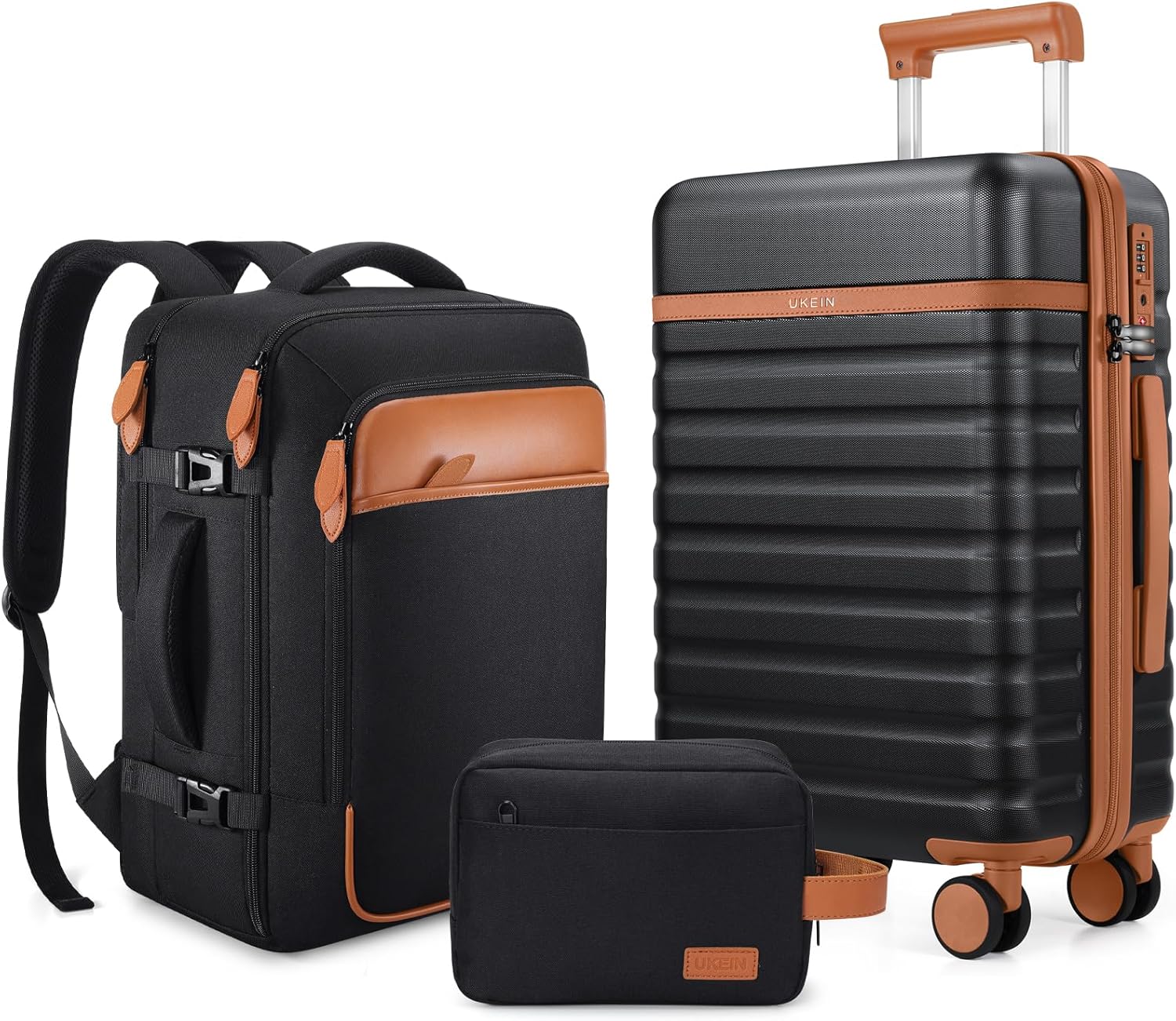
Different Types of Expandable Carry-On Luggage
Common Buying Mistakes to Avoid
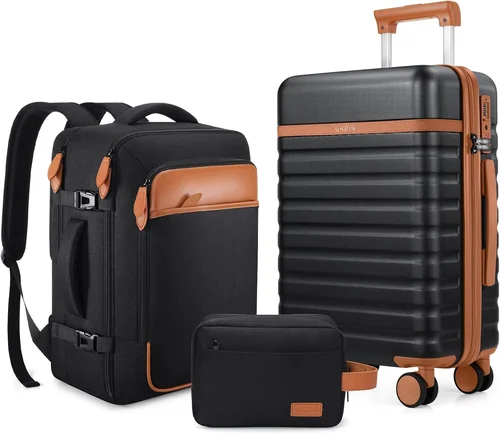
❌ Mistake: Ignoring Airline Size Limits
Why it’s bad: Even if a bag fits in the overhead bin on one flight, it might not on another. Airlines enforce size limits strictly, especially on full flights. A bag that’s slightly over the limit could be gate-checked, costing you time and money.
What to do instead: Always check the expanded dimensions and compare them to your airline’s carry-on policy. When in doubt, choose a bag that’s 1–2 inches smaller than the maximum allowed size.
❌ Mistake: Prioritizing Looks Over Function
Why it’s bad: A sleek, minimalist design might look great in photos, but if it lacks interior organization or has weak zippers, it will frustrate you on the road. Style shouldn’t come at the expense of usability.
What to do instead: Focus on features that matter: smooth wheels, sturdy handles, and smart compartments. You can always personalize a functional bag with stickers or luggage tags.
❌ Mistake: Skipping the Warranty Check
Why it’s bad: Luggage takes a beating. Without a solid warranty, a broken wheel or torn seam could mean buying a new bag every few years. Some brands charge high fees for repairs.
What to do instead: Choose a brand with at least a 5-year warranty and a clear repair process. Register your purchase and keep the receipt.
❌ Mistake: Overlooking Weight
Why it’s bad: A heavy bag eats into your packing allowance. If your empty carry-on weighs 9 lbs, you only have 11 lbs left for clothes and essentials on a 20-lb limit.
What to do instead: Aim for bags under 8 lbs. Ultra-light models can save you 2–3 lbs, which adds up over multiple trips.
❌ Mistake: Buying Based on Price Alone
Why it’s bad: The cheapest bag often costs more in the long run. Poor construction leads to frequent replacements, and you’ll miss out on features that make travel easier.
What to do instead: Think of luggage as an investment. A $200 bag that lasts 10 years is better value than a $80 bag that breaks after two trips.
❌ Mistake: Not Testing the Expansion
Why it’s bad: Some expansion zippers are stiff or hard to close when fully loaded. If you can’t zip it shut at home, you won’t be able to at the airport.
What to do instead: Fill the bag with clothes, expand it, and try zipping it closed. If it’s difficult, look for a model with a smoother mechanism.
❌ Mistake: Ignoring Return Policies
Why it’s bad: Online purchases can’t be tested before buying. Without a good return policy, you’re stuck with a bag that doesn’t meet your needs.
What to do instead: Buy from retailers with at least a 30-day return window and free return shipping. Test the bag thoroughly before the deadline.
Budget Guidelines: How Much Should You Spend?
- Entry-Level ($60–$120): These bags are great for occasional travelers or students. Expect basic features: single expansion zipper, lightweight polyester, and standard wheels. Brands like American Tourister and Rockland offer decent value, but durability may be limited. Look for reinforced corners and YKK zippers to stretch your budget.
- Mid-Range ($120–$250): This is the sweet spot for most buyers. You’ll find better materials (ballistic nylon or polycarbonate), improved wheels, and thoughtful interiors. Models like the Travelpro Maxlite 5 and Samsonite Centric offer excellent balance. Many include compression systems and TSA-friendly designs.
- Premium ($250–$400): For frequent flyers and business travelers, premium bags deliver top-tier performance. Expect lightweight hardshells, 360-degree spinners, and advanced organization. Brands like Briggs & Riley, Delsey, and Monos shine here. Warranties are often longer, and customer service is more responsive.
- Luxury ($400+): These are for enthusiasts who want the best. Think carbon fiber frames, silent wheels, and built-in tech like GPS trackers or app-controlled locks. The Rimowa Essential Lite and Away’s Aluminum Collection fall into this tier. While stylish, they may not offer significantly better functionality than premium models—so buy for the experience, not just the specs.

Expert Tips for Getting the Best Deal
- Buy during off-peak seasons: Airlines and retailers discount luggage in January (post-holiday) and August (back-to-school). Avoid peak travel months like June and December.
- Shop at specialty retailers: Stores like REI, Nordstrom, and Luggage Pros often have better return policies and expert staff than big-box stores.
- Check for bundle deals: Some brands offer discounts when you buy a carry-on and checked bag together. This is useful if you’re upgrading your entire set.
- Use price tracking tools: Sites like Honey, CamelCamelCamel, or Google Shopping can alert you when a bag drops in price.
- Consider refurbished models: Many brands sell certified pre-owned bags at 30–50% off. These are inspected, cleaned, and often come with the same warranty.
- Test in-store when possible: Roll the bag, extend the handle, and open the expansion zipper. Feel the weight and check the wheel alignment.
- Read the warranty fine print: Make sure it covers airline damage and includes international service centers if you travel abroad.
- Don’t forget the accessories: A luggage scale, packing cubes, and a TSA lock can enhance your experience and prevent overpacking.
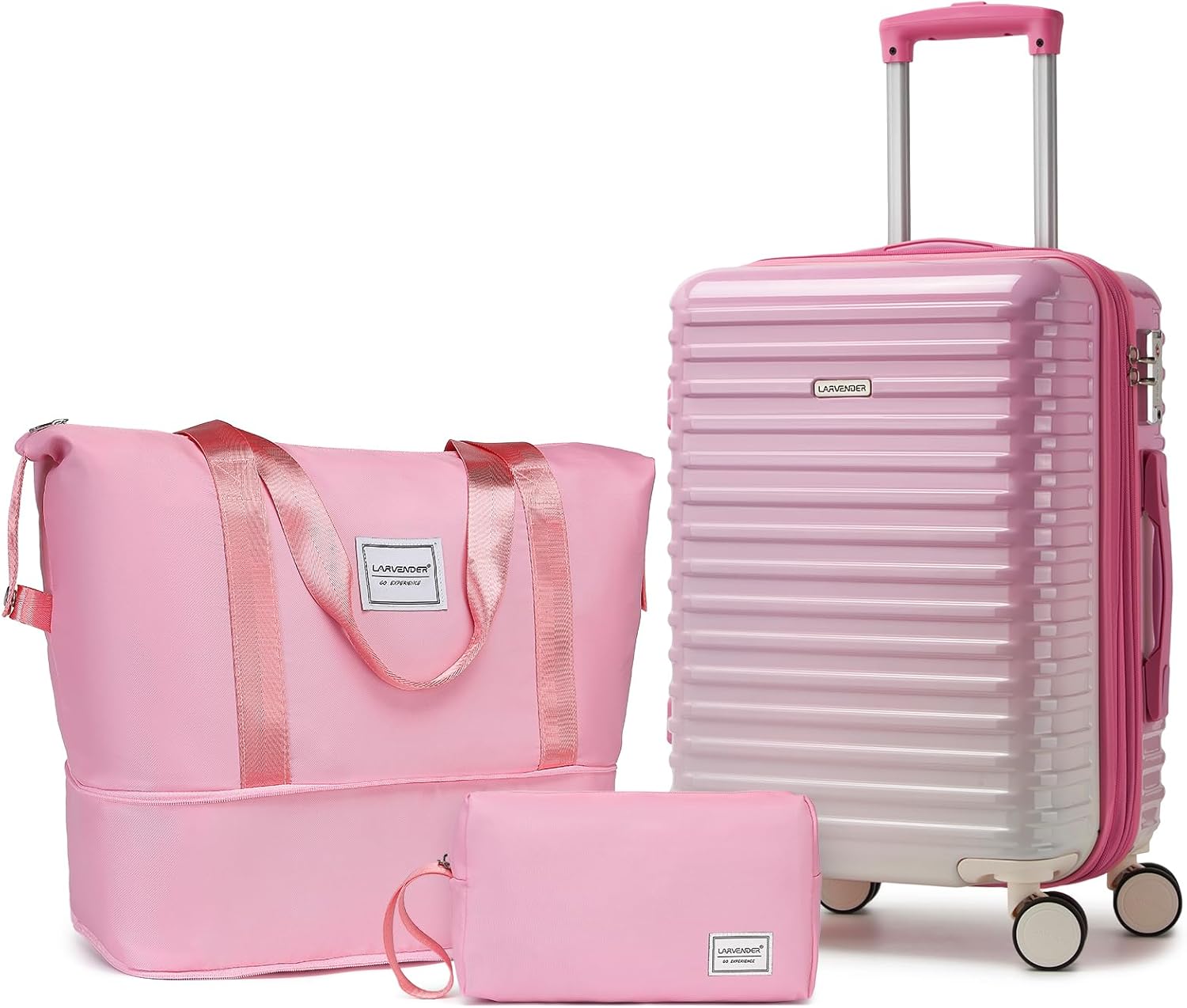
Frequently Asked Questions
Q: Will an expanded carry-on still fit in the overhead bin?
A: It depends on the airline and aircraft. Most domestic planes have bins deep enough for expanded bags (up to 11 inches), but regional jets and older planes may not. When in doubt, compress the bag before boarding or ask the gate agent.
Q: Can I lock an expandable carry-on?
A: Yes, but TSA-approved locks are recommended. These allow security agents to inspect your bag without breaking the lock. Avoid built-in locks on softshell bags—they’re often flimsy.
Q: How much extra space does expansion usually add?
A: Most expandable carry-ons add 1.5 to 2.5 inches of depth. That’s roughly 10–15 liters of extra volume—enough for a few extra outfits or souvenirs.
Q: Are hardshell bags better than softshell?
A: It depends on your needs. Hardshells protect better against crushing and look sleek, but they’re heavier and can scratch. Softshells are lighter and more flexible, ideal for tight spaces.
Q: Do expandable bags count as personal items?
A: No. Expandable carry-ons are still considered standard carry-ons, not personal items like purses or backpacks. They must fit in the overhead bin or under the seat.
Q: Can I use an expandable carry-on for international flights?
A: Yes, but check the airline’s size limits. Some international carriers have stricter rules. A bag that’s fine on Delta might be too big for Ryanair.
Q: What’s the best way to clean an expandable carry-on?
A: For hardshells, use a damp cloth and mild soap. Avoid harsh chemicals. For softshells, spot-clean with a fabric cleaner and air dry. Never machine wash.
Q: How long should a good carry-on last?
A: With proper care, a quality bag should last 5–10 years. Frequent travelers may need to replace wheels or zippers sooner, but the shell should remain intact.
Q: Are there expandable carry-ons with built-in chargers?
A: Yes, but built-in batteries are often removable for airline compliance. Models like the July Carry-On Pro include a removable power bank. Always check FAA regulations before flying.
Q: What if my bag gets damaged by the airline?
A: Most airlines will cover repair or replacement if they damage your luggage. File a report at the airport and keep your boarding pass and baggage claim ticket. Some luggage warranties also cover airline damage.
Our Final Recommendations
- Best for Budget-Conscious Buyers: American Tourister Moonlight Expandable Carry-On – Under $100, lightweight, and airline-compliant. Great for occasional travelers who want reliability without the price tag.
- Best Overall Value: Samsonite Centric Hardside Expandable – Durable polycarbonate, smooth spinners, and a 10-year warranty. Priced around $180, it’s a workhorse for frequent flyers.
- Best Premium Option: Briggs & Riley Baseline Expandable Carry-On – Features the patented CX compression system, lifetime warranty, and exceptional build quality. Ideal for business travelers who demand the best.
- Best for Beginners: Travelpro Maxlite 5 Softside Expandable – Lightweight, easy to maneuver, and packed with smart features. A great first expandable bag for new travelers.
- Best for Advanced Users: Monos Carry-On – Sleek hardshell design, silent wheels, and a minimalist aesthetic. Perfect for travelers who value style and performance.
Conclusion: Making the Right Choice
Choosing the right expandable carry-on luggage isn’t just about finding the biggest bag or the shiniest shell—it’s about matching your travel habits, budget, and priorities to a product that will serve you well for years. Whether you’re a weekend explorer or a globe-trotting executive, the perfect bag exists. It’s the one that fits your airline’s rules, holds your essentials, and grows with your needs.
Remember: the best luggage is the one you don’t have to think about. It rolls smoothly, opens easily, and protects your belongings without weighing you down. By focusing on key factors like size, durability, and warranty—and avoiding common pitfalls—you’ll make a smart investment that pays off trip after trip.
So take your time. Read reviews. Test models in-store. And when you find the right one, treat it well—it’ll be your travel companion for many adventures to come. Safe travels!