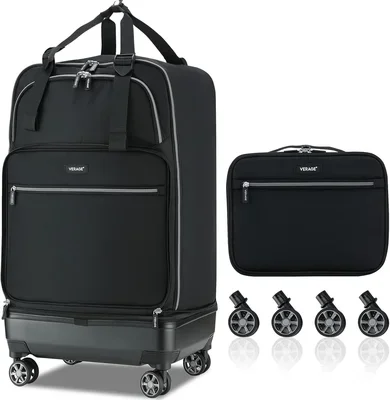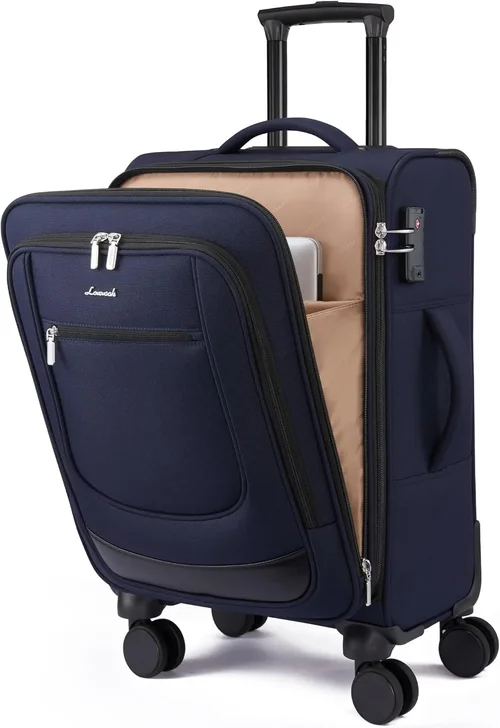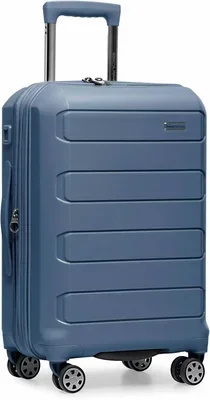
Choosing the right suitcase can feel like navigating a maze of sizes, materials, and price tags. If you have ever stood in an airport terminal wondering whether your bag will survive the conveyor belt or fit in the overhead bin, you know the stakes. This guide is built to cut through the noise and give you a clear, step‑by‑step framework for picking the perfect Embark expandable luggage for your travel style.
Over the next sections you will learn the most important factors to weigh, the different product families Embark offers, common pitfalls that cost travelers money, and a realistic budget breakdown. We’ll also share insider timing tips, answer the questions we hear most often, and finish with concrete recommendations for every type of buyer. By the end you’ll feel confident walking into a store or clicking “Add to Cart” knowing exactly what you need.

What to Look for When Buying Buying Guide
1. Size and Capacity
Size is the first filter because airlines enforce strict linear‑inch limits for carry‑ons and checked bags. Embark’s expandable line typically ranges from 20‑inch carry‑ons to 30‑inch check‑in models. Measure the interior dimensions, not just the exterior, and add the expansion zipper allowance (usually 1.5‑2 inches). A 22‑inch carry‑on that expands to 24 inches can swallow a weekend’s wardrobe while still fitting most overhead bins.
2. Build Quality and Materials
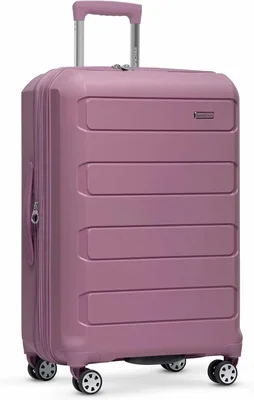
Hard‑shell cases use polycarbonate or ABS blends; soft‑shell versions rely on ballistic nylon or polyester. Polycarbonate resists cracking on impact, while ballistic nylon resists abrasion and tears. Look for reinforced corners, double‑stitched seams, and a sturdy frame that doesn’t flex when you press the sides. A well‑built shell protects fragile electronics and keeps the expansion mechanism aligned over years of use.
3. Wheel System and Maneuverability
Four‑wheel spinner sets let you glide beside you, reducing wrist strain. Check wheel diameter (larger wheels roll over cracks better), bearing quality (sealed ball bearings last longer), and whether the wheels are recessed into the shell for protection. Test the bag on carpet, tile, and cobblestone if possible; a smooth 360° spin is a hallmark of a premium set.
4. Handle Ergonomics and Telescoping Mechanism
The telescopic handle should lock at multiple heights (usually three) and retract with a single push. Grip material matters: rubberized or contoured handles reduce fatigue on long walks. Ensure the handle tube is made of aluminum or high‑grade steel; plastic tubes can bend under heavy loads.
5. Expansion Mechanism Reliability
Embark’s signature feature is the zippered expansion gusset. Look for a YKK or equivalent zipper with a lockable pull tab. The gusset fabric should be the same denier as the main body to avoid weak points. Open and close the expansion several times in the store; it should move freely without snagging.
6. Interior Organization
Divided compartments, compression straps, mesh pockets, and a dedicated laptop sleeve turn a hollow shell into a packing system. Removable laundry bags and wet‑dry pockets add versatility. If you travel with tech, verify the laptop pocket fits your device dimensions (most 15‑inch sleeves accommodate up to 15.6 inches).
7. Weight
Airline weight limits for checked bags are often 50 lb (23 kg). A 9‑lb empty suitcase leaves only 41 lb for your belongings. Lightweight polycarbonate shells can weigh as little as 6 lb for a 26‑inch model, while heavy‑duty ballistic nylon may hit 10 lb. Weigh the empty bag before buying; every pound saved is a pound you can pack.
8. Warranty and Customer Support
Embark typically offers a limited lifetime warranty covering defects in materials and workmanship. Read the fine print: does it cover wheel replacement, zipper failure, or handle damage? A responsive support team and easy claim process (online form, prepaid shipping label) can save you headaches down the road.
Different Types of Buying Guide

Each family serves a distinct travel rhythm. Carry‑ons keep you agile; medium check‑ins hit the sweet spot for most leisure trips; large check‑ins handle bulk; soft‑side sets give you outside pockets for quick‑grab items; hard‑side sets shield delicate gear. Match the type to your typical itinerary and you’ll avoid buying a bag that sits unused.
Common Buying Mistakes to Avoid
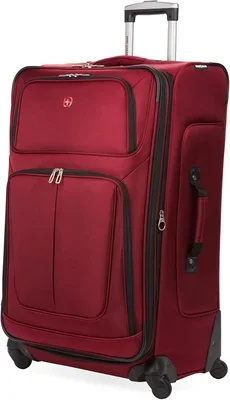
❌ Mistake: Ignoring Airline Size Restrictions
Why it’s bad: A bag that looks perfect in the store may be rejected at the gate, forcing you to check it and pay fees. What to do instead: Verify the exact linear‑inch limits for your most‑flown carriers (usually 45 in for carry‑ons, 62 in for checked). Choose a model that stays within those limits even when expanded.
❌ Mistake: Prioritizing Looks Over Function
Why it’s bad: Glossy finishes scratch easily; trendy colors may show dirt. What to do instead: Pick a matte or textured finish that hides scuffs. Neutral tones (black, navy, graphite) stay professional and age gracefully.
❌ Mistake: Overlooking Wheel Quality
Why it’s bad: Cheap plastic wheels crack on rough pavement, leaving you dragging a heavy case. What to do instead: Insist on sealed ball‑bearing spinner wheels with a diameter of at least 2.5 in. Test roll on a textured surface before purchase.
❌ Mistake: Skipping the Expansion Test
Why it’s bad: A stiff or misaligned zipper can jam when you need extra space most. What to do instead: Open and close the expansion gusset five times in the store. Feel for smooth travel and confirm the zipper locks securely.
❌ Mistake: Buying Without a Warranty Check
Why it’s bad: Some retailers sell “gray market” units without manufacturer coverage. What to do instead: Purchase from authorized dealers or directly from Embark. Keep the receipt and register the product online immediately.
❌ Mistake: Ignoring Weight Distribution
Why it’s bad: A heavy empty bag eats into your allowance, leading to overweight fees. What to do instead: Target an empty weight under 8 lb for a 26‑inch check‑in. Use a luggage scale at home to confirm.
❌ Mistake: Forgetting Interior Layout Needs
Why it’s bad: A single cavernous compartment forces you to rummage for socks. What to do instead: Choose a model with at least two zippered dividers, compression straps, and a dedicated laptop sleeve if you carry tech.
Budget Guidelines: How Much Should You Spend?
Entry‑Level ($100 – $150)
Expect basic polycarbonate or 600‑denier polyester shells, two‑wheel inline rollers, and a single expansion zipper. Wheels may be plastic, handles single‑stage. Good for occasional travelers who fly once or twice a year and don’t mind replacing the bag every 3‑4 years.
Mid‑Range ($150 – $250)
This tier delivers four‑wheel spinners, aluminum telescoping handles, YKK expansion zippers, and interior compression straps. Materials upgrade to 800‑denier ballistic nylon or reinforced polycarbonate. Most buyers find the sweet spot here: durability for 5‑7 years of regular use without breaking the bank.
Premium ($250 – $350)
Premium models add features like integrated TSA‑approved locks, removable garment sleeves, USB pass‑through ports (power bank not included), and self‑healing zipper coils. Shells often use a proprietary polycarbonate blend that resists cracking at sub‑zero temperatures. Ideal for road warriors logging 30+ flights annually.
Luxury ($350+)
Top‑tier sets include hand‑stitched leather accents, carbon‑fiber reinforced frames, whisper‑quiet Hinomoto wheels, and a lifetime “no‑questions‑asked” replacement policy. These are statement pieces for travelers who value prestige and absolute reliability above cost.
Expert Tips for Getting the Best Deal
- Shop off‑season: January and September see the deepest discounts as retailers clear holiday inventory.
- Compare authorized retailers: Embark’s website, major department stores, and specialty luggage shops often run exclusive bundles (e.g., add a packing cube set for $10).
- Use cashback portals: Sites like Rakuten or credit‑card shopping portals can return 3‑5 % on luggage purchases.
- Check return policies: A 30‑day no‑questions return lets you test the bag on a real trip.
- Inspect in‑store before buying online: Feel the wheel spin, handle lock, and expansion zipper. Then order the exact SKU online for the best price.
- Bundle with accessories: Packing cubes, toiletry kits, and luggage tags purchased together often ship free.
- Register for warranty immediately: Some brands extend coverage only if registered within 30 days.
- Consider refurbished units: Manufacturer‑refurbished bags carry the same warranty at 20‑30 % off.

Frequently Asked Questions
Q: What does “expandable” mean on Embark luggage?
A: An expandable suitcase has a hidden zippered gusset that adds 1.5‑2 inches of depth, increasing packing volume by roughly 15‑25 %. When zipped closed the bag meets standard airline dimensions; when opened you gain extra space for souvenirs or bulkier clothing.
Q: Can I use an Embark carry‑on on all major airlines?
A: Most 22‑inch Embark carry‑ons comply with the 45‑linear‑inch limit used by U.S. carriers. International low‑cost airlines sometimes enforce stricter limits (e.g., 42 in). Always verify the specific carrier’s policy before flying.
Q: Are the spinner wheels replaceable?
A: Yes. Embark sells wheel kits for each model. Replacement requires a Phillips screwdriver and takes under 10 minutes. The limited lifetime warranty covers wheel defects, but normal wear after several years is considered maintenance.
Q: How do I clean a hard‑shell Embark suitcase?
A: Wipe the exterior with a damp microfiber cloth and mild soap. Avoid abrasive cleaners or solvents that can dull the finish. For scuffs, a small amount of automotive polishing compound restores shine.
Q: Does the expansion zipper weaken the bag’s structure?
A: Embark reinforces the gusset with double‑stitched seams and a polymer zipper tape that distributes stress. In independent drop tests, expanded bags performed within 5 % of non‑expanded counterparts.
Q: What is the weight of a typical 26‑inch Embark expandable check‑in?
A: Hard‑shell models weigh 7.5‑8.5 lb; soft‑side versions weigh 8.5‑9.5 lb. Always check the spec sheet for the exact SKU you’re considering.
Q: Can I lock the expansion zipper?
A: Most models include a lockable zipper pull that accepts a TSA‑approved shackle. Locking the expansion prevents accidental opening during handling.
Q: Is there a difference between the “Traveler” and “Voyager” series?
A: The Traveler line targets value‑focused buyers with slightly thinner shells and two‑wheel configurations. The Voyager line upgrades to four‑wheel spinners, higher‑denier fabrics, and premium interior organization.
Q: How do I file a warranty claim?
A: Log into your Embark account, select “Submit Claim,” upload photos of the defect, and describe the issue. Approved claims receive a prepaid shipping label for repair or replacement.
Q: Are Embark bags water‑resistant?
A: Hard‑shell cases are inherently water‑resistant; soft‑side models feature a durable water‑repellent (DWR) coating that handles light rain. For heavy downpours, use a rain cover.
Our Final Recommendations
- Best for Budget‑Conscious Buyers: Embark 22‑inch Carry‑On Spinner (Entry‑Level). Lightweight, meets most airline limits, expands for weekend trips, priced around $120.
- Best Overall Value: Embark 25‑inch Medium Check‑In (Mid‑Range). Four‑wheel spinner, aluminum handle, YKK expansion, interior compression straps — typically $190. Handles 1‑week trips with ease.
- Best Premium Option: Embark 28‑inch Large Check‑In (Premium). Integrated TSA lock, USB pass‑through, self‑healing zippers, Hinomoto wheels. Ideal for frequent flyers; around $300.
- Best for Beginners: Embark 2‑Piece Soft‑Side Set (Carry‑On + 24‑in Check‑In). External pockets for quick access, forgiving fabric, simple expansion. Priced near $210.
- Best for Advanced Users: Embark 3‑Piece Hard‑Side Set (Carry‑On, Medium, Large). Carbon‑fiber reinforced frame, whisper‑quiet wheels, lifetime no‑questions warranty. Investment around $380.
Conclusion: Making the Right Choice
You now have a complete roadmap: start with size and airline compliance, then evaluate build quality, wheels, handle, expansion reliability, interior layout, weight, and warranty. Match those criteria to the type of travel you do most — business, family vacation, or long‑term relocation — and pick the price tier that aligns with how often you’ll use the bag. Remember to test the expansion zipper, roll the wheels on a rough surface, and register the warranty the moment you get home.
Travel is stressful enough without worrying whether your luggage will survive the journey. Armed with this guide, you can walk into any store or browse any site with confidence, knowing exactly what to look for and what to avoid. Happy packing, and may your next adventure be smooth from curb to carousel.