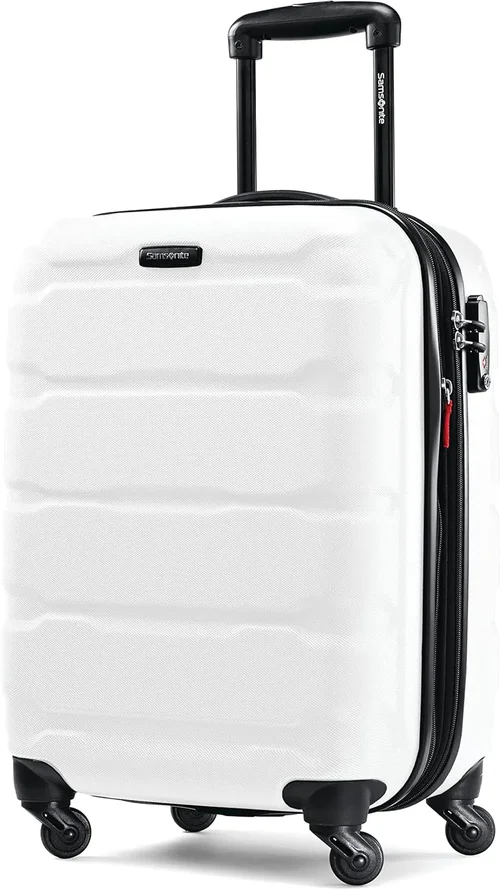
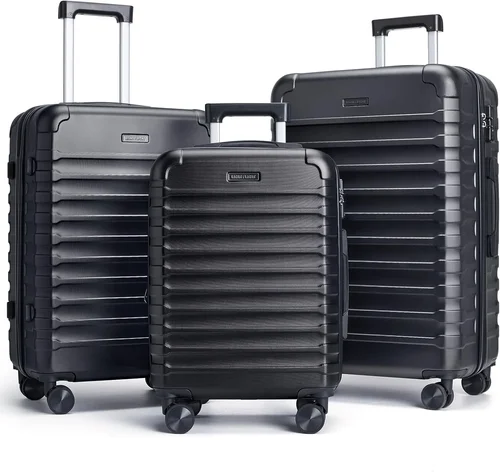
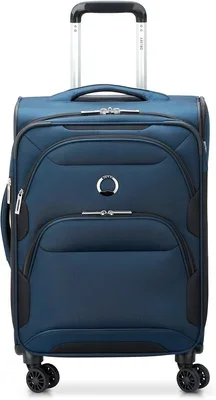
Traveling light doesn’t mean sacrificing comfort or convenience—especially when you’ve got the right carry-on luggage by your side. In today’s fast-paced world of air travel, where every minute counts and overhead bin space is fiercely contested, a well-designed 22x14x9 expandable carry-on suitcase can be your secret weapon. This specific size—22 inches in height, 14 inches in width, and 9 inches in depth—is widely recognized as the standard maximum for most major U.S. airlines, including Delta, American, United, and Southwest. It’s the sweet spot between compact portability and generous packing capacity, especially when the bag features an expandable design that adds extra inches when needed.
But not all expandable carry-ons are created equal. With hundreds of options flooding the market—from budget-friendly picks at big-box retailers to sleek, high-tech models from premium brands—it’s easy to feel overwhelmed. That’s where this comprehensive buying guide comes in. Whether you’re a frequent flyer logging 50,000 miles a year or someone planning their first international trip, we’ll walk you through everything you need to know to make a smart, informed decision. You’ll learn how to evaluate build quality, understand the nuances of expansion mechanisms, compare wheel types, assess organizational features, and even decode warranty policies—all tailored specifically to the 22x14x9 expandable carry-on category.
The market for carry-on luggage has evolved dramatically over the past decade. Gone are the days of clunky, single-compartment suitcases with flimsy zippers and wobbly handles. Today’s travelers demand smart design, durable materials, intuitive organization, and seamless mobility—all wrapped in a package that fits snugly under the seat or in the overhead bin. Expandable models have surged in popularity because they offer flexibility: pack light for a weekend getaway, then unzip the gusset to accommodate souvenirs or unexpected purchases on the return flight. However, this added functionality often comes with trade-offs in weight, structural integrity, or price. Our goal is to help you navigate these trade-offs with confidence, so you end up with a suitcase that doesn’t just meet your needs—but exceeds them.

What to Look for When Buying Buying Guide
1. Size & Airline Compliance
When shopping for a 22x14x9 expandable carry-on, the first and most critical factor is ensuring it meets airline size restrictions—even when expanded. While 22x14x9 inches is the standard “non-expanded” limit for most domestic carriers, many airlines strictly enforce these dimensions at the gate. If your bag exceeds this when fully expanded (often adding 2–3 inches in depth), it may be forced into checked baggage, costing you time and money. Always check the manufacturer’s stated dimensions for both compressed and expanded states. Some brands cleverly design their expansion zippers to add volume without pushing the overall depth beyond 9 inches when partially unzipped—a smart feature worth looking for.
2. Build Quality & Durability
The lifespan of your carry-on hinges on its construction. Look for materials like polycarbonate (lightweight and impact-resistant), ballistic nylon (tough and abrasion-resistant), or high-density polyester (affordable and reliable). Avoid thin, flimsy plastics or poorly stitched fabrics that tear under stress. Reinforced corners, double-stitched seams, and robust zippers (ideally YKK or equivalent) are signs of a well-built bag. Pay special attention to the expansion zipper—it should glide smoothly and feel sturdy, not like it might burst under pressure. A durable shell protects your belongings during rough handling, while quality internals ensure longevity through countless trips.
3. Weight & Portability
Every ounce matters when you’re navigating crowded terminals or lifting your bag into an overhead bin. An empty 22x14x9 expandable carry-on should ideally weigh between 6 and 8.5 pounds. Heavier bags eat into your personal item allowance and make maneuvering more tiring. Lightweight doesn’t have to mean weak—modern polycarbonate shells can be both featherlight and incredibly strong. Also consider the handle system: telescoping handles should extend smoothly, lock securely at multiple heights, and retract flush when not in use. Ergonomic grip padding and a stable base prevent wrist strain and tipping.
4. Wheel System & Maneuverability
Wheels are arguably the most important moving part of your suitcase. Opt for 360-degree spinner wheels (four wheels that rotate independently) over two-wheel designs for superior agility in tight spaces. Look for wheels made from durable polyurethane or rubber—they absorb shock better and roll quietly on tile, carpet, and uneven surfaces. Test the rolling motion if possible; a good set of wheels should glide effortlessly with minimal effort. Avoid cheap plastic wheels that crack or wobble after a few trips. Larger-diameter wheels (around 2–3 inches) handle bumps and thresholds more gracefully than tiny ones.
5. Expansion Mechanism & Capacity
The “expandable” feature is what sets these bags apart, but not all expansion systems are equal. Most use a zippered gusset that adds 1.5 to 3 inches of depth when unzipped. Check how much extra space you actually gain—some bags advertise expansion but only offer marginal gains. More importantly, assess how the expansion affects structural stability. A well-designed expandable carry-on maintains rigidity even when fully expanded, thanks to internal frames or reinforced sidewalls. Avoid bags that become floppy or lopsided when stretched, as this compromises protection and ease of use.
6. Interior Organization & Compartmentalization
A cluttered suitcase leads to lost items, wrinkled clothes, and frustration at security checkpoints. Look for thoughtful interior features: zippered mesh pockets, compression straps, shoe compartments, and garment folders. Some premium models include removable laundry bags, tech sleeves, or built-in packing cubes. Compression straps are especially valuable—they let you cinch down bulky items and maximize space, particularly useful when using the expansion feature. Avoid overly complex layouts with too many small pockets; simplicity often wins for quick access and efficient packing.
7. Security Features
Your carry-on holds valuables, documents, and personal items—so security matters. Integrated TSA-approved locks allow airport screeners to inspect your bag without damaging the lock. Look for models with recessed or hidden zippers to deter casual theft. Some high-end bags include RFID-blocking pockets for credit cards and passports. While no carry-on is completely theft-proof, these features add peace of mind, especially in busy airports or shared accommodations.
8. Brand Reputation & Customer Support
Not all luggage brands stand behind their products equally. Research brands known for reliability and responsive customer service—Samsonite, Travelpro, Away, and Rimowa consistently rank high in user satisfaction. Read real customer reviews (not just star ratings) to spot recurring issues like broken wheels, zipper failures, or poor warranty support. A reputable brand often means better access to replacement parts, repair services, and hassle-free returns. Don’t overlook smaller niche brands, though—some offer exceptional value with direct-to-consumer models that cut out retail markups.
9. Warranty & Return Policy
A strong warranty is a strong indicator of a manufacturer’s confidence in their product. Look for at least a 5-year limited warranty that covers defects in materials and workmanship. Some premium brands offer lifetime warranties or “no-questions-asked” replacement policies. Read the fine print: many warranties exclude damage from airline handling or normal wear and tear. Also check the return window—30 days is standard, but some retailers offer 60 or even 90 days, giving you time to test the bag on a real trip.
Different Types of Buying Guide

Common Buying Mistakes to Avoid

❌ Mistake: Ignoring Expanded Dimensions
Why it’s bad: Many buyers assume “22x14x9” means the bag will always fit—even when expanded. But unzipping the gusset can push the depth to 11 or 12 inches, violating airline rules and forcing you to check the bag last-minute.
What to do instead: Always verify the expanded depth in the product specs. Choose bags that expand vertically or laterally without exceeding 9 inches in total depth, or plan to use expansion only when checking the bag.
❌ Mistake: Prioritizing Looks Over Function
Why it’s bad: A shiny, Instagram-worthy suitcase might catch your eye, but if it has weak zippers, wobbly wheels, or no interior organization, it’ll frustrate you on every trip.
What to do instead: Focus on functional design first—wheels, handle, zippers, and compartments. Style is a bonus, not a requirement.
❌ Mistake: Skipping the Warranty Fine Print
Why it’s bad: A “lifetime warranty” sounds great—until you discover it doesn’t cover airline damage or requires you to pay for shipping both ways.
What to do instead: Read the warranty terms carefully. Look for brands that offer free repairs or replacements, even for airline-caused damage.
❌ Mistake: Buying Based Solely on Price
Why it’s bad: The cheapest bag might save you $30 upfront but cost you $200 in replacement costs after a single trip due to broken wheels or a torn shell.
What to do instead: Consider cost per trip. A $150 bag that lasts 5 years is a better value than a $70 bag that fails after two trips.
❌ Mistake: Overlooking Wheel Quality
Why it’s bad: Cheap wheels are the #1 cause of carry-on failure. They crack, jam, or fall off, leaving you dragging a heavy bag through the terminal.
What to do instead: Test the wheels in-store if possible. Look for smooth, quiet rolling and sturdy axle construction.
❌ Mistake: Assuming All Expandable Bags Are Equal
Why it’s bad: Some expansion zippers are flimsy and prone to bursting under pressure, while others add minimal space.
What to do instead: Check user reviews for comments on expansion performance. Look for reinforced gussets and dual zippers for added strength.
❌ Mistake: Not Testing the Handle
Why it’s bad: A stiff, jerky, or wobbly handle makes maneuvering exhausting, especially in crowded airports.
What to do instead: Extend and retract the handle multiple times. It should lock firmly at each height and feel solid, not rattly.
Budget Guidelines: How Much Should You Spend?
- Entry-Level ($50–$100): These bags are ideal for occasional travelers or students. Expect basic polyester shells, simple zippers, and minimal interior features. Durability is limited—great for short domestic trips but may not survive frequent use. Brands like American Tourister or generic Amazon basics fall here.
- Mid-Range ($100–$200): This is the sweet spot for most buyers. You’ll find well-constructed polycarbonate or nylon shells, reliable spinner wheels, TSA locks, and smart organization. Brands like Travelpro, Samsonite Silhouette, and AmazonBasics Premium offer excellent value here. These bags balance price, performance, and longevity.
- Premium ($200–$350): For frequent flyers and business travelers, this tier delivers top-tier materials, advanced features (like compression systems or modular interiors), and superior craftsmanship. Expect lightweight yet durable builds, silent wheels, and generous warranties. Away, Briggs & Riley, and Tumi dominate this space.
- Luxury ($350+): These are the Ferraris of carry-ons—handcrafted, tech-integrated, and built to last decades. Features may include aluminum frames, GPS tracking, built-in scales, or custom monogramming. Rimowa, Horizn Studios, and G-Form cater to discerning travelers who prioritize design and innovation.

Expert Tips for Getting the Best Deal
- Shop During Off-Peak Seasons: Airlines and retailers often discount luggage in January (post-holiday) and August (pre-fall travel). Black Friday and Cyber Monday also offer solid deals, but selection may be limited.
- Buy Direct from Brand Websites: Many brands offer exclusive colors, extended warranties, or free monogramming when you purchase directly. They also frequently run site-wide sales not available in stores.
- Check Return Policies Before Buying: A generous return window (60+ days) lets you test the bag on a real trip. Avoid retailers with restocking fees or short windows.
- Look for Open-Box or Refurbished Deals: Retailers like Best Buy or manufacturer outlets often sell returned or demo units at 20–40% off—often with full warranties intact.
- Bundle with Other Travel Gear: Some brands offer discounts when you buy a carry-on with a backpack or packing cubes. This can save you $20–$50 overall.
- Read Recent Reviews: Luggage models change yearly. A 5-star review from 2018 might not reflect the 2024 version. Focus on reviews from the past 6–12 months.
- Consider Resale Value: Premium brands like Away or Rimowa hold their value better if you ever decide to sell. This isn’t critical for most, but it’s a nice bonus.
- Test Before You Commit: If possible, visit a store like REI, Target, or a luggage specialty shop to handle the bag in person. Feel the weight, test the wheels, and inspect the zippers.

Frequently Asked Questions
Q: Will a 22x14x9 expandable carry-on fit in all overhead bins?
A: While 22x14x9 is the standard for most U.S. airlines, some regional jets and international carriers have smaller bins. Always check your specific airline’s policy. When expanded, the bag may not fit—so use expansion wisely or check it if needed.
Q: How much extra space does the expansion typically add?
A: Most expandable carry-ons add 1.5 to 3 inches of depth. This can increase capacity by 15–25%, enough for a few extra outfits or souvenirs. Check the product description for exact numbers.
Q: Are hard shell or soft shell bags better?
A: Hard shells (like polycarbonate) offer better protection against impacts and are more water-resistant. Soft shells (like nylon) are often lighter and more flexible, fitting better under seats. Choose based on your travel style—hard for rough handling, soft for versatility.
Q: Can I use the expansion feature and still carry it on?
A: It depends. If the expanded depth exceeds 9 inches, many airlines will require checking. Some bags are designed to expand without violating size limits—look for “compliant expansion” in the specs.
Q: What’s the difference between 4-wheel and 2-wheel carry-ons?
A: Four-wheel (spinner) models rotate 360 degrees, making them easier to maneuver in tight spaces. Two-wheel (roller) models are often more stable on uneven terrain but require tilting to move. Most travelers prefer spinners for airport use.
Q: How do I clean and maintain my carry-on?
A: Wipe hard shells with a damp cloth and mild soap. For soft shells, spot-clean with a fabric cleaner. Lubricate wheels occasionally with silicone spray. Store in a cool, dry place—not in a hot car trunk.
Q: Are smart carry-ons worth the extra cost?
A: Only if you’ll use the features. Built-in USB ports are convenient, but many airports now have charging stations. GPS tracking is useful but may require a subscription. For most, a traditional bag with a portable power bank is more practical.
Q: What should I do if my carry-on gets damaged by the airline?
A: Report it immediately at the baggage service office before leaving the airport. Take photos and keep your boarding pass. Most airlines will cover repairs or replacements, especially if you have travel insurance.
Q: Can I bring liquids in my expandable carry-on?
A: Yes, but they must comply with TSA’s 3-1-1 rule: containers under 3.4 oz (100ml), all fitting in a single quart-sized clear bag. Expansion doesn’t affect this rule—it applies to all carry-ons.
Q: How long should a good carry-on last?
A: With proper care, a quality mid-range or premium carry-on should last 5–10 years. Frequent flyers may need replacement sooner due to heavy use, but a solid warranty can extend its life.
Our Final Recommendations
- Best for Budget-Conscious Buyers: Travelpro Maxlite 5 Softside Expandable Carry-On – At under $100, it offers lightweight design, durable polyester construction, and reliable spinner wheels. Perfect for occasional travelers who want quality without the premium price.
- Best Overall Value: Samsonite Winfield 3 DLX Hardside Expandable – Priced around $180, this polycarbonate beauty combines sleek looks, smooth-rolling wheels, and a smart interior with compression straps. It’s airline-compliant even when partially expanded and backed by a 10-year warranty.
- Best Premium Option: Away The Carry-On (Bigger) – At $275, it’s an investment, but you get a lightweight polycarbonate shell, 360-degree wheels, built-in compression, and a removable laundry bag. The sleek design and lifetime warranty make it a favorite among frequent flyers.
- Best for Beginners: AmazonBasics Hardside Expandable Spinner Suitcase – Simple, affordable ($70–$90), and surprisingly durable. Great for first-time buyers or those testing the waters of carry-on travel.
- Best for Advanced Users: Briggs & Riley Baseline Domestic Carry-On Expandable – At $450+, it’s a splurge, but the CX compression system, lifetime guarantee (including airline damage), and buttery-smooth handle make it the gold standard for serious travelers.
Conclusion: Making the Right Choice
Choosing the right 22x14x9 expandable carry-on isn’t just about finding a bag that fits in the overhead bin—it’s about investing in a travel companion that enhances your journey, protects your belongings, and stands the test of time. Throughout this guide, we’ve covered the essential factors: size compliance, build quality, wheel performance, expansion mechanics, interior organization, security, brand reputation, and warranty coverage. We’ve compared different types, highlighted common pitfalls, outlined budget tiers, and shared expert strategies for getting the best deal.
Remember, the “best” suitcase is the one that aligns with your unique travel habits, budget, and priorities. If you fly once a year for vacation, a mid-range softshell might be perfect. If you’re logging weekly business trips, a premium hardside with a lifetime warranty could pay for itself in peace of mind. Don’t let flashy marketing or trendy colors cloud your judgment—focus on functionality, durability, and real user feedback.
Before you click “buy,” take a moment to reflect: How often do you travel? What kinds of trips do you take? Do you need extra space for souvenirs? Will you be navigating cobblestone streets or smooth airport floors? Answering these questions will guide you to the ideal choice.
And when you do find that perfect bag, treat it well—clean it, store it properly, and report any issues promptly. A little care goes a long way in extending its life.
So go ahead—pack smart, travel light, and move through the world with confidence. Your next adventure awaits, and with the right carry-on by your side, you’ll be ready for whatever comes your way. Safe travels!