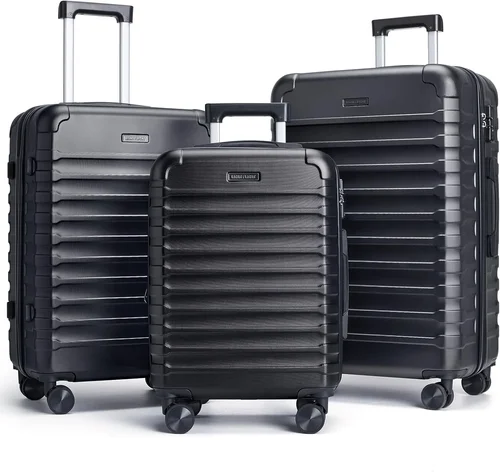
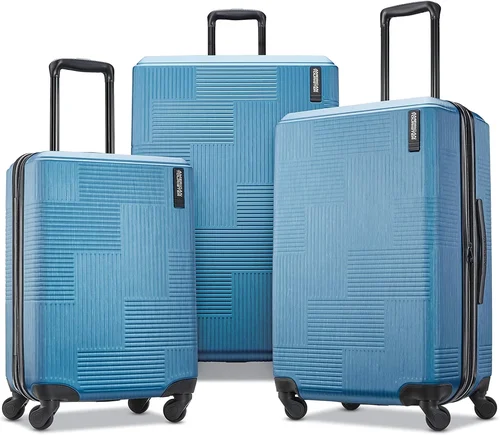
Traveling light doesn’t mean sacrificing comfort or convenience—especially when you’ve got the right carry-on luggage by your side. In today’s fast-paced world of air travel, where every minute counts and overhead bin space is fiercely contested, an expandable carry-on suitcase can be a game-changer. Whether you’re a frequent business traveler, a weekend adventurer, or someone who simply prefers to skip the baggage claim line, choosing the right expandable carry-on is about more than just picking a stylish bag. It’s about finding a reliable travel companion that adapts to your needs, protects your belongings, and fits seamlessly into your lifestyle.
This comprehensive guide is designed to help you navigate the crowded market of expandable carry-on luggage with confidence. We’ll walk you through the essential features to consider, compare different types and price points, highlight common pitfalls to avoid, and share expert tips to ensure you get the best value for your investment. By the end of this article, you’ll have a clear understanding of what makes a great expandable carry-on—and how to choose one that aligns perfectly with your travel habits, budget, and personal preferences.
From budget-friendly options that deliver solid performance to premium models packed with innovative features, the world of expandable carry-ons has never been more diverse. Airlines continue to tighten size restrictions, while travelers demand more flexibility and durability. As a result, manufacturers are responding with smarter designs, lighter materials, and clever expansion systems that let you pack more when you need it—without sacrificing portability. Whether you’re flying domestically or internationally, this guide will equip you with the knowledge to make an informed decision and travel smarter, not harder.

What to Look for When Buying Buying Guide
1. Size & Airline Compliance
One of the most critical factors when choosing an expandable carry-on is ensuring it meets airline size requirements—especially when expanded. Most major U.S. airlines, including Delta, American, and United, allow carry-on bags up to 22″ x 14″ x 9″ (including wheels and handles). However, international carriers like Lufthansa, British Airways, and Emirates often have stricter limits, sometimes capping linear dimensions at 21.5″ or less. An expandable suitcase typically adds 1.5″ to 2.5″ of depth when the expansion zipper is unzipped, which can push your bag over the limit if you’re not careful.
To avoid gate-checking fees or last-minute repacking, always check the exact dimensions of the suitcase in both standard and expanded modes. Look for models that advertise “airline-compliant expansion” or include a built-in expansion limiter. Some brands even offer a “TSA-friendly” expansion feature that lets you add volume without exceeding carry-on limits on most flights. Additionally, consider the internal capacity in liters—most expandable carry-ons range from 35L to 50L when expanded. A 40L bag is usually ideal for 3–5 day trips, while 45L+ suits longer journeys or shoppers who like to bring souvenirs home.
2. Build Quality & Durability
Durability is non-negotiable when it comes to luggage. Your suitcase will endure rough handling, overhead bin jostling, and exposure to extreme temperatures—so it needs to be built to last. The two primary materials used in modern carry-ons are polycarbonate and ballistic nylon (or polyester). Polycarbonate is lightweight, impact-resistant, and often has a glossy or textured finish that hides scratches well. It’s ideal for frequent flyers who want a sleek, modern look and reliable protection. Brands like Samsonite and Away use high-grade polycarbonate in their premium lines.
Ballistic nylon, on the other hand, is a fabric originally developed for military use. It’s incredibly tough, resistant to tears and abrasions, and tends to develop a desirable patina over time. While slightly heavier than polycarbonate, it offers excellent long-term durability and is often used in high-end models from brands like Briggs & Riley and Travelpro. Look for reinforced corners, double-stitched seams, and robust zippers—preferably YKK or equivalent—to ensure your bag can withstand years of travel.
Another durability factor is the wheel system. Spinner wheels (four wheels that rotate 360 degrees) offer superior maneuverability in tight spaces like airport terminals, but they can be more prone to damage if dropped. Inline skate wheels (two wheels) are more durable and better for rough terrain, but require tilting the bag to roll. Many travelers prefer spinners for city travel and inline wheels for outdoor adventures.
3. Expansion Mechanism & Capacity
The core appeal of an expandable carry-on is its ability to increase storage space when needed. Most models use a zipper expansion system—typically a secondary zipper that, when unzipped, adds 1.5″ to 2.5″ of depth to the main compartment. This can increase capacity by 15% to 30%, which is perfect for packing extra clothes, shoes, or souvenirs on the return trip.
When evaluating expansion features, consider how the zipper is integrated. A well-designed expansion system should be smooth, secure, and not compromise the bag’s structural integrity. Look for dual zippers with lockable pulls (TSA-approved locks are a plus) and a reinforced gusset that prevents tearing. Some premium models use a “floating” expansion panel that allows the interior to expand without stretching the outer shell—this helps maintain the bag’s shape and protects contents.
Also, pay attention to how the expansion affects the bag’s balance. A poorly designed expansion can make the suitcase top-heavy or difficult to roll when fully loaded. Test the bag in both standard and expanded modes if possible, or read user reviews that mention handling when expanded.
4. Weight & Portability
Every ounce counts when you’re navigating crowded airports, climbing stairs, or lifting your bag into an overhead bin. A lightweight suitcase not only makes travel easier but also gives you more room in your weight allowance for actual belongings. Most high-quality expandable carry-ons weigh between 6.5 and 9 pounds when empty. Polycarbonate models tend to be lighter (6.5–7.5 lbs), while ballistic nylon versions are slightly heavier (7.5–9 lbs) due to the fabric’s density.
However, don’t sacrifice durability for weight savings. Some ultra-light bags use thin shells or flimsy frames that won’t hold up over time. Look for a balance—light enough to carry comfortably, but sturdy enough to protect your items. Features like telescoping handles with multiple height settings, ergonomic grips, and smooth-gliding wheels also contribute to portability. A well-designed handle should extend and retract smoothly without wobbling, and the wheels should roll quietly and effortlessly over various surfaces.
Another portability consideration is the bag’s profile. A slim, aerodynamic design makes it easier to slide into tight overhead bins and maneuver through narrow airplane aisles. Some models feature a “low-profile” expansion that adds depth without increasing the bag’s overall footprint—ideal for travelers who frequently fly on regional jets with smaller bins.
5. Interior Organization & Compartments
A well-organized interior can make packing and unpacking a breeze, especially on longer trips. Look for expandable carry-ons with multiple compartments, compression straps, and zippered pockets. A full-length zippered divider in the main compartment helps separate clean from dirty clothes, while mesh pockets are great for accessories, toiletries, or electronics.
Compression straps are essential for securing your belongings and preventing shifting during transit. They also help you maximize space by flattening soft items like sweaters or jackets. Some premium models include removable laundry bags, shoe compartments, or tech sleeves with padded protection for laptops and tablets.
Another useful feature is a “floating” interior panel that adjusts as the bag expands, maintaining organization even when the capacity increases. This prevents clothes from spilling into the expansion zone and keeps everything neatly contained.
6. Security Features
Protecting your belongings is a top priority, especially when traveling through busy airports or staying in shared accommodations. A good expandable carry-on should include robust security features to deter theft and unauthorized access. Look for TSA-approved combination locks, which allow security personnel to inspect your bag without damaging the lock. These are standard on most modern suitcases and are recognized at airports worldwide.
Dual zippers with lockable pulls are another must-have. They let you secure both sides of the main compartment, making it harder for someone to sneak in. Some high-end models include built-in electronic locks with Bluetooth connectivity, allowing you to lock and unlock your bag via a smartphone app. While convenient, these features often come at a premium and may require charging.
Reinforced corners and anti-theft zippers (with hidden pulls or metal reinforcements) add an extra layer of protection. Additionally, consider a bag with a discreet design—avoid flashy logos or bright colors that draw attention. A neutral-colored, minimalist suitcase is less likely to be targeted by thieves.
7. Brand Reputation & Customer Support
Not all luggage brands are created equal. Some have decades of experience and a proven track record of quality, while others prioritize style over substance. Researching brand reputation can save you from costly mistakes. Established names like Samsonite, Travelpro, Rimowa, and Briggs & Riley are known for their reliability, innovative designs, and excellent customer service.
Look for brands that offer comprehensive warranties—ideally a lifetime or 10-year warranty that covers defects in materials and workmanship. This shows confidence in their product and provides peace of mind. Also, check customer support responsiveness. Can you easily reach a human representative? Do they offer repair services or replacement parts? Brands with strong support networks make it easier to resolve issues if your bag is damaged during travel.
User reviews on platforms like Amazon, REI, or Wirecutter can also provide valuable insights. Pay attention to comments about long-term durability, zipper performance, and how the bag holds up after multiple trips. A product with consistently high ratings and detailed feedback is usually a safe bet.
8. Warranty & Return Policy
A strong warranty is a sign of a manufacturer’s confidence in their product. Most reputable brands offer at least a 5-year warranty, with some going as high as lifetime coverage. These warranties typically cover defects in materials and workmanship but may exclude damage from misuse, normal wear and tear, or airline handling.
Read the fine print carefully. Some warranties require you to register your product online, while others may only cover repairs, not replacements. Also, check if the warranty is global—important if you travel internationally. Brands like Briggs & Riley and Away offer global service centers, making it easier to get repairs no matter where you are.
Return policies are equally important, especially when buying online. Look for retailers that offer at least a 30-day return window with free return shipping. This gives you time to test the bag at home—roll it around, pack it, and see how it feels. If it doesn’t meet your expectations, you can return it without hassle.
Different Types of Buying Guide
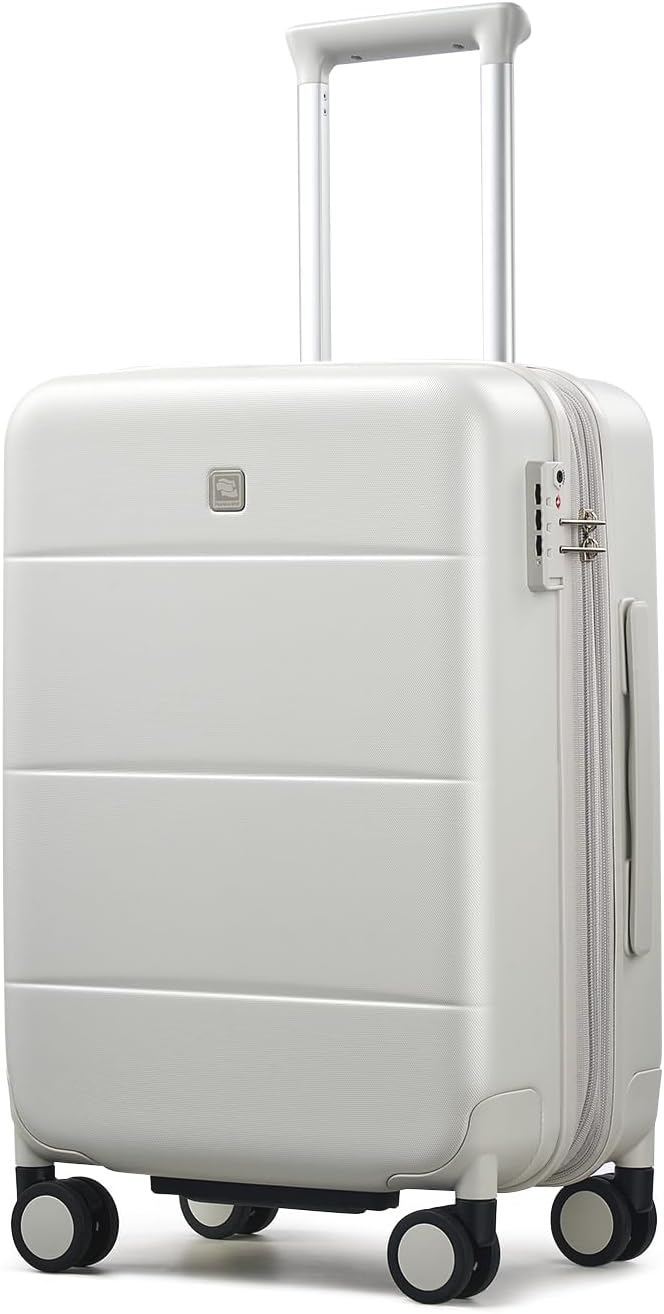
Common Buying Mistakes to Avoid

❌ Mistake: Ignoring Airline Size Restrictions
Why it’s bad: Buying a suitcase that looks compliant but exceeds airline limits when expanded can lead to unexpected gate-check fees, delays, and frustration. Many travelers assume all “carry-on” bags are the same size, but expansion can push a bag over the edge—literally.
What to do instead: Always measure the bag in both standard and expanded modes. Check the airline’s official website for exact dimensions, and consider using a luggage sizer at home. Opt for models with expansion limiters or “compliant expansion” features.
❌ Mistake: Prioritizing Style Over Function
Why it’s bad: A sleek, Instagram-worthy suitcase may look great in photos, but if it lacks durability, organization, or smooth-rolling wheels, it will quickly become a travel headache. Flashy designs can also attract unwanted attention from thieves.
What to do instead: Focus on functionality first—look for reinforced corners, quality zippers, and a well-designed interior. Choose a timeless color like black, navy, or gray that hides wear and tear. Style should complement substance, not replace it.
❌ Mistake: Overlooking Weight When Empty
Why it’s bad: A heavy suitcase leaves less room in your weight allowance for actual belongings. On budget airlines with strict carry-on weight limits (e.g., Ryanair, EasyJet), every pound matters.
What to do instead: Compare the empty weight of different models. Aim for a bag under 8 lbs if possible. Remember, a lighter bag means more room for souvenirs—or just less strain on your arms.
❌ Mistake: Skipping the Warranty Check
Why it’s bad: Luggage takes a beating. Without a solid warranty, you could be stuck paying for repairs or replacements out of pocket if the zipper breaks or the shell cracks.
What to do instead: Always check the warranty terms before buying. Look for at least a 5-year coverage, and prefer brands that offer global service. Register your product immediately after purchase.
❌ Mistake: Buying Without Testing
Why it’s bad: Online photos don’t reveal how a bag handles, rolls, or feels when packed. A suitcase that looks perfect on screen might be uncomfortable to maneuver or poorly balanced.
What to do instead: If possible, visit a store to test the bag in person. Roll it, extend the handle, and simulate packing. If buying online, choose retailers with generous return policies so you can test it at home.
❌ Mistake: Ignoring User Reviews
Why it’s bad: Marketing claims can be misleading. Real-world feedback from other travelers reveals long-term durability, zipper performance, and common issues not mentioned in product descriptions.
What to do instead: Read detailed reviews on trusted platforms. Look for patterns—if multiple users report the same problem (e.g., wheels breaking after a few trips), it’s a red flag.
❌ Mistake: Overpacking the Expansion
Why it’s bad: While expansion is useful, overloading it can strain zippers, distort the bag’s shape, and make it difficult to roll or store.
What to do instead: Use expansion strategically—reserve it for the return trip or when you know you’ll need extra space. Pack heavier items near the wheels to maintain balance.
Budget Guidelines: How Much Should You Spend?
Entry-Level ($80–$150): This range includes budget-friendly options from brands like American Tourister, Rockland, and AmazonBasics. These suitcases often use lightweight polyester or thin polycarbonate shells and may lack advanced features like TSA locks or compression straps. While they’re great for occasional travelers, they may not withstand frequent use. Expect basic organization, standard zippers, and limited warranties (1–3 years).
Mid-Range ($150–$300): This is the sweet spot for most travelers. Brands like Samsonite, Travelpro, and Away offer durable, well-designed expandable carry-ons in this range. You’ll find better materials (e.g., 100% polycarbonate), smoother wheels, improved interiors, and TSA-approved locks. Many models include 5–10 year warranties and thoughtful features like expansion limiters and ergonomic handles.
Premium ($300–$500): For frequent flyers and those who value long-term investment, premium models from Briggs & Riley, Rimowa, or Tumi deliver exceptional quality. These bags use top-tier materials like ballistic nylon or aerospace-grade polycarbonate, feature innovative designs (e.g., self-repairing zippers, floating panels), and come with lifetime warranties. They’re built to last decades, not just a few trips.
Luxury ($500+): At this level, you’re paying for craftsmanship, exclusivity, and cutting-edge technology. Brands like Rimowa, Globe-Trotter, and Horizn Studios offer handcrafted luggage with bespoke finishes, integrated tech (GPS, charging ports), and concierge services. These are ideal for travelers who want the best and don’t mind the price tag.

Expert Tips for Getting the Best Deal
– Buy during off-peak seasons: Luggage sales often spike after the holidays (January) and before summer travel (May). Retailers like REI, Nordstrom, and Amazon offer significant discounts during these periods.
– Check airline partnerships: Some airlines offer discounts on luggage from preferred brands. For example, Delta SkyMiles members can save on Samsonite products.
– Use price tracking tools: Websites like Honey, CamelCamelCamel, or Keepa alert you when prices drop on specific models.
– Look for bundle deals: Some brands offer discounts when you buy a suitcase with a backpack or toiletry kit.
– Consider refurbished or open-box items: Certified pre-owned luggage from reputable sellers can save you 20–40% off retail, often with the same warranty.
– Read return policies carefully: Ensure the retailer offers free returns and a reasonable window (30+ days). This lets you test the bag risk-free.
– Test before you travel: Pack the suitcase at home, roll it around, and simulate airport conditions. If it feels awkward or unbalanced, return it.
– Register for brand newsletters: Many companies send exclusive promo codes to subscribers, especially during Black Friday or anniversary sales.

Frequently Asked Questions
Q: Can I bring an expandable carry-on on all airlines?
A: Most airlines allow expandable carry-ons as long as they fit within standard size limits when not expanded. However, once expanded, the bag may exceed restrictions and need to be checked. Always check the airline’s policy and measure your bag in both modes.
Q: How much extra space does expansion typically add?
A: Most expandable carry-ons add 1.5″ to 2.5″ of depth, increasing capacity by 15% to 30%. This is usually enough for an extra pair of shoes, a jacket, or a few souvenirs.
Q: Are spinner wheels better than inline wheels?
A: Spinner wheels (four wheels) offer better maneuverability in tight spaces and are ideal for city travel. Inline wheels (two wheels) are more durable and better for rough surfaces. Choose based on your travel style.
Q: Can I lock an expandable suitcase?
A: Yes, most models come with TSA-approved combination locks or dual zippers that can be secured with a padlock. Always use TSA-approved locks to avoid damage during inspections.
Q: What’s the difference between polycarbonate and ABS?
A: Polycarbonate is stronger, more flexible, and more impact-resistant than ABS (a cheaper plastic). It’s also lighter and better at hiding scratches. ABS is more rigid and prone to cracking.
Q: How do I clean my expandable carry-on?
A: For hard-shell bags, wipe with a damp cloth and mild soap. For soft-shell bags, use a fabric cleaner and avoid harsh chemicals. Always air dry completely before storing.
Q: Can I repair a damaged expandable suitcase?
A: Many brands offer repair services or replacement parts (e.g., wheels, zippers). Check the warranty and contact customer support. Some retailers also partner with local repair shops.
Q: Is smart luggage worth the extra cost?
A: Smart features like GPS tracking and USB charging are convenient but add weight and cost. They’re best for tech-savvy travelers who value connectivity. Note that some airlines restrict lithium batteries in checked bags, so keep smart features in carry-ons.
Q: How long should a good carry-on last?
A: A high-quality expandable carry-on should last 5–10 years with regular use. Premium models with lifetime warranties can last decades with proper care.
Q: What should I pack in the expansion compartment?
A: Use the expansion for lightweight, compressible items like sweaters, scarves, or souvenirs. Avoid heavy items that could unbalance the bag.
Our Final Recommendations
Best for Budget-Conscious Buyers: Samsonite Winfield 2 Expandable Hardside – At under $200, this polycarbonate suitcase offers excellent durability, smooth spinners, and a reliable expansion system. It’s airline-compliant and backed by a 10-year warranty.
Best Overall Value: Travelpro Platinum Elite 21″ Expandable Carry-On – Designed with input from flight attendants, this soft-shell bag features ballistic nylon, a patented PowerScope handle, and a lifetime warranty. It’s a favorite among frequent flyers.
Best Premium Option: Briggs & Riley Baseline Domestic Carry-On Expandable – With a lifetime guarantee, CX compression technology, and a sleek design, this is the gold standard for business travelers. It expands up to 30% and includes a built-in suiter.
Best for Beginners: Away The Carry-On (Bigger) – Stylish, lightweight, and user-friendly, this polycarbonate suitcase includes a built-in battery, TSA lock, and compression system. Ideal for first-time buyers who want a modern, all-in-one solution.
Best for Advanced Users: Rimowa Essential Cabin Expandable – For travelers who demand the best, this German-engineered suitcase features an aluminum frame, multi-wheel system, and seamless expansion. It’s a statement piece built for performance.
Conclusion: Making the Right Choice
Choosing the right expandable carry-on luggage is about balancing size, durability, functionality, and budget. With so many options on the market, it’s easy to feel overwhelmed—but by focusing on your specific travel needs and prioritizing quality over trends, you can find a suitcase that serves you well for years to come.
Remember, the best expandable carry-on isn’t necessarily the most expensive or the most feature-packed. It’s the one that fits your lifestyle, handles your journeys with ease, and gives you peace of mind. Whether you’re a weekend explorer or a globetrotting professional, investing in a reliable, well-designed suitcase is one of the smartest decisions you can make as a traveler.
Take the time to research, compare, and test your options. Use the tips and guidelines in this article to narrow down your choices and avoid common pitfalls. And when you find the right bag, treat it well—it’s more than just luggage; it’s your trusted companion on every adventure.
Now that you’re equipped with expert knowledge, it’s time to make your choice. Pack smart, travel light, and enjoy the journey.