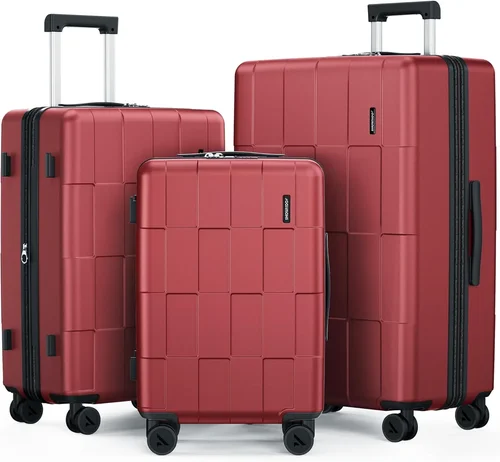
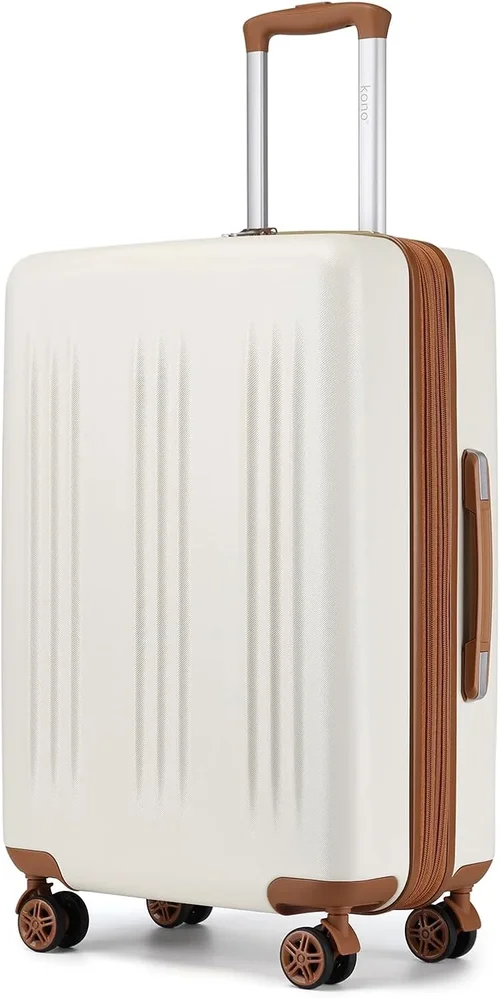
When it comes to travel, few items are as essential—and as personal—as your carry-on luggage. Whether you’re a frequent business traveler, a weekend adventurer, or someone who just hates waiting at baggage claim, the right 22-inch expandable two-wheeled carry-on can make all the difference. It’s your mobile home base, your trusted companion through security lines, airport sprints, and overhead bin battles. But with so many options flooding the market, choosing the perfect one can feel overwhelming. That’s where this guide comes in.
In this comprehensive buying guide, we’ll walk you through everything you need to know about selecting the best 22-inch expandable carry-on with two wheels. You’ll learn how to evaluate key features like durability, expandability, weight, and design, so you can make an informed decision that fits your travel style and budget. We’ll break down the pros and cons of different materials, explain why wheel type matters more than you think, and help you avoid common pitfalls that lead to buyer’s remorse. Whether you’re upgrading from a worn-out bag or buying your first quality carry-on, this guide will equip you with expert-level knowledge to choose wisely.
The market for carry-on luggage has evolved significantly over the past decade. What once was a simple choice between hard-shell and soft-shell has now expanded into a sophisticated ecosystem of smart designs, high-tech materials, and innovative features. From ultra-lightweight polycarbonate shells to expandable compartments that add up to two extra inches of packing space, today’s 22-inch carry-ons are engineered for efficiency and resilience. Airlines continue to enforce strict size and weight limits, making it more important than ever to find a bag that maximizes capacity without sacrificing compliance. With this guide, you’ll navigate the crowded marketplace with confidence and find a carry-on that doesn’t just meet your needs—it exceeds them.

What to Look for When Buying Buying Guide
1. Size & Airline Compliance
One of the most critical factors when choosing a 22-inch expandable carry-on is ensuring it meets airline size restrictions. While “22-inch” is a common label, the actual dimensions can vary slightly between brands, and many airlines enforce strict linear inch limits—typically 45 linear inches (length + width + height) for carry-ons. A standard 22-inch carry-on usually measures around 22 x 14 x 9 inches, but when expanded, it can exceed this limit. Always check the manufacturer’s stated dimensions, including the expanded size, and cross-reference them with your preferred airline’s policy. For example, Delta, United, and American Airlines all allow carry-ons up to 22 x 14 x 9 inches, but some international carriers like Lufthansa or Emirates may have tighter restrictions. A bag that’s too large risks being gate-checked, which defeats the purpose of a carry-on. Look for models that clearly state compliance with major airline regulations and consider measuring the bag yourself if possible. Some brands even offer “compliant” versions specifically designed to fit within the strictest limits.
2. Expandability & Packing Capacity
The “expandable” feature is what sets these bags apart from standard carry-ons. Most 22-inch expandable models include a zipper expansion system that adds 1.5 to 2 inches of depth, effectively increasing your packing capacity by up to 25%. This is especially useful for travelers who tend to overpack or return with souvenirs. However, not all expansion systems are created equal. Look for a reinforced zipper mechanism that can handle the extra stress without tearing. Some bags use a single expansion zipper, while others feature dual zippers for added security. Consider how you typically pack: if you’re a minimalist, you may not need the extra space, but frequent travelers or those on longer trips will appreciate the flexibility. Also, check whether the expansion affects the bag’s structural integrity—some cheaper models become wobbly or lose shape when fully expanded. A well-designed expandable carry-on should maintain its rigidity and balance, even when fully loaded.
3. Build Quality & Durability
Durability is non-negotiable when it comes to carry-on luggage. Your bag will be tossed, dragged, squeezed, and exposed to the elements—so it needs to withstand the rigors of travel. The material plays a huge role here. Hard-shell options like polycarbonate (e.g., Samsonite, Away) offer excellent impact resistance and a sleek, modern look, but they can scratch easily. Soft-shell bags made from ballistic nylon or polyester (e.g., Travelpro, Briggs & Riley) are more flexible, resist abrasion, and often include exterior pockets for quick access. Look for reinforced corners, sturdy zippers (YKK is a trusted brand), and double-stitched seams. Pay attention to the frame and shell construction—molded shells tend to be more durable than vacuum-formed ones. Also, consider the weight: a heavier bag uses up precious weight allowance, especially on budget airlines with strict carry-on weight limits. Aim for a balance between strength and lightness. A good rule of thumb is to choose a bag that feels solid when you lift it but doesn’t add unnecessary bulk.
4. Wheel System & Maneuverability
Since you’re specifically looking for a two-wheeled carry-on, the wheel system is a key consideration. Unlike four-wheeled spinners, two-wheeled bags are typically designed to be pulled upright, like a traditional suitcase. This design offers several advantages: better stability on uneven surfaces, fewer moving parts that can break, and often a more compact profile when stored. However, maneuverability depends heavily on wheel quality. Look for wheels made from durable polyurethane or rubber, which provide smooth rolling and shock absorption. Larger wheels (around 70–80mm) roll more easily over cracks and carpet, while smaller wheels may struggle. The axle system should be reinforced and securely attached to the frame. Some premium models feature 360-degree swivel wheels even on two-wheel designs, offering improved agility. Test the bag in-store if possible—pull it across different surfaces and see how it handles turns. A poorly designed wheel system can turn a short walk through the terminal into a frustrating ordeal.
5. Handle Design & Ergonomics
The telescoping handle is your primary point of contact with the bag, so it needs to be comfortable, sturdy, and easy to use. Most high-quality carry-ons feature an aluminum or steel telescoping handle with multiple height settings. Look for a handle that locks securely in both the extended and retracted positions—nothing is worse than a handle that collapses mid-pull. The grip should be ergonomic, with a soft-touch coating or rubberized finish to prevent slipping. Some models include a push-button release for quick adjustment, while others use a twist-lock mechanism. Consider the handle’s range: taller travelers will appreciate a longer extension, while shorter users may prefer a lower minimum height. Also, check the handle’s placement—centered handles offer better balance, while offset handles can make the bag easier to pull on one side. A well-designed handle reduces strain on your wrist and shoulder, especially during long walks through airports.
6. Interior Organization & Features
A well-organized interior can make packing and unpacking a breeze. Look for features like compression straps, zippered mesh pockets, and garment folders that help keep clothes neat and secure. Some bags include removable laundry bags or shoe compartments, which are great for separating dirty clothes. Expandable models often have a dedicated expansion panel with its own zipper, allowing you to access the extra space without unpacking everything. Consider the layout: a clamshell design (where the bag opens into two equal halves) offers better organization than a single large compartment. Some premium bags even include built-in USB ports, TSA-approved locks, or RFID-blocking pockets, though these features may add cost and complexity. Think about your packing habits—do you prefer to roll or fold your clothes? Do you carry electronics or liquids? Choose a bag with compartments that match your needs. A cluttered interior can lead to damaged items and wasted time at security checkpoints.
7. Weight & Portability
Every ounce counts when it comes to carry-on luggage. Airlines often impose weight limits on carry-ons, especially on international flights or budget carriers. A heavier bag uses up your allowance before you’ve even packed a single item. Most 22-inch carry-ons weigh between 5 and 8 pounds when empty, but some ultra-light models come in under 5 pounds. While a lighter bag is generally better, don’t sacrifice durability for weight savings. Look for materials like lightweight polycarbonate or high-denier nylon that offer strength without bulk. Also consider the bag’s overall profile—does it fit comfortably in overhead bins, or does it stick out? Some bags are designed with a slightly tapered shape to maximize space while minimizing bulk. If you’re a frequent flyer, consider investing in a scale to weigh your packed bag before heading to the airport. This simple step can save you from unexpected fees and last-minute repacking.
8. Brand Reputation & Warranty
Not all luggage brands are created equal. Established brands like Samsonite, Travelpro, and Briggs & Riley have decades of experience and a proven track record of quality. They often invest more in research, materials, and customer support. When evaluating a brand, look at customer reviews, return rates, and how they handle warranty claims. A strong warranty is a sign of confidence in the product—many premium brands offer lifetime or limited lifetime warranties that cover defects in materials and workmanship. This can be a lifesaver if a zipper breaks or a wheel falls off after a few trips. Avoid no-name brands that offer suspiciously low prices; they may cut corners on materials and construction. Also, consider the availability of replacement parts—can you easily find new wheels, handles, or zippers if something breaks? A reputable brand with good customer service can turn a potential disaster into a quick fix.
Different Types of Buying Guide

Common Buying Mistakes to Avoid

❌ Mistake: Ignoring Airline Size Restrictions
Why it’s bad: Buying a bag that looks “about right” without checking exact dimensions can lead to gate-checking fees, delays, and frustration. Many travelers assume all 22-inch bags are compliant, but expansion features and wheel housings can push the size over the limit.
What to do instead: Always verify the manufacturer’s stated dimensions, including the expanded size, and compare them with your airline’s carry-on policy. When in doubt, measure the bag yourself or choose a model explicitly labeled as “airline compliant.”
❌ Mistake: Prioritizing Looks Over Function
Why it’s bad: A stylish bag with a flimsy zipper or weak wheels may look great in the store but fail after a few trips. Aesthetics shouldn’t come at the expense of durability and usability.
What to do instead: Focus on build quality, wheel performance, and handle ergonomics first. Choose a design you like, but only after confirming the bag meets your functional needs.
❌ Mistake: Overlooking Weight
Why it’s bad: A heavy empty bag eats into your packing allowance, especially on airlines with strict carry-on weight limits (e.g., Ryanair, EasyJet). You might end up paying extra or leaving items behind.
What to do instead: Check the empty weight before buying. Aim for a bag under 7 pounds if possible, and consider using a luggage scale to weigh your packed bag before flying.
❌ Mistake: Skipping the Warranty Check
Why it’s bad: Luggage takes a beating, and even the best bags can develop issues. Without a solid warranty, repairs or replacements can be costly or impossible.
What to do instead: Choose a brand with a strong warranty—ideally lifetime or limited lifetime coverage. Read the fine print to understand what’s covered and how to file a claim.
❌ Mistake: Buying Based on Price Alone
Why it’s bad: The cheapest bag may save you money upfront but cost more in the long run due to frequent replacements. Conversely, the most expensive bag isn’t always the best fit.
What to do instead: Set a budget range and compare options within it. Look for the best value—durability, features, and warranty—rather than just the lowest or highest price.
❌ Mistake: Not Testing the Handle and Wheels
Why it’s bad: A poorly designed handle or wobbly wheels can make travel miserable. You won’t know how it feels until you use it.
What to do instead: If buying in-store, extend the handle, pull the bag across different surfaces, and test the wheels. Online, read detailed reviews that mention maneuverability.
❌ Mistake: Forgetting About Interior Organization
Why it’s bad: A bag with no compartments or compression straps can lead to wrinkled clothes, lost items, and inefficient packing.
What to do instead: Look for features like zippered pockets, garment folders, and compression straps. Consider your packing style and choose a layout that supports it.
Budget Guidelines: How Much Should You Spend?
When it comes to 22-inch expandable carry-ons, price often reflects quality—but that doesn’t mean you need to break the bank. Here’s a breakdown of what to expect at different price points:
- Entry-Level ($50–$100): These bags are great for occasional travelers or those on a tight budget. You’ll find basic soft-shell models with minimal features, lightweight construction, and limited warranties. While they may lack premium materials or advanced organization, many offer solid value for the price. Brands like American Tourister or Rockland offer reliable options in this range. Just be prepared for shorter lifespans and fewer repair options.
- Mid-Range ($100–$200): This is the sweet spot for most travelers. Bags in this range offer a balance of durability, features, and price. You’ll find reputable brands like Travelpro, Samsonite, and Delsey offering expandable models with sturdy zippers, decent wheels, and thoughtful interiors. Many include limited warranties and comply with airline size restrictions. This tier is ideal for frequent flyers who want reliability without premium pricing.
- Premium ($200–$350): For travelers who prioritize quality and longevity, premium bags deliver. Expect high-end materials like polycarbonate shells, YKK zippers, and ergonomic handles. Brands like Briggs & Riley, Away, and Tumi dominate this space with innovative designs and lifetime warranties. These bags often include smart features like TSA locks, USB ports, or GPS tracking. While the upfront cost is higher, the long-term value is strong.
- Luxury ($350+): At this level, you’re paying for craftsmanship, brand prestige, and cutting-edge technology. Luxury bags may feature hand-stitched leather accents, carbon fiber frames, or app-connected tracking. They’re built to last decades and often come with white-glove customer service. Ideal for business travelers or collectors, but overkill for casual use.

Expert Tips for Getting the Best Deal
- Buy During Off-Peak Seasons: Luggage sales often spike around holidays and summer travel, but you’ll find better deals in January (post-holiday clearance) or September (back-to-school lull). Sign up for brand newsletters to catch flash sales.
- Shop at Authorized Retailers: Buying from authorized dealers (e.g., brand websites, REI, Nordstrom) ensures you get genuine products and full warranty coverage. Avoid third-party sellers on marketplaces unless verified.
- Compare Online and In-Store: Use online reviews and specs to narrow your choices, then visit a store to test the handle, wheels, and weight. Many retailers price-match, so you can get the best of both worlds.
- Look for Bundled Deals: Some brands offer discounts when you buy a carry-on with a matching checked bag or travel accessories. These bundles can save you 10–20% off individual prices.
- Check Return Policies: Even the best research can’t replace real-world use. Choose retailers with generous return windows (30 days or more) so you can test the bag on a short trip.
- Consider Refurbished or Open-Box: Many brands sell certified refurbished luggage at 20–40% off. These bags are inspected, repaired, and often come with the same warranty as new models.
- Read the Fine Print on Warranties: A “lifetime warranty” doesn’t always mean what you think. Some cover only manufacturing defects, not wear and tear. Understand the terms before buying.
- Use a Luggage Scale: Invest in a portable scale ($10–$20) to weigh your packed bag. This prevents surprises at the airport and helps you stay within limits.

Frequently Asked Questions
Q: Will a 22-inch expandable carry-on fit in all overhead bins?
A: Most 22-inch carry-ons are designed to fit in standard overhead bins on major airlines, but expansion can push the size over the limit. Always check the expanded dimensions and your airline’s policy. On smaller regional jets, even compliant bags may not fit—gate-checking is sometimes unavoidable.
Q: Are two-wheeled carry-ons harder to maneuver than four-wheeled spinners?
A: It depends on your preference. Two-wheeled bags are generally more stable on uneven surfaces and have fewer parts to break, but they require more effort to turn. Four-wheel spinners offer 360-degree mobility but can be less stable when fully loaded. Choose based on your travel style and physical comfort.
Q: Can I bring a 22-inch carry-on on international flights?
A: Yes, but policies vary by airline and aircraft. Some international carriers have stricter size or weight limits. Always check with your airline before flying. European budget airlines like Ryanair often enforce weight limits (e.g., 10 kg), so pack light.
Q: How much can I realistically pack in a 22-inch expandable carry-on?
A: A standard 22-inch bag holds about 35–40 liters. When expanded, that increases to 45–50 liters—enough for a 5–7 day trip, depending on your packing style. Roll clothes to save space and use packing cubes for organization.
Q: What’s the difference between polycarbonate and ABS plastic?
A: Polycarbonate is stronger, more flexible, and more impact-resistant than ABS. It’s also lighter and more expensive. ABS is cheaper and more rigid but can crack under pressure. For frequent travel, polycarbonate is the better choice.
Q: Do I need a TSA-approved lock?
A: Not required, but highly recommended. TSA-approved locks allow security agents to inspect your bag without cutting the lock. Look for locks with a red diamond symbol indicating TSA compliance.
Q: Can I charge my phone from a built-in USB port?
A: Only if the bag includes a power bank. Most USB ports on luggage are output-only and require an internal battery. Check if the battery is removable (required for air travel) and how long it lasts.
Q: How do I clean and maintain my carry-on?
A: For hard-shell bags, wipe with a damp cloth and mild soap. Soft-shell bags can be spot-cleaned with a fabric cleaner. Avoid harsh chemicals. Regularly check zippers, wheels, and handles for wear and lubricate zippers with a silicone spray if needed.
Q: What should I do if my bag is damaged during travel?
A: Report damage to the airline immediately—most have a 24-hour window for claims. Take photos and keep your boarding pass and baggage tag. If the damage is due to manufacturing defects, contact the manufacturer for warranty support.
Q: Are expandable carry-ons worth the extra cost?
A: If you often return with more than you left with, yes. The added capacity is invaluable for souvenirs, extra clothes, or unexpected purchases. Just ensure the expansion doesn’t compromise the bag’s structure or airline compliance.
Our Final Recommendations
- Best for Budget-Conscious Buyers: Travelpro Maxlite 5 Softside Expandable Carry-On – At under $100, this lightweight nylon bag offers excellent value with a durable build, smooth wheels, and a 5-year warranty. Ideal for occasional travelers who want reliability without the premium price.
- Best Overall Value: Samsonite Winfield 2 Hardside Luggage – A top-selling polycarbonate carry-on with a sleek design, expandable capacity, and Samsonite’s trusted durability. Priced around $150, it’s a favorite among frequent flyers for its balance of style, strength, and functionality.
- Best Premium Option: Briggs & Riley Baseline Domestic Carry-On Expandable – With a lifetime guarantee, CX compression technology, and premium materials, this bag is built to last. At $350+, it’s an investment, but one that pays off in long-term performance and customer service.
- Best for Beginners: Away The Carry-On – Known for its minimalist design and built-in battery, this polycarbonate bag is user-friendly and stylish. Great for first-time buyers who want a modern, tech-savvy option with a 100-day trial.
- Best for Advanced Users: Tumi Alpha 3 International Carry-On – For travelers who demand the best, this ballistic nylon bag features Tumi’s patented Durafold construction, swivel wheels, and a host of organizational features. Perfect for business travelers who need top-tier performance and prestige.
Conclusion: Making the Right Choice
Choosing the right 22-inch expandable carry-on isn’t just about picking a bag—it’s about selecting a travel partner that will support you through countless journeys. From navigating crowded terminals to surviving turbulent flights, your carry-on should be reliable, functional, and built to last. In this guide, we’ve covered the essential factors: size compliance, expandability, durability, wheel performance, handle ergonomics, interior organization, weight, and brand reputation. We’ve compared different types, highlighted common mistakes, and provided budget guidelines to help you spend wisely. We’ve even shared expert tips and answered your most pressing questions.
Ultimately, the best carry-on is the one that fits your lifestyle. Are you a minimalist who values lightness and simplicity? Or a frequent flyer who needs maximum organization and durability? Do you prioritize style, or is function your top concern? By aligning your choice with your travel habits and preferences, you’ll find a bag that doesn’t just meet your needs—it enhances your entire travel experience.
Don’t rush the decision. Take your time, read reviews, test handles, and compare warranties. And remember: a great carry-on is an investment in comfort, convenience, and peace of mind. So go ahead—pack smart, travel light, and explore the world with confidence. Your next adventure starts the moment you zip up your bag and head out the door.