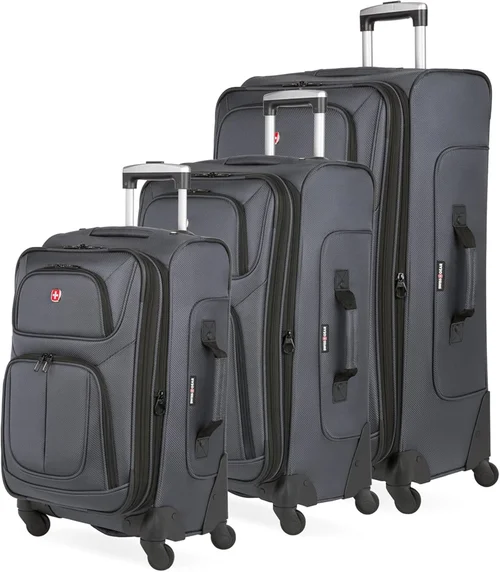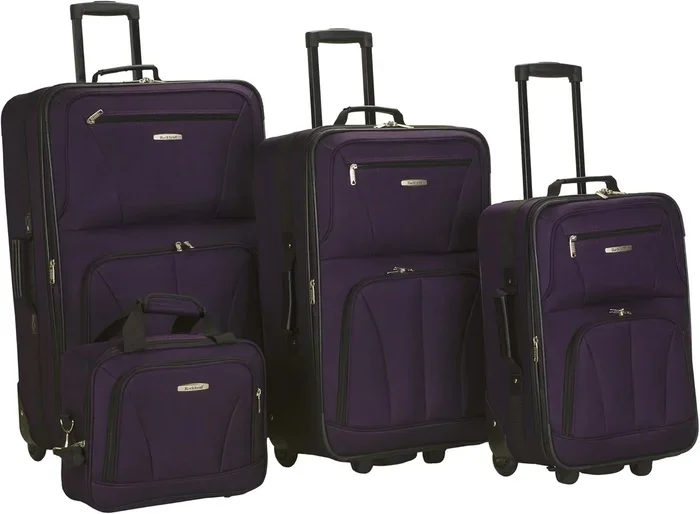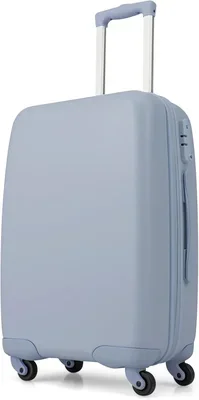
When you’re shopping for a reliable carry-on that can stretch to fit those last-minute souvenirs, the Goplus 20 expandable luggage line often pops up as a budget-friendly contender. But with so many models, materials, and feature sets on the market, it’s easy to feel overwhelmed. This guide exists to cut through the noise and give you the confidence to pick the perfect travel companion without second-guessing your decision.
Over the next several sections, we’ll walk through every critical factor—from shell construction and wheel quality to warranty fine print—so you know exactly what to prioritize. We’ll also compare the different sub-categories within the Goplus 20-inch family, highlight common buying pitfalls, break down realistic price tiers, and share insider tips for snagging the best deal. By the end, you’ll have a clear, personalized checklist that matches your travel style and budget.
The carry-on luggage market is crowded, but Goplus has carved out a niche by offering expandable capacity at price points that undercut many big-name brands. Whether you’re a weekend warrior, a frequent business flyer, or a family vacation planner, understanding the nuances of these bags will save you money, frustration, and the headache of a broken handle halfway through a trip. Let’s dive in.

What to Look for When Buying Buying Guide
1. Shell Material and Durability
The outer shell is your luggage’s first line of defense against baggage handlers, overhead bin shuffling, and the occasional rain shower. Goplus 20-inch models typically use either ABS (acrylonitrile butadiene styrene) or a polycarbonate/ABS blend. ABS is lighter and less expensive, but it can crack under severe impact. Polycarbonate blends add flexibility and better impact resistance, making them a smarter choice if you check your bag occasionally or pack heavy. Look for descriptions like “hardside” or “hard shell” and check the thickness—thicker walls generally mean more durability, but also a slightly heavier bag.
2. Expandability Mechanism and Capacity Gain
The hallmark of this category is the expansion zipper that adds 15–25% more packing volume. Not all expansion systems are created equal. Some use a simple single zipper that can strain and pop under pressure; others employ a dual-zipper gusset with reinforced stitching that distributes stress evenly. Check the expanded dimensions—typically the depth increases from around 9 inches to 11–12 inches. Also verify that the expanded bag still meets airline carry-on size limits (most U.S. domestic carriers allow 22 x 14 x 9 inches including wheels and handles). If you frequently fly budget airlines with stricter limits, a non-expandable or minimally expandable model might be safer.
3. Wheel Quality and Maneuverability
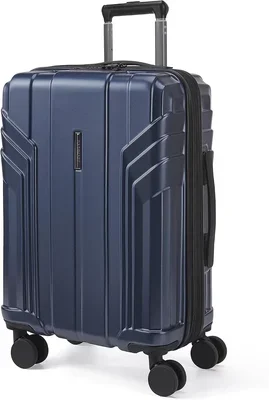
Wheels make or break the airport experience. Goplus 20-inch bags usually come with either two inline skate wheels or four 360-degree spinner wheels. Spinners let you glide the bag beside you in any direction, reducing wrist strain. Look for wheels made of polyurethane (PU) rather than hard plastic—PU absorbs vibration, rolls quietly on tile, and resists flat-spotting. Also examine the wheel housing: recessed wheels are less likely to snap off if the bag is dropped. If you often navigate cobblestones or uneven sidewalks, larger diameter wheels (3 inches or more) roll over cracks more smoothly.
4. Handle System: Telescoping and Carry Handles
A sturdy telescoping handle should lock at multiple heights (usually three) so you can find a comfortable grip whether you’re 5’2″ or 6’4″. Aluminum alloy tubes resist bending better than steel, and a push-button release that operates smoothly is a sign of good engineering. Don’t overlook the top and side carry handles—padded, riveted handles with reinforced stitching make lifting into overhead bins much easier. Some models add a bottom handle for two-person lifting; that’s a nice bonus for heavier loads.
5. Interior Organization and Lining
Inside, you want a layout that keeps clothes wrinkle-free and separates clean from dirty. Most Goplus 20-inch expandables feature a full-zip divider panel on one side and compression straps on the other. Mesh zippered pockets on the divider are perfect for underwear, chargers, or toiletries. The lining material matters too: 150D or 210D polyester is standard; higher denier means thicker, more tear-resistant fabric. A few premium models include a removable laundry bag or a wet/dry pocket—great for gym clothes or swimwear.
6. Lock Security: TSA-Approved vs. Basic
All Goplus hardside carry-ons include a built-in combination lock, but not all are TSA-approved. A TSA lock has a special keyhole that allows security agents to open and relock your bag without cutting the lock. If you travel internationally or check your carry-on at the gate, a TSA lock is essential. The lock mechanism should be recessed into the shell to avoid snagging. Test the dials before you buy—they should turn smoothly and click into place.
7. Weight and Airline Compliance
Every ounce counts when you’re trying to stay under a 7 kg (15 lb) weight limit on budget carriers. A typical Goplus 20-inch expandable weighs between 6.5 and 8.5 pounds empty. Lighter isn’t always better—ultra-light shells may sacrifice durability. Aim for the 7–7.5 lb range as a balanced compromise. Also confirm the external dimensions (including wheels and handle) fit the most restrictive airline you fly. Many Goplus models list “20 inches” as the body height, but the total height with wheels can be 21.5–22 inches.
8. Warranty, Customer Support, and Return Policy
Goplus generally offers a 3-year limited warranty covering manufacturing defects in materials and workmanship. Read the fine print: some warranties require product registration within 30 days, and damage from airline handling is often excluded. A responsive customer service team (email, phone, chat) and a hassle-free return window (30 days is standard) add peace of mind. Check online reviews for real-world warranty claim experiences—some brands excel at replacements, others make you jump through hoops.
Different Types of Buying Guide

Common Buying Mistakes to Avoid
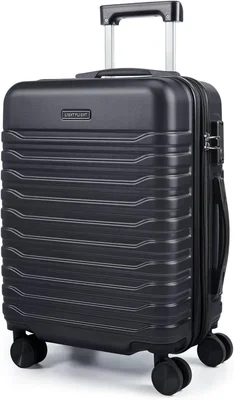
❌ Mistake: Ignoring Airline Size Restrictions
Why it’s bad: You buy a bag that looks perfect, only to find it’s 0.5 inches too tall for your preferred carrier’s overhead bin. Gate-check fees and the risk of damage skyrocket.
What to do instead: Measure the bag yourself (including wheels and handles) and cross-reference with the strictest airline you fly. Keep a screenshot of the airline’s carry-on policy on your phone.
❌ Mistake: Choosing Two Wheels Over Four for Crowded Airports
Why it’s bad: Two-wheel bags force you to tilt and pull, which strains your wrist and makes tight turns in security lines a nightmare.
What to do instead: Opt for 360-degree spinners unless you exclusively roll on smooth carpet and never navigate crowds.
❌ Mistake: Overlooking the Expansion Zipper Quality
Why it’s bad: A flimsy zipper can burst mid-trip, spilling contents onto a conveyor belt or leaving you unable to close the bag.
What to do instead: Look for YKK or SBS brand zippers with double coils and a protective fabric flap. Test the zipper in-store—if it catches, walk away.
❌ Mistake: Assuming All TSA Locks Are Equal
Why it’s bad: Some “TSA-approved” locks use a generic key that’s easily lost; others have a flimsy shackle that snaps under pressure.
What to do instead: Verify the lock bears the red diamond Travel Sentry logo. Read reviews specifically about lock durability.
❌ Mistake: Buying Based Solely on Price
Why it’s bad: The cheapest model may lack reinforced corners, have a wobbly handle, or use wheels that fail after two trips.
What to do instead: Set a minimum feature baseline (spinners, TSA lock, expandable) then compare prices within that tier.
❌ Mistake: Neglecting Interior Layout for Your Packing Style
Why it’s bad: If you pack suits or dresses, a single open compartment leads to wrinkles. If you carry tech, missing padded pockets means tangled cords.
What to do instead: Visualize your typical packing list and match it to the interior: compression straps for clothes, mesh pockets for small items, dedicated laptop sleeve if needed.
❌ Mistake: Skipping Warranty Registration
Why it’s bad: Many manufacturers void coverage if you don’t register within 30 days. A broken handle at month 13 becomes a full replacement cost.
What to do instead: Register the product online the day it arrives. Save the confirmation email and receipt in a travel folder.
Budget Guidelines: How Much Should You Spend?
Understanding price tiers helps you align expectations with reality. Below is a breakdown tailored to the Goplus 20-inch expandable lineup.
Entry-Level ($45 – $65): Basic ABS Expandable
At this tier, you get a simple ABS shell, two inline wheels or basic spinners, a single-stage telescoping handle, and a standard combination lock (often not TSA-approved). The expansion zipper is usually a single coil. Expect a weight around 7.5–8.5 lbs. These bags work fine for occasional leisure trips on major carriers with generous overhead bins. Don’t expect them to survive rough baggage handling or frequent expansion cycles. Warranty is typically 1 year.
Mid-Range ($65 – $100): PC+ABS Spinner Expandable – The Sweet Spot
This is where most travelers should focus. You’ll find a polycarbonate/ABS blend shell, four double-spinner PU wheels, a three-stage aluminum handle, TSA-approved lock, and a reinforced dual-coil expansion gusset. Weight drops to 6.5–7.5 lbs. Interior includes a full divider, compression straps, and multiple mesh pockets. Warranty extends to 3 years. These bags handle weekly business travel and family vacations with ease.
Premium ($100 – $140): Feature-Rich PC+ABS with USB Port
Add a built-in USB pass-through port (power bank not included), sometimes a dedicated padded laptop compartment, upgraded interior lining (210D), and premium silent wheels. The handle may have an ergonomic grip. Shell finish often includes scratch-resistant texture. Weight stays similar to mid-range. Ideal for tech-heavy business travelers who want to charge devices on the go without digging for a power bank.
Luxury ($140+): Aluminum-Frame Hybrid or Designer Collaboration
These models incorporate an aluminum frame around the shell perimeter for maximum crush resistance. Wheels are often oversized (3.5 inches) with precision bearings. Handles may be leather-wrapped. Interior gets custom-fit packing cubes or a garment folder. Weight can exceed 9 lbs. Unless you’re checking this bag regularly or need extreme durability, the extra cost rarely justifies the marginal gain for carry-on use.
Expert Tips for Getting the Best Deal
- Time your purchase: Major sales occur during Black Friday/Cyber Monday, late January (post-holiday clearance), and July (Amazon Prime Day). Discounts of 20–30% are common.
- Check multiple retailers: Goplus sells on Amazon, Walmart, Wayfair, Home Depot, and their own site. Prices can vary by $15–$25 for the exact same SKU. Use a price-tracking tool like CamelCamelCamel for Amazon history.
- Look for open-box or refurbished: Amazon Warehouse and Walmart Restored often list returned Goplus luggage at 15–40% off. Inspect photos for cosmetic damage only—functional issues are rare.
- Bundle with packing cubes: Some listings include a set of 3–6 packing cubes. If you were buying cubes separately ($20–$30), the bundle effectively lowers the luggage cost.
- Read the return policy before checkout: Ensure free returns within 30 days. Some third-party sellers charge restocking fees or require you to pay return shipping on oversized items.
- Test the handle and wheels immediately: Upon delivery, extend the handle fully, lock at each height, and roll the bag on hard floor and carpet. Check for wobble, grinding, or sticking. Initiate a return instantly if anything feels off.
- Register the warranty the same day: Use the QR code on the hang tag or visit the Goplus website. Save the registration confirmation—it’s your proof for any future claim.
- Consider a credit card with purchase protection: Many premium cards extend manufacturer warranty by an extra year and cover theft/damage for 90–120 days. Pay with that card for free added coverage.

Frequently Asked Questions
Q: Does the Goplus 20-inch expandable fit in the overhead bin of all major U.S. airlines?
A: Most models fit United, Delta, American, and Southwest overhead bins when not expanded. When expanded, the depth may exceed the 9-inch limit. Always measure your specific model and check the airline’s current policy before flying. For basic economy fares that only allow a personal item, this bag will not fit under the seat.
Q: Can I check this luggage if I need to?
A: Yes, the hardside construction protects contents better than softside bags when checked. However, the telescoping handle and wheels are vulnerable to conveyor belt damage. If you plan to check it frequently, consider a model with recessed wheels and a handle that fully retracts flush. Also, TSA locks are mandatory for checked bags.
Q: How do I clean the exterior shell?
A: Wipe with a damp microfiber cloth and mild soap. Avoid abrasive cleaners, alcohol, or acetone—they can dull the finish or damage any printed graphics. For scuff marks, a magic eraser (melamine foam) works gently. Dry thoroughly before storing to prevent mold inside.
Q: What’s the difference between the “20-inch” and “22-inch” Goplus models?
A: The 20-inch is designed as a carry-on; the 22-inch is technically a checked bag (though some airlines allow it as carry-on if not expanded). The 22-inch offers roughly 30% more volume but weighs 1–2 lbs more. Choose 20-inch for carry-on convenience; 22-inch if you mostly check bags.
Q: Are replacement wheels available?
A: Goplus does not officially sell individual replacement wheels. However, generic 50mm or 60mm spinner wheel kits (available on Amazon) often fit if the mounting bracket matches. Measure the axle diameter and screw spacing before ordering. Some users have successfully 3D-printed replacement brackets.
Q: Does the USB port come with a power bank?
A: No. The USB port is a pass-through: you place your own power bank inside the bag, plug its cable into the internal port, then charge your phone via the external port. Ensure your power bank fits the interior pocket dimensions (usually up to 10,000 mAh).
Q: How does the expansion zipper affect water resistance?
A: The expansion gusset is a fabric panel, not a hard shell. In heavy rain, water can seep through the zipper teeth. For wet climates, pack electronics and documents in waterproof pouches or use a luggage cover.
Q: Can I stack a backpack on top using the telescoping handle?
A: Most Goplus handles support a lightweight backpack (under 10 lbs) via a rear strap or add-on strap. However, the handle tube isn’t designed for heavy loads—excess weight can bend the mechanism. Use a dedicated luggage strap or a backpack with a pass-through sleeve for safer stacking.
Q: What’s the real-world lifespan of a mid-range Goplus spinner?
A: With careful use (carry-on only, no overpacking, stored indoors), expect 3–5 years of weekly travel. Wheels and handle are the first wear points. Many users report 100+ flights before any issue. Rough handling (checked baggage, cobblestones) can cut that in half.
Q: Is there a weight difference between colors?
A: No. Color is a surface coating or pigment in the shell material; weight variance is negligible (<0.1 lb). Choose the color you like for visibility on the carousel.
Our Final Recommendations
Best for Budget-Conscious Buyers: Goplus 20-Inch ABS Expandable Spinner (non-TSA lock). At ~$55, it delivers expandable capacity and four wheels for under $60. Accept the basic lock and slightly heavier weight; upgrade later if travel frequency increases.
Best Overall Value: Goplus 20-Inch PC+ABS Expandable Spinner with TSA Lock. Priced around $85, this hits the durability/weight/feature sweet spot. You get a resilient shell, smooth spinners, TSA security, and a 3-year warranty. It’s the one bag that satisfies 90% of travelers.
Best Premium Option: Goplus 20-Inch PC+ABS Expandable Spinner with USB Port. For ~$115, the integrated USB pass-through and upgraded interior organization justify the premium if you charge devices daily. The scratch-resistant finish keeps it looking new longer.
Best for Beginners: Goplus 20-Inch ABS Expandable 2-Piece Set (carry-on + checked 24-inch). Often sold around $130 for the pair. You get matching luggage for a fraction of brand-name sets. The carry-on covers your immediate needs; the checked bag is there when you need it.
Best for Advanced Users / Frequent Flyers: Goplus 20-Inch Aluminum-Frame Hybrid Expandable. At ~$160, the aluminum frame adds structural rigidity that withstands gate-checks and tight overhead bins. Pair it with a high-capacity power bank and custom packing cubes for a pro-level travel system.
Conclusion: Making the Right Choice
Choosing the right Goplus 20 expandable luggage comes down to matching your travel habits to the right feature set. If you fly once a year on a major airline, the entry-level ABS model will serve you well. If you’re a road warrior navigating regional jets, cobblestone streets, and tight connections, invest in the PC+ABS spinner with TSA lock and quality wheels. Remember to measure against your airline’s limits, register the warranty, and test the bag the moment it arrives.
You now have a complete framework: prioritize shell material, wheel type, handle ergonomics, expansion quality, lock security, weight, interior layout, and warranty. Use the comparison table to narrow the field, avoid the common mistakes we outlined, and leverage the expert tips to save money. Your perfect carry-on is out there—go grab it and travel with confidence.
Ready to upgrade your travel game? Pick the model that fits your tier, click a trusted retailer link, and start packing smarter. Safe travels!