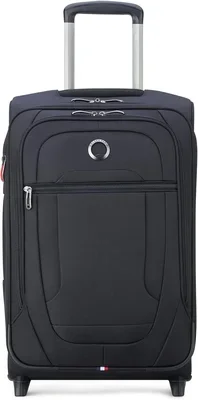
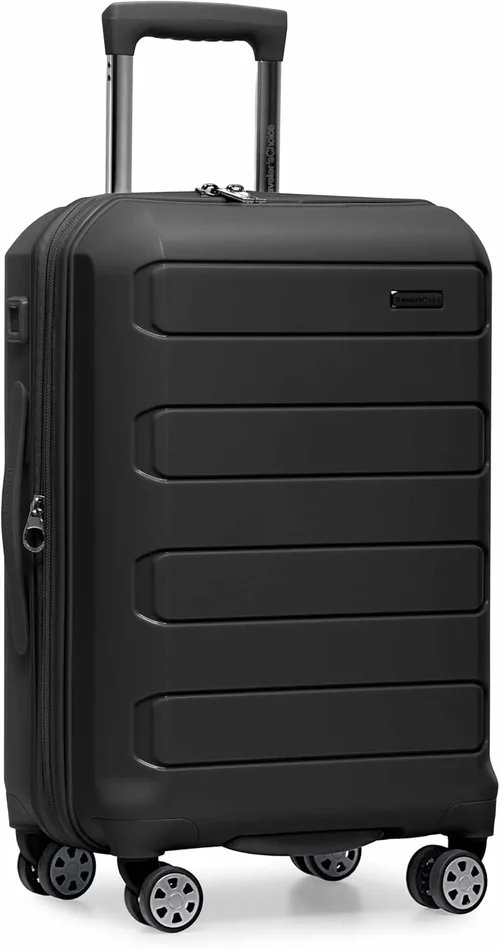
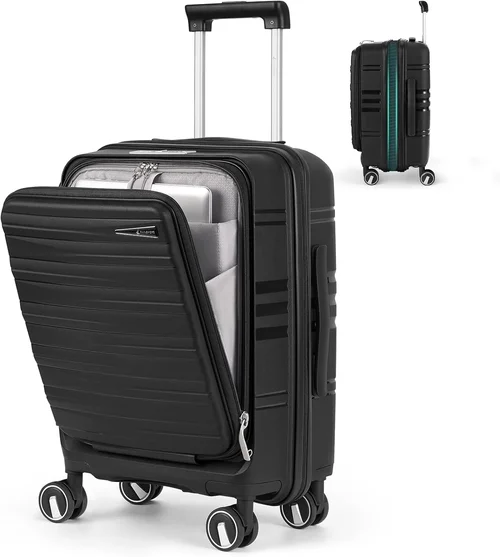
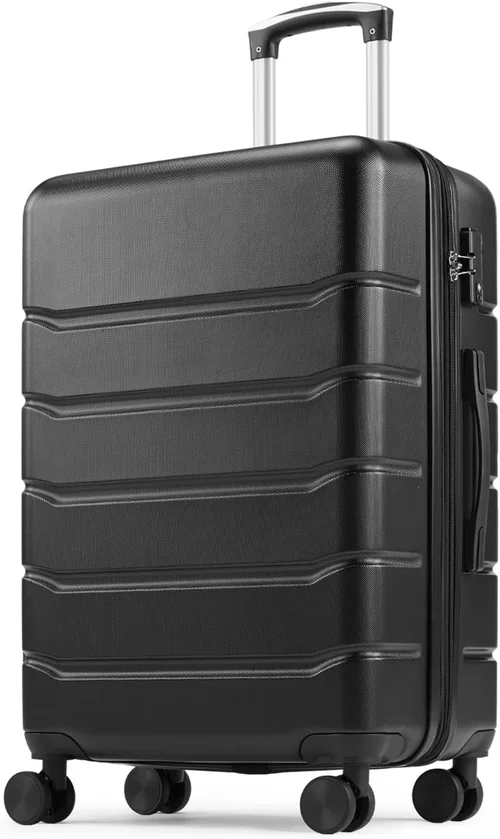
Shopping for luggage in Malaysia can feel like navigating a bustling night market—endless options, flashy features, and price tags that range from a quick makan budget to a month’s rent. If you are reading this, you have likely realized that a standard suitcase just doesn’t cut it anymore. You need that extra breathing room for the inevitable belanja haul from Johor Bahru, the extra layer for a Cameron Highlands trip, or the souvenirs from a Bali getaway. That is where expandable luggage enters the chat, and honestly, it is a game-changer for the way we travel in this region.
This guide exists because I have seen too many friends buy the wrong bag. They focus on the color or the brand logo, only to find the zipper bursts at KLIA, the wheels jam on the uneven pavement of Penang, or the “expandable” feature adds a mere centimeter of space. We are going to cut through the marketing noise. By the end of this article, you will understand the mechanics of expansion zippers, the difference between polycarbonate and ABS shells, why spinner wheels matter more than you think, and exactly how much Ringgit you should part with for a travel companion that lasts years, not trips.
We will cover the critical factors ranked by priority, compare the main types of expandable luggage you will find in Malaysian stores and online marketplaces, highlight the costly mistakes I see people make daily, break down budgets by tier, and arm you with pro tips for scoring the best deals during the 11.11 or year-end sales. Whether you are a weekly business commuter flying Firefly to Singapore or a family planning the year-end balik kampung drive, let’s find your perfect travel partner.

What to Look for When Buying Expandable Luggage
1. Expansion Mechanism and Real-World Capacity Gain
This is the namesake feature, yet it is the most misunderstood. Not all “expandable” luggage is created equal. The standard mechanism is a secondary zipper track that runs around the perimeter of the main compartment. When unzipped, it releases a folded gusset—usually made of nylon or polyester fabric—adding depth to the case.
Here is the reality check: most mid-range bags offer 15% to 25% volume increase. Premium models can hit 30% to 35%. Cheap ones? Sometimes barely 5%. When you are in a store like Metrojaya, Parkson, or browsing Shopee/Lazada, do not just trust the spec sheet. Physically unzip the expansion. Look at the gusset material. Is it a flimsy mesh that will tear if you stuff a pair of boots against it? Or is it a reinforced, high-denier nylon with a protective flap covering the zipper teeth?
Pro Tip for Malaysian Travelers: Remember AirAsia and Batik Air have strict cabin baggage weight limits (often 7kg combined). An expanded check-in bag is fine, but an expanded cabin bag might get you flagged at the gate for size. Always check the expanded dimensions against your airline’s maximum allowed dimensions.
2. Shell Material: Polycarbonate vs. ABS vs. Polypropylene
The shell takes the beating—conveyor belts, overhead bin shuffling, and the trunk of a Grab car. In Malaysia’s humidity and heat, material choice dictates longevity.
- Polycarbonate (PC): The gold standard for hardside luggage. It is flexible, impact-resistant, and handles temperature swings (cold cargo hold to hot tarmac) without cracking. It is lighter than ABS. If you see “100% Polycarbonate” or “Makrolon” (a premium Bayer grade), that is a buy signal. It pops back into shape after impact.
- ABS (Acrylonitrile Butadiene Styrene): Cheaper, rigid, but brittle. A hard drop on the tarmac at KUL can spider-web the shell. It is heavier than PC. You see this in entry-level bundles. Avoid if you check bags frequently.
- Polypropylene (PP): The new contender. Extremely tough, flexible, and chemical resistant. Often lighter than PC. Brands like Samsonite (Neopulse) and some local favorites use this. It has a distinct matte, slightly textured finish that hides scratches beautifully.
- Hybrid/Composite: Many “Polycarbonate” bags in the RM300-RM600 range are actually PC/ABS blends. They are decent for 1-2 trips a year but lack the long-term resilience of pure PC or PP.
For the Malaysian climate, Polycarbonate or Polypropylene are your best bets. They resist UV degradation better than ABS, which can become chalky and brittle after a few years of tropical sun exposure.
3. Wheel System: The Silent Workhorse
You do not appreciate good wheels until you are dragging a 23kg bag across the textured tiles of KLIA Terminal 1 or the cobblestones of Melaka. There are two main specs: Spinner (4 wheels) vs. Inline Skate (2 wheels).
Spinners (360-degree rotation): Essential for airports. You push them beside you; zero wrist strain. Look for double spinner wheels (two wheels per corner, 8 total). They distribute weight better, are more stable on uneven surfaces, and if one wheel breaks, the corner still rolls. Single spinners (4 total) wobble under heavy loads.
Inline Skate Wheels (2 fixed wheels): Better for rough terrain—think dirt paths to a chalet in Janda Baik or pulling over curbs. They are recessed into the body, protecting them from snapping off, and they offer more internal packing volume because the wheel housing doesn’t intrude.
What to check: Wheel housing material (metal axle vs plastic), ball bearings (sealed are quieter and smoother), and recess depth. Push the loaded bag. Does it track straight? Does it wobble? Listen for a high-pitched whine—that indicates cheap bearings.
4. Handle System: Telescoping Handle Ergonomics
The handle is your steering wheel. A bad handle causes shoulder and back pain. Look for a multi-stage aluminum trolley handle with at least 3 height locks. This accommodates different user heights—critical if you and your spouse share the bag.
Grip material matters. Rubberized or thermoplastic rubber (TPR) grips absorb sweat and vibration. Hard plastic grips get slippery with Malaysian humidity sweat. Check the “wobble factor.” Extend the handle fully, grip it, and shake gently. Excessive side-to-side play means the internal tubing is thin or the locking mechanism is loose. That wobble translates to fatigue over a 20-minute walk to the gate.
Also, check the top carry handle and side carry handle. Are they padded? Are they riveted or stitched through reinforced points? You will use these to hoist the bag into overhead bins or car boots far more than you think.
5. Interior Organization: Compression, Dividers, and Pockets
The expansion happens on the outside, but the organization happens inside. A cavernous single compartment is a recipe for wrinkled clothes and lost chargers.
- Compression Straps: Essential. X-straps or cross-straps with strong buckles keep clothes compact so the expansion zipper doesn’t strain against a bulging load.
- Divider Panel: A zippered mesh divider separating the two halves. The best ones have a large zippered pocket on the divider for toiletries, cables, or dirty laundry separation.
- Wet/Dry Pockets: A dedicated waterproof pocket (often accessible from the divider or lid) for wet swimwear or toiletries is a lifesaver in the tropics.
- Lid Pockets: Flat zip pockets on the lid for documents, power banks, or flat shoes.
Open the bag fully. Visualize your packing routine. Can you access the bottom layer without unpacking the top? Does the divider zipper run the full width?
6. Security Features: TSA Locks and Zipper Quality
Every bag sold in Malaysia should have a TSA-approved combination lock integrated into the frame. This allows customs agents (TSA in US, but recognized globally) to inspect and relock without cutting your lock. Verify the logo: a red diamond (Travel Sentry) or torch (Safe Skies).
Beyond the lock, look at the main compartment zippers. YKK is the industry standard. Look for “YKK RC” (coil) or “YKK Vislon” (molded plastic) zippers. They should have large, easy-grip pulls (preferably metal or thick nylon cord) that you can operate with cold or wet fingers. Anti-puncture zippers (double coil) are a premium feature worth having—they resist ballpoint pen forced entry, a common theft tactic.
7. Weight vs. Durability Trade-off
Airline weight limits are the enemy. AirAsia check-in is often 20kg or 25kg. Malaysia Airlines is 30kg. Every kilogram the bag weighs empty is a kilogram of kuih raya or clothes you leave behind.
- Cabin Size (20-22 inch): Target 2.0kg – 2.8kg.
- Medium Check-in (24-26 inch): Target 2.8kg – 3.5kg.
- Large Check-in (28-30 inch): Target 3.5kg – 4.5kg.
Ultra-light bags (sub-2kg for cabin) often sacrifice shell thickness, wheel robustness, or handle rigidity. If you are a gentle packer doing carry-on only, ultra-light is fine. If you check bags through baggage handling systems, prioritize durability over saving 300 grams.
8. Warranty and Local After-Sales Support
This is the “Malaysian Context” factor. A 10-year global warranty is useless if the authorized service center is in Singapore and you are in Kota Kinabalu. Before buying, check:
- Is there an authorized service center in your city (KL, Penang, JB, Ipoh, Kuching, KK)?
- What does the warranty cover? “Lifetime warranty” often means “lifetime of the product” (defined by manufacturer as 5-7 years) and usually only covers manufacturing defects, not airline damage.
- Brands with strong Malaysian presence: Samsonite, American Tourister, Delsey, Tumi, Rimowa, Carl Friedrik, and local hero brands like Targus, Kipling, Cath Kidston, and Xtreme (often sold at Parkson/Metrojaya) have local distributors (e.g., Samsonite Malaysia, Delsey Malaysia via Padini, Tumi via The Hour Glass).
- Parallel imports (often cheaper on Shopee/Lazada from overseas sellers) carry zero local warranty. You are on your own if a wheel snaps.
Different Types of Expandable Luggage

Let’s dig deeper into the two main contenders for most Malaysians: Hardside vs. Softside.
Hardside Spinners: The Modern Standard
These dominate the shelves at Samsonite, American Tourister, Delsey, and even local brands like Xtreme or Swiss Digital. The clamshell design (two equal halves) or frame-lid design (deep base, shallow lid) both work well with expansion.
Why choose it: Water resistance is huge in Malaysia. Sudden downpours while waiting for a Grab at the taxi stand? Your clothes stay dry. Hard shells protect electronics, souvenirs (ceramics, glass), and structured clothes (suits, dresses) better. They slide into overhead bins smoothly. The expansion gusset is usually hidden inside the liner, maintaining a sleek profile when not expanded.
The Trade-off: Zero external pockets. You need a separate day bag for passport, phone, water bottle. They can crack (ABS) or dent (thin PC) under extreme abuse. They don’t “squish” into a tight car boot—what you see is the space you need.
Softside Expandable: The Flexible Veteran
Think Briggs & Riley, Tumi (softside lines), Thule, Eagle Creek, or the trusty Xtreme/Johnsons soft cases in department stores. Made from high-denier nylon (1680D Ballistic is the toughest) or polyester.
Why choose it: The expansion on softside is often more generous because the fabric gusset has more give. External pockets are a game changer for boarding passes, passports, umbrellas, or that bottle of water. They absorb impact by deforming, protecting contents. They can compress slightly to fit a jam-packed Proton X70 boot or a small overhead bin on a turboprop.
The Trade-off: Fabric absorbs water (unless treated with high-end DWR coating). Stains happen. They look “used” faster. Zippers are the primary failure point—more stress on fabric zippers than hard shell frames. They are generally heavier than a comparable polycarbonate hardside.
Common Buying Mistakes to Avoid
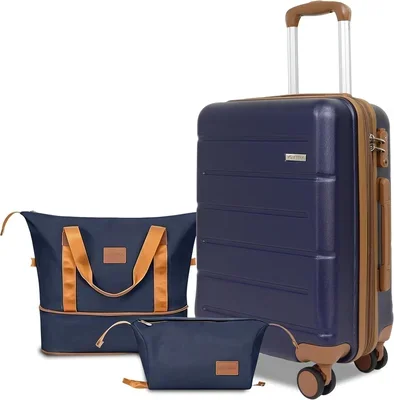
❌ Mistake: Buying the “Largest Size” (28-inch+) “Just in Case”
Why it’s bad: A 28 or 30-inch expanded bag easily exceeds 30kg when fully packed. You will pay hefty overweight fees (AirAsia charges ~RM50-RM100 per kg at airport). It is physically exhausting to maneuver. It won’t fit in standard hotel elevators or compact Malaysian car boots (Myvi, Axia, Bezza) without folding seats down.
What to do instead: Buy a 24-inch or 25-inch medium check-in as your primary large bag. It forces discipline. If you truly need more volume for a specific move or shopping trip, buy a cheap foldable duffel as a secondary bag. Two medium bags are easier to handle than one giant one.
❌ Mistake: Prioritizing “Lightest Weight” Over “Lightweight Durability”
Why it’s bad: The lightest bags (1.6kg cabin, 2.2kg check-in) use paper-thin shells, minimal frame reinforcement, and plastic wheel housings. One rough baggage handler toss cracks the shell or snaps the wheel rivet. You end up buying a new bag every year.
What to do instead: Target the “Sweet Spot” weights mentioned in Factor 7. A 2.5kg cabin bag made of Polypropylene will survive 10x the trips of a 1.8kg ABS bag. The extra 700g saves you RM500+ in replacement costs.
❌ Mistake: Ignoring Internal Dimensions vs. External Dimensions
Why it’s bad: Brands advertise external dimensions (including wheels, handles, bumpers). Airlines measure external for size limits, but you care about internal packing space. A bag with thick corner guards and deep wheel wells loses 15% internal volume.
What to do instead: Ask for internal dimensions (L x W x H). Better yet, bring a standard packing cube or a folded shirt to the store. Place it inside. Does the curvature of the shell eat the corners? Does the handle tube housing intrude deeply?
❌ Mistake: Buying “Cabin Size” Without Checking Your Specific Airline
Why it’s bad: “International Cabin Size” (usually 55cm x 35cm x 23cm / 22x14x9 in) fits Malaysia Airlines, Batik Air, Scoot, Jetstar. But AirAsia allows 56cm x 36cm x 23cm (7kg). Firefly (ATR turboprops) often enforces smaller limits or forces gate-check. MASwings (rural Borneo) has very strict weight/size due to small holds.
What to do instead: Buy for the strictest airline you fly regularly. If you fly AirAsia 80% of the time but Firefly 20%, buy a bag that fits Firefly’s sizer. Or accept you will gate-check on Firefly.
❌ Mistake: Falling for “Spinner” Marketing on Cheap Bags
Why it’s bad: A RM150 “Spinner” has single wheels on plastic axles with no bearings. They rattle, jam with hair/debris, and snap off if you hit a drain cover. The bag becomes a drag-bag instantly.
What to do instead: If budget is tight (under RM300), buy a quality 2-wheel inline skate bag (e.g., American Tourister Soundbox, Xtreme, or even a sturdy softside). Two solid wheels beat four broken spinners every time. Save for double-spinners.
❌ Mistake: Overlooking the “Expanded” Dimensions at Check-In
Why it’s bad: You pack the expansion zipper open. At the counter, the agent runs the bag through the sizer. It fails because the expanded width exceeds the linear dimension limit (L+W+H). You are forced to check it as oversized (extra fee) or frantically repack at the counter.
What to do instead: Know your airline’s maximum linear dimensions (usually 158cm / 62in for check-in). Measure your bag expanded. If expanded L+W+H > limit, do not expand it for check-in. Use expansion only for cabin bags (if within limit) or for car travel.
❌ Mistake: Buying Parallel Import / Unauthorized Dealer for “Big Savings”
Why it’s bad: A Samsonite Proxis listed at RM1,800 on Shopee (RRP RM2,800) from a “Global Seller” ships from Hong Kong/China. The handle jams in month 3. Samsonite Malaysia will not touch it. You pay RM200+ shipping to send it back to HK for warranty. Total loss.
What to do instead: Buy from authorized Malaysian retailers: Official brand stores (Samsonite Malaysia, Delsey Malaysia, Tumi Malaysia websites), major department stores (Parkson, Metrojaya, AEON, Isetan), authorized online flagships (LazMall, Shopee Mall official stores), or reputable luggage specialists (Bagworld, Luggage Superstore, Travel Hub). Keep the receipt. Register the warranty online immediately.
Budget Guidelines: How Much Should You Spend?
In Malaysia, luggage pricing is heavily influenced by import duties, GST/SST, and distributor markup. Here is the realistic landscape in Ringgit Malaysia (MYR) as of 2024/2025.
Entry-Level: RM150 – RM350 (The “Occasional Traveler” Tier)
What you get: ABS or PC/ABS blend hardside, or 600D-900D polyester softside. Single or double spinner wheels (often plastic bushings, not bearings). Basic TSA lock. 1-2 year limited warranty.
Brands: Xtreme, Swiss Digital, Johnsons, American Tourister (entry lines like Soundbox/Stackd), generic Shopee/Lazada brands (Kono, Travelite, etc.).
Reality Check: Good for 1-2 trips per year, careful handling, carry-on only. Expansion gusset is usually thin mesh. Zippers are the weak link. Wheels will likely fail first. Treat as semi-disposable.
Mid-Range: RM400 – RM900 (The “Sweet Spot” for Most Malaysians)
What you get: 100% Polycarbonate or Polypropylene shells. Double spinner wheels with ball bearings. Multi-stage aluminum handles. YKK zippers (often anti-puncture). Robust expansion gussets (25%+ gain). 3-5 year warranty (often 5-10 years for Samsonite/Delsey). Good interior organization.
Brands & Models:
- Samsonite: Neopulse (PP), S’Cure (PP), Lite-Shock (Curv – if on sale), Intuo (PC).
- Delsey: Chatelet Air 2.0 (style + substance), Belmont Plus, Turenne.
- American Tourister: Linex, Wavebreaker, Stackd (higher end).
- Roncatto / Xtreme (Higher End): Surprisingly good PP/PC models at RM400-RM600.
- Travelite / Wenger / Victorinox (Entry): Solid European engineering at this price.
Why this tier wins: You get materials that survive Malaysian humidity and baggage systems. Warranty is honored locally. The expansion mechanism works smoothly for years. This bag lasts 5-8 years easily.
Premium: RM1,000 – RM2,500 (The “Frequent Flyer / Quality for Life” Tier)
What you get: Advanced materials (Curv, Tegris, high-grade Makrolon PC, Roxkin). Ultra-lightweight for the durability (Cabin < 2.2kg). Precision engineering: silent Hinomoto or double-bearing wheels, ergonomic handles with minimal wobble. Sophisticated interiors (removable organizers, compression systems). 10-year to Lifetime warranties with excellent local service (Samsonite, Tumi, Briggs & Riley, Rimowa Essential).
Brands & Models:
- Samsonite: Proxis (Roxkin), Cosmolite (Curv), Lite-Box.
- Tumi: 19 Degree (Aluminum/Polycarbonate), International Expandable (Ballistic Nylon), V4 (lightweight hardside).
- Briggs & Riley: Baseline, Sympatico (CX expansion system – unique speed-thru expansion). Lifetime warranty covers airline damage. This is unique.
- Rimowa: Essential Lite (Polycarbonate), Essential (Aluminum).
- Delsey: Titanium, Segur 2.0.
Is it worth it? If you fly >6 times a year, check bags often, or carry expensive gear, yes. The weight savings alone (1-1.5kg lighter than mid-range) pays back in baggage allowance. The wheels glide. The resale value holds.
Luxury: RM3,000+ (The “Heirloom / Status” Tier)
What you get: Aluminum (Rimowa Original, Tumi 19 Degree Aluminum, Zero Halliburton), Carbon Fiber, bespoke leather details. Hand-assembled. Lifetime repair services (Rimowa/Tumi service centers in KL/Pavilion). They dent but don’t crack. Dents become “patina.”
Reality: Heavy (Aluminum cabin ~4.5kg+). Expensive to repair cosmetic damage. Theft magnets. For the enthusiast who appreciates industrial design and plans to keep the bag 20+ years.
Expert Tips for Getting the Best Deal
1. Year-End Sales (Nov – Jan): 11.11, 12.12, Christmas, CNY clearance. Department stores clear stock for new collections.
2. MATTA Fair (March & September): Travel fairs at PWTC/MITEC. Brands offer exclusive “Fair Prices” with free gifts (packing cubes, toiletry kits, tags).
3. Malaysia Mega Sale Carnival (June/July): Mid-year clearance.
Frequently Asked Questions
Q: What is the maximum size for check-in luggage on AirAsia / Malaysia Airlines?
A: Both airlines generally allow a maximum linear dimension (Length + Width + Height) of 158 cm (62 inches) for standard checked baggage. The weight limit varies by fare: AirAsia typically 20kg/25kg/30kg/40kg tiers; Malaysia Airlines typically 30kg (Economy) / 40kg (Business). Crucially:** This limit applies to the bag in its final state. If you expand your bag, the expanded dimensions count. Measure your bag expanded (L+W+H) before heading to the airport.
Q: Can I use the expansion feature on a cabin bag?
A: Technically yes, but highly risky in Malaysia. Most airlines (AirAsia, Malaysia Airlines, Batik, Scoot) enforce cabin size limits strictly at the gate using sizers. An expanded cabin bag will almost certainly fail the sizer test. You will be forced to check it (paying ~RM100-RM200 at gate rates) or pay a hefty “oversize cabin” fee. Only expand cabin bags if you are 100% sure the expanded dimensions fit your specific airline’s sizer, or if you are driving/road-tripping.
Q: Polycarbonate vs. Polypropylene – which is better for Malaysia?
A: Polypropylene (PP) has a slight edge for our climate. Both are excellent. PP is naturally more flexible and impact-resistant at extreme temperatures (cold cargo hold to hot tarmac). It has a matte finish that hides scratches/scuffs from conveyor belts much better than glossy PC. PP is often slightly lighter. However, high-grade PC (Makrolon) is equally durable. If choosing between a mid-range PP bag and a mid-range PC bag at the same price, lean PP for check-in, PC for cabin (often more rigid structure for overhead bin stacking).
Q: Are “Smart Luggage” features (USB charging, GPS, scale) worth it?
A: Generally, no. Built-in power banks are often low capacity (5000-10000mAh), non-removable (banned in check-in by IATA/ICAO regulations—you must remove battery to check bag, defeating the purpose), and add weight/complexity. GPS trackers rely on Bluetooth (short range) or cellular (subscription fees, roaming issues). Built-in scales are often inaccurate. Better: Buy a separate 20,000mAh power bank (Anker, Baseus, Xiaomi), an Apple AirTag / Samsung SmartTag / Tile (one-time buy, no sub, global Find My network), and a handheld digital luggage scale (RM20). Cheaper, more reliable, transferable to any bag.
Q: How do I clean and maintain my luggage in Malaysia’s humidity?
A: Hardside: Wipe shell with damp microfiber + mild soap. Dry thoroughly. Crucial: Open the bag fully after every trip. Place