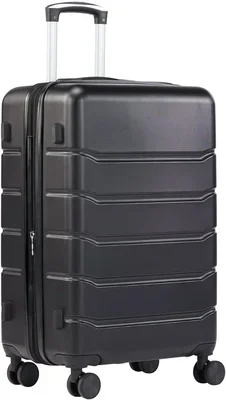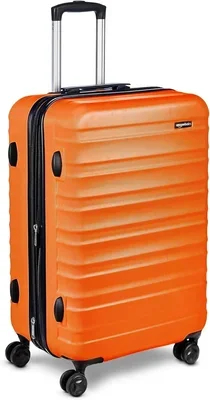
Choosing the right 26‑inch expandable suitcase can feel like navigating a maze of specs, brands, and price tags. Whether you’re a frequent flyer, a weekend road‑tripper, or someone who simply wants a reliable bag for occasional travel, the decision impacts how smoothly your journey goes. This guide breaks down every critical element — from frame construction to wheel quality — so you can shop with confidence and avoid costly mistakes.
In the next sections you’ll learn which factors deserve your attention first, how the major luggage categories differ, the most common buying pitfalls, realistic budget expectations, insider tips for snagging a deal, and answers to the questions travelers ask most often. By the end you’ll have a clear roadmap to the perfect expandable 26‑inch companion for your adventures.

What to Look for When Buying Buying Guide
1. Size & Capacity (Including Expandability)
The headline measurement — 26 inches — refers to the exterior height of the case when fully assembled. Most airlines treat this as a checked‑bag size, but the real magic lies in the expansion zipper. A typical expandable model adds 1.5 to 2.5 inches of depth, translating to roughly 15‑20 percent more packing volume. When evaluating capacity, check the interior dimensions (length × width × depth) in both standard and expanded states. A bag that expands from 14 × 9 × 27 in to 14 × 11 × 27 in gives you an extra 2 in of depth without changing the footprint, which is ideal for souvenirs or bulkier clothing.
2. Build Quality & Materials
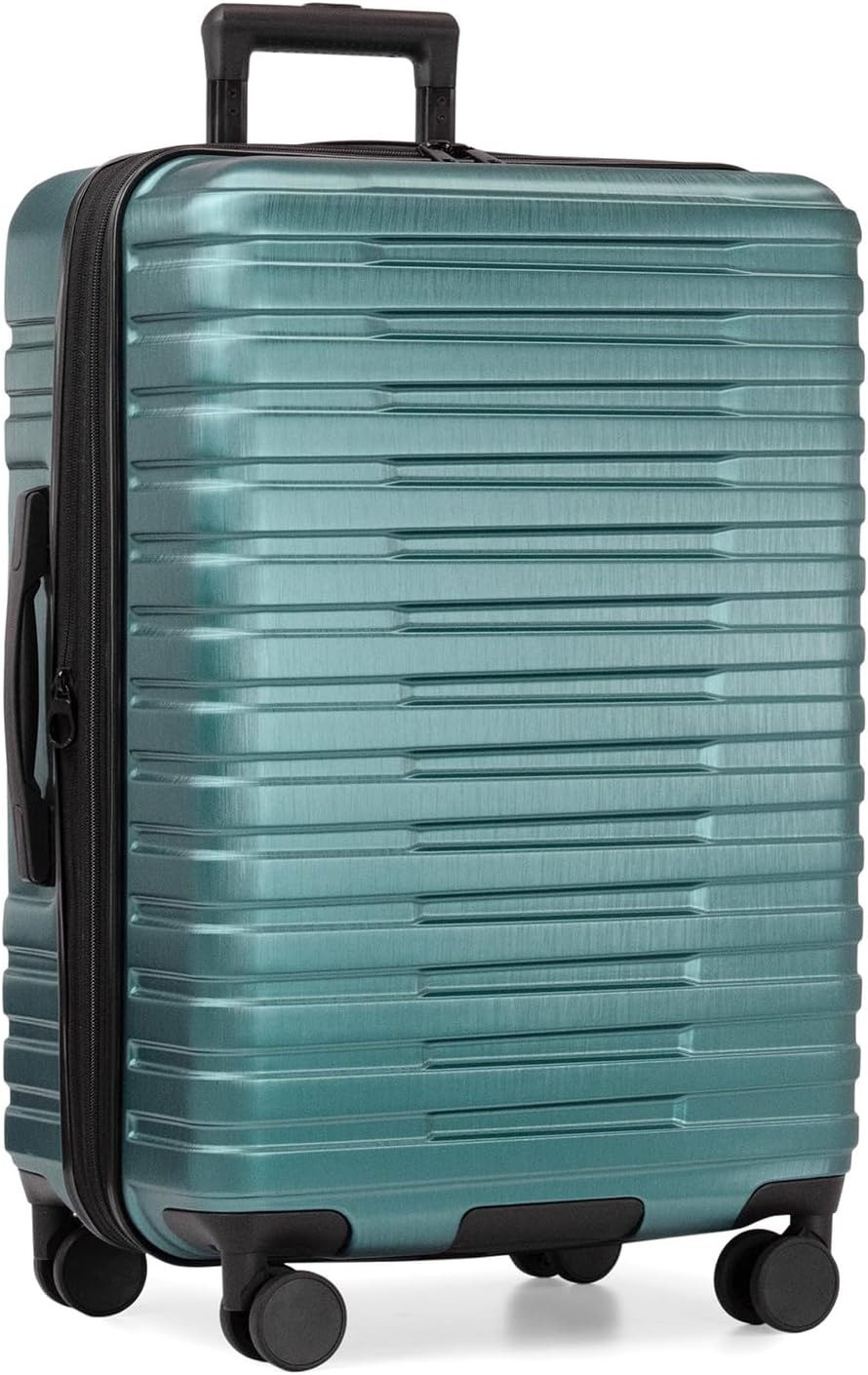
Hard‑shell cases usually employ polycarbonate, ABS, or a blend of both. Polycarbonate is lighter and more impact‑resistant, while ABS is cheaper but can crack under severe stress. Soft‑shell luggage relies on high‑denier nylon (e.g., 1680D ballistic nylon) or polyester with a water‑repellent coating. Look for reinforced corners, double‑stitched seams, and a sturdy frame that doesn’t flex when you press the sides. A well‑built frame protects the expansion zipper from snagging and ensures the case retains its shape after repeated check‑ins.
3. Wheel System & Maneuverability
Four‑wheel spinner systems have become the gold standard for 26‑inch bags because they allow 360‑degree movement, reducing wrist strain. Examine the wheel housing: sealed ball‑bearing wheels glide smoother and last longer than simple plastic axles. Wheel diameter matters — larger wheels (3.5 in or more) handle curbs and carpet better. If you frequently navigate cobblestone streets or uneven airport terminals, prioritize a model with oversized, rubber‑coated spinners.
4. Handle & Locking Mechanisms
The telescopic handle should lock securely at multiple heights (usually three) and retract smoothly without wobble. Aluminum or reinforced alloy tubes resist bending better than thin steel. For security, a TSA‑approved combination lock integrated into the frame is preferable to a detachable padlock, which can be lost. Some premium lines add a secondary zipper lock on the expansion panel, giving you two independent locking points.
5. Weight & Portability
A 26‑inch expandable suitcase typically weighs between 7 lb (3.2 kg) for ultra‑light polycarbonate and 11 lb (5 kg) for heavy‑duty ballistic nylon. Remember that every pound of luggage weight reduces your airline weight allowance. If you pack near the limit, a lighter case can save you excess‑bag fees. However, extremely light shells may sacrifice durability. Aim for the sweet spot around 8‑9 lb where you get a robust frame without a weight penalty.
6. Warranty & Customer Support
A solid warranty signals manufacturer confidence. Look for at least a 5‑year limited warranty covering defects in materials and workmanship; premium brands often offer 10‑year or lifetime coverage. Check the claim process — some companies require you to ship the bag to a service center, while others provide on‑site repairs at authorized retailers. Responsive customer service (phone, chat, email) can turn a damaged wheel into a quick fix rather than a travel nightmare.
7. Brand Reputation & User Reviews
Established brands like Samsonite, Travelpro, Briggs & Riley, and Away have extensive service networks and consistent quality control. Newer direct‑to‑consumer brands may offer innovative features at lower prices but can lack long‑term reliability data. Read verified purchaser reviews focusing on durability after 12‑18 months, wheel performance on rough surfaces, and how the expansion zipper holds up under load. A pattern of complaints about a specific component (e.g., handle lock failure) is a red flag.
Different Types of Buying Guide
Common Buying Mistakes to Avoid
❌ Mistake: Ignoring Airline Size Restrictions
Why it’s bad: Many travelers assume a 26‑inch label guarantees compliance, but airlines measure total linear dimensions (height + width + depth). An expanded bag can exceed the 62‑inch limit, resulting in oversize fees at the gate.
What to do instead: Verify the exact exterior dimensions in both standard and expanded modes. Choose a model whose expanded linear total stays under your most‑used carrier’s limit, or be prepared to check the bag unexpanded.
❌ Mistake: Prioritizing Price Over Wheel Quality
Why it’s bad: Cheap spinner wheels often use plastic axles that seize after a few trips, turning a smooth roll into a drag‑fest. Replacing wheels on a budget case can cost more than the original price difference.
What to do instead: Invest in a bag with sealed ball‑bearing wheels and a warranty that covers wheel replacement. Test the roll in‑store if possible; a smooth, quiet glide indicates quality bearings.
❌ Mistake: Overlooking Expansion Zipper Durability
Why it’s bad: The expansion zipper is a stress point. Low‑quality zippers can separate under load, leaving you with a gaping hole or a stuck panel.
What to do instead: Look for YKK or equivalent brand zippers with reinforced stitching. Some brands add a secondary fabric flap behind the zipper for extra strength — ask about this feature.
❌ Mistake: Skipping Weight Check Before Purchase
Why it’s bad: A 26‑inch case that weighs 11 lb eats into a typical 50 lb checked‑bag allowance, leaving only 39 lb for your belongings. Overpacking triggers fees.
What to do instead: Weigh the empty suitcase on a bathroom scale. Aim for ≤ 9 lb if you regularly pack near the limit. Lightweight polycarbonate models often hit this target.
❌ Mistake: Assuming All TSA Locks Are Equal
Why it’s bad: Some integrated locks are flimsy, with thin shackles that can be cut. Others have poorly calibrated combination dials that jam.
What to do instead: Choose a lock with a hardened steel shackle and a smooth, click‑positive dial. Read reviews specifically mentioning lock reliability after multiple trips.
Budget Guidelines: How Much Should You Spend?
Entry‑Level ($80 – $130)
At this tier you’ll find mostly ABS hard‑shells or basic polyester soft‑shells. Expect simple two‑wheel or four‑wheel spinner systems with plastic axles, a single TSA lock, and a one‑year warranty. Expansion depth is usually modest (≈ 1.5 in). These bags suit occasional travelers who fly once or twice a year and don’t mind replacing the case every few seasons.
Mid‑Range ($130 – $250)
This is the sweet spot for most buyers. You’ll see polycarbonate or high‑denier nylon, sealed ball‑bearing spinners, multi‑stage telescopic handles, and a 5‑year warranty. Expansion typically adds 2 in of depth. Brands like Travelpro, Samsonite, and Delsey dominate here, offering a balance of durability, weight (≈ 8‑9 lb), and thoughtful interior organization (dividers, compression straps, mesh pockets).
Premium ($250 – $450)
Premium models feature advanced materials — such as Makrolon polycarbonate or ballistic nylon with water‑repellent coatings — plus reinforced corners, double‑stitched expansion panels, and often a lifetime warranty. Wheels are oversized, rubber‑coated, and sometimes replaceable without tools. Extras include built‑in garment folders, removable laundry bags, and integrated USB ports (power bank not included). Weight stays around 8‑9 lb despite added features.
Luxury ($450+)
Luxury luggage leans on brand heritage (e.g., Rimowa, Tumi, Briggs & Riley) and cutting‑edge tech: self‑healing polycarbonate, carbon‑fiber frames, GPS tracking, and modular interior systems. Warranties are often unconditional lifetime. These cases are status pieces as much as functional tools; they excel in durability and service networks but may be overkill for casual travelers.
Expert Tips for Getting the Best Deal
- Shop Off‑Season: Major sales occur in January (post‑holiday), May (Memorial Day), and September (Labor Day). Retailers clear inventory before new collections launch.
- Use Price‑Tracking Tools: Browser extensions like Honey or CamelCamelCamel alert you when a specific model drops below your target price.
- Check Manufacturer Refurbished: Brands such as Briggs & Riley and Travelpro sell factory‑refurbished units with full warranties at 20‑30 % off.
- Bundle with Accessories: Some retailers discount a matching toiletry kit, packing cubes, or a luggage tag when you buy the suitcase.
- Read Return Policies Carefully: A 30‑day no‑questions‑asked return lets you test the bag on a short trip. Avoid final‑sale items unless you’re certain.
- Test In‑Store When Possible: Roll the bag on carpet and tile, extend the handle fully, and open/close the expansion zipper. Feel the weight distribution.
- Leverage Credit‑Card Benefits: Many premium cards offer purchase protection, extended warranty, or travel‑accident insurance that covers luggage damage.
- Sign Up for Brand Newsletters: First‑subscriber discounts of 10‑15 % are common, plus early access to flash sales.

Frequently Asked Questions
Q: What does “expandable” actually mean on a 26‑inch suitcase?
A: An expandable suitcase has a secondary zipper around the perimeter that, when opened, adds extra depth (usually 1.5‑2.5 in) to the main compartment. This increases packing volume without changing the bag’s height or width, allowing you to fit more items while still meeting most airline checked‑bag size limits when unexpanded.
Q: Can I carry a 26‑inch expandable bag as a carry‑on?
A: Generally no. Most airlines limit carry‑ons to 22 × 14 × 9 in. A 26‑inch case exceeds the height allowance even when unexpanded. It is designed for checked luggage.
Q: How do I clean a hard‑shell polycarbonate suitcase?
A: Wipe the exterior with a damp microfiber cloth and mild soap. Avoid abrasive cleaners or solvents that can dull the finish. For scuffs, a small amount of non‑gel toothpaste buffed gently can reduce visibility.
Q: Are spinner wheels better than inline skate wheels?
A: Spinner wheels (four multidirectional casters) let you push the bag beside you, reducing wrist strain. Inline skate wheels (two fixed wheels) are more durable on rough terrain but require tilting the bag. For airport travel, spinners are usually preferred.
Q: Does a lifetime warranty cover airline damage?
A: Most manufacturer warranties cover defects in materials and workmanship, not damage caused by baggage handlers. However, some premium brands (e.g., Briggs & Riley) offer a “damage protection” program that repairs airline‑induced damage for a fee or free within a certain period.
Q: How much extra weight does the expansion panel add?
A: The expansion zipper and extra fabric typically add 0.3‑0.6 lb (150‑270 g). The weight gain is negligible compared to the packing flexibility it provides.
Q: Can I replace the wheels myself?
A: Many mid‑range and premium models use screw‑on wheel housings that can be swapped with a Phillips screwdriver. Check the manufacturer’s website for replacement kits and instructional videos.
Q: What’s the difference between polycarbonate and ABS?
A: Polycarbonate is a higher‑grade thermoplastic that flexes under impact and returns to shape, making it lighter and more crack‑resistant. ABS is cheaper, more rigid, and can shatter on severe impact. Blends (PC/ABS) aim to balance cost and durability.
Q: Should I buy a matching set (carry‑on + checked) or a single 26‑inch bag?
A: If you travel with a companion or need a carry‑on for short trips, a coordinated set ensures consistent wheel feel and aesthetic. Solo travelers who only check bags can save money by purchasing just the 26‑inch model.
Our Final Recommendations
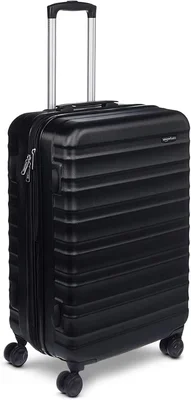
- Best for Budget‑Conscious Buyers: Amazon Basics 26‑Inch Hardside Spinner — ~$95, ABS shell, four spinner wheels, 1‑year warranty. Good for occasional flyers who want a no‑frills expandable case.
- Best Overall Value: Travelpro Platinum Elite 26‑Inch Expandable Spinner — ~$210, polycarbonate, MagnaTrac spinner wheels, 10‑year warranty, excellent interior organization. Hits the sweet spot of durability, weight, and price.
- Best Premium Option: Samsonite Freeform Hardside Expandable 26‑Inch — ~$280, 100 % polycarbonate, double‑spinner wheels, TSA lock, 10‑year warranty. Lightweight (≈ 8.2 lb) with a sleek design and reliable expansion zipper.
- Best for Beginners: Kenneth Cole Reaction 26‑Inch Softside Expandable — ~$130, 1680D ballistic nylon, multiple exterior pockets, smooth inline wheels. Easy to pack, forgiving on overstuffing, and simple to maintain.
- Best for Advanced Users: Briggs & Riley Baseline 26‑Inch Expandable Spinner — ~$450, ballistic nylon with CX expansion system, lifetime warranty, self‑healing zippers, and a dedicated garment compartment. Built for heavy‑use road warriors who demand serviceability.
Conclusion: Making the Right Choice
Selecting a 26‑inch expandable suitcase boils down to matching the bag’s strengths to your travel habits. Start with the non‑negotiables — airline size compliance, wheel quality, and a warranty that gives you peace of mind — then layer in preferences like material, weight, and smart features. Remember that a modest increase in budget often buys a disproportionate jump in durability and convenience, saving you money and hassle over the long haul.
Use this guide as a checklist: measure your packing style, set a realistic price ceiling, and test the shortlisted models whenever possible. With the right information in hand, you’ll walk into the store (or click “Add to Cart”) knowing exactly what you need, and you’ll roll away with a suitcase that keeps pace with every adventure.