Choosing the right expandable carry‑on luggage can feel like navigating a maze of zippers, wheels, and warranty fine print. I’ve spent years testing bags on everything from weekend getaways to month‑long business trips, and I know how a poorly chosen suitcase can turn a smooth journey into a frustrating scramble at the gate. This guide distills that experience into a clear, step‑by‑step framework so you can walk into any store or scroll any site with confidence.
In the next sections you’ll learn the six most important factors that separate a reliable travel companion from a regrettable purchase, the main categories of expandable carry‑ons and how they stack up, the common pitfalls that trap even seasoned flyers, and a realistic budget breakdown that matches price to performance. I’ll also share insider timing tricks, warranty wisdom, and a handful of frequently asked questions that usually surface only after the first trip. By the end you’ll have a shortlist tailored to your travel style, budget, and peace‑of‑mind requirements.

What to Look for When Buying Expandable Carry‑On Luggage
1. Size Compliance and Airline Fit
Every airline publishes a maximum linear dimension (length + width + height) for carry‑on bags, typically around 22 × 14 × 9 inches for U.S. carriers and slightly smaller for many European low‑cost airlines. An expandable bag adds a zippered gusset that can increase depth by 1.5–2 inches, which is great for packing souvenirs but can push you over the limit if you’re not careful. Look for a model that stays within the strictest dimensions even when fully expanded, or that offers a “compression” strap to shrink the bag back to compliance size. Measure the exterior yourself before you buy; manufacturers sometimes quote interior volume rather than external dimensions.
2. Build Materials: Polycarbonate vs. Ballistic Nylon vs. Hybrid
Hard‑shell cases usually use polycarbonate or a polycarbonate‑ABS blend. Polycarbonate flexes on impact, resisting cracks, while ABS is cheaper but more brittle. Soft‑shell bags rely on ballistic nylon (1680 denier or higher) or Cordura for abrasion resistance. Hybrids combine a polycarbonate frame with nylon panels, giving you the structure of a hard case and the flexibility of a soft one. For frequent flyers, a pure polycarbonate shell with reinforced corners offers the best balance of weight and durability. If you prefer a lighter bag that can squeeze into tight overhead bins, a high‑denier nylon with a reinforced bottom panel works well.
3. Wheel System: Spinner vs. Inline vs. All‑Terrain
Four‑wheel spinners glide effortlessly in any direction, making them ideal for crowded terminals. Inline (two‑wheel) designs roll smoother on rough pavement and are less prone to wheel‑housing damage. All‑terrain wheels add larger diameters and rubberized treads for cobblestones or gravel paths. Test the wheel housing: it should be recessed into the shell, not protruding, to avoid snagging on conveyor belts. Look for sealed ball bearings and a warranty that covers wheel replacement.
4. Handle Ergonomics and Locking Mechanism
A telescoping handle should lock at multiple heights (usually three) and feel solid when fully extended. Aluminum tubes are lighter than steel but can bend under heavy loads; a double‑tube design adds rigidity. The grip should be contoured and covered in a non‑slip material. Integrated TSA‑approved combination locks are standard on most mid‑range and premium models; they let security agents open the bag without cutting the zipper. If a lock isn’t built‑in, budget for a separate TSA lock.
5. Expansion Mechanism and Internal Organization
The expansion zipper runs around the perimeter of the main compartment. A quality zipper uses YKK or similar brand with large, interlocking teeth that resist snagging. Inside, look for a divider panel with mesh pockets, a compression strap system, and a dedicated laptop sleeve (usually 15‑inch). Some bags add a removable toiletry pouch or a wet/dry compartment. The more modular the interior, the easier it is to keep clothes wrinkle‑free and electronics accessible.
6. Weight and Carry‑On Weight Limits
Many airlines now enforce a 7‑kg (15‑lb) carry‑on weight limit, especially in Asia and Europe. A lightweight polycarbonate shell can weigh as little as 5.5 lb empty, while a feature‑rich ballistic nylon bag may hit 7 lb before you pack anything. Subtract the bag’s weight from the airline’s allowance to know how much gear you can actually bring. If you’re a heavy packer, prioritize the lightest frame that still meets your durability needs.
7. Warranty, Repair Network, and Brand Reputation
A lifetime limited warranty sounds impressive, but read the fine print: it often covers only manufacturing defects, not airline damage. Brands with authorized repair centers in major airports (e.g., Samsonite, Travelpro, Briggs & Riley) let you swap a broken wheel or handle on the spot. Check online reviews for real‑world warranty claims; a brand that honors claims quickly is worth a modest price premium.
8. Price‑to‑Performance Ratio
Entry‑level expandable carry‑ons start around $80‑$120 and typically use ABS shells, basic two‑wheel systems, and minimal interior organization. Mid‑range ($150‑$250) brings polycarbonate, spinner wheels, TSA locks, and thoughtful compartments. Premium ($300‑$500) adds ultra‑light materials, self‑healing zippers, integrated power banks, and extensive repair networks. Luxury ($600+) focuses on bespoke finishes, hand‑stitched leather accents, and concierge‑level service. Match the tier to how often you fly and how much abuse the bag will endure.
Different Types of Expandable Carry‑On Luggage

Common Buying Mistakes to Avoid
❌ Mistake: Ignoring Airline‑Specific Size Rules
Why it’s bad: A bag that fits domestic U.S. carriers may be rejected on a European low‑cost airline, forcing a costly gate check. What to do instead: Verify the strictest dimensions among the airlines you fly most often and choose a bag that meets those limits even when expanded.
❌ Mistake: Prioritizing Looks Over Wheel Quality
Why it’s bad: Flashy colors hide cheap plastic wheels that crack after a few trips. What to do instead: Spin the wheels in‑store; they should rotate freely, feel smooth, and have a recessed housing. Read reviews that mention wheel longevity.
❌ Mistake: Overlooking Empty Weight
Why it’s bad: A 9‑lb bag leaves only 6 lb for your belongings on a 15‑lb limit. What to do instead: Target bags under 6.5 lb empty for polycarbonate, under 7 lb for nylon. Weigh the bag yourself if possible.
❌ Mistake: Assuming All “Lifetime” Warranties Are Equal
Why it’s bad: Some brands exclude airline damage, zipper wear, or require you to ship the bag at your own cost. What to do instead: Read the warranty PDF, check for local repair centers, and search forums for real claim experiences.
❌ Mistake: Buying Without Testing the Handle Height
Why it’s bad: A handle that’s too short forces you to hunch, causing back strain on long walks. What to do instead: Extend the handle fully and walk a few steps; it should lock firmly at a comfortable height for your stature.
❌ Mistake: Skipping Internal Organization Features
Why it’s bad: A single cavernous compartment leads to wrinkled clothes and tangled cables. What to do instead: Look for a divider panel, mesh pockets, compression straps, and a padded laptop sleeve. If you carry tech daily, a dedicated quick‑access pocket is a lifesaver.
❌ Mistake: Falling for “Smart” Features You’ll Never Use
Why it’s bad: Built‑in power banks add weight and may be banned on some airlines if non‑removable. GPS trackers need a subscription. What to do instead: Choose a bag with a removable power bank that meets TSA rules, or skip smart tech entirely and carry a separate portable charger.
Budget Guidelines: How Much Should You Spend?
Entry‑Level ($80 – $130)
Expect ABS or low‑grade polycarbonate shells, two‑wheel inline systems, basic zippers, and minimal interior organization. These bags work for occasional leisure trips (2‑3 flights per year) but may show wheel wear or shell cracks after heavy use. Warranty is often limited to 1‑2 years.
Mid‑Range ($150 – $260)
This is the sweet spot for most travelers. You’ll find true polycarbonate or high‑denier nylon, four‑wheel spinners with sealed bearings, TSA‑approved locks, and thoughtful compartments (laptop sleeve, compression straps). Brands like Travelpro, Samsonite, and Delsey dominate here, offering 5‑10 year limited warranties and widespread repair networks.
Premium ($280 – $480)
Ultra‑light polycarbonate (often 100% virgin material), self‑healing YKK zippers, magnetic compression straps, and integrated removable power banks. Brands such as Briggs & Riley, Rimowa (Essential line), and Away’s higher tiers provide lifetime warranties that cover airline damage and free repairs at airport kiosks.
Luxury ($500+)
Hand‑crafted details, leather accents, carbon‑fiber frames, bespoke color options, and concierge services (e.g., complimentary luggage forwarding). While undeniably beautiful, the performance gains over premium models are marginal for the average flyer. Purchase only if brand prestige and aesthetics are top priorities.
Expert Tips for Getting the Best Deal
- Shop Off‑Season: Late January and September see clearance of previous‑year models as retailers make room for new collections.
- Use Price‑Tracking Tools: Browser extensions like Honey or CamelCamelCamel alert you when a specific SKU drops below your target price.
- Check Authorized Outlet Stores: Brands often sell “factory seconds” with cosmetic blemishes at 30‑40 % off, still covered by full warranty.
- Leverage Credit‑Card Purchase Protection: Many premium cards extend manufacturer warranties by an extra year and cover theft or damage within 90 days.
- Read Return Policies Before Buying: A 30‑day no‑questions‑asked return lets you test the bag on a real trip; keep all tags and packaging.
- Test In‑Store With Your Gear: Pack a week’s worth of clothing, a laptop, and shoes. Roll the bag, lift it, and expand it. If it feels awkward, keep looking.
- Consider Refurbished Units: Certified refurbished bags from the manufacturer’s site come with like‑new condition and full warranty at a 20‑30 % discount.
- Bundle With Accessories: Some retailers throw in a packing cube set or a TSA lock when you buy a carry‑on, adding value without extra cost.

Frequently Asked Questions
Q: Can I expand my carry‑on after I’ve passed security?
A: Yes, the expansion zipper is accessible from the outside. However, if the bag exceeds the airline’s size limit when expanded, you may be forced to check it at the gate. Expand only when you’re sure the dimensions still comply.
Q: Are spinner wheels more fragile than inline wheels?
A: Spinner wheels have more moving parts, so they can be more susceptible to debris. Choose models with recessed, sealed bearings and a robust wheel housing. Inline wheels are simpler and often survive rougher terrain better.
Q: What does “TSA‑approved lock” actually mean?
A: It means the lock can be opened by Transportation Security Administration agents using a master key without damaging the lock or zipper. You set your own combination; the TSA keyhole is hidden on the lock body.
Q: How do I clean a polycarbonate shell?
A: Wipe with a damp microfiber cloth and mild soap. Avoid abrasive cleaners or solvents that can dull the finish. For scuffs, a small amount of automotive polishing compound restores shine.
Q: Is a built‑in USB port worth the extra cost?
A: Only if the power bank is removable and meets airline regulations (≤100 Wh). Many airlines prohibit non‑removable batteries in checked luggage, and a built‑in port adds weight. A separate slim power bank is usually more versatile.
Q: What’s the difference between a “lifetime warranty” and a “limited lifetime warranty”?
A: “Limited” typically excludes normal wear, airline damage, and cosmetic issues. A true lifetime warranty (rare) covers defects for the life of the product, sometimes including accidental damage. Always read the warranty document.
Q: Can I replace a broken wheel myself?
A: Many mid‑range and premium brands sell wheel kits and provide video tutorials. If you’re comfortable with a screwdriver, you can save a repair shop visit. Otherwise, use an authorized service center to keep the warranty intact.
Q: How many packing cubes fit in a standard expandable carry‑on?
A: Typically three medium cubes (≈12 × 12 × 4 in) plus one small cube for toiletries. The expansion gusset adds room for an extra cube or a pair of shoes.
Q: Are there any carry‑ons that fit under the seat as well as overhead?
A: Some “under‑seat” models are 18 × 14 × 8 in and expand to 20 × 14 × 9 in. They sacrifice a bit of volume for the guarantee of fitting under the seat on most aircraft.
Our Final Recommendations
- Best for Budget‑Conscious Buyers: AmazonBasics 21‑Inch Hardside Spinner – ~ $95, ABS shell, four spinner wheels, basic interior divider. Good for 2‑3 trips per year.
- Best Overall Value: Travelpro Platinum Elite 22‑Inch Expandable Spinner – ~ $230, polycarbonate, MagnaTrac spinner wheels, built‑in TSA lock, excellent interior organization, 10‑year warranty.
- Best Premium Option: Briggs & Riley Baseline Domestic Carry‑On Expandable – ~ $380, ballistic nylon with CX expansion, lifetime warranty covering airline damage, self‑healing zippers, superb repair network.
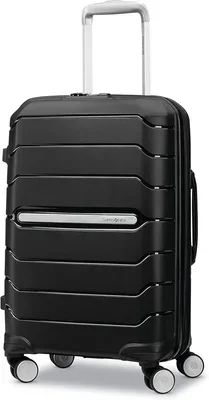
- Best for Beginners: Samsonite Freeform 21‑Inch Spinner – ~ $180, lightweight polycarbonate, double‑tube handle, recessed wheels, simple layout, 10‑year limited warranty.
- Best for Advanced Users / Frequent Flyers: Rimowa Essential Cabin – ~ $450, ultra‑light polycarbonate, multi‑stage telescopic handle, silent Japanese Hinomoto wheels, lifetime service at global boutiques.
Conclusion: Making the Right Choice
You now have a roadmap that starts with the non‑negotiable—airline size compliance—and moves through materials, wheels, handles, expansion, weight, warranty, and price. The most important step is to match the bag to your actual travel pattern: a weekend warrior needs a different tool than a road‑warrior consultant. Test the handle, spin the wheels, and pack a trial load before you commit. Remember, a well‑chosen expandable carry‑on isn’t just a container; it’s the foundation of a stress‑free journey. Happy travels, and may your overhead bin always have space.