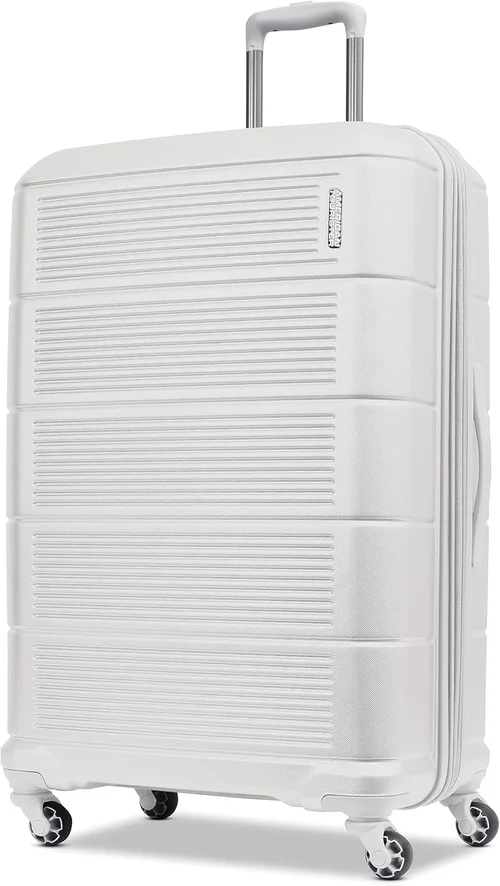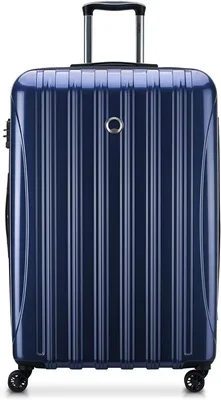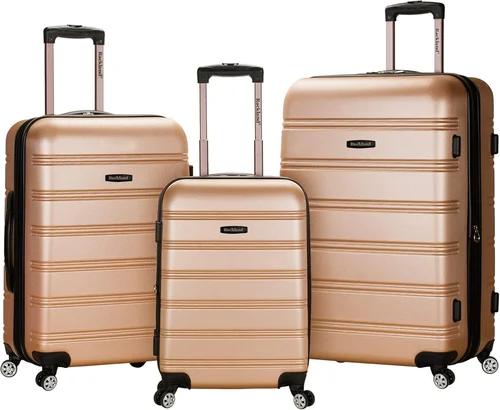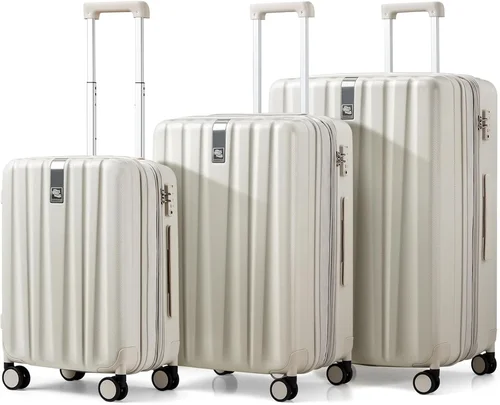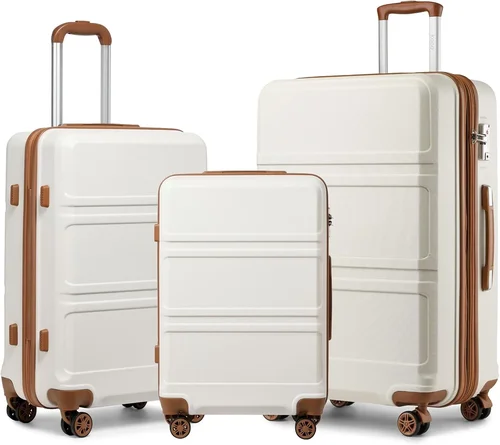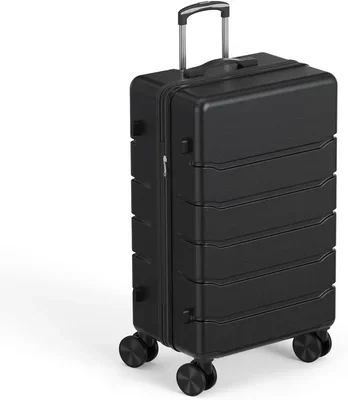
Choosing the right double expandable rolling luggage can feel like navigating a maze of zippers, wheels, and warranty fine print. Whether you’re a frequent flyer who needs extra space for souvenirs, a business traveler who values organization, or a family vacation planner who wants one bag that grows with the trip, the right piece of luggage makes every journey smoother. This guide walks you through every critical decision point, translates technical specs into plain language, and gives you the confidence to pick a bag that fits your travel style and budget.
In the next sections you’ll learn the six most important factors to weigh before you buy, see a side‑by‑side comparison of the main luggage categories, discover the most common buying mistakes, and get a clear budget breakdown so you know exactly what you’re paying for. We’ll also share expert timing tips, answer the questions travelers ask most often, and finish with our top picks for every type of buyer. By the end you’ll have a personalized checklist you can take to the store or keep open on your phone while you shop online.

What to Look for When Buying Buying Guide
1. Size and Capacity
Size is the first filter because airlines enforce strict linear‑inch limits for carry‑on and checked bags. A double expandable suitcase typically starts at a base capacity (for example 70 liters) and adds 15‑25 % more volume when the expansion zipper is opened. Measure the exterior dimensions—including wheels and handles—against the carrier’s maximums. If you mostly fly domestic U.S. carriers, a 22‑inch carry‑on that expands to 24 inches often fits overhead bins when unexpanded and still gives you extra room for a weekend trip. For international travel, a 28‑inch checked model that expands to 31 inches can swallow a week’s wardrobe plus gifts. Remember that a larger bag weighs more even when empty, so balance capacity against the weight you’re willing to lug.
2. Build Quality and Materials
The shell material determines durability, weight, and price. Polycarbonate (PC) is the gold standard for hard‑shell luggage: it flexes on impact, resists cracking, and stays lightweight. ABS is cheaper but more brittle; it can shatter on a hard hit. For soft‑shell bags, look for ballistic nylon (1680D or higher) or high‑tenacity polyester with a water‑repellent coating. Reinforced corners, double‑stitched seams, and molded corner guards add years of life. Check the zipper brand—YKK or SBS are reliable—and ensure the expansion zipper has a lockable pull tab so it won’t pop open mid‑flight.
3. Wheel System and Maneuverability
Four spinner wheels (360° rotation) let you glide the bag beside you, reducing wrist strain. Look for wheels mounted on a recessed, reinforced housing; exposed wheels snag on curbs and break faster. Wheel diameter matters: 50 mm or larger rolls over carpet, cobblestones, and airport thresholds more easily. Some premium models use “silent” polyurethane wheels with sealed bearings—quiet on hotel hallways and smoother on tile. Test the bag in‑store by pushing it with one finger; it should track straight without wobbling.
4. Handle System and Ergonomics
A telescopic handle should lock at multiple heights (usually three) and retract smoothly without sticking. Aluminum or reinforced alloy tubes resist bending better than thin steel. The grip material matters too—rubberized or contoured foam reduces hand fatigue on long walks. Some bags add a top and side carry handle with padded stitching; these are lifesavers when you hoist the bag into an overhead bin or a car trunk.
5. Interior Organization and Expansion Mechanism
Inside, you want a full‑length divider panel, mesh zip pockets, and compression straps that keep clothes from shifting. The expansion zipper should run the full perimeter of the main compartment, not just a short panel, so the bag expands evenly. A well‑designed expansion adds depth without distorting the frame, preserving wheel alignment. Some models include a removable laundry bag or a dedicated laptop sleeve—handy for business trips.
6. Weight and Airline Compliance
Empty weight directly eats into your baggage allowance. A 22‑inch polycarbonate spinner typically weighs 6‑7 lb (2.7‑3.2 kg); a comparable soft‑shell may be 5‑6 lb. Ultra‑light models can dip below 5 lb but often sacrifice corner protection. Check the airline’s weight limit for checked bags (usually 50 lb/23 kg) and choose a bag that leaves you enough margin for your belongings. If you frequently fly low‑cost carriers with stricter limits, prioritize the lightest durable option.
7. Warranty, Service Network, and Brand Reputation
A solid warranty signals confidence. Look for “limited lifetime” coverage that includes wheel and handle repair, not just shell defects. Brands with global service centers (e.g., Samsonite, Travelpro, Briggs & Riley) let you drop a bag off for free repairs in major cities. Read recent user reviews for patterns—repeated complaints about zipper failure or wheel wobble are red flags. A reputable brand also tends to honor warranty claims faster, saving you time and money.
8. Security Features
TSA‑approved combination locks are standard on most mid‑range and premium bags. Some add a built‑in cable lock that secures the zipper pulls to the frame, deterring opportunistic theft. If you travel with valuables, consider a bag with a hidden RFID‑blocking pocket for passports and credit cards. Remember that no lock is foolproof; the best security is keeping the bag in sight.
Different Types of Buying Guide

Each category serves a distinct travel profile. The standard hard‑shell is the workhorse for most people—good protection, reasonable weight, and a clean look. Lightweight soft‑shells shine when every ounce counts, especially on European budget carriers that enforce 8 kg carry‑on limits. Heavy‑duty models survive baggage‑handler abuse and are worth the extra cost if you check bags on every trip. Smart luggage adds convenience but remember that airlines require removable batteries; verify the battery is easily detachable before you buy.
Common Buying Mistakes to Avoid
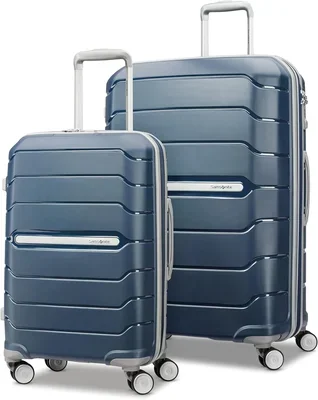
❌ Mistake: Ignoring Airline Size Limits
Why it’s bad: A bag that looks perfect in the store may exceed the linear‑inch allowance once expanded, forcing you to gate‑check or pay oversize fees.
What to do instead: Measure the bag’s exterior dimensions (including wheels and handles) in both collapsed and expanded states. Compare those numbers to the most restrictive airline you fly regularly.
❌ Mistake: Choosing the Lightest Bag Without Checking Durability
Why it’s bad: Ultra‑light fabrics can tear on conveyor belts, and thin frames bend under heavy loads, leaving you with a broken bag mid‑trip.
What to do instead: Look for a weight‑to‑durability ratio: a 6 lb polycarbonate spinner with reinforced corners often outlasts a 4.5 lb ABS model.
❌ Mistake: Overlooking Wheel Quality
Why it’s bad: Cheap plastic wheels crack on rough pavement, turning a smooth roll into a drag‑and‑lift ordeal.
What to do instead: Spin the wheels in‑store; they should rotate freely, have sealed bearings, and be recessed into the shell.
❌ Mistake: Assuming All Expansion Zippers Are Equal
Why it’s bad: A short expansion zipper only adds depth to the center, creating a lopsided bulge that stresses the frame.
What to do instead: Choose a bag with a full‑perimeter expansion zipper and a locking pull tab.
❌ Mistake: Skipping Warranty Registration
Why it’s bad: Many brands require online registration within 30 days to activate the lifetime warranty; missing that window voids coverage.
What to do instead: Register the product immediately after purchase and keep the receipt in a digital folder.
❌ Mistake: Buying Based Solely on Brand Name
Why it’s bad: Even top brands have entry‑level lines that cut corners on wheels, zippers, and interior organization.
What to do instead: Compare specs side‑by‑side; a mid‑range model from a lesser‑known brand can outperform a premium‑label budget line.
Budget Guidelines: How Much Should You Spend?
Entry‑Level ($80 – $130)
At this price you’ll find mostly ABS hard‑shells or basic polyester soft‑shells. Expect single‑stage expansion, two‑wheel inline rollers, and a one‑year limited warranty. Good for occasional vacationers who fly once or twice a year and don’t mind replacing the bag every few seasons.
Mid‑Range ($130 – $250)
This is the sweet spot for most travelers. Polycarbonate shells, four‑spinner wheels, full‑perimeter expansion, TSA locks, and a 5‑ to 10‑year warranty become standard. Brands like Travelpro, Samsonite, and Delsey dominate here. You get a bag that survives weekly business trips and still looks sharp.
Premium ($250 – $400)
Premium models add reinforced corner guards, silent polyurethane wheels, aluminum telescoping handles, and often a lifetime warranty with free repair service. Some include removable power banks or GPS trackers. Ideal for road warriors who log 50+ flights a year and need a bag that never fails.
Luxury ($400+)
Luxury luggage uses materials like Tegris® composite, hand‑stitched leather accents, and bespoke interior layouts. Brands such as Rimowa, Tumi, and Briggs & Riley offer concierge repair services and transferable lifetime warranties. Buy here if luggage is a status piece and you want heirloom‑quality craftsmanship.
Expert Tips for Getting the Best Deal
- Shop off‑season: January‑February and September‑October see clearance on previous‑year colors. Retailers discount 20‑30 % to make room for new collections.
- Use price‑tracking tools: Browser extensions like Honey or CamelCamelCamel alert you when a specific model drops below your target price.
- Check outlet stores and authorized resellers: Outlet locations often carry “factory seconds” with cosmetic blemishes that don’t affect performance, saving 40‑50 %.
- Bundle with accessories: Some brands throw in a packing cube set, luggage tag, or travel umbrella when you buy a suitcase—adds value without extra cost.
- Read the return policy before checkout: A 30‑day no‑questions‑asked return lets you test the bag on a real trip; if it doesn’t fit your workflow, send it back.
- Test in‑store with your own packing: Bring a few clothing items to see how the interior layout works for you. A bag that looks spacious may have awkward pocket placement.
- Consider refurbished units: Manufacturer‑refurbished bags come with a full warranty and can be 30‑40 % cheaper than new.
- Leverage credit‑card travel perks: Some premium cards offer statement credits for luggage purchases or extended warranty coverage automatically.

Frequently Asked Questions
Q: What does “double expandable” actually mean?
A: Double expandable luggage has two separate expansion zippers—one on the main compartment and a second on a secondary compartment (often a front pocket or a lower section). Opening both can increase total volume by up to 30 %, giving you two stages of extra space instead of a single zip.
Q: Can I use the expanded size as a carry‑on?
A: Usually not. Most airlines measure the bag at its largest external dimensions. If the expanded profile exceeds the carrier’s carry‑on limit, you must check it or keep it collapsed for overhead storage.
Q: Are spinner wheels better than two‑wheel inline rollers?
A: Spinners excel on smooth airport floors and let you push the bag beside you, reducing wrist strain. Inline rollers handle rough terrain (cobblestones, gravel) better because the wheels are larger and fixed. Choose based on where you travel most.
Q: How do I clean a polycarbonate shell?
A: Wipe with a damp microfiber cloth and mild soap. Avoid abrasive cleaners or solvents that can dull the finish. For scuffs, a small amount of automotive polishing compound restores shine.
Q: Is a built‑in USB port worth the extra cost?
A: Only if you carry a power bank regularly. The port is just a pass‑through; you still need to supply the battery. Ensure the battery is removable to comply with airline regulations.
Q: What’s the difference between a “limited lifetime warranty” and a “full lifetime warranty”?
A: Limited lifetime typically covers defects in materials and workmanship for the life of the product but may exclude wear items like wheels and handles. Full lifetime (rare) covers everything, including normal wear, often with free repair shipping.
Q: Can I replace wheels myself?
A: Many mid‑range and premium bags use screw‑on wheel assemblies that a handy traveler can swap with a Phillips screwdriver. Check the manufacturer’s parts store for compatible replacements.
Q: How do I prevent the expansion zipper from bursting open?
A: Pack the expanded section evenly, use compression straps, and never overstuff beyond the zipper’s natural stop. A lockable zipper pull adds a physical barrier.
Q: Are there any restrictions on smart luggage batteries?
A: Yes. Most airlines require the lithium‑ion battery to be removable and carried in the cabin. Non‑removable batteries are prohibited on checked bags. Verify the battery release mechanism before purchase.
Q: What’s the best way to store luggage when not in use?
A: Store in a cool, dry place, preferably upright with the handle retracted. Stuff the interior with acid‑free tissue or a clean sheet to hold shape and prevent creases.
Our Final Recommendations
- Best for Budget‑Conscious Buyers: AmazonBasics 22‑Inch Double Expandable Spinner – solid polycarbonate shell, four wheels, 2‑stage expansion, under $120.
- Best Overall Value: Travelpro Platinum Elite 25‑Inch Expandable Spinner – premium wheels, precision glide handle, lifetime warranty, around $230.
- Best Premium Option: Samsonite Freeform Hardside 28‑Inch Double Expandable – ultra‑light polycarbonate, silent wheels, 10‑year warranty, near $300.
- Best for Beginners: Kenneth Cole Reaction 21‑Inch Carry‑On – simple layout, durable polyester, affordable, easy to maneuver.
- Best for Advanced Users: Briggs & Riley Baseline Domestic Carry‑On Expandable – CX™ expansion system, ballistic nylon, lifetime “no‑questions” repair, $450+.
Conclusion: Making the Right Choice
You now have a complete framework for evaluating double expandable rolling luggage: measure your airline’s limits, match the shell material to your durability needs, test the wheel and handle feel, and verify warranty terms. Prioritize the factors that matter most to your travel rhythm—weight for budget carriers, organization for business trips, or ruggedness for adventure travel. Use the budget tiers to set a realistic price ceiling, then hunt for seasonal sales or refurbished units to stretch your dollar. Remember, the best bag is the one that disappears into the background of your journey, letting you focus on the destination, not the luggage.
Take this guide with you—print the checklist, bookmark the comparison table, and refer back when you’re standing in the aisle or scrolling a product page. Your next trip deserves a suitcase that works as hard as you do. Happy travels!