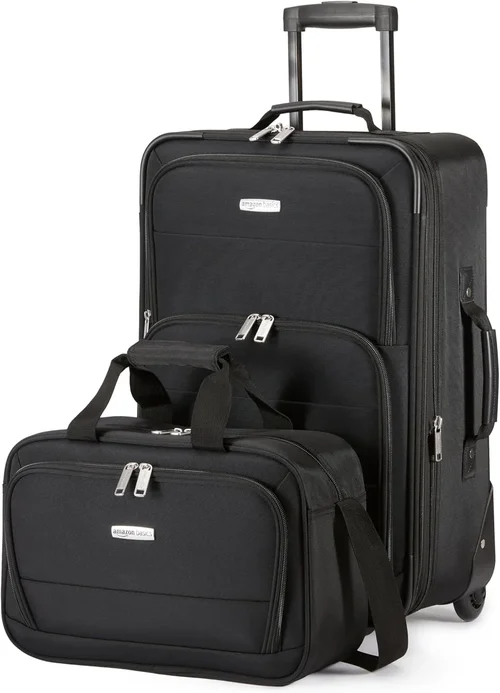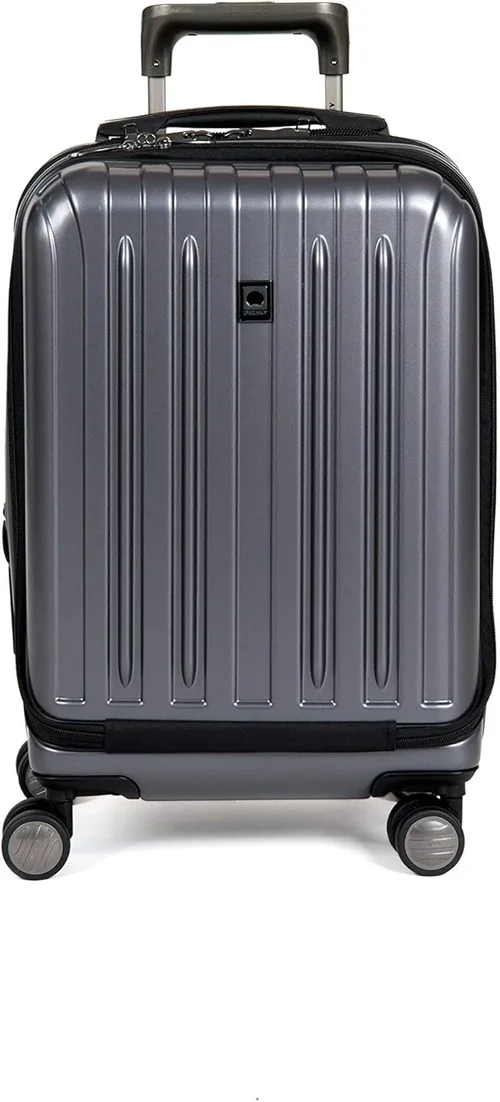
Shopping for luggage can feel overwhelming, especially when you’re looking for that perfect blend of durability, style, and smart functionality. If you’ve been eyeing Denmark expandable luggage, you’re already on the right track. This brand has built a reputation for creating travel companions that adapt to your journey, not the other way around. Whether you’re a weekend warrior hopping on short flights or a globetrotter planning a month-long adventure, understanding what makes these bags tick will save you money and headaches down the road.
In this guide, we’re going to walk through everything you need to know before you click “buy” or walk into a store. We’ll break down the technical specs into plain English, compare the different lines so you can match them to your travel style, and highlight the common pitfalls that catch even seasoned travelers off guard. By the end, you’ll have the confidence to pick a suitcase that fits your life perfectly, not just your packing list.
The market for expandable luggage is crowded, but Denmark stands out for its focus on Scandinavian design principles—clean lines, thoughtful engineering, and materials that last. We’ll explore how their expansion mechanisms work, why their wheel systems get praised, and what the warranty actually covers in real-world terms. Let’s dive in and find your next travel partner.
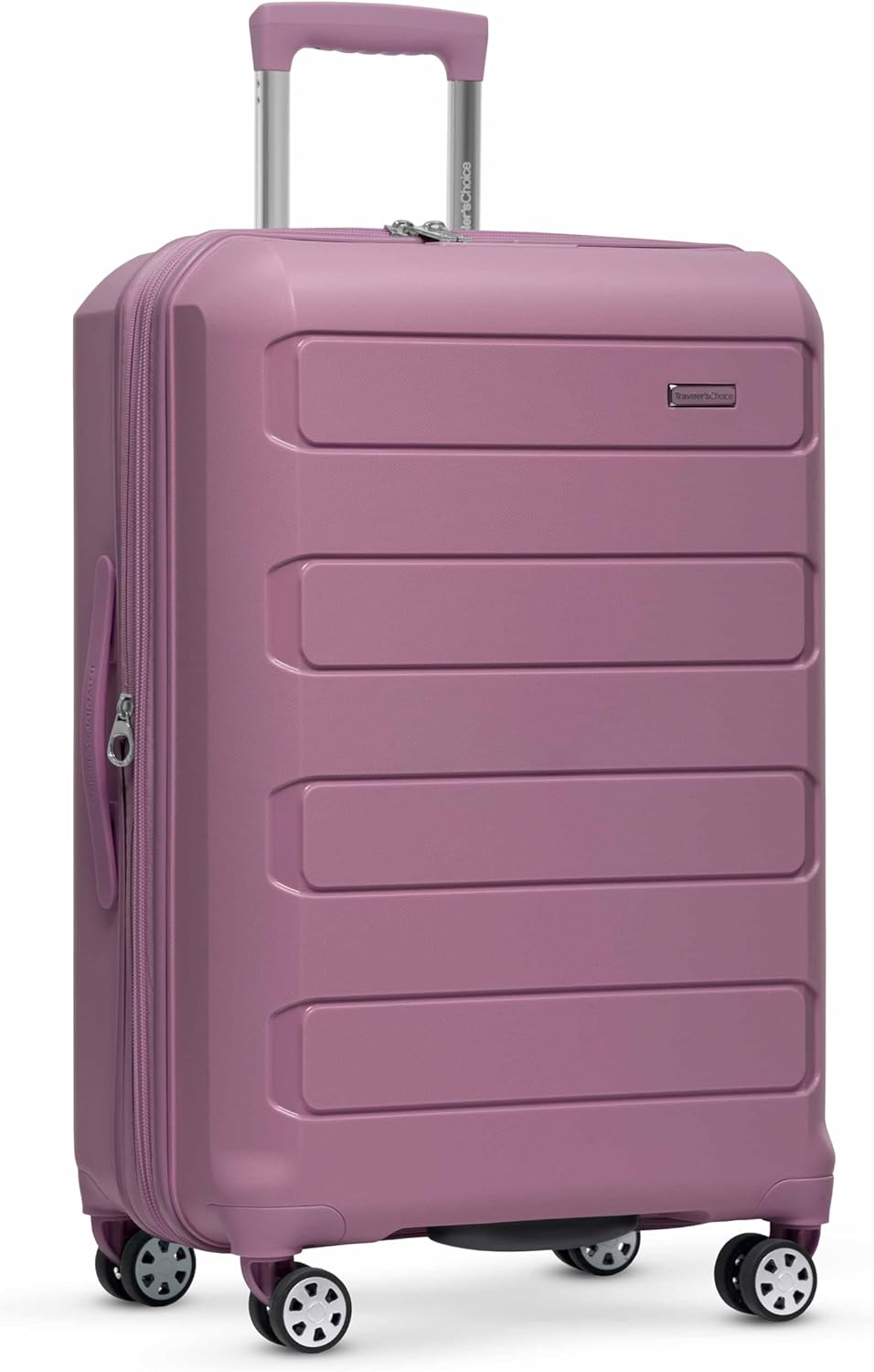
What to Look for When Buying Buying Guide
1. Expansion Mechanism and Capacity Gain
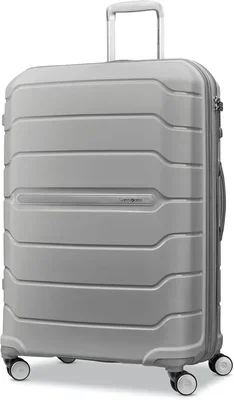
The whole point of buying expandable luggage is that extra space when you need it. But not all expansion systems are created equal. With Denmark expandable luggage, you’ll typically find a zippered gusset that runs around the perimeter of the main compartment. When unzipped, this adds anywhere from 1.5 to 3 inches of depth, translating to roughly 15 to 25 percent more packing volume. That’s the difference between squeezing in those souvenirs and having to ship them home.
Look for a few key details. First, check if the expansion zipper is a heavy-duty coil or a molded tooth design. Coil zippers tend to be more durable and self-healing if a tooth gets misaligned. Second, see if the expanded panel has a fabric liner or if it exposes the frame. A lined expansion panel keeps your clothes from snagging on the internal frame ribs. Third, test the zipper pull—it should glide smoothly without catching, even when the bag is stuffed to the brim. A stuck zipper at the airport is a nightmare you want to avoid.
2. Shell Material: Polycarbonate vs. ABS vs. Hybrid
Denmark luggage primarily uses two types of hard-shell materials: polycarbonate and ABS, sometimes blended. Polycarbonate is the gold standard for a reason. It’s incredibly impact-resistant, flexes under pressure instead of cracking, and handles temperature extremes well. If you see “100% polycarbonate” or “Makrolon” (a premium Bayer polycarbonate), you’re looking at a shell that can take a beating from baggage handlers and still look good.
ABS (Acrylonitrile Butadiene Styrene) is lighter and cheaper but more brittle. A pure ABS suitcase might crack if dropped hard on a corner in freezing weather. Many mid-range Denmark models use a hybrid—polycarbonate outer layer for toughness with an ABS inner layer for structure and cost savings. This is a perfectly valid choice for most travelers. Just avoid “ABS only” if you travel frequently or check your bags often. The weight difference is usually negligible—maybe half a pound—but the durability gap is massive.
3. Wheel System: Spinner vs. Inline, Bearing Quality
This is where your back will thank you later. Denmark expandable luggage almost exclusively uses four-wheel spinner systems now, and for good reason. Spinners let you push the bag beside you, glide it sideways down narrow airplane aisles, and navigate crowded terminals without tilting and dragging. But the devil is in the details.
Look for “Hinamoto” or “Japanese double-ball-bearing” wheels. These are the industry benchmark. Cheap wheels use a single plastic bushing that grinds down fast, leading to wobbly, noisy wheels that eventually seize. Double-ball-bearing wheels roll silently, handle weight evenly, and are often replaceable. Also check the wheel housing. Recessed wheels (where the wheel sits partly inside the shell profile) protect the wheels from snapping off if the bag is dropped or crushed. Protruding wheels are more vulnerable. Finally, ensure the wheels are 360-degree rotating, not just fixed casters. Some budget “spinners” only swivel 180 degrees, which defeats the purpose.
4. Handle System: Telescoping Mechanism and Grip
The telescoping handle is your primary interface with the bag. A bad handle makes a good bag miserable. Denmark typically uses aluminum or aircraft-grade alloy tubes with a multi-stage locking mechanism. You want at least three height stops (short, medium, tall) so travelers of different heights can roll comfortably without hunching or kicking the bag.
Test the extension and retraction. It should be smooth, not jerky. The buttons should be recessed or flush so they don’t get snapped off by conveyor belts. The grip material matters too. Look for a contoured, rubberized, or textured grip—hard plastic gets slippery with sweaty hands or rain. Some premium Denmark lines feature a “comfort grip” with a wider profile that distributes pressure across your palm. If you have arthritis or wrist issues, this is a game-changer. Also, check the handle’s rigidity when fully extended. Excessive wobble means the internal tubes are thin or the locking mechanism is loose, which worsens over time.
5. Interior Organization: Compartments, Straps, and Pockets
A beautiful shell is useless if the inside is a chaotic void. Denmark expandable luggage usually shines here. Standard features include a full-zip divider panel on one side (often with a mesh pocket for toiletries or laundry) and compression straps on the other. The divider panel should have a large U-shaped zipper opening so you can access both sides without unpacking everything.
Compression straps are essential. They keep clothes from shifting during transit, which prevents wrinkles and maximizes space. Look for straps that attach to the shell via a sliding buckle on a track, not fixed points. Sliding buckles let you compress uneven loads evenly. Bonus points for a dedicated wet pocket (water-resistant lining) for swimwear or toiletries, and a shallow zippered pocket on the lid for documents, cables, or electronics. Some newer models include a removable packing cube or a suiter sleeve for dresses and suits. If you travel for business, that suiter sleeve is worth its weight in gold.
6. Security Features: TSA Locks and Zipper Security
Every Denmark expandable luggage piece should come with an integrated TSA-approved combination lock. This isn’t just a convenience; it’s a necessity for checked baggage in the US and many other countries. TSA agents have a master key to open these locks for inspection without cutting them off. The lock should be recessed into the shell so it doesn’t snag or get smashed.
Beyond the lock, look at the zipper pulls. Do they have interlocking loops that the lock shackle passes through? If the pulls are just standard metal tabs with a hole, a thief can just separate the pulls and open the bag without touching the lock. High-end Denmark models use “anti-theft” zipper pulls where the pulls themselves lock together or have a covered shackle path. Also, consider the zipper coil size. #10 coils (larger teeth) are stronger than #8 or #5. For expandable luggage, the main compartment zipper takes the most stress, so #10 is preferred.
7. Weight and Airline Compliance
Weight is a silent budget killer. Airlines are strict on carry-on weight limits (often 7-10 kg / 15-22 lbs internationally, sometimes less for budget carriers). A heavy empty suitcase eats into your packing allowance fast. Denmark’s polycarbonate carry-ons typically weigh 6.5 to 7.5 lbs. Their checked sizes run 9 to 11 lbs. Compare this to competitors. Some “lightweight” brands hit 5 lbs for a carry-on but sacrifice durability.
Check the external dimensions including wheels and handles. Airlines measure the total footprint. A bag listed as “21 inches” might actually be 22.5 inches with wheels. Denmark usually lists “overall dimensions” honestly, but verify. For checked bags, the magic number is 62 linear inches (length + width + height). Most Denmark large checked bags are designed to max out at 62 linear inches exactly, giving you maximum volume without oversize fees. If you fly a mix of airlines, check their specific sizers. A bag that fits United might not fit Ryanair.
8. Warranty, Repairability, and Customer Support
A warranty tells you how much the manufacturer trusts their product. Denmark typically offers a 10-year limited warranty on frames, shells, wheels, and handles. “Limited” means it covers manufacturing defects, not airline damage, wear and tear, or cosmetic scratches. Read the fine print. The real value is in repairability. Can you buy replacement wheels, handles, or zipper pulls? Does the company have a service center or authorized repair partners? Denmark has a decent parts network in North America and Europe.
Check the claim process. Do you need the original receipt? (Yes, usually). Do you ship the bag to them, or do they send parts? Shipping a large suitcase for warranty repair can cost $50+. Some brands offer a “lifetime warranty” but charge a “service fee” that equals a new bag. Denmark’s 10-year is straightforward: defect = repair or replace. Register your bag online immediately after purchase. It speeds up claims and proves ownership date.
Different Types of Buying Guide

Common Buying Mistakes to Avoid
❌ Mistake: Buying Based Only on Price
Why it’s bad: A $80 suitcase might survive one trip. It might not. Cheap wheels seize, zippers burst, shells crack in cold cargo holds. You end up buying twice. Denmark’s entry-level starts around $180 for a reason—that’s the floor for decent materials and double-ball-bearing wheels.
What to do instead: Set a budget per trip, not per bag. If you travel twice a year, a $300 bag costs $25 per trip over 6 years. That’s cheaper than replacing a $100 bag annually. Invest in the “mid-range” sweet spot ($250-$350 for carry-on) where you get polycarbonate, Hinamoto wheels, and a solid warranty.
❌ Mistake: Ignoring Your Airline’s Specific Rules
Why it’s bad: You buy a gorgeous 22-inch carry-on, only to find your favorite budget European airline allows 21.5 inches including wheels. Or you pack a 28-inch checked bag to the brim, hit 55 lbs, and pay $100 overweight fees. The bag’s specs don’t matter if they don’t match your carriers.
What to do instead: List the three airlines you fly most. Check their current carry-on and checked dimensions/weight limits on their official sites. Choose a Denmark model that fits the strictest of those limits. For carry-on, the 21″ international model is safer than the 22″ domestic max. For checked, the 26″ medium often hits the 50lb limit before the 28″ large does.
❌ Mistake: Overlooking the “Personal Item” Strategy
Why it’s bad: You buy the biggest carry-on allowed, stuff it full, then realize you have no room for your laptop bag, purse, or duty-free shopping. You’re forced to check the carry-on at the gate (free, but risky) or juggle awkwardly.
What to do instead: Pair your Denmark carry-on with a matching underseat backpack or tote. Many Denmark sets include a “travel kit” or offer a matching backpack. Pack your electronics, meds, and one outfit change in the personal item. Use the carry-on for clothes. This two-bag system gives you flexibility and keeps essentials close.
❌ Mistake: Not Testing the Expansion in Person (or via Video)
Why it’s bad: Photos don’t show how the bag looks when expanded. Some bags bulge awkwardly, becoming unstable on wheels. Others expand unevenly. The zipper might strain visibly. You might find the expanded shape doesn’t fit your car trunk or hotel luggage rack.
What to do instead: If buying in-store, expand it fully. Push down on the top. Does it tip? Roll it. Does it wobble? If buying online, search YouTube for “[Model Name] expansion test” or “Denmark [Series] review expanded.” Real users show the reality. Look for reviews mentioning “stable when expanded” or “zipper strains.”
❌ Mistake: Assuming “Waterproof” Means Submersible
Why it’s bad: Hard-shell luggage is water-resistant, not waterproof. The zipper is the weak point. In heavy rain or if left on a wet tarmac, water will seep through the zipper coils. Your clothes get wet. Electronics fry.
What to do instead: Use packing cubes with water-resistant zippers (like Eagle Creek or Peak Design) or line the interior with a heavy-duty trash compactor bag (cheap, effective). For electronics, always use a dry bag or waterproof sleeve inside the suitcase. Don’t trust the shell alone.
❌ Mistake: Skipping the “Shake Test” for Rattles
Why it’s bad: A rattle means something is loose—wheel housing, handle tube, lock mechanism, internal frame rivet. That loose part will fail first. It’s annoying and a sign of poor assembly or cheap fasteners.
What to do instead: When you receive the bag, extend the handle fully. Shake it side-to-side, front-to-back. Roll it on a hard floor. Listen. Any metallic rattle or plastic clatter? Contact support immediately for exchange. Denmark’s QC is generally good, but shipping can loosen bolts. Catch it day one.
❌ Mistake: Forgetting About Storage at Home
Why it’s bad: You live in a small apartment. You buy a 3-piece set. The large 30-inch bag doesn’t fit under your bed or in your closet. It becomes a dust collector in the living room.
What to do instead: Measure your storage space before buying. Denmark bags nest (large fits medium fits carry-on). But the largest bag still needs a home. If space is tight, buy a 2-piece set (carry-on + medium) or just the carry-on and a duffel for overflow. Some Denmark models have a “flat-pack” design where the handle recess allows stacking flatter.
Budget Guidelines: How Much Should You Spend?
Understanding the price tiers helps you align expectations with reality. Denmark expandable luggage sits in the “accessible premium” space—not luxury (like Rimowa or Tumi), not budget (like Amazon Basics). Here’s what your money buys at each level.
Entry-Level ($180 – $250): The Smart Start
At this tier, you’re looking at the Denmark “Essential” or “Voyager” lines (names vary by retailer). Expect a hybrid polycarbonate/ABS shell. It’s durable enough for 4-6 trips a year. Wheels will be double-spinner but may use a slightly lower-grade bearing than the premium Hinamoto units. The handle is aluminum, usually two-stage. The TSA lock is standard. Interior organization is basic: divider panel, compression straps, maybe one mesh pocket.
Best for: Occasional travelers (1-3 trips/year), students, first-time buyers upgrading from fabric luggage. You get the Denmark look and expandability without the premium price. The warranty is the same 10-year. Trade-off: Shell may show cosmetic scratches faster. Wheels might get noisy after 2-3 years of heavy use. Weight is slightly higher (7.5 lbs carry-on).
Mid-Range ($250 – $380): The Sweet Spot for Most
This is the “Core” or “Performance” series. Here you get 100% polycarbonate shell (often Makrolon or equivalent). Wheels are almost always Hinamoto Lisof or equivalent Japanese double-ball-bearing—silky smooth, replaceable. Handle is three-stage, aircraft-grade alloy, with a comfortable ergonomic grip. Interior gets upgraded: suiter sleeve, wet pocket, better compression straps with sliding buckles, sometimes a removable packing cube. The expansion gusset is deeper (2.5-3 inches) with a reinforced zipper guard.
Best for: Frequent flyers (4+ trips/year), business travelers, anyone checking bags regularly. This tier balances weight (6.8-7.2 lbs carry-on), durability, and features perfectly. It’s the “buy once, cry once” zone. The shell resists dents and scratches better. Color options expand (muted Scandinavian tones: fjord blue, sand, charcoal, sage).
Premium ($380 – $550): For the Discerning Road Warrior
Think “Signature” or “Black Label” collections. Materials go next-level: maybe a proprietary polycarbonate blend with carbon-fiber reinforcement at stress points (corners, handle mounts). Wheels are top-tier Hinamoto Silent Run—whisper-quiet, sealed bearings. Handle system might be a monoblock aluminum tube (single piece, no joints) for zero wobble. Lock is often a premium TSA007 with a smoother dial action.
Interior is fully lined with high-denier recycled polyester, often with antimicrobial treatment. You get modular organization: removable shoe bag, tech organizer panel, compression packing cubes included. Expansion mechanism might be a “hidden” zipper that sits flush when not expanded, maintaining the clean silhouette. Some offer integrated USB-C pass-through for power banks (power bank not included).
Best for: Weekly flyers, luxury travelers, gift buyers. You’re paying for refinement, silence, and longevity. These bags look new after 50 flights. Resale value holds well. Reality check: Does it survive baggage handlers better than the $300 model? Marginally. You’re paying for the experience—the glide, the click, the feel.
Luxury ($550+): The Collector’s Choice
Limited editions, collaborations, or the absolute flagship. Might feature leather accents (handles, tags), magnesium alloy frames, or proprietary self-healing shell coatings. Wheels could be custom-machined. Often includes a lifetime “no questions asked” repair policy (beyond the standard 10-year). Packaging is premium (reusable dust bags, wooden hangers).
Best for: Enthusiasts, status-conscious buyers, gifts for milestones. Functionally, a $400 mid-range bag does 95% of what a $700 luxury bag does. Buy this because you love the object, not because you need it to perform better.
Expert Tips for Getting the Best Deal

Frequently Asked Questions
Q: Is Denmark luggage actually made in Denmark?
A: No. Like most modern luggage brands, Denmark designs in Scandinavia (often Copenhagen) but manufactures in China. This is standard for the industry—even brands like Away, Samsonite, and Tumi produce in China. The “Denmark” name reflects the design heritage: minimalist aesthetics, functional engineering, and quality control standards set by the Danish design team. The factories are audited for quality. Don’t let the manufacturing location deter you; focus on the materials and warranty.
Q: Can I replace the wheels myself if they break?
A: Yes, on most models. Denmark uses standard Hinamoto wheel cassettes (the whole wheel + housing unit) that screw into the shell with 3-4 screws. You can buy replacements directly from Denmark’s parts website or authorized dealers for $15-$30 per wheel. You need a Phillips screwdriver and 10 minutes. Pro tip: Replace all 4 at once if one fails, so they wear evenly. Some older or budget models have riveted wheels—check the product page or ask support before buying if self-repair matters