Choosing the right 26 inch expandable luggage can feel like navigating a maze of zippers, wheels, and marketing claims. Whether you’re a frequent business traveler, a family vacationer, or someone who simply values extra space for longer trips, a well-chosen suitcase is more than just a storage container—it’s your travel companion. With airlines tightening baggage policies and travelers demanding more functionality, the 26 inch expandable suitcase has emerged as a sweet spot: large enough to hold several weeks’ worth of clothing, yet compact enough to remain manageable at airports and hotels. This guide is designed to cut through the noise and help you make a smart, informed decision based on your real-world needs.
In this comprehensive buying guide, you’ll learn everything you need to know about 26 inch expandable luggage—from understanding key features like expansion zippers and wheel systems to comparing materials, brands, and price points. We’ll walk you through the most important factors to consider, highlight common pitfalls to avoid, and provide expert-backed recommendations across different budgets. By the end, you’ll have the confidence to choose a suitcase that not only fits your travel style but also stands up to years of use. The luggage market is flooded with options, from budget-friendly models at big-box retailers to premium designs from heritage brands. Our goal is to equip you with the knowledge to find the perfect balance of durability, functionality, and value.

What to Look for When Buying 26 Inch Expandable Luggage
1. Expansion Capacity and Zipper Quality
One of the defining features of expandable luggage is its ability to increase in volume—typically by 2 to 4 inches—when you unzip an internal expansion panel. For a 26 inch suitcase, this can mean going from a standard 70–80 liters to over 100 liters of packing space. This flexibility is invaluable when returning from a shopping-heavy trip or packing for unpredictable weather. However, not all expansion systems are created equal. Look for a robust, double-stitched expansion zipper made from heavy-duty nylon or polyester. The zipper should glide smoothly and feel substantial when you pull it. A flimsy zipper can jam or break under pressure, rendering the expansion feature useless.
Pay attention to how the expansion is engineered. Some suitcases expand outward, increasing girth, while others expand upward, adding height. Outward expansion may affect overhead bin fit on planes, so consider your typical travel mode. Also, check if the expanded section includes reinforcement—some cheaper models stretch without structural support, leading to bulging or tearing. A well-designed expansion system should maintain the suitcase’s shape and stability even when fully expanded.
2. Build Quality & Durability
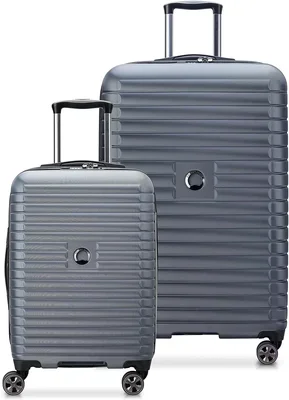
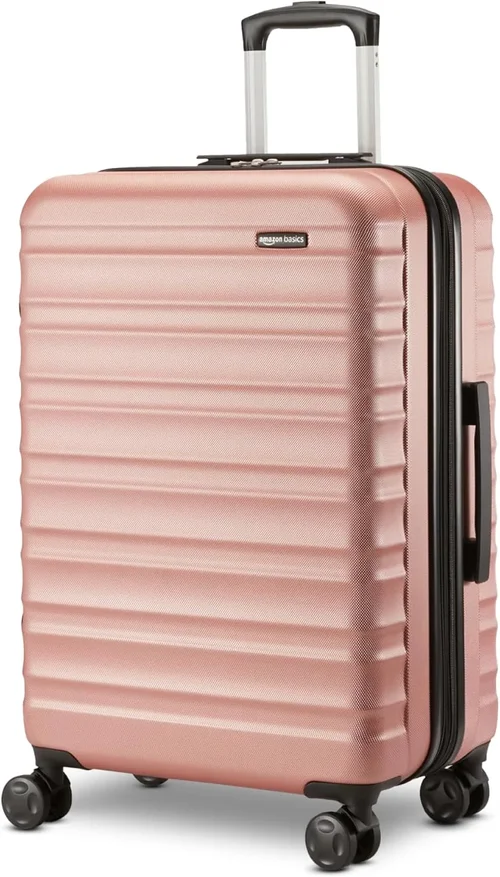
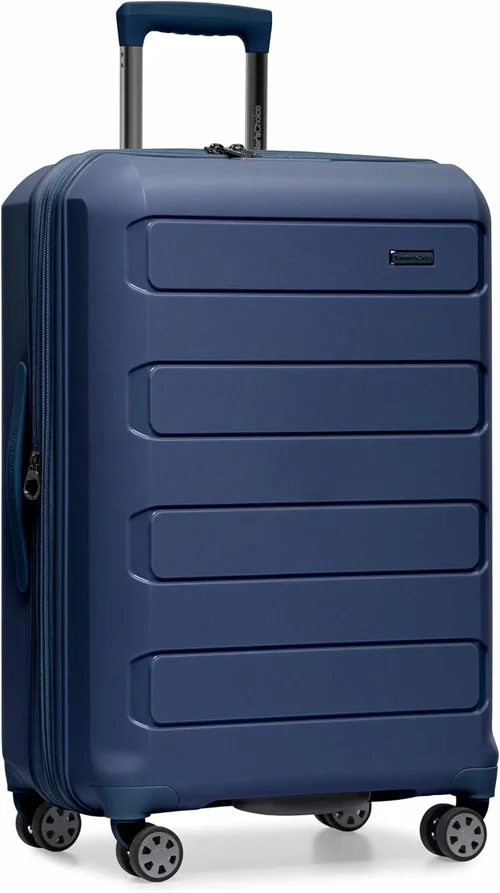
Durability is arguably the most critical factor when investing in luggage. A 26 inch suitcase is a significant purchase, and you want it to last through years of travel, not just one vacation. The material of the shell plays a major role in longevity. Hard-shell suitcases are typically made from polycarbonate, ABS, or polypropylene. Polycarbonate is the gold standard—lightweight, flexible, and highly impact-resistant. It can absorb shocks from drops and rough handling, making it ideal for frequent flyers. ABS is more affordable but less durable and prone to cracking. Polypropylene offers a middle ground: lighter than ABS and more affordable than polycarbonate, though not as resilient.
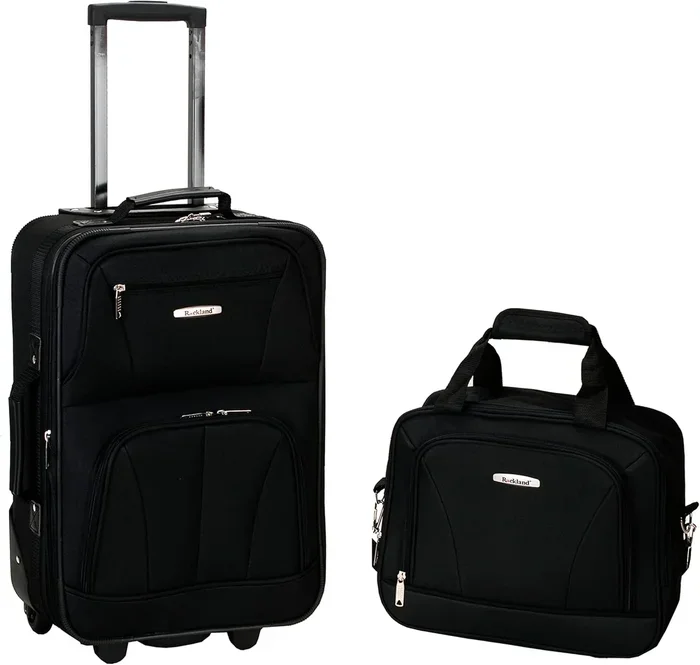
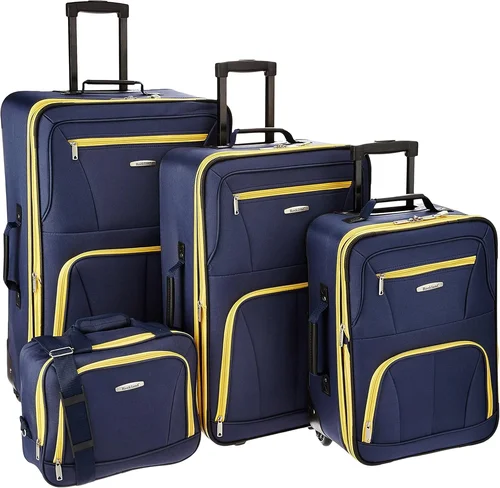
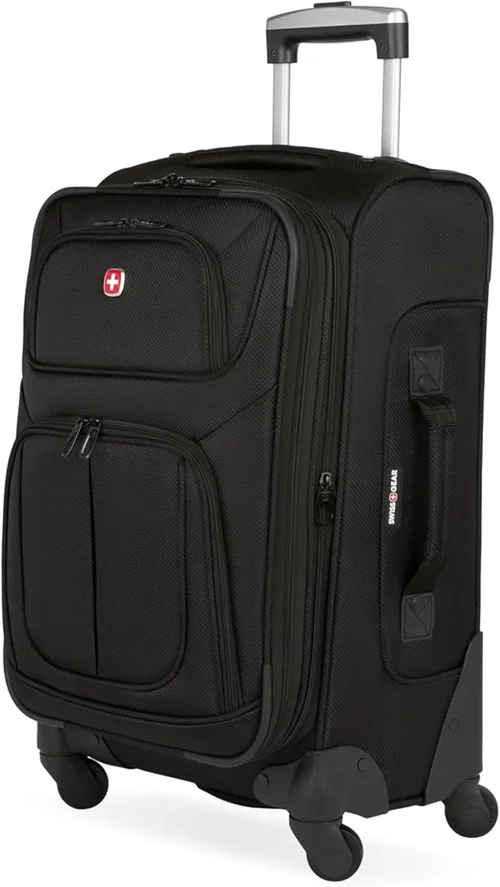
Soft-shell suitcases, usually made from ballistic nylon or polyester, offer different advantages. They’re often lighter and more flexible, allowing for easier squeezing into tight spaces. Ballistic nylon, originally developed for military use, is exceptionally strong and resistant to abrasions. However, soft shells may not protect fragile items as well as hard shells and are more susceptible to cuts or punctures. Regardless of material, inspect the seams, corners, and stress points. Reinforced corners with metal or plastic bumpers can prevent damage during transit.
3. Wheel System and Maneuverability
The wheels are what transform a heavy suitcase into a smooth-rolling travel companion. For a 26 inch expandable model, you’ll want a 360-degree spinner wheel system—four wheels that rotate independently. This allows for effortless navigation through crowded airports, tight hotel corridors, and uneven sidewalks. Look for wheels made from durable polyurethane or rubber, which offer better shock absorption and quieter rolling than plastic. Larger wheels (around 2.5 to 3 inches in diameter) handle rough terrain better and reduce the effort needed to pull the bag.
Test the wheel action if possible. A quality spinner system should glide with minimal wobble and maintain direction without veering. Some premium models feature dual-wheel designs or suspension systems for even smoother movement. Avoid single-wheel or two-wheel designs on a 26 inch bag—they’re harder to control and put more strain on your arm. Also, consider the placement of the wheels. Recessed wheels are less likely to break off during rough handling, while externally mounted wheels may offer better ground clearance.
4. Handle Design and Ergonomics
The telescoping handle is your primary interface with the suitcase, so it needs to be comfortable, sturdy, and reliable. Most high-quality 26 inch expandable suitcases feature an aluminum or steel telescoping handle with multiple height settings. Look for a handle that locks securely in place and extends smoothly without sticking. A recessed or internal handle design protects it from damage, while an external handle may offer a wider grip but is more vulnerable to snagging.
Ergonomics matter too. The handle should feel comfortable in your hand, with a soft-grip coating or rubberized texture. Some models include a push-button release with a cushioned grip, reducing hand fatigue during long walks. Test the handle’s range of motion—can you adjust it to a height that suits your posture? A poorly designed handle can turn a simple airport stroll into an uncomfortable ordeal. Also, check the handle’s connection to the suitcase frame. Reinforced mounting points prevent the handle from loosening or breaking over time.
5. Interior Organization and Compartmentalization
A well-organized interior can make packing and unpacking a breeze. Look for a 26 inch expandable suitcase with multiple compartments, compression straps, and zippered pockets. Full-width zippered dividers help separate clean and dirty clothes, while mesh pockets are great for accessories, toiletries, or small electronics. Compression straps on one side allow you to secure bulky items and reduce shifting during transit.
Some premium models include removable laundry bags, shoe compartments, or tech sleeves. These features add convenience but may reduce overall packing space. Consider your packing style: do you prefer everything in one large compartment, or do you like to compartmentalize? Also, check the quality of the interior fabric. Ripstop nylon or polyester is durable and easy to clean, while flimsy linings can tear or stain easily.
6. Weight and Portability
A 26 inch suitcase is already on the larger side, so weight is a crucial consideration. An empty suitcase should ideally weigh between 7 and 10 pounds. Anything over 11 pounds starts to eat into your baggage allowance, especially with airlines that enforce strict weight limits. Lightweight materials like polycarbonate or advanced nylons help keep the weight down without sacrificing durability.
Portability also involves how easy it is to lift, carry, and store the bag. Look for a suitcase with a comfortable top handle and side handle for easy lifting. Some models include a built-in grab handle on the bottom for flipping the bag upright. When expanded, the suitcase should still be manageable—avoid designs that become top-heavy or unwieldy. Also, consider storage at home: does it fit in your closet or under the bed? A slightly heavier but more compact design may be worth the trade-off.
7. Security Features
Travel security is more important than ever, and your luggage should offer protection against theft and tampering. Look for a TSA-approved lock, which allows Transportation Security Administration agents to inspect your bag without damaging the lock. Many expandable suitcases come with built-in TSA locks, but you can also purchase them separately. Some models feature hidden zippers or zippered security pockets to deter pickpockets.
Additional security features include RFID-blocking pockets for credit cards and passports, and tamper-evident zippers that show signs of forced entry. While no suitcase is completely theft-proof, these features add peace of mind, especially when traveling in high-risk areas. Also, consider the visibility of your bag—bright colors or unique patterns can help you identify it quickly on the baggage carousel and reduce the chance of accidental swaps.
8. Brand Reputation and Customer Support
Not all luggage brands are created equal. Established brands like Samsonite, Travelpro, Rimowa, and Away have built reputations for quality, innovation, and customer service. Research the brand’s history, warranty policies, and customer reviews. A reputable brand is more likely to honor warranties, provide replacement parts, and offer responsive support if something goes wrong.
Check if the company has a global service network—important if you travel internationally. Some brands offer lifetime warranties, while others provide limited coverage for a set number of years. Read the fine print: does the warranty cover normal wear and tear, or only manufacturing defects? Also, consider the availability of replacement parts like wheels, handles, or zippers. A brand that sells spare parts makes it easier to repair your suitcase instead of replacing it.
Different Types of 26 Inch Expandable Luggage

Common Buying Mistakes to Avoid
❌ Mistake: Ignoring Weight Limits
Why it’s bad: A heavy suitcase can quickly put you over airline weight limits, especially on budget carriers that charge per kilogram. A 26 inch bag that weighs 12 pounds empty leaves you with only 38 pounds for contents on a 50-pound allowance—cutting into your packing capacity.
What to do instead: Choose a lightweight model under 10 pounds. Look for materials like polycarbonate or advanced nylons that offer strength without the bulk. Always weigh your packed bag before heading to the airport.
❌ Mistake: Overlooking Wheel Quality
Why it’s bad: Cheap plastic wheels can crack, wobble, or break off during travel, turning your suitcase into a dragging burden. Poor maneuverability leads to frustration and physical strain.
What to do instead: Invest in a suitcase with durable polyurethane spinner wheels. Test the wheel action in-store or read detailed reviews about long-term performance. Dual-wheel systems offer even better stability.
❌ Mistake: Choosing Style Over Function
Why it’s bad: A sleek, fashionable suitcase may look great in photos, but if it lacks expansion, has a flimsy handle, or poor interior organization, it will fail in real-world use.
What to do instead: Prioritize functionality. A well-designed, slightly less flashy suitcase will serve you better over time. Look for features that match your travel habits—like expansion for shopping trips or compression straps for bulky clothing.
❌ Mistake: Skipping the Warranty Check
Why it’s bad: Luggage takes a beating. Without a solid warranty, a broken zipper or cracked wheel could mean a costly replacement. Some brands offer only 1-year coverage, which isn’t enough for long-term use.
What to do instead: Choose a brand with at least a 5-year warranty, preferably lifetime. Read the terms to understand what’s covered. Brands like Samsonite and Travelpro are known for honoring warranties even years after purchase.
❌ Mistake: Not Testing the Handle
Why it’s bad: A stiff, wobbly, or poorly positioned handle can make pulling a heavy suitcase exhausting. Some handles don’t extend far enough, forcing you to bend over.
What to do instead: Test the handle’s extension and retraction. It should lock securely at multiple heights and feel comfortable in your grip. Look for ergonomic designs with soft-touch materials.
❌ Mistake: Buying Based on Price Alone
Why it’s bad: The cheapest suitcase may save you $50 upfront but cost you more in the long run due to frequent replacements. Conversely, the most expensive model may have features you’ll never use.
What to do instead: Focus on value—durability, features, and warranty relative to price. Mid-range models often offer the best balance for most travelers.
Budget Guidelines: How Much Should You Spend?
Entry-Level ($50–$120): These suitcases are ideal for occasional travelers or students. Expect basic polyester shells, single zippers, and minimal interior organization. Wheels and handles may be less durable, and warranties are typically limited to 1–2 years. While functional, they may not withstand frequent use or rough handling.
Mid-Range ($120–$250): This is the sweet spot for most buyers. You’ll find polycarbonate or ballistic nylon shells, reliable spinner wheels, and better interior design. Brands like American Tourister, Travelpro, and Rockland offer excellent value here. Warranties often extend to 5–7 years, and features like TSA locks and expansion are common.
Premium ($250–$500): Designed for frequent travelers and professionals, these models use high-end materials and advanced engineering. Expect lightweight polycarbonate, dual-wheel systems, ergonomic handles, and sophisticated interiors. Brands like Samsonite, Delsey, and Away dominate this tier with strong warranties and global support.
Luxury ($500+): These are for travelers who value craftsmanship, design, and brand prestige. Materials include aerospace-grade aluminum, Italian leather accents, and hand-finished details. Rimowa, Tumi, and Horizn Studios offer models in this range. While not always more durable, they provide status, exclusivity, and often lifetime service.
Expert Tips for Getting the Best Deal
– Buy during off-season sales: Look for discounts in January (post-holiday) and August (pre-back-to-school). Airlines and retailers often clear out inventory.
– Check outlet stores and online marketplaces: Samsonite and Travelpro outlets offer previous-season models at 30–50% off. Amazon, eBay, and Overstock frequently have deals.
– Sign up for brand newsletters: Many companies offer 10–15% off your first purchase or exclusive member sales.
– Consider refurbished models: Certified pre-owned luggage from reputable sellers can save you money with minimal risk.
– Read return policies carefully: Ensure you can return the bag if it doesn’t meet expectations. Some retailers charge restocking fees.
– Test in-store when possible: Feel the weight, roll the wheels, and test the handle before buying online.
– Bundle with travel accessories: Some retailers offer discounts when you buy a suitcase with a backpack or packing cubes.

Frequently Asked Questions
Q: Will a 26 inch expandable suitcase fit in overhead bins?
A: Most 26 inch suitcases, even when expanded, are designed to meet standard carry-on size limits (typically 22 x 14 x 9 inches). However, when fully expanded, they may exceed these dimensions. Always check your airline’s specific carry-on policy. For domestic flights in the U.S., a non-expanded 26 inch bag usually fits, but expanded, it may need to be checked.
Q: How much can I realistically pack in a 26 inch expandable suitcase?
A: A standard 26 inch suitcase holds about 70–80 liters. When expanded, this increases to 90–110 liters. This is enough for 2–3 weeks of clothing for one person, depending on packing style. Use compression packing cubes to maximize space.
Q: Are hard-shell or soft-shell suitcases better?
A: It depends on your needs. Hard shells offer better protection for fragile items and are more water-resistant. Soft shells are lighter and more flexible, fitting into tight spaces. For frequent air travel, hard-shell polycarbonate is often preferred.
Q: How do I maintain my expandable suitcase?
A: Clean the exterior with a damp cloth and mild soap. Lubricate zippers with a silicone-based spray if they start to stick. Store the bag in a cool, dry place with the expansion zipper closed to maintain shape.
Q: Can I repair a broken wheel or handle?
A: Yes, many brands sell replacement parts. Check the manufacturer’s website or contact customer service. Some local luggage repair shops can also fix common issues.
Q: Is a lifetime warranty worth it?
A: For frequent travelers, yes. A lifetime warranty often covers repairs or replacements for any defect, even years later. Just be sure to register your product and keep proof of purchase.
Q: Should I choose a bright color or neutral tone?
A: Bright colors help you spot your bag quickly and reduce the chance of accidental swaps. However, they may show dirt more easily. Consider a neutral base with a colorful liner or tag for visibility.
Q: Are expandable suitcases less durable?
A: Not necessarily. A well-made expandable suitcase with reinforced zippers and frames can be just as durable as a non-expandable one. The key is quality construction.
Our Final Recommendations
Best for Budget-Conscious Buyers: American Tourister Moonlight 26″ Expandable Spinner – Offers solid build quality, smooth wheels, and reliable expansion at under $100.
Best Overall Value: Samsonite Winfield 3 DLX 26″ – Lightweight polycarbonate, excellent warranty, and premium features at a mid-range price.
Best Premium Option: Away The Large – Sleek design, built-in battery, and durable polycarbonate shell. Ideal for tech-savvy travelers.
Best for Beginners: Travelpro Maxlite 5 26″ – Lightweight, easy to maneuver, and designed with input from flight crews.
Best for Advanced Users: Rimowa Essential Cabin Plus – Expandable, lightweight, and crafted from aerospace-grade polycarbonate. A long-term investment.
Conclusion: Making the Right Choice
Choosing the right 26 inch expandable luggage is about more than just size and price—it’s about finding a suitcase that fits your lifestyle, travel habits, and long-term needs. From expansion capacity and wheel quality to material durability and brand support, every detail matters. By prioritizing the factors that matter most to you and avoiding common pitfalls, you can invest in a suitcase that will serve you reliably for years to come.
Don’t rush the decision. Take time to compare models, read reviews, and test features when possible. Remember, the best suitcase isn’t necessarily the most expensive or the most stylish—it’s the one that makes your travels easier, safer, and more enjoyable. Whether you’re heading out on a weekend getaway or a month-long adventure, the right 26 inch expandable luggage can be the difference between a smooth journey and a stressful one. Make your choice wisely, and happy travels.