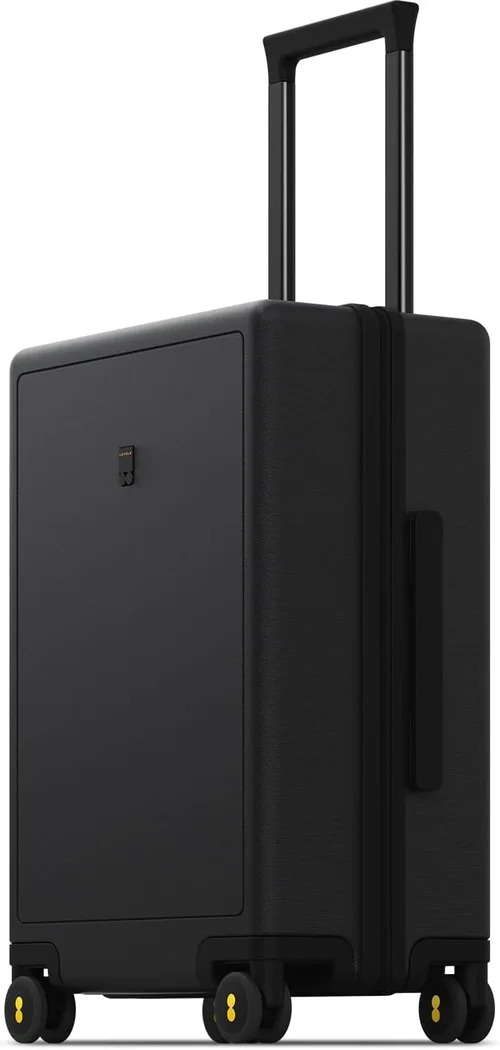
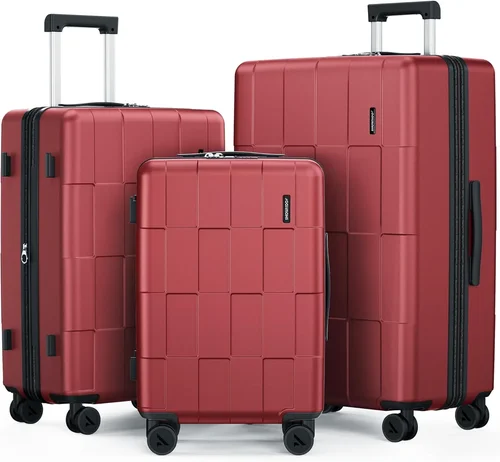
Traveling should be about discovery, relaxation, and adventure—not wrestling with clunky, unreliable luggage. Yet for many travelers, the wrong suitcase can turn a dream trip into a logistical nightmare. From broken zippers at airport security to wheels that seize up on cobblestone streets, the consequences of poor luggage choices are real and frustrating. That’s why choosing the right expandable spinner luggage isn’t just a convenience—it’s a necessity for modern travelers who value efficiency, durability, and peace of mind.
This comprehensive guide is designed to cut through the noise and help you make an informed decision. Whether you’re a weekend warrior, a frequent business traveler, or someone planning a once-in-a-lifetime vacation, we’ll walk you through every critical factor to consider before buying. You’ll learn how to evaluate build quality, understand the nuances of expandability, compare top brands, avoid common pitfalls, and ultimately find a suitcase that fits your lifestyle—not the other way around. By the end, you’ll have the confidence to invest in luggage that lasts, performs, and makes every journey smoother.
The market for expandable spinner luggage has exploded in recent years, with dozens of brands offering everything from budget-friendly options under $100 to luxury models exceeding $500. While this variety gives consumers more choice than ever, it also increases the risk of buyer’s remorse. Features like 360-degree spinner wheels, TSA-approved locks, and expandable compartments sound great on paper—but not all implementations are created equal. This guide will help you separate marketing hype from genuine value, ensuring your next suitcase purchase is one you’ll be happy with for years to come.

What to Look for When Buying Buying Guide
1. Budget & Price Range
Your budget is the foundation of your luggage-buying journey. It sets realistic expectations and helps narrow down your options without overspending or settling for subpar quality. Expandable spinner luggage spans a wide price spectrum, from under $80 for basic models to over $600 for premium designs. The key is understanding what you’re getting at each tier—and aligning that with your travel frequency, destination types, and personal priorities.
Entry-level suitcases often use lightweight polyester shells and plastic wheels, which can suffice for occasional short trips but may not withstand frequent use or rough handling by airline staff. Mid-range options ($150–$300) typically offer better materials like polycarbonate or ballistic nylon, improved wheel systems, and more thoughtful interior organization. Premium models go further with reinforced corners, silent-gliding spinner wheels, water-resistant coatings, and lifetime warranties.
2. Performance Specifications
Performance specs might sound technical, but they directly impact how your luggage behaves in real-world conditions. Key metrics include wheel type and count, handle ergonomics, weight distribution, and expansion capacity. Spinner wheels—typically four multidirectional casters—are standard in modern expandable luggage because they allow effortless 360-degree maneuvering, even in crowded terminals or narrow airplane aisles.
Look for wheels made from durable polyurethane or rubberized compounds that absorb shock and reduce noise. Cheaper models often use hard plastic wheels that rattle and struggle on uneven surfaces. The telescoping handle should extend smoothly, lock securely at multiple heights, and feel sturdy when fully extended—even when the bag is heavily loaded. Test this in-store if possible: a wobbly handle can ruin your travel experience.
Expansion capability is another critical spec. Most expandable suitcases offer 1.5 to 2.5 inches of extra depth via a zipper release system. This is ideal for souvenir shopping or unexpected packing needs. However, ensure the expanded section doesn’t compromise structural integrity—some bags become top-heavy or prone to sagging when over-expanded.
3. Build Quality & Durability
Durability determines how long your luggage will last—and whether it survives airline baggage handling, weather exposure, and daily wear. The shell material is the first line of defense. Hard-shell options like polycarbonate (used by brands like Samsonite and Away) offer excellent impact resistance and scratch protection, while soft-shell fabrics such as ballistic nylon or high-denier polyester (common in Travelpro and Briggs & Riley) provide flexibility and often better corner protection.
Reinforced stress points—like the corners, zipper tracks, and wheel housings—are telltale signs of thoughtful engineering. Look for double-stitched seams, metal YKK zippers (or equivalent), and riveted or welded wheel mounts. Avoid bags with flimsy plastic frames or glued-on components; these are red flags for premature failure.
Real-world testing matters too. Brands that subject their luggage to rigorous drop tests, roll tests (simulating 100+ miles of travel), and climate extremes demonstrate confidence in their products. Reading third-party durability reviews or checking warranty terms can also signal long-term reliability.
4. Features & Functionality
Modern expandable spinner luggage comes packed with features designed to enhance convenience and organization. While some are essential, others are nice-to-haves that depend on your travel style. Start with the basics: a well-designed interior with compression straps, zippered compartments, and a removable laundry bag keeps clothes neat and prevents shifting during transit.
TSA-approved locks are non-negotiable for international travelers or those checking bags in the U.S. These allow security personnel to inspect your luggage without damaging the lock. Many premium models now include built-in USB ports or power banks, though these add weight and may require airline approval for carry-ons.
Other useful features include:
- Expandable gusset zippers with smooth, snag-free operation
- Side and top handles for easy lifting into overhead bins
- Water-resistant coatings or sealed seams for light rain protection
- ID tag pockets and reflective accents for visibility
- Compression panels that let you pack more without bulging
Avoid “feature bloat”—too many compartments or gadgets can complicate packing and add unnecessary weight. Prioritize functionality that matches your habits: business travelers may value suit sleeves, while families might prefer oversized pockets for kids’ gear.
5. Brand Reputation
Brand reputation isn’t just about logos—it reflects years of customer feedback, innovation, and consistency. Established names like Samsonite, Travelpro, Rimowa, and Away have built trust through reliable products and responsive customer service. They often invest heavily in R&D, resulting in better ergonomics, smarter materials, and longer lifespans.
That said, newer direct-to-consumer brands (like Away, Monos, or July) have disrupted the market with sleek designs, transparent pricing, and strong online communities. While they may lack decades of history, many offer competitive warranties and excellent user experiences. Conversely, lesser-known brands might cut corners on materials or support, leaving you stranded if something breaks mid-trip.
Research brand-specific forums, Reddit threads, or YouTube unboxings to gauge real-user satisfaction. Pay attention to how companies handle complaints—do they replace damaged items promptly? Do they honor warranties without hassle? A brand’s responsiveness can be as important as the product itself.
6. Warranty & Support
A strong warranty is your safety net against manufacturing defects, wheel failures, or zipper malfunctions. Most reputable brands offer at least a 2–5 year limited warranty, but premium lines often include lifetime coverage. For example, Briggs & Riley’s “Simple As That” lifetime guarantee covers any damage—even from airlines—with free repairs or replacements.
Read the fine print: some warranties exclude “normal wear and tear,” while others require registration within 30 days of purchase. Also consider geographic coverage—if you travel internationally, ensure support is available abroad or via mail-in service.
Customer support quality varies widely. Brands with dedicated phone lines, live chat, or in-store service centers (like Nordstrom or REI) make resolving issues easier. Avoid companies that only offer email support with slow response times—you don’t want to be stuck without a solution during peak travel season.
7. Size & Portability
Size directly affects whether your luggage qualifies as a carry-on, fits in overhead bins, or avoids checked-bag fees. Standard carry-on dimensions are roughly 22″ x 14″ x 9″, but airlines vary—Delta allows slightly larger bags than Spirit, for instance. Always check your preferred carrier’s guidelines before buying.
Expandable suitcases add complexity: when expanded, they may exceed carry-on limits. Measure both compressed and expanded dimensions. For checked luggage, larger sizes (28″–32″) are great for long trips but harder to maneuver and more likely to incur overweight fees.
Weight matters too. An empty suitcase should weigh no more than 7–9 pounds for carry-ons. Heavier bags eat into your packing allowance—especially on budget airlines with strict 15–20 lb carry-on limits. Lightweight polycarbonate shells strike a good balance between strength and heft.
Portability also includes ease of storage at home. Some models feature flat profiles or nesting designs that save space when not in use—a small but meaningful detail for urban dwellers or small apartments.
8. User Reviews & Ratings
User reviews offer unfiltered insights you won’t find in product descriptions. Look beyond star ratings to read detailed comments about real-world performance. Did the wheels crack after one trip? Did the zipper jam in humid climates? Did the expansion zipper tear under pressure?
Platforms like Amazon, REI, or Wirecutter aggregate thousands of reviews, making it easier to spot patterns. Pay attention to verified purchases and recent reviews—luggage technology evolves quickly, and older feedback may not reflect current models.
Beware of fake or incentivized reviews. Genuine feedback often includes photos, specific use cases (“used on a 2-week Europe trip”), and balanced pros/cons. If every review sounds like marketing copy, dig deeper.
Finally, consider niche communities. Frequent flyers on FlyerTalk or digital nomads on Nomad List often share detailed luggage comparisons based on hundreds of trips. Their experiences can reveal hidden strengths or weaknesses.
Different Types of Buying Guide

Common Buying Mistakes to Avoid

❌ Mistake: Prioritizing Looks Over Function
Why it’s bad: A suitcase that looks stunning in a catalog might have weak zippers, squeaky wheels, or poor weight distribution. Style without substance leads to frustration and early replacement.
What to do instead: Choose a design that balances aesthetics with practical features. Matte finishes hide scratches better than glossy ones, and neutral colors offer versatility. Always prioritize wheel quality, handle stability, and zipper durability over color or pattern.
❌ Mistake: Ignoring Airline Size Restrictions
Why it’s bad: Buying a bag that exceeds carry-on limits forces you to check it—adding fees, wait times, and risk of loss or damage. Expanded dimensions are especially tricky.
What to do instead: Measure your suitcase compressed and expanded. Use airline-specific guides (e.g., United’s 22″ x 14″ x 9″ max). Consider a slightly smaller bag if you frequently expand it—you can always pack a foldable duffel for souvenirs.
❌ Mistake: Overlooking Weight When Empty
Why it’s bad: Heavy luggage eats into your packing allowance. On budget airlines with 15–20 lb carry-on limits, a 10-lb suitcase leaves little room for clothes and essentials.
What to do instead: Weigh empty suitcases before buying. Aim for under 8 lbs for carry-ons. Lightweight polycarbonate or high-tenacity nylon shells offer the best balance.
❌ Mistake: Skipping the Warranty Check
Why it’s bad: Without a solid warranty, a broken wheel or torn seam could mean buying a new bag every few years—costing more long-term.
What to do instead: Compare warranty terms across brands. Look for coverage duration, what’s included (zippers, wheels, handles), and ease of claims. Lifetime warranties are ideal for frequent travelers.
❌ Mistake: Buying Based Solely on Price
Why it’s bad: The cheapest option often uses inferior materials that fail quickly. Conversely, the most expensive isn’t always the best value.
What to do instead: Focus on cost-per-use. A $200 suitcase that lasts 5 years ($40/year) beats a $100 bag that breaks in 18 months ($67/year). Invest in mid-range models from trusted brands.
❌ Mistake: Not Testing the Handle and Wheels
Why it’s bad: A wobbly handle or stiff wheels make navigating airports exhausting. Online photos don’t reveal ergonomic flaws.
What to do instead: If buying in-store, extend the handle fully, roll the bag on different surfaces, and test turning radius. Online? Watch video reviews showing real-world maneuverability.
❌ Mistake: Forgetting About Storage at Home
Why it’s bad: Large suitcases take up closet or under-bed space. Bulky designs can be impractical for small homes.
What to do instead: Consider nesting sets or flat-profile designs. Some brands offer compression straps or foldable features for compact storage.
Budget Guidelines: How Much Should You Spend?
Entry-Level ($80–$130): Suitable for occasional travelers or students. Expect basic polyester shells, plastic wheels, and minimal interior organization. Brands like American Tourister or Rockland offer decent value here, but durability is limited. Best for short trips or as a backup bag.
Mid-Range ($130–$280): The sweet spot for most buyers. You’ll find polycarbonate or ballistic nylon shells, smooth spinner wheels, TSA locks, and thoughtful compartments. Brands like Samsonite, Travelpro, and Away excel in this range. These bags typically last 3–7 years with regular use.
Premium ($280–$450): Ideal for frequent flyers and business travelers. Expect reinforced construction, silent-gliding wheels, water resistance, and advanced features like compression systems or tech pockets. Rimowa Essential, Briggs & Riley Baseline, and Monos Koda are standout options.
Luxury ($450+): For those who value craftsmanship, exclusivity, or status. Materials include aerospace-grade aluminum, Italian leather trim, or custom hardware. Brands like Rimowa Classic, Tumi Alpha, and Horizn Studios dominate here. While beautiful, these may be overkill for casual travelers.

Expert Tips for Getting the Best Deal
- Shop during off-season sales: January (post-holiday) and August (pre-fall) offer deep discounts as retailers clear inventory. Black Friday and Cyber Monday also feature strong luggage deals.
- Check airline employee stores: Many airlines sell discounted luggage to staff, and some allow public access. These often feature high-quality, lightly used items at 30–50% off retail.
- Use price-tracking tools: Browser extensions like Honey or CamelCamelCamel alert you when prices drop on Amazon or brand websites.
- Bundle with travel accessories: Some retailers offer discounts when you buy a suitcase with packing cubes, toiletry bags, or travel pillows.
- Read return policies carefully: Ensure you can return or exchange within 30–60 days if the bag doesn’t meet expectations. Some brands charge restocking fees.
- Test in-store before buying online: Visit a department store to handle different models, then purchase online for better pricing.
- Consider refurbished or open-box items: Certified pre-owned suitcases from reputable sellers often come with warranties and significant savings.
- Join brand loyalty programs: Sign up for newsletters to get early access to sales, exclusive discounts, or free shipping.

Frequently Asked Questions
Q: Are expandable spinner suitcases allowed as carry-ons?
A: It depends on the airline and whether the bag is expanded. Most standard expandable carry-ons fit when compressed, but always measure both states and check your carrier’s size limits. When in doubt, choose a slightly smaller size.
Q: How much can I realistically expand my suitcase?
A: Most expandable models add 1.5 to 2.5 inches of depth—enough for a few extra outfits or souvenirs. Avoid overpacking the expanded section, as it can strain zippers and affect balance.
Q: Do spinner wheels break easily?
A: Quality spinner wheels made from polyurethane or rubberized materials are quite durable. However, cheap plastic wheels on budget bags can crack under stress. Look for reinforced wheel housings and avoid dragging the bag by the handle.
Q: Is hard-shell or soft-shell better?
A: Hard-shell offers superior protection against impacts and tampering, while soft-shell is more flexible, lighter, and often better at absorbing shocks on rough terrain. Choose based on your travel style: urban = hard-shell; adventure = soft-shell.
Q: Can I repair my luggage if it breaks?
A: Many brands offer repair services or replacement parts (wheels, handles, zippers). Check warranty terms first. Independent luggage repair shops also exist in major cities.
Q: What’s the difference between polycarbonate and ABS?
A: Polycarbonate is stronger, more flexible, and lighter than ABS (acrylonitrile butadiene styrene). ABS is cheaper but more prone to cracking. For frequent travel, polycarbonate is worth the upgrade.
Q: Should I buy a matching set?
A: Matching sets look cohesive and simplify storage, but consider your actual needs. A large checked bag and a carry-on may suffice for most travelers. Avoid buying unused sizes just for symmetry.
Q: How do I clean my expandable spinner luggage?
A: For hard-shell: wipe with a damp cloth and mild soap. For soft-shell: spot-clean with upholstery cleaner. Avoid harsh chemicals. Let air dry completely before storing.
Q: Are built-in USB ports useful?
A: They’re convenient but add weight and may not be allowed in carry-ons by some airlines due to lithium battery regulations. External power banks are often more practical.
Q: What’s the average lifespan of a good suitcase?
A: With proper care, mid-to-premium expandable spinners last 5–10 years. Frequent flyers should expect 3–5 years before wear becomes noticeable.
Our Final Recommendations
Best for Budget-Conscious Buyers: Samsonite Winfield 3 DLX – At around $150, it offers polycarbonate construction, smooth spinners, and a 10-year warranty. Great value for occasional travelers.
Best Overall Value: Travelpro Platinum Elite 21” – Designed with input from flight crews, this soft-shell spinner features durable fabric, quiet wheels, and a lifetime warranty. Priced under $250, it’s a workhorse for all travel types.
Best Premium Option: Briggs & Riley Baseline Domestic Carry-On Expandable Spinner – With its “Simple As That” lifetime guarantee, compression system, and ballistic nylon build, this is the gold standard for serious travelers. Expect to pay $400–$450.
Best for Beginners: Away The Carry-On – Sleek, lightweight, and user-friendly, with a built-in battery and TSA lock. Ideal for first-time buyers who want modern design and reliability at $225.
Best for Advanced Users: Rimowa Essential Cabin – For those who demand perfection, this German-engineered polycarbonate spinner offers silent wheels, precision hinges, and iconic styling. At $600+, it’s an investment piece.
Conclusion: Making the Right Choice
Choosing the right expandable spinner luggage is about more than just picking a bag—it’s about investing in a travel companion that enhances every journey. From budget considerations and build quality to warranty coverage and real-user feedback, every factor we’ve covered plays a role in ensuring your suitcase meets your needs, lasts for years, and handles the unpredictability of travel with grace.
Remember, the best suitcase isn’t necessarily the most expensive or the most feature-rich—it’s the one that aligns with your travel habits, destination types, and personal priorities. Whether you’re hopping on a weekend getaway or embarking on a month-long global adventure, take the time to evaluate your options thoughtfully. Test handles, read reviews, compare warranties, and don’t rush the decision.
Travel should be joyful, not stressful. With the right expandable spinner luggage by your side, you’ll spend less time worrying about your gear and more time enjoying the moments that matter. So go ahead—pack smart, travel light, and explore the world with confidence. Your next great adventure deserves nothing less.